Table of Contents
- The Dawn of Disaster: A Quiet Morning Shattered
- The Geographic Faultline: Between Two Nations and Seismic Giants
- Historical Precedents: The Earthquake Legacy of the Aegean Region
- October 30, 2020: When İzmir and Samos Shook Together
- Unfolding Chaos: Immediate Impact and Human Toll
- Seismic Science: Understanding the Mechanics of the İzmir–Samos Earthquake
- Cross-Border Tremors: The Earthquake’s Reach from Turkey to Greece
- Eyewitness Accounts: Voices from the Rubble
- Emergency Response: Challenges on Both Sides of the Aegean
- Urban Vulnerability: İzmir’s Architecture and the Cost of Construction Choices
- The Beaches and Streets of Samos: Facing Nature’s Wrath
- Aftershocks and Anxiety: The Lingering Threat Below the Surface
- Media Narratives: The Earthquake in Turkish and Greek Press
- Political Ramifications: Disaster Diplomacy in Times of Tension
- Human Stories of Survival and Loss
- Recovery and Reconstruction: A Test of Resilience
- Earthquake Preparedness: Lessons Learned and Overlooked
- Comparing İzmir–Samos with Past Regional Earthquakes
- Science and Future Risks: Mapping the Aegean’s Seismic Future
- The Emotional Undercurrent: Collective Trauma and Memory
- International Aid and Solidarity: Aegean Nations Unite?
- Cultural Impact: How the Earthquake Reshaped Local Identity
- Long-Term Economic Consequences for İzmir and Samos
- The Role of Technology in Disaster Management
- Looking Forward: Building a Safer Aegean for Tomorrow
On the morning of October 30, 2020, the Aegean Sea region—an area marked by millennia of myth, culture, and conflict—was abruptly stunned by one of the strongest and most destructive earthquakes in living memory. The city of İzmir in Turkey and the island of Samos in Greece experienced a rupture born from the unyielding tectonic forces deep beneath the earth’s crust. In a matter of seconds, lives were shattered, buildings crumbled, and centuries-old landscapes were forever changed. The earthquake was not just a geological event; it was an emotional rupture felt by communities, families, and entire nations knotted together by history and geography.
The Dawn of Disaster: A Quiet Morning Shattered
October mornings usually bring calmness to İzmir’s bustling streets and Samos’s serene shores, the first rays of light painting the horizon with hues of gold and rose. But on this particular day, just past 1:50 pm local time, the ground beneath both regions convulsed violently. The tranquil hum of everyday life was instantly transformed into a nightmare: homes collapsed, roads cracked open, and people were thrown into panic and confusion. For many, this was the first time they confronted nature’s raw, unforgiving power in such an intimate way.
“It was like the entire earth was alive, shaking us violently, as if warning us of something greater,” recalled Elif Yılmaz, a resident of İzmir’s Bayraklı district where the damage was most severe.
The Geographic Faultline: Between Two Nations and Seismic Giants
The Aegean Sea sits at a geological crossroads of colossal significance. It marks the dynamic boundary where the Eurasian and African tectonic plates, as well as smaller microplates, wrestle beneath the earth’s surface. This complex interaction creates a highly active seismic zone stretching from western Turkey to the eastern Greek islands.
Beneath the waters between İzmir and Samos lies the North Anatolian Fault and the Hellenic Arc—a notorious hotbed for earthquakes. This fault system has in the past generated devastating events that shaped the region’s history and influenced the distribution of human settlements.
Historical Precedents: The Earthquake Legacy of the Aegean Region
For centuries, the Aegean Basin has been a crossroads of civilizations—and catastrophes. Earthquakes have only increased in destructive capacity alongside urbanization and population growth.
The 1904 Aydın earthquake, the 1955 Samos magnitude 7.7 event, and the 1999 İzmit quake—these are but a few grim landmarks that define the broader seismic narrative of the region. Each left a complex legacy of loss and rebuilding, illustrating the persistent tension between human life and geological forces.
October 30, 2020: When İzmir and Samos Shook Together
The 6.9 magnitude earthquake struck offshore near Samos but sent powerful tremors radiating across İzmir’s metropolitan area some 70 km away. The quake lasted close to a minute, long enough to cause widespread terror and destruction.
What made this earthquake particularly harrowing was its relatively shallow depth—approximately 16 kilometers—which amplified its impact. İzmir’s dense neighborhoods experienced violent shaking, turning sturdy buildings into death traps.
In Samos, the island’s steep terrain and fragile infrastructures were severely tested, with many traditional homes damaged or destroyed.
Unfolding Chaos: Immediate Impact and Human Toll
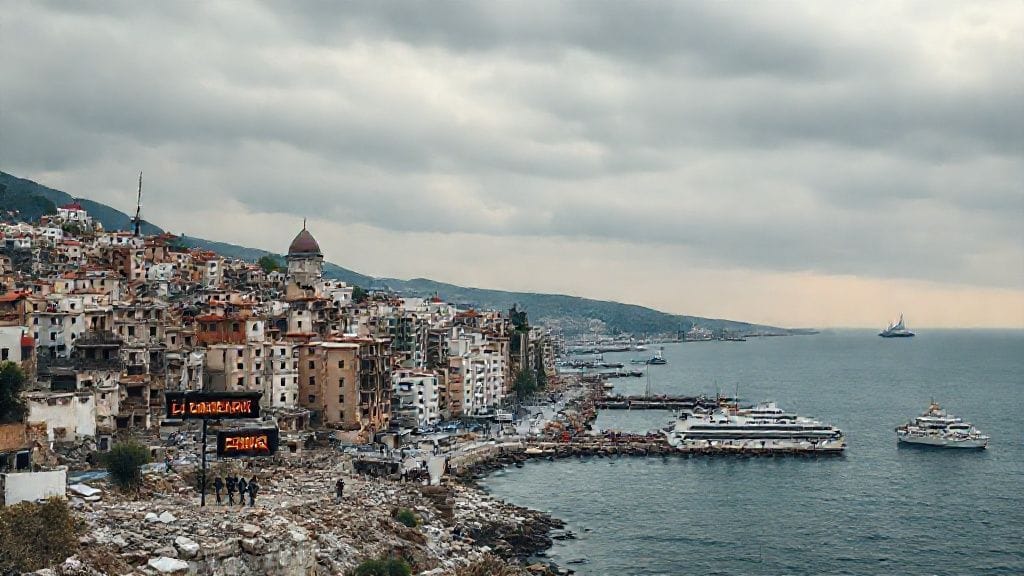
The human cost revealed itself in hours and days as the dust settled. Over 100 people died and more than 1,000 were injured. İzmir’s Bayraklı district bore the brunt of the destruction with multiple building collapses trapping hundreds beneath rubble.
Rescue workers faced daunting challenges locating victims amidst precarious ruins under the threat of aftershocks. Across the border, Samos mourned the loss of two lives, a stark reminder that natural disasters indifferently traverse human frontiers.
Seismic Science: Understanding the Mechanics of the İzmir–Samos Earthquake
Experts quickly identified the fault movement as a strike-slip rupture along a segment of the fault zone, slipping horizontally rather than vertically. This type of movement often produces violent shaking but fewer surface ruptures.
Seismologists praised the rapid data sharing between Turkish and Greek institutions, enabling better understanding of the event in near real-time. However, the earthquake’s complexity underscored the ongoing challenge of predicting and mitigating seismic risk in this geologically volatile region.
Cross-Border Tremors: The Earthquake’s Reach from Turkey to Greece
Despite political tensions between Greece and Turkey, this earthquake was a grim shared reality. Both nations experienced tremors that disrupted transport, utilities, and daily lives.
The damage revealed vulnerabilities on both sides: aging infrastructure, unregulated construction, and inadequate preparedness amplified the earthquake’s effects. Yet, the quake also highlighted how natural disasters can bridge divides—prompting moments of empathy and cooperation amid political discord.
Eyewitness Accounts: Voices from the Rubble
In the heart of İzmir, Jale, a schoolteacher, described the terror she felt as the walls of her apartment crumbled. “I thought I wouldn’t escape,” she said, tears welling. “The noise—like thunder breaking inside the building—haunts me still.”
On Samos, a fisherman recalled how the sea suddenly withdrew before a powerful tsunami wave struck the coast, destroying waterfront homes and docks. “The ocean turned angry; it was like watching a nightmare unfold,” he said.
These human stories illustrate the emotional gravity behind the statistics and tectonic jargon.
Emergency Response: Challenges on Both Sides of the Aegean
Rescue efforts began immediately, mobilizing firefighters, medical teams, and volunteers. In İzmir, thousands participated in a frantic race against time to find survivors beneath collapsed concrete.
Yet bureaucratic delays, limited resources, and ongoing aftershocks posed enormous obstacles. Greek authorities simultaneously launched search and rescue and emergency aid for Samos.
The logistical demands revealed fragile readiness for a disaster of this scale, fueling calls for improved disaster management systems.
Urban Vulnerability: İzmir’s Architecture and the Cost of Construction Choices
In the aftermath, investigations attributed much of the destruction to poor construction standards. Many buildings in the Bayraklı district had been erected without adequate seismic reinforcements, violating regulations.
This raised painful questions about oversight, corruption, and urban planning in rapidly growing Turkish cities. The earthquake brutally exposed inequalities: while some modern high-rises withstood the shaking, cheaper, hastily built apartment blocks turned tombs.
The Beaches and Streets of Samos: Facing Nature’s Wrath
In contrast to İzmir’s urban havoc, Samos suffered coastal damage linked to earthquake-induced tsunami waves. Fishermen’s wharves were submerged, and narrow village streets flooded.
The event revived old fears in islanders accustomed to seismic history but reliant on fragile tourism economies. Public infrastructure—roads, power lines—was battered, complicating relief efforts and recovery.
Aftershocks and Anxiety: The Lingering Threat Below the Surface
For weeks, aftershocks rattled both İzmir and Samos, some close to magnitude 5. These tremors forced thousands from their homes, intensified psychological trauma, and delayed reconstruction.
The persistent underground restlessness reminded citizens: the earth’s wounds had not healed, and the risk of further quakes loomed ominously.
Media Narratives: The Earthquake in Turkish and Greek Press
National media portrayed the earthquake with contrasting emphases. Turkish outlets focused on rescue heroics, government response, and the rebuilding promise.
Greek media highlighted the solidarity extended to Samos and criticized local disaster preparedness. Social media amplified immediate eyewitness reports and fostered cross-border messages of support, underscoring a shared human experience beyond politics.
Political Ramifications: Disaster Diplomacy in Times of Tension
Despite lingering disputes over maritime borders and regional influence, the earthquake temporarily softened antagonisms. Turkish and Greek officials exchanged condolences and coordinated aid efforts—small but critical steps towards tentative dialogue.
Yet some politicians exploited the tragedy for nationalistic rhetoric, revealing how natural calamities can be weaponized even as they demand cooperation.
Human Stories of Survival and Loss
Stories of miraculous rescues amidst rubble, neighbors risking their lives for strangers, and families torn apart by destruction circulated widely.
One survivor described being pulled from debris after 65 agonizing hours, a testament to human resilience. Meanwhile, countless others faced the raw despair of lost loved ones and ruined homes.
Recovery and Reconstruction: A Test of Resilience
As the immediate crisis passed, the daunting task of rebuilding began. In İzmir, large-scale demolition and reconstruction projects were launched, raising hopes but also fears of displacement.
Efforts to retrofit buildings and educate the public on seismic safety gained urgency. On Samos, restoring tourism infrastructure was a priority, highlighting the fragile economic balance on the island.
Earthquake Preparedness: Lessons Learned and Overlooked
The 2020 İzmir–Samos earthquake revived debates on disaster readiness. Despite previous catastrophes, gaps in early warning systems, building codes enforcement, and public education persisted.
Experts called for enhanced cross-border cooperation, greater investment in science, and more rigorous urban regulations to minimize future losses.
Comparing İzmir–Samos with Past Regional Earthquakes
The event was one of the deadliest in recent decades but bore similarities to earlier quakes in scale and impact.
Unlike the 1999 İzmit earthquake, which was more devastating, İzmir–Samos highlighted vulnerabilities in smaller urban centers and island communities, broadening the focus for risk mitigation.
Science and Future Risks: Mapping the Aegean’s Seismic Future
Seismologists warn that the Aegean Sea region remains one of the most earthquake-prone areas globally. Continuous monitoring and research are essential to refine hazard maps and inform preparation strategies.
Emerging technologies such as satellite deformation tracking offer new hope for early detection and risk forecasting.
The Emotional Undercurrent: Collective Trauma and Memory
Beyond statistics lies a profound psychological impact. Communities recount trauma passed down through generations, shaping local narratives and identities.
Cultural memory of earthquakes influences architecture, festivals, and even daily behaviors—reminders that the land itself bears witness to human fragility.
International Aid and Solidarity: Aegean Nations Unite?
The disaster prompted offers of international assistance from neighboring countries and global organizations.
While aid was welcomed, it also revealed political sensitivities in regional relationships. The earthquake momentarily united a fractured region, hinting at possibilities for broader humanitarian collaboration.
Cultural Impact: How the Earthquake Reshaped Local Identity
In the aftermath, art, literature, and public commemorations emerged in tribute to those lost.
The earthquake became a new chapter in the collective story of İzmir and Samos, inspiring conversations about resilience, environment, and coexistence with nature.
Long-Term Economic Consequences for İzmir and Samos
Rebuilding required massive financial investment, straining municipal budgets and national resources.
Small businesses, many already hit by the global pandemic, faced uncertainty. Tourism-dependent Samos saw immediate downturns, threatening livelihoods and long-term sustainability.
These economic ripples remind us that natural disasters transcend physical destruction—they reshape prosperity.
The Role of Technology in Disaster Management
The event accelerated the adoption of technology in seismic risk management.
From drone-assisted search and rescue to mobile apps for emergency alerts and crowd-sourced damage reports, innovation played a vital role and will be crucial moving forward.
Looking Forward: Building a Safer Aegean for Tomorrow
The İzmir–Samos earthquake was a painful reminder of nature’s unpredictable force and humanity’s vulnerabilities. Yet it also highlighted the potential for science, solidarity, and determination to protect future generations.
Investing in resilient infrastructure, fostering cross-border cooperation, and empowering communities lie at the heart of building a safer Aegean basin—where ancient tides of history meet the urgent needs of the future.
Conclusion
The İzmir–Samos earthquake of October 30, 2020, was more than a seismic event; it was a human drama etched into the collective memory of two nations intertwined by geography, history, and shared fate. It shattered lives and landscapes within moments—yet it also revealed resilience beneath the ruins.
The disaster underscored how ancient earth forces continue to shape our modern world, bringing tragedy and teaching, grief and solidarity. In İzmir’s crumbled streets and Samos’s battered shores rose stories of loss and survival, courage and compassion.
May this tragedy kindle not only our fear but our determination—to learn from the past, to heal with empathy, and to build a future where nature’s tremors need not always mean defeat.
FAQs
Q1: What caused the İzmir–Samos earthquake?
A1: The earthquake was caused by a strike-slip movement along a fault in the Aegean Sea—a region where the Eurasian and African tectonic plates interact. This tectonic setting makes it one of the most seismically active zones in the world.
Q2: How strong was the earthquake and how deep did it occur?
A2: The earthquake measured 6.9 on the Richter scale and occurred at a shallow depth of around 16 kilometers, which amplified its damaging effects on İzmir and Samos.
Q3: What were the immediate human and material consequences?
A3: Over 100 people were killed, more than 1,000 injured, and thousands of buildings damaged or destroyed. İzmir suffered significant urban destruction, while Samos experienced coastal damage and a tsunami wave.
Q4: How did the two countries respond to the disaster?
A4: Both Turkey and Greece launched emergency response operations, rescue missions, and mutual aid offers despite existing political tensions, showing moments of cooperation in the face of shared adversity.
Q5: What lessons were learned regarding disaster preparedness?
A5: The earthquake exposed deficiencies in building codes enforcement, urban planning, and emergency response readiness—prompting calls for stronger regulations, public education, and cross-border collaboration.
Q6: How has the earthquake influenced the region’s cultural memory?
A6: It added a poignant chapter to the collective memory of both İzmir and Samos, inspiring memorial activities, artistic expression, and renewed awareness of the persistent risks of living in a seismically active zone.
Q7: What role did technology play during and after the earthquake?
A7: Technologies such as rapid seismic data sharing, drone surveys, mobile alerts, and social media were crucial for rescue, communication, and coordination efforts, pointing to their growing importance in future disaster management.
Q8: What are the prospects for future seismic risk reduction in the Aegean?
A8: Continued scientific research, improved early warning systems, stricter construction standards, and enhanced regional cooperation are essential to mitigating the impact of future earthquakes in this volatile zone.