Table of Contents
- The Stillness Before the Quake: Dawn on October 26, 2015
- Afghanistan’s Rugged Heart: The Bamyan and Hindu Kush Regions
- Tectonic Tensions: Understanding the Earth Beneath Afghanistan
- The Seismic Shockwave: How the Earth Trembled on That Autumn Morning
- Villages Shaken: The Immediate Aftermath in Bamyan Province
- Rescue Efforts Against the Odds: Challenges in a Mountainous Terrain
- Voices from the Rubble: Eyewitness Accounts of the Earthquake
- The Toll in Numbers: Casualties, Injuries, and Displacements
- Infrastructure, Heritage, and Hope: Damage to Bamyan’s Cultural Landscape
- Humanitarian Response: Aid, Relief Operations, and International Involvement
- Political Undercurrents in Crisis: Governance and Coordination
- Afghanistan’s Fragile Stability Tested Once More
- The Stories Left Untold: Personal Loss and Community Resilience
- Lessons from the Quake: Preparedness in a Vulnerable Nation
- The Earth Never Forgets: Long-Term Reconstruction and Memory
- Bamyan’s Revival: From Ruin to Reconstruction
- Scientific Insights: What the 2015 Earthquake Taught Seismologists
- Reflections on Nature’s Fury and Human Tenacity
- The Bamyan Earthquake in the Global Context of Natural Disasters
- Conclusion: Between Ruin and Rebirth—Afghanistan’s Enduring Spirit
- FAQs: Understanding the 2015 Bamyan–Hindu Kush Earthquake
- External Resource
- Internal Link
1. The Stillness Before the Quake: Dawn on October 26, 2015
The first light of October 26, 2015, stretched softly over Afghanistan’s rugged Bamyan province. The chill of the early autumn morning was palpable as villagers stirred amid the ancient cliffs where Buddhist statues once gazed serenely over the valleys. The air was crisp, yet beneath this tranquility, a restless tension simmered deep within the earth. For a moment, the world held its breath.
Then, without warning, the deafening roar shattered the morning calm. Mountains trembled; homes collapsed. The very ground beneath the Hindu Kush rattled with a force that few had ever experienced. The earth was alive—and it was furious.
This was the Bamyan–Hindu Kush earthquake of 2015, an event that would mark the nation’s recent history with tragedy, resilience, and a poignant reminder of humanity’s fragile place upon the tectonic stage. It was not merely a natural disaster; it was a human drama etched in stone and soil.
2. Afghanistan’s Rugged Heart: The Bamyan and Hindu Kush Regions
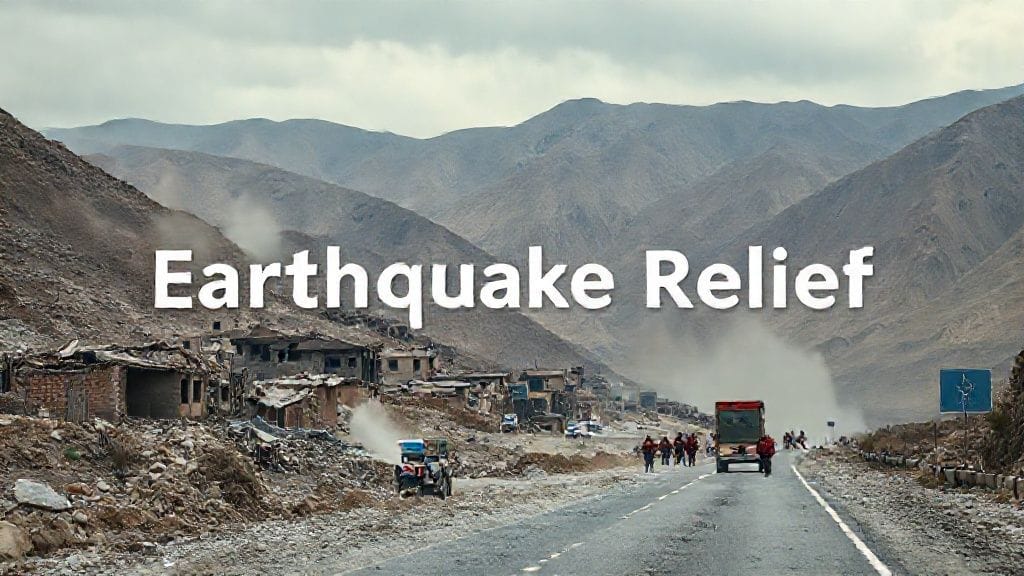
Nestled amidst the towering Hindu Kush Mountains, Bamyan province stands as a remote jewel in Afghanistan’s central highlands. Known for its breathtaking landscapes and as the cradle of ancient Buddhist civilization, Bamyan juxtaposes spiritual heritage with the stark realities of mountainous life. Its villages are perched precariously on slopes, connected by dirt roads that wind like veins through rocky canyons.
Further east, the Hindu Kush range dominates not only the geography but also the psyche of a nation that has endured centuries of upheaval. This mountain chain is the northwestern extension of the mighty Himalayas, a formidable natural barrier shaped by agonizing geological forces. The people here are hardened by altitude and history, living with a dignity carved from weather and war alike.
But beneath this dramatic scenery lurks a persistent threat: seismic volatility. The geological setting of Bamyan and the Hindu Kush is a zone of constant movement, where the Indian Plate collides with the Eurasian Plate. This clash, slow but inexorable, teaches harsh lessons in destruction and rebirth.
3. Tectonic Tensions: Understanding the Earth Beneath Afghanistan
Afghanistan sits astride one of the planet’s most complex and active tectonic intersections. The Indian tectonic plate presses northward into the Eurasian plate at a rate of several centimeters per year, a collision that has given birth to the towering Himalayas and, by extension, the Hindu Kush.
The process is relentless and stochastic—energy accumulates along fault lines, then releases suddenly in seismic jolts of varying magnitudes. The Bamyan–Hindu Kush region is notorious for such activity, with a recorded history of earthquakes causing significant devastation. Yet, the remoteness and limited infrastructure have often rendered scientific monitoring and disaster preparedness severely inadequate.
This 2015 quake, registering a magnitude of 7.5 according to the United States Geological Survey (USGS), was one of the strongest to hit the region in decades. Its depth—approximately 210 kilometers—was notable, classifying it as a deep-focus earthquake, which while often less destructive at the surface than shallow quakes, still unleashed powerful tremors over a vast area.
4. The Seismic Shockwave: How the Earth Trembled on That Autumn Morning
Minutes before 11 a.m. local time, the earth suddenly convulsed. The epicenter lay roughly 45 kilometers north-northeast of the provincial capital Bamyan, though the tremors extended far beyond. Throughout large swathes of northern and central Afghanistan, residents felt the ground ripple beneath their feet. Neighboring countries like Pakistan, Tajikistan, and India also recorded the tremors.
In the mountain villages, homes built of mud and stone crumbled like sandcastles. Livestock panicked; children screamed; elders clasped their chests as they braced for the worst. Across the highlands, dust clouds rose from landslides and collapsed cliffs, masking the blue sky.
For many, it was the earth’s merciless reminder of its own age-old power, indifferent to borders, politics, or human endeavor.
5. Villages Shaken: The Immediate Aftermath in Bamyan Province
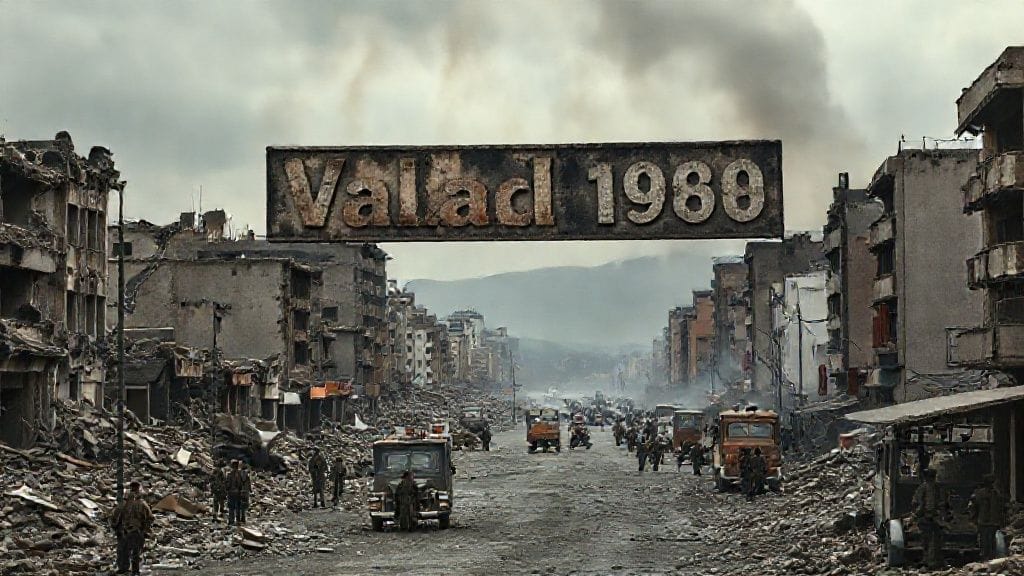
When the shaking ceased, a stunned silence blanketed Bamyan’s valleys. Entire villages were transformed almost overnight—homes lay in ruins, roads fragmented, and the lifelines to the outside world severed. Particularly hard hit were the rural communities that depended on subsistence agriculture and pastoralism, their fragile existence now perilously unbalanced.
Reports soon emerged of collapsed schools and clinics, disrupting essential services. A critical concern was the fateful timing of the quake—occurring on a weekday morning when many were congregated indoors.
But even amidst devastation, the enduring spirit of Bamyan’s people flickered, as families counted losses and searched desperately for loved ones trapped beneath the rubble.
6. Rescue Efforts Against the Odds: Challenges in a Mountainous Terrain
Afghanistan’s already fragile infrastructure posed immense obstacles to rescue efforts. With many roads impassable due to landslides, and communication networks hampered, getting aid to affected zones became a race against time.
Local authorities, overwhelmed and under-resourced, called for international assistance. Humanitarian teams scrambled to mobilize supplies, medical aid, and search and rescue units. Helicopters—when weather and security allowed—became lifelines, ferrying doctors and blankets over the inaccessible terrain.
Yet, amid the chaos, stories emerged of neighbors and villagers mobilizing their strength to pull survivors from the wreckage with bare hands—a testament to human solidarity in the direst circumstances.
7. Voices from the Rubble: Eyewitness Accounts of the Earthquake
"I was in the kitchen making bread,” recalled one woman from the outskirts of Bamyan city. “Suddenly, everything shook violently. The walls cracked, and then the roof fell. We barely escaped."
A schoolteacher described her students’ terror: “Children screamed and dove under desks, holding tightly to each other. After the shaking stopped, many were too frightened to return home.”
A local shepherd, caught in the mountains, narrated from the frozen heights: “The rockfalls blocked my path for hours. Only when the shaking stopped could I find my way back to the village.”
These narratives bring a human face to the abstract forces of geology: fear, loss, and the struggle to survive.
8. The Toll in Numbers: Casualties, Injuries, and Displacements
Official tallies are always contested in disaster zones, but estimates indicated that more than 300 lives were lost in Bamyan province and surrounding areas. Injuries numbered in the thousands, with many victims suffering from fractures, head wounds, and hypothermia as the October chill deepened.
Thousands of families lost their homes, forced to seek shelter in makeshift camps amid harsh weather. The quake also triggered widespread displacement, adding to Afghanistan’s already significant population of internally displaced persons due to decades of conflict.
These figures, stark and cold, nonetheless mask the profound human tragedies endured—the widows, orphans, and communities irrevocably changed.
9. Infrastructure, Heritage, and Hope: Damage to Bamyan’s Cultural Landscape
Bamyan is world-renowned for its ancient cultural heritage. The colossal Buddhas of Bamyan, destroyed by the Taliban in 2001, were emblematic of a deeper history etched into caves and cliffs. Though the statues were gone, the area’s archaeological significance remained a beacon of hope.
The earthquake caused cracks in historical sites and threatened collapse of fragile caves and corridors. Infrastructure such as schools, health clinics, and government offices sustained heavy damage.
Yet, curiously, the quake also reawakened international awareness of Bamyan’s treasures and need for preservation—a silver lining amid destruction.
10. Humanitarian Response: Aid, Relief Operations, and International Involvement
The catastrophe prompted swift reactions from global agencies: the United Nations, Red Cross, and many NGOs deployed aid workers and mobilized emergency supplies.
Priority was given to medical care, shelter, clean water, and food distribution. International donors pledged millions of dollars, but logistical challenges and security concerns hampered full-scale operations.
Afghanistan’s ongoing conflict and fragile governance complicated coordination, leaving many remote areas underserved.
However, the crisis underscored a crucial dynamic: the necessity of international solidarity in a world increasingly vulnerable to natural disasters.
11. Political Undercurrents in Crisis: Governance and Coordination
The earthquake exposed the limitations of Afghanistan’s institutional capacities. Reporting delays and confusion characterized the initial period.
Political leaders faced pressure to demonstrate competence while juggling endemic insecurity and poverty. The government’s coordination with international actors fluctuated, sometimes strained by mistrust.
Critics argued that long-term disaster preparedness was insufficient and urged reforms to build greater resilience.
The quake was not just a geological event—it was a test of Afghanistan’s political and administrative fabric.
12. Afghanistan’s Fragile Stability Tested Once More
In a nation battling war, political fracturing, and socio-economic challenges, the earthquake inserted a new layer of complexity. The trauma exacerbated vulnerabilities, raising fears of social fragmentation and increased hardship.
Yet, it also revealed the country’s capacity for endurance and community cohesion—qualities nurtured by decades of survival.
The scale of the disaster was modest compared to the conflict itself, but in its aftermath, the quake became a metaphor for Afghanistan's enduring struggle: battered by forces beyond control, yet unbowed.
13. The Stories Left Untold: Personal Loss and Community Resilience
Beyond official records, countless stories remain silent. Families shattered, elders mourning lost grandchildren, and young children grappling with a world that had suddenly shifted beneath them.
But resilience, too, was woven into these tales. Neighbor helped neighbor; communal rituals of mourning and rebuilding began within days.
A woman in a temporary shelter said quietly, “We have lost much, but we will rebuild—because this land is our heartbeat.”
It is within these human threads that history’s deepest meaning is found.
14. Lessons from the Quake: Preparedness in a Vulnerable Nation
The 2015 Bamyan–Hindu Kush earthquake exposed glaring gaps in disaster readiness. Emergency response plans were outdated, early warning systems rudimentary, and public awareness limited.
Experts advocated for investment in seismic monitoring, infrastructure reinforcements, and education campaigns.
This event underscored a universal truth: in a world where natural disasters are inevitable, preparation can spell the difference between catastrophe and survival.
For Afghanistan, the path ahead involved not just rebuilding walls but envisaging a safer future.
15. The Earth Never Forgets: Long-Term Reconstruction and Memory
Slowly, reconstruction efforts began. Villages were rebuilt, clinics reopened, roads repaired. International partnerships sought to harmonize aid with local needs and culture.
Memorials to the earthquake’s victims emerged, serving as reminders of the fragility and strength that define human existence.
This process is ongoing—both a practical necessity and a spiritual journey toward healing.
16. Bamyan’s Revival: From Ruin to Reconstruction
Today, Bamyan is a testament to renewal. Schools reopen, markets buzz anew, and the soft hum of daily life returns to the mountain valleys.
Tourism, slowly resurging, brings a hopeful future, promising economic revival linked to the province’s natural beauty and cultural heritage.
The earthquake’s scars remain, yet they coexist with the indomitable spark of life.
17. Scientific Insights: What the 2015 Earthquake Taught Seismologists
From a geophysical perspective, the earthquake offered valuable data on deep-focus seismicity, fault mechanics, and regional tectonics.
The event challenged pre-existing models and urged the development of more comprehensive monitoring networks.
Such knowledge not only enhances scientific understanding but potentially improves global preparedness elsewhere.
18. Reflections on Nature’s Fury and Human Tenacity
The Bamyan–Hindu Kush earthquake reminds us that Earth’s ancient forces transcend borders and politics, reshaping landscapes and lives in moments.
Yet it also reveals humanity’s capacity to confront devastation with courage, solidarity, and hope.
Between ruin and rebirth lies a story as old as time—a tale that Bamyan’s mountains now carry forward.
19. The Bamyan Earthquake in the Global Context of Natural Disasters
In 2015, the world witnessed numerous catastrophic earthquakes—the Nepal tragedy being foremost among them. The Bamyan event, quieter in global headlines, was nonetheless a crucial chapter in the ongoing struggle against nature’s unpredictability.
It highlighted unique challenges faced by conflict-affected and mountainous regions, reminding the international community of the need for tailored approaches in disaster risk reduction.
20. Conclusion: Between Ruin and Rebirth—Afghanistan’s Enduring Spirit
The Bamyan–Hindu Kush earthquake of October 26, 2015, was a defining moment—a stark collision of geology and humanity. It exposed vulnerabilities yet revealed fortitude. Beneath the dust and despair, a collective will to rebuild and renew emerged.
In the shadow of the trembling earth, Afghanistan’s heart still beats—steadfast, resilient, and hopeful.
Conclusion
The story of the Bamyan–Hindu Kush earthquake is not one simply of destruction but of enduring spirit. It is an evocative reminder that, despite all the forces that aim to fracture societies—whether natural or man-made—the human capacity to bear witness, to grieve, and to rebuild endures, often in the most remote corners of the earth.
The mountains that once shuddered now stand as silent sentinels to lives lost and lives reclaimed. For Bamyan and Afghanistan at large, the earthquake carved a painful chapter but also laid the foundation for renewed hope—a testament to the fragility and strength that define the human condition.
FAQs
Q1: What caused the Bamyan–Hindu Kush earthquake in 2015?
The quake was caused by tectonic movements along the collision zone where the Indian Plate presses against the Eurasian Plate, resulting in the release of accumulated strain deep beneath the Hindu Kush mountain range.
Q2: How powerful was the earthquake?
The earthquake registered a magnitude of 7.5, making it one of the stronger events in the region in recent history. It was a deep-focus earthquake, occurring nearly 210 kilometers beneath the surface.
Q3: Which areas were most affected by the earthquake?
Bamyan province in central Afghanistan was the hardest hit, along with parts of neighboring provinces. The quake’s tremors were also felt in adjoining countries like Pakistan, Tajikistan, and India.
Q4: What were the main challenges faced during rescue and relief operations?
Difficult mountainous terrain, damaged infrastructure, limited communication networks, and ongoing security concerns impeded timely delivery of aid and support to remote communities.
Q5: How did the earthquake impact Afghanistan’s cultural heritage?
Some historical sites and caves in Bamyan sustained damage, threatening the remaining cultural relics of the region. The event heightened international focus on the need to protect and preserve Afghanistan’s rich heritage.
Q6: What lessons were learned regarding disaster preparedness?
The quake revealed significant gaps in early warning systems, emergency response capacity, and public awareness, prompting calls for investments in disaster risk management and infrastructure resilience.
Q7: How has Bamyan province recovered since the earthquake?
Reconstruction efforts have gradually restored homes, public buildings, and roads. Economic activities, including tourism, have shown signs of revival, though challenges remain.
Q8: How does the Bamyan earthquake fit into the wider picture of global natural disasters?
Though less publicized than other 2015 earthquakes, Bamyan’s event underscores the vulnerability of mountainous and conflict-affected regions, highlighting the importance of tailored disaster response and international solidarity.