Table of Contents
- A Shattering Dawn: The Bamyan Earthquake Unfolds
- The Historical Heart of Bamyan: A Storied Landscape
- The Geology of Disaster: Why Bamyan’s Faults Stirred
- The Tremors Begin: January 11, 2024, at 10:42 AM
- Voices from the Rubble: Eyewitness Accounts
- The Ancient Monuments at Risk: Cultural Heritage in Peril
- Immediate Aftermath: Chaos, Fear, and Confusion
- Human Toll: Counting the Dead and the Displaced
- Emergency Response in a Land of Challenge
- The Role of the Afghan Government and Local Authorities
- International Aid and the Logistical Maze
- Rebuilding Bamyan: Plans, Promises, and Reality
- The Psychological Wounds: Trauma Beyond the Physical
- The Earthquake’s Impact on Infrastructure and Economy
- Natural Disasters in Afghanistan: A Historical Context
- The Resilience of Bamyan’s People: Stories of Survival and Hope
- Environmental Consequences: Landslides and Water Sources
- Political Ramifications in a Fragile State
- Media Coverage: From Local Radios to Global Headlines
- Bamyan’s Earthquake in the Global Context of 2024
- Lessons Learned and Future Preparedness
- Remembering the Lost: Commemoration and Memory
- Cultural Revival or Decline: The Fate of Bamyan’s Heritage
- Conclusion: The Enduring Spirit of a City that Shook
- FAQs: Answering the Most Pressing Questions
1. A Shattering Dawn: The Bamyan Earthquake Unfolds
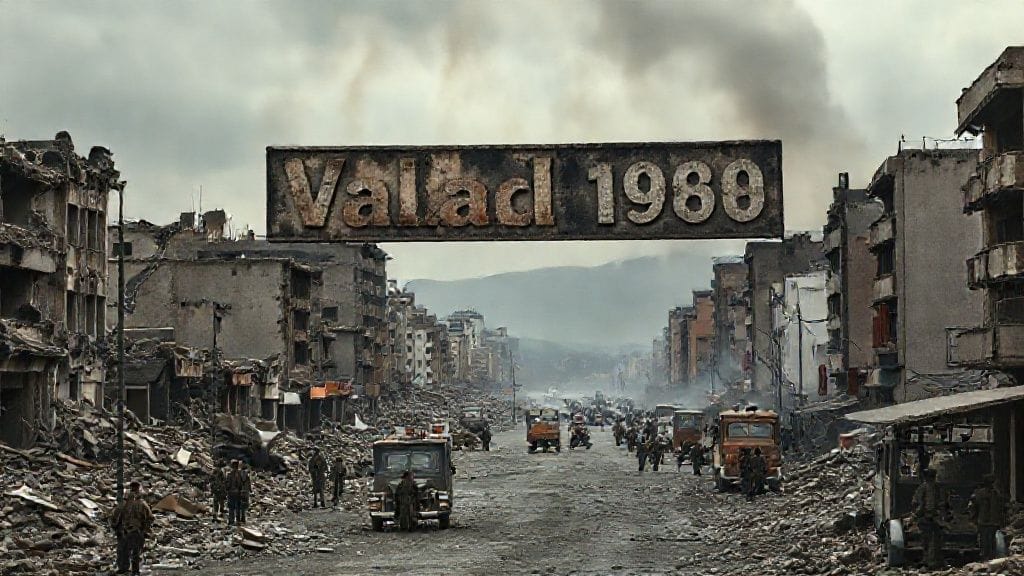
It was a brittle morning in Bamyan, where the first flickers of winter light stretched timidly across the jagged peaks of the Hindu Kush. For many, January 11, 2024, began like any other cold day in this ancient valley. Yet, in the blink of an eye, the earth betrayed its silent vigil. A ruthless tremor shattered the fragile calm, ripping through the mountains with a violence unseen in decades. The ground heaved, houses crumbled, and lives were forever altered. In those chaotic seconds, Bamyan’s world was transformed beneath dust clouds and crumbled stone—a city caught between history and catastrophe.
2. The Historical Heart of Bamyan: A Storied Landscape
Bamyan is more than a geographical location; it is a repository of millennia of history and culture. The valley, nestled in central Afghanistan, was a crucial junction on the Silk Road, where caravans once passed and ideas mingled across Asia and the Mediterranean. The site is famed for its giant Buddha statues—monuments carved into cliffs in the 6th century that stood witness to both the flourishing and the destruction of civilizations. Bamyan’s layered past, with its Buddhist, Islamic, and nomadic imprints, forms a tapestry of resilience and transformation that adds a profound sorrow to the earthquake’s damage.
3. The Geology of Disaster: Why Bamyan’s Faults Stirred
Bamyan's landscape is shaped by the relentless tectonic battle where the Indian continental plate presses north against the Eurasian plate. This collision creates immense geological stress, stored over centuries along fault lines buried beneath glaciers and rocky ridges. This intricate fault system, relatively obscure to the world but well known to local seismologists, was the source of the quake’s devastating power—a magnitude 6.6 event that unleashed pent-up energy in a sudden, earth-shaking rupture.
4. The Tremors Begin: January 11, 2024, at 10:42 AM
At precisely 10:42 AM local time, the earth’s crust jolted violently. Buildings that had stood for generations—some made of adobe, others from more modern concrete—viibrated uncontrollably. The shaking lasted nearly 45 seconds, an eternity for those trapped beneath the debris. Villages surrounding Bamyan faced the brunt, many reduced to rubble within minutes. For a region with scarce warning systems and limited civil infrastructure, the event was catastrophic almost from the outset.
5. Voices from the Rubble: Eyewitness Accounts
“I was sitting by the fire when the ground moved like a wave,” recounts Gulalai, a young mother who lost her home. “We ran outside just in time to see our village dissolve into dust.” Another survivor, Mullah Ahmad, an elder from the nearby district of Waras, speaks with solemn gravity: “Many children were trapped, screaming. It was a nightmare we wish never to relive.” These personal testimonies reveal the raw human experience beneath the statistics, the fear, and the hope flickering amid devastation.
6. The Ancient Monuments at Risk: Cultural Heritage in Peril
While the human toll was heartbreaking, the quake also dealt a blow to Bamyan’s priceless heritage. The historic Buddha niches, already fragile after years of conflict and prior destruction, endured landslides that threatened the integrity of the cliffs. Conservationists fear the loss of irreplaceable artifacts. The UNESCO World Heritage site stood at an uncertain crossroads—would the world step forward to save one of humanity’s great cultural treasures?
7. Immediate Aftermath: Chaos, Fear, and Confusion
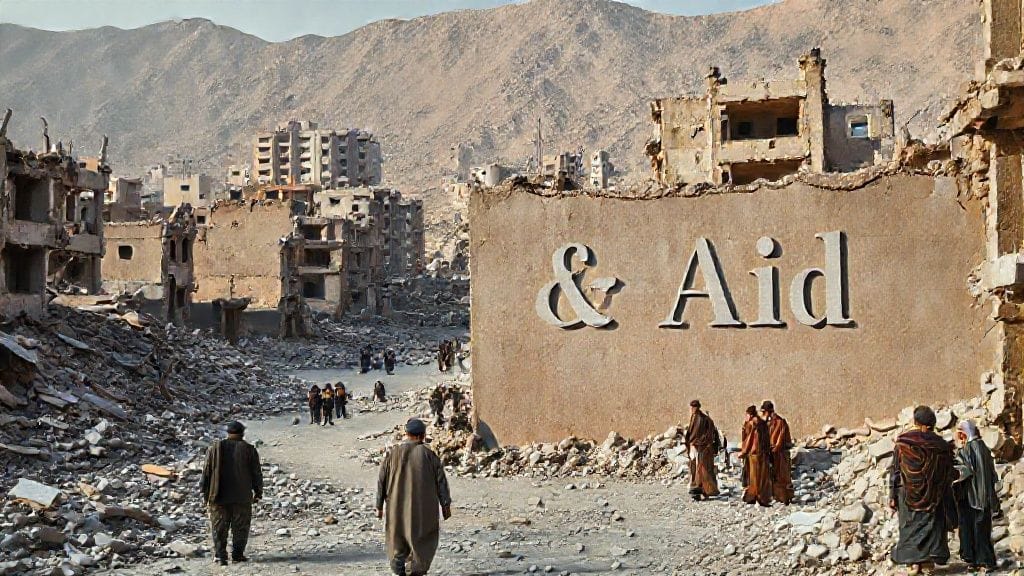
In the quake’s immediate aftermath, the valley was shrouded in dust and despair. Roads cracked and became impassable; electricity and communication lines were severed. Panic surged as survivors searched for loved ones amid the wreckage. There was no central command, no alert system fast enough to coordinate effective rescue. As the hours passed, frustration mounted. Rumors and misinformation intensified the psychological fog.
8. Human Toll: Counting the Dead and the Displaced
Initial reports estimated over 1,500 casualties, with thousands more injured or missing. Entire families vanished in landslide-hit villages. Displacement swelled as survivors sought refuge in makeshift camps on frozen ground, exposed to bitter winter winds and scarce resources. Children, the elderly, and the sick were particularly vulnerable, highlighting the immense humanitarian challenge faced by authorities and aid groups.
9. Emergency Response in a Land of Challenge
Afghanistan’s historic instability complicated rescue and relief efforts. The rugged terrain delayed the arrival of national teams; roads were broken or blocked by debris. Nonetheless, local communities organized spontaneously, digging through rubble with bare hands before aid could arrive. The heartbeat of Bamyan’s survival was found here—in the spirit of solidarity forged from centuries of hardship.
10. The Role of the Afghan Government and Local Authorities
The government sought to mobilize limited resources, dispatching teams from Kabul and neighboring provinces. Yet, chronic underfunding and conflict constrained operations. Officials issued urgent appeals for international assistance, trying to balance immediate rescue with longer-term recovery while navigating political tensions that underscored Afghanistan’s fragile governance landscape.
11. International Aid and the Logistical Maze
Humanitarian organizations, including the Red Crescent, UN agencies, and NGOs, rapidly deployed in an unprecedented joint effort. Airlifts of tents, food, and medical supplies began, but the mountain passes’ winter snows and Taliban checkpoints complicated logistics. Coordination among stakeholders tested diplomacy and operational efficiency, revealing both the strength and limitations of global disaster response frameworks.
12. Rebuilding Bamyan: Plans, Promises, and Reality
With rescue efforts transitioning to reconstruction, the question loomed: how to restore Bamyan without erasing its identity? International donors pledged billions for infrastructure and housing, but the task was fraught with challenges—from bureaucratic hurdles to ensuring community participation. The hope was to build “back better,” embedding seismic-resistant designs and sustainable development principles, yet fears of corruption and mismanagement shadowed the process.
13. The Psychological Wounds: Trauma Beyond the Physical
Beneath the rubble of Bamyan lay not only bricks but also deep psychological scars. Survivors exhibited symptoms of grief, anxiety, and post-traumatic stress disorder. Mental health services, historically scarce in Afghanistan, were activated through local volunteers and NGOs aiming to provide counseling and community-based support. Healing, it was clear, would demand more than rebuilding walls—it would require rebuilding lives.
14. The Earthquake’s Impact on Infrastructure and Economy
The physical damage extended beyond homes: hospitals, schools, and roads were severely damaged. Agriculture, the mainstay of the local economy, suffered extensive losses due to landslides and broken irrigation channels. Markets shuttered, and supply chains fractured, driving food prices up and deepening the region’s poverty. Bamyan’s economic pulse was faint, demanding not just reconstruction but revitalization.
15. Natural Disasters in Afghanistan: A Historical Context
Afghanistan has long reposed on tectonic unrest and harsh environments, facing droughts, floods, and earthquakes. Yet, the Bamyan quake was one of the deadliest in recent decades, bringing global focus to a country often overshadowed by conflict. Recognition grew that natural disaster preparedness must become a pillar of development and security strategies.
16. The Resilience of Bamyan’s People: Stories of Survival and Hope
Despite overwhelming loss, stories emerged of forethought and courage. Teachers opened schools in tents; farmers shared seeds and tools; women organized food distributions. This resilience, rooted in community cohesion and centuries of endurance, was Bamyan’s truest legacy—a testament that even in shaking ground, human spirit endures.
17. Environmental Consequences: Landslides and Water Sources
The quake triggered massive landslides that altered the valley’s topography, blocking rivers and threatening water supplies. These environmental shifts heightened the risk of secondary disasters such as floods and waterborne diseases. Efforts began to monitor the fragile mountain ecosystem, understanding that nature’s recovery would be intertwined with Bamyan’s own.
18. Political Ramifications in a Fragile State
In Afghanistan’s complex political landscape, the disaster became a moment of both crisis and opportunity. The Taliban-led administration faced scrutiny for its response capacity, while opposition groups and international actors debated aid distribution. The earthquake underscored the intersections between natural catastrophe and political fragility in this fractured nation.
19. Media Coverage: From Local Radios to Global Headlines
From local radio broadcasts to international news agencies, the Bamyan earthquake captured the world’s attention. Social media amplified voices previously unheard, while images of destruction and recovery spread rapidly. This coverage energized diaspora communities and donors but also raised ethical questions about representation and narrative ownership.
20. Bamyan’s Earthquake in the Global Context of 2024
Amid a year marked by climate crises, international conflict, and humanitarian emergencies, Bamyan’s earthquake was a poignant reminder of the earth’s unpredictable force. It tested global solidarity and exposed gaps in disaster preparedness in conflict zones, urging renewed commitments to vulnerable populations worldwide.
21. Lessons Learned and Future Preparedness
Experts called for strengthening Afghanistan’s seismic monitoring networks, developing early warning systems, and investing in resilient infrastructure. Community education on disaster risks gained momentum, recognizing that survival depends not only on response but on preparedness. Bamyan’s tragedy became a catalyst for long-overdue reforms.
22. Remembering the Lost: Commemoration and Memory
Memorials arose across Bamyan—modest shrines, ceremonies marking anniversaries, and efforts to record stories of the lost. This collective remembrance was both an act of mourning and a beacon for future generations, sealing the earthquake not only as a moment of destruction but as a chapter in the valley’s enduring narrative.
23. Cultural Revival or Decline: The Fate of Bamyan’s Heritage
The disaster sparked a debate about Bamyan’s cultural future. Could the international community rally enough resources to preserve and restore its archaeological heritage? Or would economic and security challenges consign these treasures to slow destruction? The answers remained uncertain, intertwining Bamyan’s fate with global cultural priorities.
24. Conclusion: The Enduring Spirit of a City that Shook
Bamyan’s 2024 earthquake was a catastrophe etched deeply into the soil and souls of a region at the crossroads of history. Yet, amid ruin, it revealed the fragility and strength of human communities confronting nature’s upheaval. The valley’s story is not only of loss but also of hope—a reminder that even when the earth shakes violently beneath our feet, the human spirit can build anew, stronger, wiser, and more compassionate.
Conclusion
The Bamyan earthquake of January 11, 2024, stands as a stark reminder of nature’s unpredictable power and the vulnerability of communities caught amid history and geography. Beyond the immediate destruction lies a story of resilience, courage, and the enduring quest to rebuild lives and preserve heritage—a testament not only to the physical fabric of a city but to the beating heart of its people. As Afghanistan and the world grapple with this tragedy, Bamyan inspires a deeper reflection on human solidarity in the face of seismic upheaval. The valley's scars are heavy, but its spirit is heavier still.
FAQs
Q1: What caused the Bamyan earthquake on January 11, 2024?
The quake was triggered by tectonic movements along the Indian and Eurasian plates, which collide beneath the Bamyan region, creating fault lines that accumulated stress over time until it was released in a magnitude 6.6 earthquake.
Q2: How severe was the human impact of the earthquake?
The earthquake killed over 1,500 people, injured thousands, and displaced many more. It devastated homes, infrastructure, and cultural sites, hitting vulnerable populations hardest.
Q3: Why is Bamyan culturally significant?
Bamyan houses ancient Buddhist relics such as the famous Buddha statues carved into cliffs, alongside a rich history as a crossroads of civilizations on the Silk Road, making it a vital cultural and historical hub.
Q4: How did local authorities respond to the disaster?
Local and national officials mobilized rescue and relief efforts, but limitations due to political instability, infrastructure damage, and terrain challenges hampered the speed and scope of response.
Q5: What role did the international community play?
International organizations provided aid in the form of emergency supplies, medical care, and logistical support, although access was complicated by geography and security conditions.
Q6: What environmental effects did the earthquake cause?
Landslides altered landscapes and blocked waterways, increasing the risk of secondary disasters such as floods and impacting water accessibility.
Q7: How is Bamyan rebuilding and preparing for future disasters?
Reconstruction efforts include plans for seismic-resistant infrastructure and community education, though these face hurdles including funding gaps and political uncertainties.
Q8: How is the memory of the Bamyan earthquake preserved?
Through memorial ceremonies, storytelling, and proposed monuments, the community is working to honor those lost and reinforce collective identity amid recovery.