Table of Contents
- The Morning of Catastrophe: July 9, 1956
- The Setting: Amorgos and the Aegean’s Fragile Beauty
- Geological Tensions Beneath the Waves
- The Earthquake That Shook the Seas
- Birth of the Tsunami: Nature’s Sudden Fury
- The Wave Strikes: Amorgos Faces the Tsunami’s Wrath
- Devastation Along the Cycladic Islands
- Eyewitness Accounts: Voices from the Ruins
- Emergency Response and Rescue Efforts
- The Human Toll: Casualties, Losses, and Trauma
- Scientists Scramble to Understand the Disaster
- Long-term Consequences for Amorgos and the Aegean
- The Tsunami’s Impact on Greek Society and Awareness
- Lessons Learned: From Tragedy to Preparedness
- Aegean Tsunami in the Global Context of 20th Century Disasters
- Commemorations and Memory of the 1956 Tragedy
- The Tsunami’s Influence on Seismology and Oceanography
- Contemporary Reflections: Could It Happen Again?
- The Aegean Today: Watching the Sea’s Silent Power
- Conclusion: Resilience Beside the Trembling Sea
- FAQs: Understanding the 1956 Aegean Tsunami
- External Resource
- Internal Link
The Morning of Catastrophe: July 9, 1956
On the crisp Mediterranean morning of July 9, 1956, the waters of the Aegean Sea lay deceptively calm, glistening under a relentless sun that promised a typical summer day for the islanders of Amorgos and their neighbors. Fishermen were preparing their boats, merchants setting up their stalls, and children played near the shorelines, oblivious to the brewing disaster. Suddenly, the earth beneath the sea heaved violently, an invisible force charged with ancient energy unleashed without warning. A monstrous tsunami surged through the waters, racing toward the coastlines — a force that would shatter lives, reshape communities, and echo through history.
The Setting: Amorgos and the Aegean’s Fragile Beauty
Amorgos, one of the easternmost islands in the Cyclades, is a place where rugged cliffs plunge into cobalt depths, and whitewashed houses cling stubbornly to the hillsides. The Aegean Sea, a cradle of civilizations, has seen empires rise and fall over millennia, but beneath its tranquil surface simmers tectonic unrest. The island’s economy revolved around fishing, small-scale farming, and a modest few tourists enchanted by its untouched charm. On that summer day, the people of Amorgos were unwitting actors in a drama authored by the restless earth beneath their feet.
Geological Tensions Beneath the Waves
The eastern Aegean lies near the complex interface of the African and Eurasian tectonic plates. This geological intersection is a hotbed of seismic activity. Over centuries, fault lines hidden beneath the water have been accumulating energetic strain. By the mid-20th century, scientific understanding of this region’s seismic potential was growing, fueled by an increased global awareness of tectonic hazards. Nevertheless, the dynamic Earth was silent on July 9 — until it was not.
The Earthquake That Shook the Seas
At approximately 11:24 a.m. local time, a powerful earthquake with a magnitude of 7.7 struck beneath the Aegean seafloor. The tremors shook the islands violently. Amorgos, closest to the epicenter, experienced violent shaking that toppled homes and cracked ancient stone structures. The earthquake ruptured fault lines spanning tens of kilometers, displacing massive amounts of underwater sediment and changing the seafloor topology in moments. The very ground beneath the waves had been rent — and the consequence was dire and swift.
Birth of the Tsunami: Nature’s Sudden Fury
From the ruptured seabed, a towering wall of water began to move. Tsunamis differ from ordinary waves, not just in size but in energy and speed. This wave, propelled by the sudden displacement of the seabed, advanced like a shadow racing across the serene waters. Traveling at speed upwards of 500 kilometers per hour in deep water, it would slow and grow taller as the seafloor rose nearer to coastlines. This was a moving mountain of water, poised to unleash destruction.
The Wave Strikes: Amorgos Faces the Tsunami’s Wrath
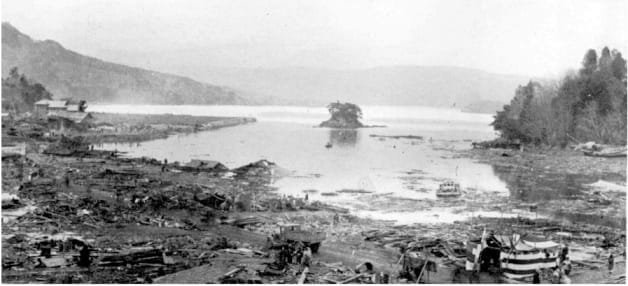
Residents had little warning — earthquake tremors themselves lasted mere seconds. Within minutes after the shaking stopped, an ominous backward flood of sea water along the shores signalled the tsunami’s approach. Then, with a deafening roar, the 30-meter-high wave struck the eastern coast of Amorgos. Buildings were uprooted, boats smashed like twigs, and people were swept into the churning waters. The fishing village of Katapola, a cornerstone of island life, bore the brunt of the wave’s force.
Devastation Along the Cycladic Islands
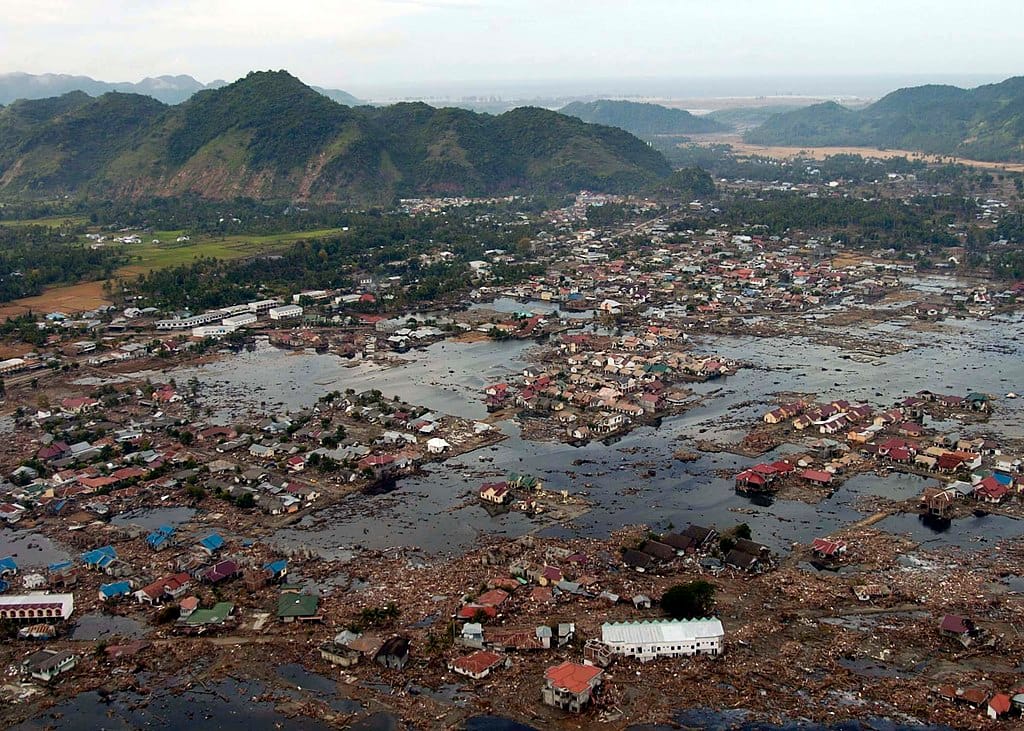
As the tsunami propagated westward, other islands in the Cyclades, such as Santorini and Naxos, also caught glimpses of the calamity. Though the wave diminished in height by the time it reached them, it still caused flooding and damage. Coastal villages along the mainland’s eastern shores were not spared – corridors of water surged up narrow inlets and valleys, leaving a trail of shattered homes and uprooted olive groves. The scale of destruction transcended the physical, striking deep emotional chords through generations.
Eyewitness Accounts: Voices from the Ruins
Maria Nikolaou, an elderly survivor, would later recall: “The earth shook with a terrible sound… then the sea withdrew, like a beast stalking its prey. We knew nothing of tsunamis then. When the wave came, it was as if the mountain had fallen into the sea.” Her words weave the human heart into the fabric of geological disaster. Many islanders told of desperate rescues, of classmates and family members lost, and of the sheer terror as the sea — usually a source of life — turned mercilessly against them.
Emergency Response and Rescue Efforts
In the chaotic aftermath, local authorities rallied with what means they had. Greek naval vessels and aid workers from Athens arrived as quickly as the era allowed, struggling to communicate with isolated communities cut off by debris and infrastructure collapse. Makeshift hospitals sprang up, treating injuries and battling infections. Refugees fled to higher ground or sought shelter in caves and chapels. Though overwhelmed, the Greek government’s efforts marked a crucial turning point in disaster response in the region.
The Human Toll: Casualties, Losses, and Trauma
The death toll is estimated between 53 and over 60, numbers that may seem small compared to more recent tsunami disasters but were devastating for the small, tightly knit populations of the islands. Hundreds were injured; thousands rendered homeless. The economic impact was severe, as livelihoods tied to the sea and land were wiped away in minutes. Trauma lingered long after the waters receded: children who had lost parents, families who lost entire hamlets, and a community grappling with the memory of betrayal by nature.
Scientists Scramble to Understand the Disaster
International seismologists and oceanographers studied the event eagerly, as the 1956 Aegean tsunami was one of the earliest well-documented tsunamis in the Mediterranean. They deployed tools like tide gauges and seismic records to map the wave’s origin and movement, confirming its tectonic roots. The disaster also fueled debates on tsunami risk in the Mediterranean, a region often overshadowed by Pacific Ring of Fire catastrophes. This event punctuated the realization that even relatively tranquil seas could harbor deadly threats.
Long-term Consequences for Amorgos and the Aegean
Rebuilding was slow, hampered by limited resources and the scars—both physical and psychological—that the disaster imprinted on the landscape and its people. The ports had to be reconstructed, homes reestablished, and infrastructure restored. Yet, amidst the devastation, there was a remarkable display of resilience and communal solidarity. The crisis became a catalyst for improved engineering standards and prompted the formation of early warning mechanisms.
The Tsunami’s Impact on Greek Society and Awareness
For decades, tsunamis were not widely discussed in Greece until this disaster. The 1956 event brought widespread media attention and established a cultural awareness of the sea’s dual nature—as nourishing and threatening. It changed the Greek collective memory about natural disasters, influencing education, literature, and public policy. The disaster became a somber chapter, teaching a nation how vulnerable and connected it was to its environment.
Lessons Learned: From Tragedy to Preparedness
In the wake of the tsunami, Greece began to take more systematic measures: coastal mapping for tsunami risk, the installation of early warning sensors, and public education campaigns. While these were rudimentary compared to today’s technologies, they marked a crucial shift. International collaborations formed, exchanging knowledge about seismic and oceanographic hazards. The Amorgos tsunami of 1956 would thus seed new paths toward disaster risk reduction in the Mediterranean basin.
Aegean Tsunami in the Global Context of 20th Century Disasters
Though eclipsed by other tragedies like the 1960 Chilean tsunami or the 2004 Indian Ocean tsunami, the Aegean event reminds us that tsunami disasters are not confined to the Pacific. It has often been overshadowed in the historical record, yet it bears the hallmarks of a relentless natural force intersecting with human fragility—a theme that echoes globally through the 20th century’s complex relationship with nature.
Commemorations and Memory of the 1956 Tragedy
Local communities commemorate the tsunami annually, honoring the dead and raising awareness. Memorials in Amorgos and neighboring islands serve as physical reminders of loss and resilience. Oral traditions, songs, and ceremonies bind the past to the present. In academic and local histories, the event receives renewed attention on milestone anniversaries, ensuring the lesson never fades into oblivion.
The Tsunami’s Influence on Seismology and Oceanography
The 1956 tsunami was a pivotal case study, inspiring advances in understanding seismic underwater ruptures and wave dynamics. Researchers traced correlations between fault movement and wave generation more precisely. It catalyzed regional cooperation among Mediterranean countries to monitor seismic events and better understand geological threats lurking beneath familiar seas.
Contemporary Reflections: Could It Happen Again?
Today, with climate change driving sea level rise and coastal development increasing vulnerability, the memory of the Aegean tsunami resonates profoundly. Scientists warn that the region remains at risk, as tectonic forces continue to grind. Preparedness, advanced monitoring, and community education are more vital than ever. The question lingers: are modern societies truly ready for nature’s next upheaval?
The Aegean Today: Watching the Sea’s Silent Power
Visitors returning to Amorgos will find a landscape healed but marked by history. The calm seas still draw fishermen and tourists alike, but the island’s collective memory hums beneath the surface—an ever-present respect for the delicate balance between land, sea, and seismic forces. The Aegean’s beauty persists, but so does an enduring caution born from the terrible lessons of July 9, 1956.
Conclusion
The 1956 Aegean tsunami remains a profound testament to the power of nature to surprise and devastate, even in places known for their serene beauty. It is a story of sudden tragedy but also of remarkable human resilience and adaptation. Through loss and reconstruction, the communities of Amorgos and the surrounding islands learned harsh truths about their environment while nurturing hope and strength. This event serves as a timeless reminder: the earth beneath us is alive with motions beyond our control, and from that awareness springs our greatest responsibility—to prepare, to remember, and to respect the forces that shape our lives.
FAQs
1. What caused the 1956 Aegean tsunami?
The tsunami was triggered by a powerful 7.7 magnitude earthquake beneath the Aegean seafloor near Amorgos, which displaced large sections of the sea bed, generating the enormous wave.
2. How many people died in the tsunami?
Estimates place the death toll between 53 and over 60, with hundreds injured and thousands displaced.
3. Which areas were most affected by the tsunami?
The island of Amorgos suffered the most damage, especially coastal villages like Katapola. Neighboring Cycladic islands and parts of the Greek mainland also experienced flooding and damage.
4. Were there any early warning systems in place?
In 1956, there were no formal tsunami warning systems in the Aegean. The disaster highlighted the need for such systems, leading to gradual development in subsequent decades.
5. How did the tsunami impact scientific understanding?
It spurred increased research into Mediterranean seismic risks and underwater earthquakes, influencing the development of tsunami science and early warning infrastructure.
6. Is the Aegean Sea still at risk of tsunamis today?
Yes, the Aegean remains seismically active due to tectonic plate interactions, so future tsunamis remain a possibility, making preparedness essential.
7. How is the tsunami remembered locally?
Through annual memorial ceremonies, monuments, oral histories, and educational initiatives that keep the memory and lessons of the disaster alive.
8. What lessons can modern societies learn from this event?
The importance of early warning systems, public education, resilient infrastructure, and respect for natural hazards in coastal, seismic regions.