Table of Contents
- The Dawn of Disaster: Morning of October 11, 1138
- Aleppo in the 12th Century: A City of Power and Promise
- Political Tensions and Religious Rivalries in the Levant
- Signs in the Sky: Forewarnings and Seismic Myths
- The Earth Trembles: The Sequence of the Catastrophic Quake
- Scenes of Devastation: Tales from the Rubble
- The Collapse of Aleppo’s Walls and Towers
- The Dead and the Missing: Humanity’s Toll
- Neighboring Cities and Aftershocks: Extending the Disaster
- Chroniclers’ Voices: How History Recorded the Earthquake
- Religious Interpretations and Prophecies in the Aftermath
- Rescue and Relief Efforts Amid Ruin
- The Impact on Trade Routes and Regional Politics
- The Earthquake’s Role in the Crusader-Muslim Conflict
- Reconstruction and the Long Road to Recovery
- Geological Significance: Understanding Medieval Seismology
- The Aleppo Earthquake’s Enduring Legacy in Middle Eastern History
- Memory and Myth: How the Earthquake Lives on in Culture
- Comparative Catastrophes: Aleppo and Other Great Medieval Earthquakes
- Lessons Learned and Modern Reflections on Ancient Disaster
- Conclusion: The Echoes of the Earthquake Through Time
- FAQs About the 1138 Aleppo Earthquake
- External Resource
- Internal Link
1. The Dawn of Disaster: Morning of October 11, 1138
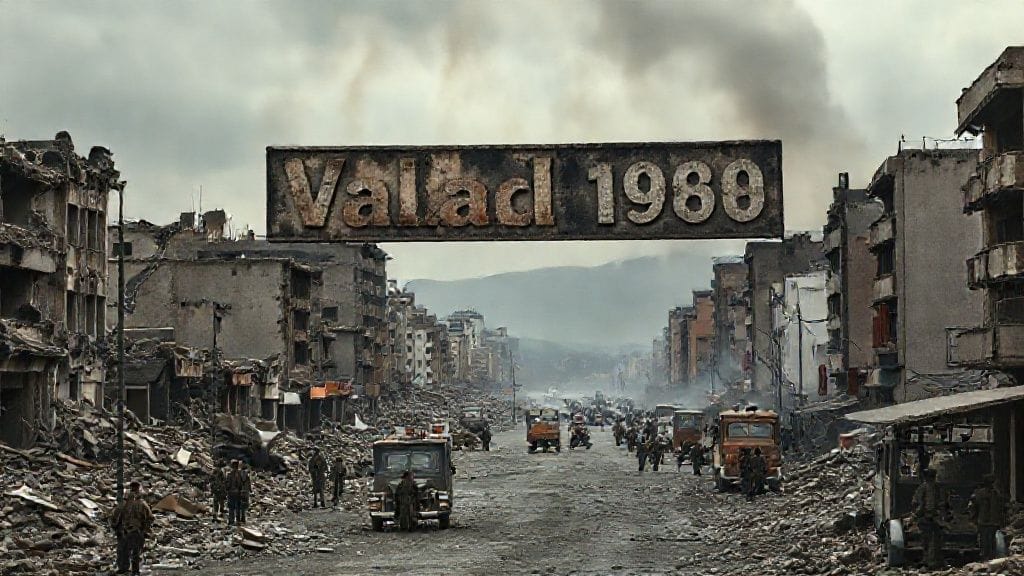
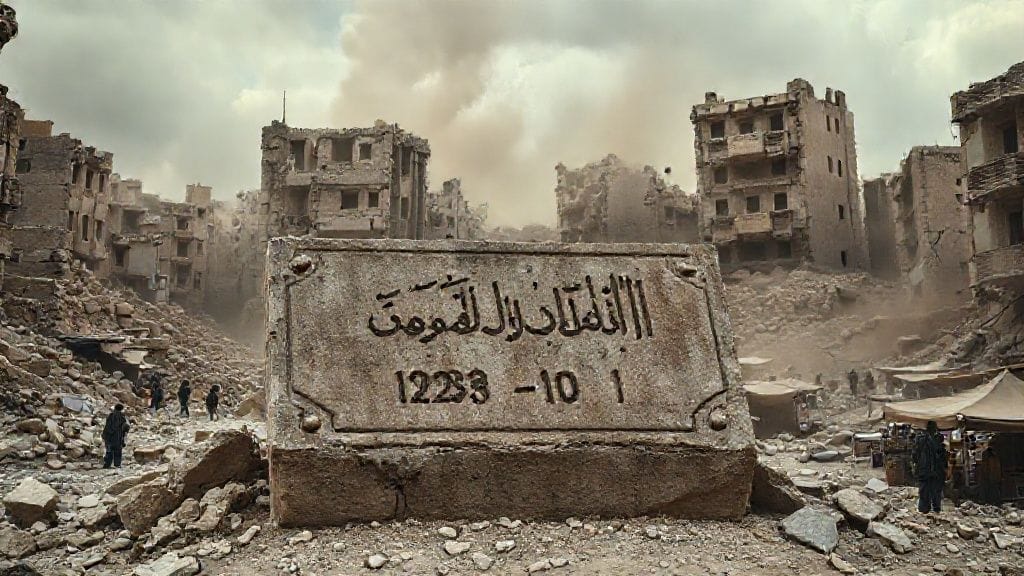
The first light of October 11, 1138, filtered reluctantly over Aleppo’s ancient stones. The city stirred to life beneath the faint glow of dawn, its bustling markets poised to awaken, its citadel’s battlements standing watch over a vibrant tapestry of cultures and faiths. But the earth had other plans. Without warning, the ground shuddered violently beneath the feet of thousands, sending a shudder across one of the Levant’s greatest urban centers. The tremors swelled suddenly—a primitive roar beneath the city’s heart—bringing down walls, crushing homes, and turning life into chaos within moments.
This was no fleeting tremor. The Aleppo Earthquake, as it would be known, was one of the deadliest seismic events of the medieval world, and its reverberations would echo far beyond Syria’s borders. Imagine the cries piercing the morning air, the dust choking skies, the collapse of centuries-old monuments, and the desperation of survivors stranded by a catastrophe they could scarcely comprehend. The fragile city, nestled in a region at the crossroads of civilizations, would never be the same.
2. Aleppo in the 12th Century: A City of Power and Promise
To understand the scale of this calamity, one must first grasp Aleppo’s importance in the early 1100s. Nestled between the Mediterranean and the vast deserts beyond the Euphrates, Aleppo had long been a jewel of the Islamic world. Its marketplace hummed with merchants trading silks and spices, gold coins sparkled in the hands of traders, and scholars gathered in dusty libraries filled with manuscripts.
At the time, Aleppo was not merely a commercial hub but a strategic fortress—a prize hotly contested amid the broader turbulence of the Crusades. The city’s citadel, perched on a hill, was formidable: thick stone walls that had withstood sieges and centuries, looming towers that offered both protection and prestige. The city’s population was diverse, with Muslims, Christians, and Jews living side by side, each contributing to a vibrant mosaic of cultural and religious life.
Yet beneath this bustling facade, tensions simmered. The region was a hotbed of political intrigue and religious fervor, with Muslim rulers defending their territories against the encroaching Crusader states to the west. These undercurrents added layers of uncertainty to the city’s future—uncertainties only magnified when the ground itself betrayed them.
3. Political Tensions and Religious Rivalries in the Levant
The early 12th century in the Levant was a cauldron of conflict and faith. The Crusades had reshaped power balances, and Aleppo found itself a fulcrum between western ambitions and eastern resistance. The Great Seljuk Turks and local Arab dynasties vied for authority, while Christian Crusader states such as the County of Edessa lingered perilously close.
Within Aleppo, rulers sought to maintain stability, but political alliances were fragile, and rivalries often erupted into open conflict. Religious communities, though coexisting, sometimes viewed one another with suspicion, each invoking divine protection against human and natural threats alike. The earthquake struck at the heart of this tension-riddled city—a moment revealing how elemental forces could override even the fiercest human disputes.
4. Signs in the Sky: Forewarnings and Seismic Myths
Medieval chroniclers, often attuned to signs from heaven and earth, reported strange phenomena preceding such disasters. Tales spread of unusual animal behavior, flickering lights in the sky, and eerie quiet before the tremors. Though these accounts blend fear and myth, they reveal how people sought to interpret the inexplicable.
In Aleppo, some inhabitants spoke of ominous clouds or distant thunder the night before, interpreting them as divine warnings. Others, steeped in Islamic theology and local lore, viewed earthquakes as reminders of fate and judgment. These collective anxieties heightened the impact of the disaster, contributing to the pervasive sense of doom that gripped survivors.
5. The Earth Trembles: The Sequence of the Catastrophic Quake
At approximately dawn on October 11, the earth began to shake—first softly, then with devastating violence. Contemporary sources and modern geological studies suggest that the quake registered an estimated magnitude of around 7.5 to 8.0, making it one of the strongest recorded in the Middle East’s history.
The mainshock lasted several tense moments but was accompanied by potent aftershocks that prolonged terror for weeks. The city’s walls crumbled; homes collapsed; stones of the great citadel rolled into the streets. The tremors radiated outward, jarring neighboring regions—fault lines beneath the Dead Sea and the northern Syrian plains rebelled in a violent chorus.
6. Scenes of Devastation: Tales from the Rubble
Survivors described morning markets turned to dust, families separated amid falling debris, and once-proud buildings reduced to piles of stone and timber. The citadel—Aleppo’s symbol of strength—shattered as towers collapsed like matchsticks.
One moving account tells of a mother trapped beneath a fallen beam who, despite injury, comforted her child with whispered prayers until rescuers arrived days later. Nearby, merchants mourned the ruined stocks of precious goods, while scribes lamented the destruction of libraries containing priceless manuscripts.
7. The Collapse of Aleppo’s Walls and Towers
Aleppo’s famed citadel had been a fortress through centuries of war and peace. Yet the earthquake revealed the potent vulnerability of man’s greatest constructions before nature’s raw power. Thick basalt walls, sturdy in many battles, shattered under the quake.
The collapse opened Aleppo’s defenses at a critical moment, leaving the city exposed to external threats. Towers that once watched vigilantly collapsed into rubble. The military and symbolic heart of the city lay broken, shaking the confidence of its defenders.
8. The Dead and the Missing: Humanity’s Toll
Though precise numbers are elusive, estimates suggest tens of thousands perished across Aleppo and the surrounding regions. Entire families vanished beneath the ruins. Cemeteries overflowed as the dead were hastily buried to prevent disease.
The psychological trauma was staggering. Survivors struggled with the loss of homes, livelihoods, and loved ones. Orphans wandered the streets. Those who lived faced an uncertain future amid the wreckage of a once-thriving urban heart.
9. Neighboring Cities and Aftershocks: Extending the Disaster
The earthquake’s destruction was not confined to Aleppo. Surrounding cities such as Hama and Ma'arrat al-Numan also suffered damage and loss. Aftershocks rattled the region, inhibiting recovery efforts and perpetuating fear.
These tremors underscored the immense geological instability of the region, part of the complex Dead Sea Transform fault system. Communities throughout northern Syria were forced to confront the fragile nature of life in such seismic zones.
10. Chroniclers’ Voices: How History Recorded the Earthquake
Medieval Arab historians and chroniclers—such as Ibn al-Qalanisi and the Damascene chronicler Ibn al-Athir—etched this catastrophe into the written record. Their vivid descriptions provide invaluable windows into the disaster.
Ibn al-Qalanisi’s observations, for example, mourned the destruction with poetic lamentations, noting how “the foundations of the city were broken as if by the wrath of the heavens.” These first-hand accounts offer a blend of pathos and reportage, merging fact with the spiritual lens of the era.
11. Religious Interpretations and Prophecies in the Aftermath
In the weeks following the quake, many interpreted the disaster as divine punishment or a sign of impending apocalyptic judgment. Mosques filled with mourners seeking solace; religious leaders preached about repentance and humility before God’s power.
Christian and Muslim chroniclers alike recorded sermons and prophecies linking the earthquake to moral failings or political strife. Such interpretations reveal how faith shaped coping mechanisms and framed communal narratives around natural disasters.
12. Rescue and Relief Efforts Amid Ruin
Despite the chaos, the city’s survivors and leaders mobilized efforts to rescue the trapped and care for the injured. Neighboring rulers sent aid, and charitable groups organized support.
Yet the scale of destruction overwhelmed initial responses. With roads blocked and basic infrastructure destroyed, many lived without shelter or supplies for months. These challenging conditions spurred innovations in urban planning and highlighted the importance of communal resilience.
13. The Impact on Trade Routes and Regional Politics
Aleppo’s strategic location on Silk Road-linked trade routes made its destruction a blow beyond its inhabitants. Merchants rerouted caravans; spices and textiles found alternative passages through less stable but safer lands.
Politically, the weakened city invited opportunistic attacks and shifts in regional power. The Crusader states eyed the destabilization with concern, while Muslim rulers sought to capitalize on the need for reconstruction and consolidation.
14. The Earthquake’s Role in the Crusader-Muslim Conflict
Some historians argue that the earthquake influenced the balance of power during a critical phase of the Crusades. The destruction weakened Aleppo’s capacity to project military force, perhaps altering alliances and delaying campaigns.
Religious leaders on both sides invoked the disaster in sermons and propaganda—interpreting it as a sign from God favoring their cause. The earthquake thus became a symbol and a strategic consideration in one of history’s most bruising religious conflicts.
15. Reconstruction and the Long Road to Recovery
Rebuilding Aleppo was a decades-long endeavor. Stone by stone, the city rose from its ashes. New architectural techniques were employed to resist future tremors, and previously destroyed neighborhoods were redesigned.
While the city never fully regained its former glory during the 12th century, the fortitude of its people upheld Aleppo as a center of culture and commerce well into later centuries.
16. Geological Significance: Understanding Medieval Seismology
Modern geologists identify the Aleppo Earthquake as a product of the Dead Sea Transform fault—a major tectonic boundary. Studying medieval records alongside geological evidence has aided in understanding seismic hazards in the region today.
The 1138 earthquake stands as a testament to the historical continuity of natural hazards and the enduring challenge of living in a restless land.
17. The Aleppo Earthquake’s Enduring Legacy in Middle Eastern History
Beyond its immediate destruction, the earthquake left an indelible mark. It influenced political dynamics, reshaped urban layouts, and entered the cultural memory of the Levant.
The event has become a touchstone for scholars studying the interaction between disaster and society in medieval Islamic lands—a poignant reminder that nature’s power transcends time.
18. Memory and Myth: How the Earthquake Lives on in Culture
Over centuries, the earthquake inspired legends, poetry, and oral traditions. Some tales blend fact and fiction, while others serve as cautionary parables about divine judgment and human humility.
Festivals and commemorations in some regions recall the event implicitly, a woven thread in the fabric of local history.
19. Comparative Catastrophes: Aleppo and Other Great Medieval Earthquakes
The Aleppo quake is often compared to other great medieval disasters—the 1201 Syria earthquake, the 1139 Ganja earthquake, or later quakes in Constantinople. These comparisons reveal patterns in urban vulnerability and human responses to disaster.
Understanding these parallels illuminates broader themes of resilience and fragility throughout history.
20. Lessons Learned and Modern Reflections on Ancient Disaster
In an age of sophisticated seismic monitoring, the story of Aleppo in 1138 reminds us of the constant presence of natural hazards. Urban planners, historians, and policymakers draw on such legacies to inform risk management today.
The persistent human spirit to rebuild and remember shines through across centuries, offering hope amid destruction.
21. Conclusion: The Echoes of the Earthquake Through Time
The Aleppo Earthquake of 1138 was more than a geological event; it was a moment that reshaped lives, cities, and destinies. Its story is woven with sorrow and resilience, science and faith, tragedy and renewal. It reminds us how human communities confront the unpredictable forces of nature—yielding at times, but often rising again with tenacity.
In the quiet rubble of ancient Aleppo, beneath modern streets, the echoes of that fateful morning still murmur—inviting us to listen, learn, and never forget the fragility and strength of our shared human history.
Conclusion
The 1138 Aleppo Earthquake stands as a stark testament to the profound vulnerability of human civilization in the face of nature’s immense forces. Yet, within the ruins and heartbreak lies a story of resilience, faith, and collective memory that has endured through nearly nine centuries. The disaster did not merely destroy—it transformed, challenging societies to rebuild, reimagine, and reinterpret their place in a fragile world.
The earthquake’s legacy transcends Aleppo’s stones. It speaks to the universal human experience of loss and recovery, the ways faith and reason wrestle to make sense of catastrophe, and the unyielding will to survive when the earth itself seems to betray us. As we reflect on this ancient calamity, we are reminded that while nature’s power is timeless, so too is human courage.
FAQs
Q1: What caused the Aleppo Earthquake of 1138?
A1: The earthquake was caused by tectonic shifts along the Dead Sea Transform fault system, a major geological boundary separating the Arabian and African plates.
Q2: How powerful was the earthquake estimated to be?
A2: Modern estimations place its magnitude between 7.5 and 8.0, marking it as one of the most powerful and destructive in the medieval Middle East.
Q3: What were the immediate human consequences of the quake?
A3: Tens of thousands died, large parts of Aleppo and surrounding cities were destroyed, homes collapsed, and survivors faced injury, homelessness, and trauma.
Q4: How did the earthquake affect the political situation in the Levant?
A4: The disaster weakened Aleppo’s defenses and altered the balance of power during a tense period marked by Crusader-Muslim conflicts and regional rivalries.
Q5: What role did religion play in interpreting the earthquake?
A5: Many contemporaries viewed the quake as divine punishment or a sign of impending judgment, leading to widespread religious reform and calls for repentance.
Q6: How long did it take for Aleppo to recover from the destruction?
A6: Reconstruction efforts spanned decades, with partial recovery during the 12th century; yet the earthquake’s effects shaped the city’s development for centuries.
Q7: Are there geological studies that help understand the Aleppo Earthquake?
A7: Yes, by analyzing historical records alongside modern geology, scientists have gained insights into regional seismic hazards and fault activity.
Q8: How is the earthquake remembered in cultural memory?
A8: Through chronicles, poetry, oral traditions, and local legends, the event remains a poignant symbol of natural catastrophe and human resilience in Middle Eastern history.