Table of Contents
- The Fateful Dawn: Alexandria’s Morning Shattered
- The Ancient Mediterranean: A Cauldron of Geological Turmoil
- Origins of Disaster: The Earth’s Hidden Fury Beneath the Nile Delta
- A Wave of Terror: The Tsunami’s Ferocious Arrival
- Alexandria in Ruins: Witnesses to the Deluge
- The Aftermath: Death and Desolation on the Nile Coast
- Political and Social Reverberations Across the Eastern Roman Empire
- Natural Catastrophes in Antiquity: A Broader Perspective
- The Great Earthquake of 365 AD: The Seismic Trigger
- The Underwater Topography of the Mediterranean and Its Role
- Maritime Havens Transformed into Graveyards
- Rebuilding Alexandria: Resilience Amidst Ruin
- The Impact on Trade Networks of the Mediterranean Basin
- Cultural Memory and Literary Echoes of the 365 Tsunami
- Lessons from Antiquity: The Ancient Warning for Modern Coastal Cities
- Archaeological Evidence and Modern Science Collaborate
- The Legacy of the Alexandria–Nile Delta Tsunami in Historical Narratives
- Conclusion: The Endurance of a City in the Face of Cataclysm
- FAQs: Understanding the Alexandria-Nile Delta Tsunami
- External Resource
- Internal Link
1. The Fateful Dawn: Alexandria’s Morning Shattered
July 21, 365 AD, broke not as an ordinary day but as a predestined moment of calamity. Along the sun-drenched shores of the Nile Delta, the bustling city of Alexandria was awakening to trade bartering, scholarly debates, and the vibrant hum of a cosmopolitan port. The Mediterranean gleamed under the early light, deceptive in its tranquility. Yet, beneath its shimmering surface, a fierce and unforgiving force was building momentum, destined to rewrite the fate of an ancient jewel.
Suddenly, the earth bellowed with a violence that shook cities and toppled temples. The sea receded ominously, revealing the sandy seabed to the astonished eyes of fishermen and sailors. Then, with the merciless speed of a nightmare, a colossal tsunami wall surged forward, engulfing everything in its path—buildings, docks, and human lives. Alexandria, proud and ancient, stood vulnerable before nature’s relentless wrath.
The Aleppo merchant caught in the square later recalled, “The sea fled like a beast startled, only to return as a ravenous flood. Men screamed for their lives while the ground rumbled beneath their feet.” This day not only marked one of history’s most devastating natural disasters but also left an indelible scar on the Mediterranean’s historical tapestry.
2. The Ancient Mediterranean: A Cauldron of Geological Turmoil
Long before the tsunami’s wave crashed upon Alexandria, the Mediterranean basin had been a stage of tectonic vigor. Situated at the crossroads of three major tectonic plates—the African, Eurasian, and Arabian—the region was prone to earthquakes and geological upheavals. Yet, ancient inhabitants viewed the sea’s temperament largely through the lens of mythology and divine intervention rather than plate tectonics.
Alexandria, founded by Alexander the Great in the 4th century BC, grew into a vibrant metropolis, a beacon of Hellenistic culture and trade. However, its prosperity was shadowed by the underlying restlessness of the earth. The submerged fault lines near the Nile Delta, often unnoticed, had the potential to unleash unimaginable power with little warning.
3. Origins of Disaster: The Earth’s Hidden Fury Beneath the Nile Delta
What precisely triggered the terrifying event of 365? Modern seismological studies point to a massive earthquake along the Hellenic Arc, a subduction zone south of Crete, which sent shockwaves hurtling across the eastern Mediterranean. The abrupt tremors likely fractured the delicate sedimentary layers of the Nile Delta seabed, inducing underwater landslides.
These submarine landslides displaced enormous volumes of water, propelling giant waves toward the Egyptian coast. Ancient historians like Ammianus Marcellinus described the earth-shaking and the subsequent deluge, but it was only centuries later, through geological research and sediment analysis, that the scale of the disaster became fully appreciated.
4. A Wave of Terror: The Tsunami’s Ferocious Arrival
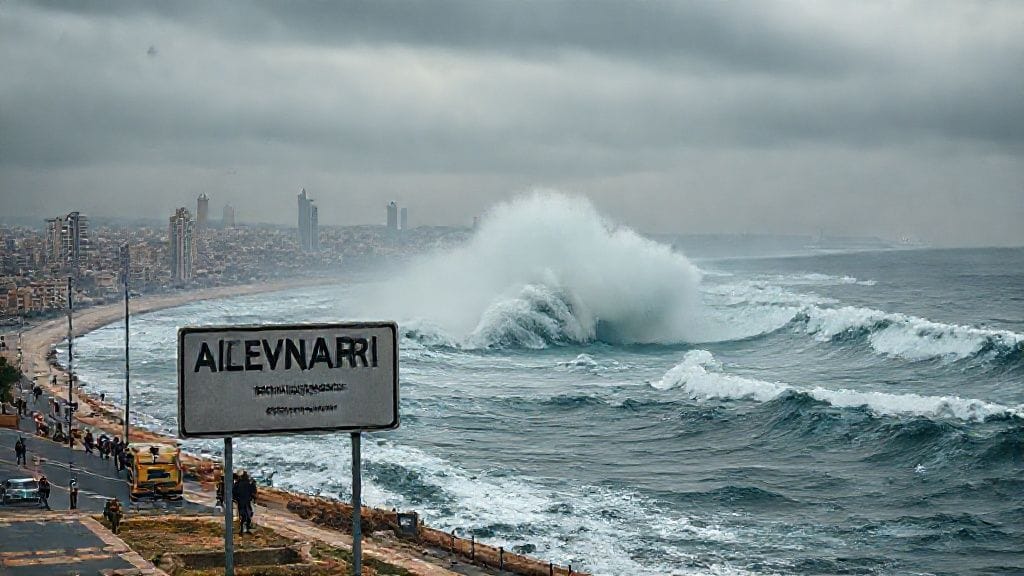
The tsunami did not strike as a single mighty wave but rather as a cascading series of monstrous water walls, each acquiring more speed and destructiveness. First, the sea withdrew dramatically, pulling ships away from piers and exposing reefs and sands—an eerie prelude to doom. Then, torrents thundered in—some accounts suggest waves as high as 10 meters—scouring the coastline.
In Alexandria, homes closest to the shore were pulverized, marketplaces were flooded, and the famed lighthouse—one of the Seven Wonders of the Ancient World—was either damaged or destroyed in the catastrophe’s wake. For the city’s inhabitants, the event must have transmogrified a typical day into a horrifying struggle for survival.
5. Alexandria in Ruins: Witnesses to the Deluge
The devastation was swiftly palpable. The vibrant metropolis, with its mix of Greeks, Romans, Egyptians, Jews, and other ethnic groups, faced overwhelming destruction. Contemporary accounts relay scenes of chaos: streets inundated, temples submerged, libraries soaked and battered, and thousands perishing in the sudden scourge.
One poignant testimony, recorded decades after, speaks of ashore fishermen who “knelt before the ruins, hearing in the wind the cries of the drowned.” The tsunami’s wrath was compounded by the earthquake’s aftershocks that continued to unsettle the land, making rescue and recovery efforts treacherous.
6. The Aftermath: Death and Desolation on the Nile Coast
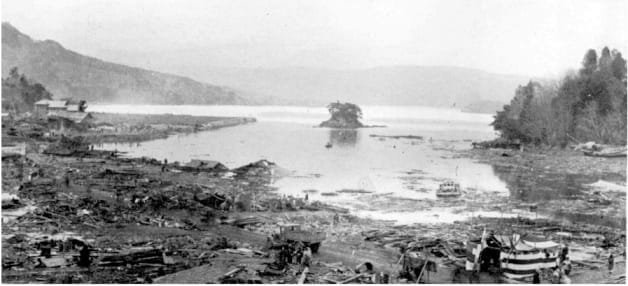
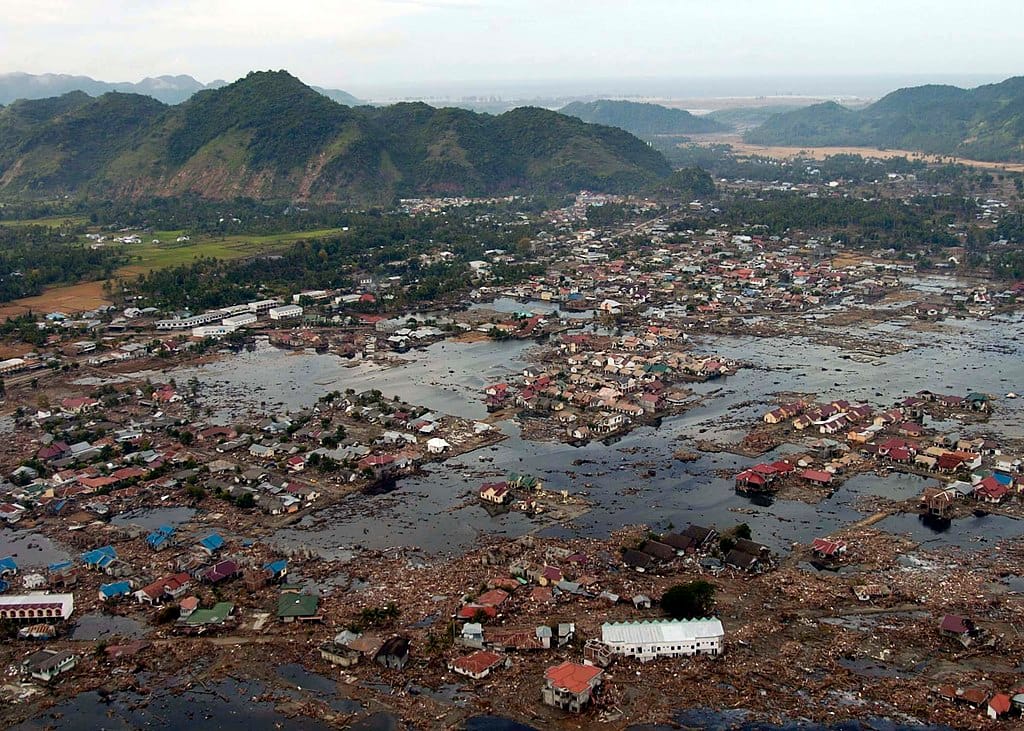
Though Alexandria often occupies the spotlight, the tsunami’s reach extended along the Nile Delta and nearby coastal regions. Villages and smaller ports alike were battered, some disappearing beneath waves forever. The death toll, impossible to estimate with precision, likely numbered in the tens of thousands, given the density of populations and the time of day.
Authorities scrambled to provide aid, but the scale of destruction overwhelmed governance structures. The local economy, heavily dependent on maritime trade, suffered a catastrophic blow. Moreover, the fertile soils of the delta were salted and polluted, complicating efforts to restore agriculture.
7. Political and Social Reverberations Across the Eastern Roman Empire
The tsunami did not unfold in a vacuum. In 365 AD, Egypt was part of the Eastern Roman (Byzantine) Empire, a realm already facing internal strains and external threats. The disaster amplified social tensions, as survivors clamored for resources and shelter amid a landscape reshaped by nature’s fury.
Emperor Valens, ruling the empire’s eastern provinces, had to confront the aftermath diplomatically and administratively, providing support while managing disruptions in grain shipments vital for Rome. The event exposed vulnerabilities in imperial infrastructure, prompting debates about disaster preparedness—albeit risky ones in an age lacking modern scientific understanding.
8. Natural Catastrophes in Antiquity: A Broader Perspective
The Alexandria tsunami was not an isolated aberration. Antiquity recounts several natural disasters that shaped human history, from Vesuvius’s eruption burying Pompeii to the massive 1201 Syria earthquake. These calamities often destabilized regions, influenced migrations, or even altered political power dynamics.
Yet, unlike volcanic eruptions or famines, tsunamis left a mysterious imprint—partly because their dual nature, involving both earth and sea, challenged contemporary comprehension. Victims and survivors often interpreted them as divine punishments or apocalyptic portents, coloring their chronicled narratives.
9. The Great Earthquake of 365 AD: The Seismic Trigger
Scientific scrutiny has identified the earthquake near Crete as the trigger for the Alexandria tsunami. With a magnitude estimated around 8.0, this tremor ranks among the most powerful in Mediterranean history. The shaking was felt across the region, contributing not only to the initial destruction but facilitating subsequent secondary disasters like landslides and fires.
Ancient chroniclers recount cities shaking violently and sea creatures washing ashore dead. This earthquake laid bare the potent forces locked beneath the Mediterranean crust—forces humanity could neither predict nor withstand fully.
10. The Underwater Topography of the Mediterranean and Its Role
The Mediterranean Sea’s complex underwater landscape plays a crucial role in tsunami genesis and propagation. Submerged fault lines, deep basins, offshore cliffs, and sediment deposits all modulate wave behavior. The Nile Delta, newly formed and rich in sediment, presented a four-dimensional battleground where seismic energy and water mass combined in catastrophic synergy.
In fact, modern underwater explorations have mapped landslide scars and sediment layers matching the tsunami event, connecting geological reality with ancient descriptions—an extraordinary convergence of storytelling and science.
11. Maritime Havens Transformed into Graveyards
Ports that once welcomed ships with lively trade became silent cemeteries. Alexandria’s harbors, busier than most in the Mediterranean, saw vessels smashed to kindling or swept inland. For mariners, the event was a stark reminder of nature’s supremacy over human ambition.
Shipwreck sites from this period, discovered by archaeologists, reveal sudden destruction consistent with tsunami impact. Cargo, hull fragments, and artifacts lie scattered—archaeological ghosts of that harrowing day.
12. Rebuilding Alexandria: Resilience Amidst Ruin
Despite the immense damage, Alexandria’s story did not end in despair. The city’s resilience and strategic importance fueled reconstruction efforts. New rulers and local elites poured resources into restoring defenses, temples, and infrastructure.
Yet, the disaster recalibrated Alexandria’s growth, and some historians argue the city lost its former glory permanently. Still, its intellectual and cultural vitality endured, blending the scars of trauma with the pursuit of rebirth.
13. The Impact on Trade Networks of the Mediterranean Basin
Alexandria functioned as a linchpin in the Mediterranean’s complex web of commerce. The tsunami disrupted shipments of grain, spices, and goods flowing between the East and West. This interruption rippled across economies, with shortages, price spikes, and shifts in trade routes privileging more secure ports temporarily.
Merchants and imperial administrators had to adapt swiftly, underscoring how natural disasters interconnected with global systems even in antiquity.
14. Cultural Memory and Literary Echoes of the 365 Tsunami
How did ancient societies process such trauma? Beyond official reports, poets, philosophers, and chroniclers infused their works with reflections on the tsunami as a cosmic event, a moment when nature’s wrath intersected with human destiny.
The event fed into local legends, religious interpretations, and moralistic tales warning against hubris. Though direct textual evidence is scarce, echoes of this disaster emerge in later Syriac chronicles and Byzantine histories, proving that the tsunami's memory was carried forward in human consciousness.
15. Lessons from Antiquity: The Ancient Warning for Modern Coastal Cities
Today, Alexandria remains a thriving metropolis—its population and infrastructure dwarfed only by its historical depth. The 365 tsunami provides a sobering reminder: coastal cities, past and present, are vulnerable to the earth’s primal forces.
Disaster preparedness, early warning systems, and resilient urban planning grew from awareness of historical precedents. In a world increasingly aware of climate change and seismic risks, the echoes of ancient waves teach vigilance and respect for nature’s enduring unpredictability.
16. Archaeological Evidence and Modern Science Collaborate
Only through multidisciplinary efforts—archaeology, geology, seismology, and history—has the Alexandria tsunami’s story been pieced together. Underwater sediment cores, dating techniques, and seismic models corroborate ancient accounts, highlighting the value of modern science in decoding the past.
Excavations in the Nile Delta have unearthed layers of destruction corresponding to 365 AD, while numerical simulations provide visual reconstructions of the tsunami’s trajectory and impact zones.
17. The Legacy of the Alexandria–Nile Delta Tsunami in Historical Narratives
The tsunami’s enduring legacy is found in its role as a historical marker—proof not only of nature’s immense power but of human tenacity. It forms a pivotal episode in studies of natural hazards, ancient urban history, and Mediterranean geopolitics.
By placing the disaster within a broader historical framework, scholars appreciate how such events mold civilizations—not merely as moments of destruction but also as catalysts for transformation.
18. Conclusion: The Endurance of a City in the Face of Cataclysm
The Alexandria–Nile Delta tsunami of July 21, 365 AD remains one of antiquity’s most poignant reminders of nature’s unpredictable fury. It ripped through a city emblematic of knowledge, diversity, and commerce, leaving death and devastation in its wake. Yet, from the ruins emerged a narrative of resilience, adaptation, and continuing human spirit.
As waves of time wash over history, Alexandria’s ordeal teaches us about vulnerability and strength alike—how civilizations can rise from disaster and why remembering the past is vital for navigating the future. In the echoes of that ancient sea’s roar lies a timeless story of human courage pitted against the tempestuous Earth.
Conclusion
The nightmare that fell upon Alexandria in the summer of 365 AD was a tempestuous meeting of earth and sea, a catastrophe conjured by forces far beyond the control or understanding of its inhabitants. Yet, rather than fading into mere legend, this event has persisted within historical memory, science, and cultural reflection. It exposes the fragile thread by which cities, empires, and civilizations hang, balanced between prosperity and oblivion.
Today, studying this tsunami illuminates not only ancient geology but also the universal human condition—the capacity to endure, rebuild, and learn. Alexandria’s rebirth from those treacherous waters resonates powerfully, reminding modern societies of the perennial dialogue between humans and the natural world. The 365 tsunami stands as a stark, humbling beacon, urging caution but also inspiring resilience.
FAQs
Q1: What caused the Alexandria–Nile Delta tsunami in 365 AD?
A1: The tsunami was triggered by a massive earthquake near Crete—part of the Hellenic Arc subduction zone—leading to underwater landslides that displaced water and generated devastating waves toward the Nile Delta coast.
Q2: How high were the tsunami waves that struck Alexandria?
A2: Historical accounts and scientific models suggest wave heights up to 10 meters, enough to inundate coastal infrastructures, destroy ships, and cause massive loss of life.
Q3: How did the tsunami affect Alexandria’s economy and trade?
A3: The disaster disrupted Alexandria’s role as a key Mediterranean hub, interrupting grain shipments and trade routes. This caused economic strains extending across the Roman Empire.
Q4: Did the tsunami destroy the Lighthouse of Alexandria?
A4: While precise damage reports are scarce, it is widely believed that the tsunami, along with preceding earthquakes, severely damaged or destroyed the lighthouse, a celebrated wonder of the ancient world.
Q5: What evidence do modern scientists have of this ancient tsunami?
A5: Geological sediment layers, underwater landslide debris, and archaeological findings at the Nile Delta coastline align with the tsunami’s occurrence in 365 AD, corroborating ancient written records.
Q6: How did ancient people interpret such disasters?
A6: Many viewed them as divine punishments or omens. These events were woven into religious and mythological explanations reflecting their attempt to comprehend nature’s fury.
Q7: How has this event influenced modern disaster preparedness?
A7: Understanding ancient tsunamis informs current risk assessments and early warning systems in Mediterranean coastal cities, emphasizing the importance of history in shaping resilience.
Q8: Is Alexandria still vulnerable to similar natural disasters?
A8: Yes, due to its geographical location in a seismically active region near tectonic plate boundaries, Alexandria and the Nile Delta remain at risk from earthquakes and consequent tsunami waves.