Table of Contents
- The Shattering Dawn: Boumerdès Earthquake, May 21, 2003
- Algeria’s Restless Earth: Geological Context and Historical Seismicity
- An Unexpected Awakening: The Early Hours of May 21
- The Epicenter: Boumerdès and the Surrounding Coastal Plain
- The Earth Trembles: Technical Profile of the Magnitude 6.8 Quake
- Urban Ruin: The Collapse of Infrastructure in Boumerdès and Algiers
- Human Stories Amidst the Rubble: Survival, Loss, and Heroism
- The Algerian Government’s Immediate Response: Rescue and Relief
- International Solidarity: Aid and Assistance from the Global Community
- Socio-Political Reverberations: How the Earthquake Stirred Algeria’s Heart
- Rebuilding Hope: Reconstruction Efforts and Urban Planning Reforms
- Emotional Aftershocks: The Psychological Impact on Survivors
- Scientific Lessons: Advances in Seismic Monitoring Post-2003
- Boumerdès in Memory: Commemoration and Cultural Representations
- Algeria’s Ongoing Vulnerability: Earthquake Preparedness Today
- Conclusion: When the Earth Speaks, Humanity Listens
- FAQs: Understanding the 2003 Boumerdès Earthquake
- External Resource
- Internal Link
The Shattering Dawn: Boumerdès Earthquake, May 21, 2003
It was a warm, early summer morning in Algeria’s northern coast—May 21, 2003—a sunlit day dawning with the promise of ordinary life. Families stirred awake, children began their chores, and the bustling cities of Boumerdès and Algiers expanded into the rhythm of daily normalcy. But beneath the serene surface lay a silent menace, a geological heartbeat that suddenly unleashed destruction in a matter of seconds.
At precisely 3:44 a.m. local time, the earth convulsed violently, breaking the fragile peace of the night. The 6.8 magnitude earthquake shattered the very foundations of homes, hospitals, and schools, plunging thousands into darkness and chaos. Buildings crumbled as if made of sandcastles, roads cracked like fragile bones, and lives were irrevocably altered in this moment of terror. The elderly clutched their grandchildren, neighbors screamed, and the air was thick with dust, shock, and despair.
This was no ordinary quake; it was a rupture that revealed both nature’s raw fury and humanity’s fragile resilience. As dawn’s rosy light revealed the full scale of devastation, the world awoke to the story of Boumerdès—a community scarred but unbroken.
Algeria’s Restless Earth: Geological Context and Historical Seismicity
Algeria, perched on the northern edge of the African tectonic plate, occupies a volatile juncture where the African and Eurasian plates collide. This complex tectonic interaction has sculpted the rugged Atlas Mountains and a coastline vulnerable to seismic unrest. The Mediterranean basin here is punctuated by fault lines—silent but potent agents of geological upheaval.
Historically, Algeria has faced significant earthquakes; the devastating 1954 Orléansville earthquake—also near Boumerdès—claimed thousands of lives and left scars still visible decades later. The 2003 event was part of this long narrative of seismic tension, reminding the nation of its place on an ever-shifting earth.
Scientists had known the region to be earthquake-prone, but the precise timing and impact of such a violent quake were impossible to predict. The Boumerdès sequel echoed a somber warning: the earth beneath was alive and unpredictable.
An Unexpected Awakening: The Early Hours of May 21
The tranquility of the early morning gave no hint of the devastation to come; no tremors foreshadowed the imminent catastrophe. Sleep was abruptly shattered as the ground beneath families’ feet began its violent dance.
At 3:44 a.m., many residents were still in their beds when the shaking began, a rapid succession of powerful jolts lasting nearly 30 seconds. Windows rattled, walls groaned, and roofs threatened collapse. The quake triggered a palpable panic, with people rushing into the streets in the dark, some with only the clothes on their backs.
The seismic waves radiated swiftly across a 180-kilometer stretch, reaching Algiers, the capital, nearly 50 kilometers to the west. The shock was felt along the coastal strip, disrupting networks, destabilizing buildings, and fracturing the daily lives of millions.
The Epicenter: Boumerdès and the Surrounding Coastal Plain
Boumerdès province, known mostly for its Mediterranean charm and proximity to Algiers, bore the epicenter’s full brunt. This stretch of Algeria’s coast is densely populated, with a mix of modern urban centers and older towns, all crisscrossed by vital infrastructure such as highways and railways.
The quake’s epicenter lay near the village of Zemmouri, where the earth ruptured violently, leaving fissures that scarred the landscape. The coastal plain’s geology, with soft sediments, amplified the shaking, rendering the damage more severe than in nearby mountainous areas.
The small port town of Baghlia suffered extensive damage, and even Algiers felt the shock strongly with collapsed buildings and widespread panic. The demographic density and infrastructure fragility heightened the earthquake’s destructive potential.
The Earth Trembles: Technical Profile of the Magnitude 6.8 Quake
Measured at magnitude 6.8, the Boumerdès quake was classified as a strong seismic event. It originated at a relatively shallow depth of approximately 10 kilometers, rendering it far more destructive at the surface than a deeper earthquake might have been.
Seismographs recorded an intense series of aftershocks, some exceeding magnitude 5.0, which continued to unsettle residents for days after the main tremor. These aftershocks complicated rescue efforts and exacerbated the psychological trauma gripping survivors.
Structural engineers later noted that many buildings failed due to poor construction standards unable to withstand seismic forces—a tragic but familiar problem in earthquake-prone regions.
Urban Ruin: The Collapse of Infrastructure in Boumerdès and Algiers
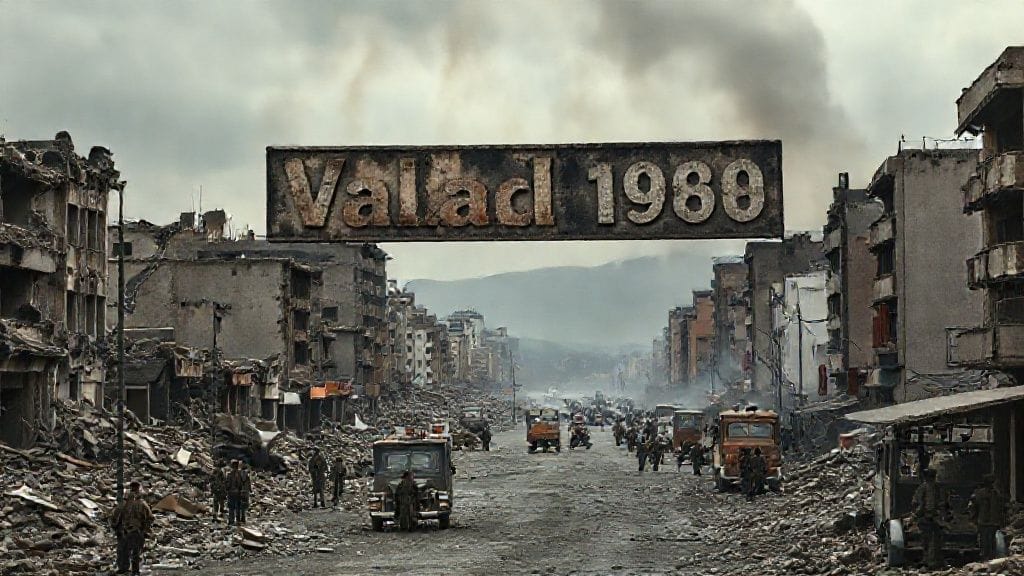
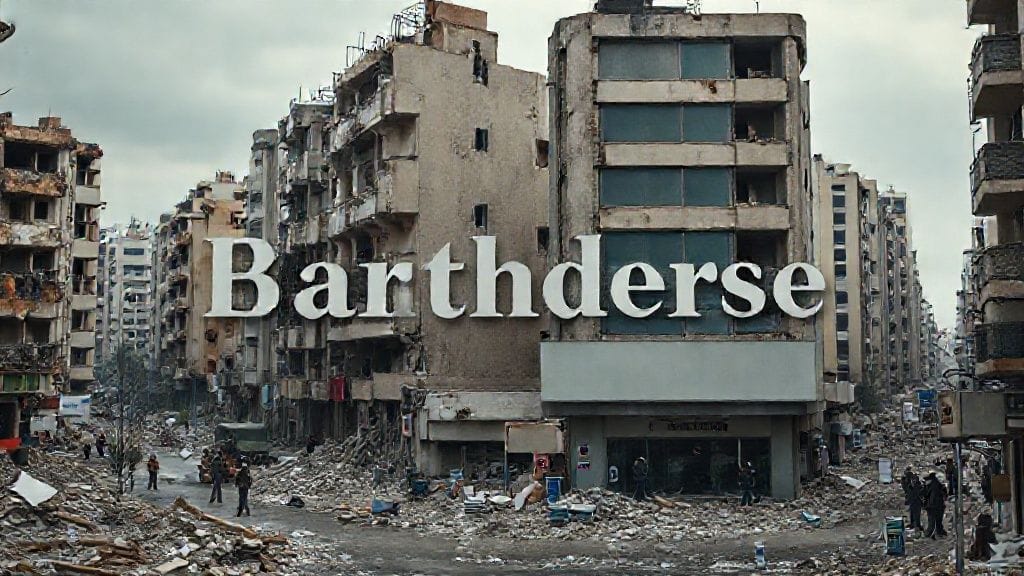
When the shaking ceased, a grim tableau emerged: urban landscapes transformed into ruinous scenes. Entire blocks in Boumerdès were leveled. Schools, hospitals, and apartment buildings buckled under the stress, leaving tens of thousands homeless.
Algiers, where construction standards were somewhat stronger but not immune, lost several buildings. Historic structures, some dating back to the French colonial era, sustained serious damage, threatening Algeria’s cultural heritage.
Communications were disrupted, electricity lines downed, and roads obstructed by rubble and landslides, isolating the hardest-hit areas. This chaos slowed rescue and relief operations, heightening human suffering.
Human Stories Amidst the Rubble: Survival, Loss, and Heroism
Behind statistics were human lives—each casualty a universe lost or forever altered. Approximately 2,266 people died, and over 10,000 were injured, numbers that only hint at the personal tragedies buried beneath collapsed concrete.
One poignant image is that of a mother, wounded but determined, leading her children out of a destroyed building, or neighbors using bare hands to extract trapped families from the wreckage. Volunteers and firefighters, often at risk themselves, faced overwhelming odds to save lives.
Survivors recount moments of surreal horror: shouts amidst silence, bodies trapped upside-down, and the desperate hope that more would be found alive. In the shadow of death, these acts of courage illuminated humanity’s enduring spirit.
The Algerian Government’s Immediate Response: Rescue and Relief
The Algerian state reacted swiftly, deploying military units, rescue teams, and medical personnel to the affected zone. Temporary shelters were established to house the displaced, and food and medical supplies were mobilized.
However, the scale of devastation outstripped initial capacities, revealing weaknesses in disaster preparedness and response infrastructure. Volunteers, local communities, and NGOs played a vital role in bridging gaps, often working in difficult conditions and lacking adequate equipment.
The government faced intense public scrutiny and had to balance emergency response with longer-term recovery planning, under the watchful eyes of anxious citizens and international observers.
International Solidarity: Aid and Assistance from the Global Community
The Boumerdès earthquake resonated far beyond Algerian borders. Countries from Europe, the Middle East, and North Africa extended offers of aid, sending specialized rescue teams, funding, and medical supplies.
The United Nations and several humanitarian organizations coordinated efforts, while the Algerian diaspora worldwide mobilized funds and provided advocacy. International expertise helped advance rescue missions using equipment Algeria lacked, such as search-and-rescue dogs and seismic sensors.
This global solidarity underscored the universal nature of human vulnerability and the shared responsibility to respond to natural disasters.
Socio-Political Reverberations: How the Earthquake Stirred Algeria’s Heart
Despite the immediate tragedy, the earthquake also unleashed powerful social dynamics. Public anger surged over building regulations ignored and the government’s preparedness levels. The disaster exposed systemic issues like corruption and infrastructural neglect.
Political discourse intensified; civil society groups demanded transparency and accountability, while the government vowed reforms. For some Algerians, the earthquake became a catalyst for questioning broader governance failures and for mobilizing community resilience.
The tragedy sparked national debates about priority setting, urban planning, and the role of state versus citizen in disaster management.
Rebuilding Hope: Reconstruction Efforts and Urban Planning Reforms
In the months and years after the earthquake, Algeria embarked on a Herculean reconstruction campaign. Over 50,000 homes required rebuilding or repair, alongside hospitals, schools, and public facilities.
Reconstruction efforts incorporated stricter seismic building codes, improved urban planning practices, and greater public awareness campaigns. Boumerdès province was prioritized for redevelopment with additional resources and international collaboration.
The rebuilding process was slow and complex, requiring balancing immediate shelter with long-term sustainable development goals. Yet it also planted seeds of modernization and resilience in Algerian urban policy.
Emotional Aftershocks: The Psychological Impact on Survivors
Beyond physical damage, the earthquake inflicted deep psychological wounds. Many survivors suffered from post-traumatic stress disorder, anxiety, and depression. Entire communities grappled with grief interwoven with survivor guilt.
Mental health services, often scarce in Algeria, became an urgent priority. NGOs organized counseling, and local healers blended traditional practices with psychological support. Schools also became focal points for emotional recovery programs for children traumatized by the event.
The Boumerdès earthquake revealed how disaster recovery is as much about healing minds and spirits as about rebuilding bricks and mortar.
Scientific Lessons: Advances in Seismic Monitoring Post-2003
The Boumerdès event became a pivotal moment for Algerian and regional seismic science. Authorities acknowledged deficiencies in seismic monitoring networks and emergency communication systems.
Subsequent investments expanded seismic stations along the northern Algerian coast, enhancing data collection and early warning capabilities. Algerian researchers deepened studies into local fault dynamics, contributing to global understanding of Mediterranean seismic risks.
The earthquake thus spurred a new era of geoscientific inquiry and pragmatic disaster preparedness policy.
Boumerdès in Memory: Commemoration and Cultural Representations
In the years following the tragedy, Boumerdès and wider Algeria commemorated the earthquake through memorials, ceremonies, and artistic expression. Public monuments honouring victims were erected, and annual remembrances reaffirmed collective memory.
Artists and writers channeled the event into poetry, literature, and visual arts—capturing the emotional landscape of loss and resilience. Documentaries and photo exhibitions traveled nationally and internationally, ensuring the victims’ stories reached beyond Algeria.
This cultural remembering transformed Boumerdès from a site of destruction into a symbol of communal strength and renewal.
Algeria’s Ongoing Vulnerability: Earthquake Preparedness Today
Nearly two decades on, Algeria remains acutely vulnerable to seismic events. Urbanization continues rapidly along the coast, sometimes outpacing infrastructure development and safety enforcement.
The 2003 earthquake’s legacy includes improved but still evolving preparedness policies. Schools now often conduct earthquake drills; emergency plans have been integrated into municipal governance, and public awareness campaigns periodically remind citizens of the risks.
Yet, challenges persist: informal housing, population density, and economic constraints create ongoing vulnerabilities. The Boumerdès quake is a solemn reminder that vigilance, science, and governance must work together to safeguard lives.
Conclusion
When the earth trembled on that fateful dawn in May 2003, it did more than disgorge destruction — it laid bare the profound vulnerabilities and resilient spirit of a nation. The Boumerdès earthquake remains etched in Algerian consciousness not only as a natural disaster but as a transformative moment. Its human toll is measured not only in lives lost but in the courage that emerged from rubble, the urgency of reform it inspired, and the delicate balance it unveiled between nature’s power and humanity’s ingenuity.
As Algeria continues its journey of recovery and preparedness, the Boumerdès earthquake stands as a timeless lesson—nature speaks with a force that commands respect, but it is our response, as communities bound by shared fate, that defines the true measure of endurance. The story of 2003 is both a lament and a testament: in trembling earth, we find the pulse of life, challenge, and hope.
FAQs
Q1: What caused the 2003 Boumerdès earthquake?
A1: The earthquake resulted from tectonic stresses along the convergent boundary between the African and Eurasian plates. Stress accumulated along faults near the northern Algerian coast eventually released, causing a magnitude 6.8 quake.
Q2: How many people were affected by the earthquake?
A2: Approximately 2,266 people died, over 10,000 were injured, and tens of thousands were left homeless. The quake affected not just Boumerdès but also greater Algiers and surrounding areas.
Q3: What was the government’s response to the disaster?
A3: The Algerian government deployed emergency rescue operations, military aid, and relief supplies. While the response was immediate, it revealed gaps in preparedness that prompted calls for reforms.
Q4: How did international aid contribute following the earthquake?
A4: Numerous countries and international organizations contributed by sending rescue teams, medical aid, equipment, and financial support, which significantly bolstered Algerian efforts.
Q5: What lessons were learned in terms of construction and urban planning?
A5: The quake underscored the need for stricter enforcement of seismic building codes and urban planning reforms to prevent similar levels of destruction in future quakes.
Q6: How did the earthquake impact Algerian society emotionally and culturally?
A6: The disaster caused widespread psychological trauma but also inspired cultural expressions of mourning and resilience, including memorials, art, literature, and public commemorations.
Q7: What advances in seismic monitoring occurred after 2003?
A7: Algeria invested in expanding and modernizing its seismic network, improving early warning capabilities and scientific understanding of regional earthquake risks.
Q8: Is Algeria still at risk of similar earthquakes?
A8: Yes. Algeria’s northern region remains seismically active, requiring ongoing vigilance, preparedness, and infrastructure resilience to mitigate future disasters.