Table of Contents
- A Morning Shattered: The Alma-Ata Earthquake Strikes
- Geological Precursors and the Fault Lines Beneath Kazakhstan
- Alma-Ata at the Dawn of the 20th Century: A City on the Rise
- The Day of Cataclysm: January 3, 1911 Unfolds
- The Human Toll: Lives Lost and Families Torn Apart
- Eyewitness Accounts: Voices from the Rubble
- The Immediate Aftermath: Rescue, Relief, and Chaos
- Imperial Russia’s Response: Aid and Indifference
- The Role of Seismology in 1911: Science in Its Infancy
- Rebuilding a City: The Challenges of Recovery
- Socioeconomic Impacts on Alma-Ata and Its Environs
- The Earthquake and the Kazakh Identity: Cultural Reverberations
- Memory and Myth: How the Event Entered Local Lore
- A Turning Point for Central Asian Urbanization
- Seismic Lessons Learned: Influence on Future Preparedness
- The Global Context: Earthquakes in the Early 20th Century
- Long-Term Environmental Consequences: Landscape and Ecology
- Political Ripples: Russian Imperial Policies and Regional Control
- The Forgotten Disaster: Why Alma-Ata’s Earthquake Faded from History
- Commemorating Tragedy: From Silence to Recognition
- Conclusion: Reflections on Nature’s Fury and Human Resilience
- FAQs About the Alma-Ata Earthquake
- External Resource
- Internal Link
1. A Morning Shattered: The Alma-Ata Earthquake Strikes
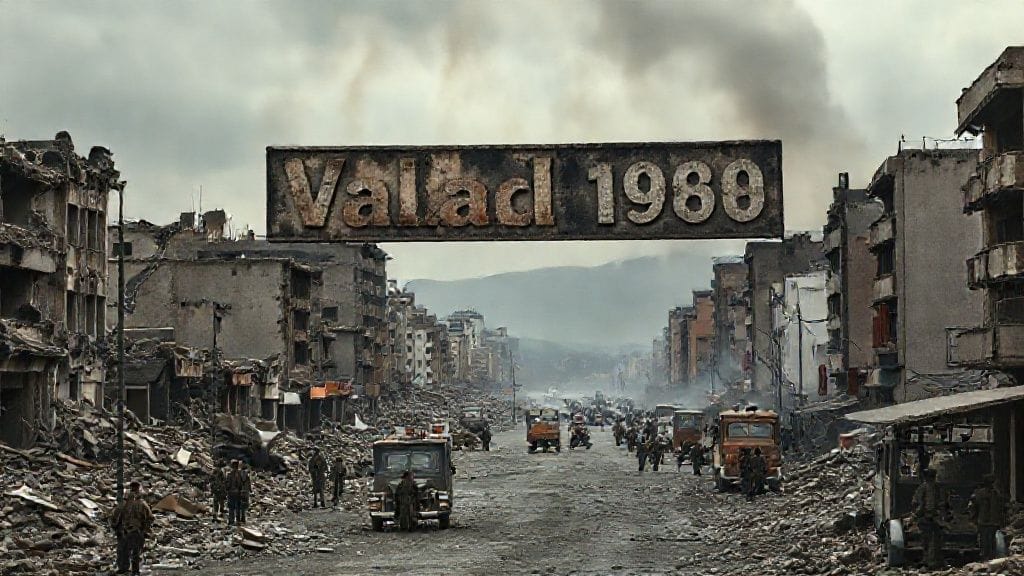
In the pale winter light of January 3, 1911, the city of Alma-Ata (modern-day Almaty) awoke to a terror none anticipated. The peaceful skyline, framed by snow-capped peaks, was ripped apart in seconds. Buildings groaned and toppled as the earth convulsed beneath, throwing its inhabitants into a chaos that would mark their lives forever. It was 7:15 a.m. when the first jarring tremors fractured the stillness, cutting through bone and stone alike. For moments that stretched like eternities, the ground betrayed the city — a vivid testament to the precarious intersection of human ambition and natural wrath.
The air was thick with dust and fear. Children clung to parents, merchants abandoned stalls, and streets cracked open like ancient parchment. The Alma-Ata earthquake was not merely a geological event; it was a catalyst that exposed the fragility of an imperial outpost caught between tradition and modernity. But what caused this sudden rupture beneath the earth? And how did a city adapt — or succumb — to such devastation in the shadow of the vast Russian Empire? Let us journey through the trembling heart of 1911 Kazakhstan and unravel the story of the Alma-Ata earthquake.
2. Geological Precursors and the Fault Lines Beneath Kazakhstan
The region of Alma-Ata rests in a complex tectonic intersection where the vast Siberian Plate edges against the Indian Plate, thrusting upwards the majestic Tian Shan mountains. This mighty collision, an ongoing saga of continental drift, has shaped Central Asia’s dramatic landscape for millions of years. Yet, the very forces that created this natural beauty harbored immense danger.
Beneath Alma-Ata lies a network of fault lines—some dormant, others restless. The 1911 earthquake was triggered by a slip along one such fault. At the time, knowledge of seismic activity in Central Asia was limited and fragmentary. Russian geologists had only recently begun exploring the region’s geology, but the unpredictable movements beneath the earth were poorly understood.
Modern studies suggest that the Alma-Ata earthquake was likely a magnitude 7.7 event on the Richter scale equivalent, causing powerful shaking felt over hundreds of kilometers. The epicenter was located in a canyon near the present-day Kuldja mountain range. This natural stress release was catastrophic for the burgeoning city of Alma-Ata, built without consideration for seismic resistance.
3. Alma-Ata at the Dawn of the 20th Century: A City on the Rise
At the beginning of the 1900s, Alma-Ata was undergoing transformation. Founded only a few decades earlier as a Russian fort in a predominantly Kazakh territory, the city was emerging as a strategic hub for imperial control and commerce. Its population was a mosaic of ethnic Kazakhs, Russian settlers, Cossacks, merchants, and minorities.
Industrialization and railway expansion fueled growth, while social tensions simmered beneath the surface—indigenous communities facing displacement, the challenge of modernization clashing with traditional nomadic lifestyles. The city was evolving but remained vulnerable—its wooden and adobe buildings ill-prepared for seismic shocks.
Yet, there was hope in the air alongside the cold winter winds—a sense that Alma-Ata could become a beacon in Central Asia, connecting east and west. The earthquake would brutally arrest this momentum.
4. The Day of Cataclysm: January 3, 1911 Unfolds
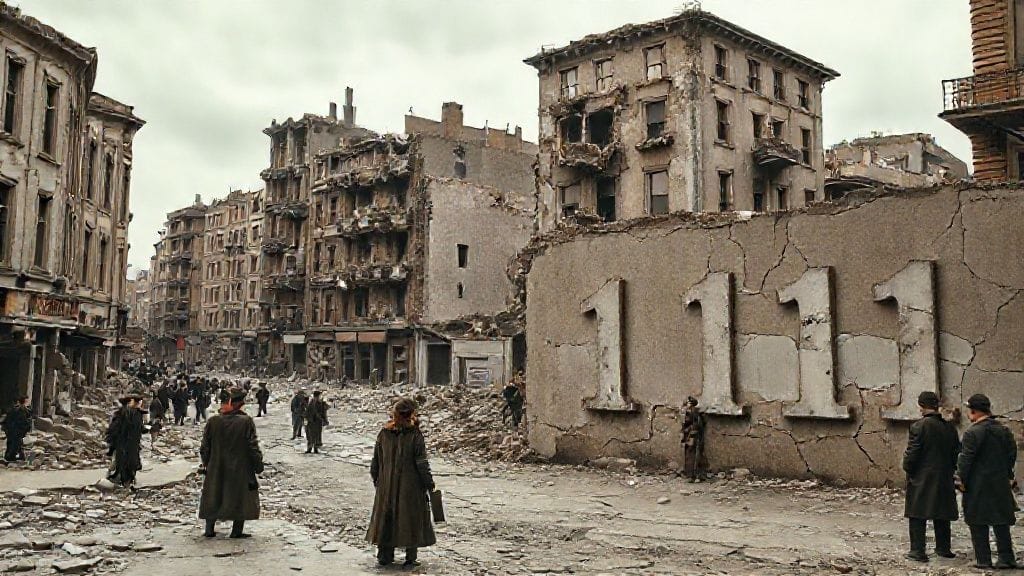
The early morning of January 3 had barely revealed itself when the earth screamed. The first tremor was enough to unsettle the city. But what followed was a succession of violent shakes, lasting over two minutes. Streets buckled, chimneys collapsed, and homes disintegrated like fragile toys.
Among the chaos, one particular episode stands out: the collapse of the Russian Orthodox Cathedral of the Ascension—a majestic symbol of the imperial presence in Alma-Ata. Its domes crashed down, sending shockwaves through the community’s spirit. Markets were flattened. The newly built telegraph office was rendered useless, cutting off rapid communication with distant Imperial centers.
Citizens scrambled to their doorsteps, battling freezing temperatures and the thick dust that clouded their vision. Some recounted the earth rolling in waves, as if the land itself was breathing violently. The aftershocks continued sporadically, preventing any respite or proper rescue efforts.
5. The Human Toll: Lives Lost and Families Torn Apart
The gravity of loss is difficult to quantify, but contemporary records and later estimations agree on a tragic scale: between 400 and 500 people perished in Alma-Ata alone, with surrounding villages suffering equally or worse. Entire families were buried beneath rubble, their futures extinguished in the icy grip of disaster.
Among survivors, a palpable despair took root. The vulnerability was not just physical but existential—what meaning could life hold when such violent nature could uproot everything in a breath? Hospitals overflowed, makinghift morgues sprang up, and despair mingled with determination in the faces of all.
Rescue was hampered by the lack of organized emergency services—no coordinated firefighting units or medical response teams could cope with the scale. This was a new kind of calamity for the region.
6. Eyewitness Accounts: Voices from the Rubble
Maria Ivanovna, a schoolteacher at the time, wrote in a letter that survived the decades: "The earth tossed us like children’s dolls. One moment, I was laying firewood in the cellar, the next, the walls were crashing down around me. People screamed in the streets, and all the while the shaking would not relent."
A Kazakh shepherd, Karlygash, recalled his community’s response: “We ran to open fields, away from the crumbling villages. The mountains seemed to weep — stones falling like hail. Yet, in that destruction, neighbors embraced and shared what little warmth and food they had.”
These voices paint a vivid portrait of anguish but also resilience—the human spirit’s refusal to be crushed beneath the weight of disaster.
7. The Immediate Aftermath: Rescue, Relief, and Chaos
In the hours following the quake, the city was consumed by a flurry of activity. People scavenged for survivors, cleared debris, and sought shelter against the biting cold. The lack of organized municipal response highlighted the era’s limitations, but the community’s solidarity emerged as a vital force.
Relief slowly trickled in from the Russian provincial authorities and military units stationed nearby. Tents were erected in open spaces; churches and schools became temporary shelters. However, this aid was hampered by poor communication infrastructure and the region’s remoteness.
For many, the earthquake was a cruel winter test—cold, hunger, and disease joining forces with trauma and grief. Yet, in the midst of chaos, grassroots networks and informal support systems began to knit the torn social fabric back together.
8. Imperial Russia’s Response: Aid and Indifference
The Russian Empire, vast and sprawling, had its bureaucratic priorities. While news of the disaster reached Petrograd, the imperial capital, response was slow and cautious. Funding allocations were delayed, and imperial officials focused on maintaining order rather than rapid recovery.
Reports suggest a certain indifference to Central Asian suffering—Alma-Ata was a distant frontier, often neglected in the imperial imagination. Local administration had to navigate this ambivalence while coping with public outcry and demands for rebuilding.
Yet, the earthquake did provoke some shifts in imperial policy related to urban planning and territorial governance, acknowledging the need for better infrastructure and emergency preparedness, even if these remained only embryonic ideas at the time.
9. The Role of Seismology in 1911: Science in Its Infancy
At the turn of the century, seismology was an emerging science. The first seismographs had been invented only a few decades before, mostly in Europe and Japan. However, Central Asia, including Alma-Ata, lacked such advanced equipment.
Limited observations were made by Russian scientists and military engineers, who attempted to map aftershocks and analyze the quake’s intensity. These early studies laid groundwork for understanding Central Asia’s seismic risks but were hampered by equipment shortages and geopolitical distance.
The Alma-Ata earthquake spurred interest among the nascent Soviet scientific community that would rise in following decades, eventually positioning the region as a key site for seismic research.
10. Rebuilding a City: The Challenges of Recovery
Reconstruction was a monumental task. With winter still biting and resources scarce, rebuilding Alma-Ata required human tenacity and imperial aid. Wooden homes were the first to rise again, though more durable materials were sought to fortify the city.
Architects and engineers began considering new designs emphasizing earthquake resilience, a radical shift from prior ad hoc construction. Streets were widened, and the urban plan rethought to mitigate similar future disasters.
However, tensions lingered between traditional Kazakh building styles and the new Russian-imposed architectural norms, reflecting deeper cultural dynamics at play during reconstruction.
11. Socioeconomic Impacts on Alma-Ata and Its Environs
Economically, the earthquake slowed the region’s development. Agricultural production was disrupted, markets diminished, and many families faced poverty after losing their homes or livelihoods. Migration patterns shifted as survivors sometimes left for other parts of the empire.
Socially, the disaster created new bonds between diverse ethnic and class groups—shared suffering tempered previous frictions. Yet, disparities remained visible in access to aid and resources, privileging Russian settlers over indigenous populations at times.
The earthquake revealed the fragile dependence of the region on imperial support and highlighted the urgent need for local empowerment and infrastructure development.
12. The Earthquake and the Kazakh Identity: Cultural Reverberations
For Kazakh communities, the earthquake soon transcended its physical impact to become part of cultural memory and storytelling. Oral traditions imbued the event with symbolic meaning—a punishment from the earth or a warning to heed nature's forces.
Stories of survival, rescue, and communal solidarity echoed in nomadic camps and villages. Some elders viewed the disaster as a turning point, signaling the erosion of traditional ways under the pressure of imperial modernization.
This earthquake became intertwined with Kazakh narratives about resilience, loss, and adaptation during a time of profound societal change.
13. Memory and Myth: How the Event Entered Local Lore
Within years, the Alma-Ata earthquake was woven into local myths. Its cataclysmic power was often portrayed as a great shaking spirit’s anger or a natural cleansing. Folk songs and poetry memorialized the event, ensuring it lived on even as formal historical records faded.
Yet, the earthquake never gained the same place in global historical consciousness as other contemporary disasters. Its memory remained localized, cherished in family stories and rare historical references.
This tension between memory and historical prominence raises questions about which stories the world chooses to remember and why.
14. A Turning Point for Central Asian Urbanization
The catastrophe forced planners and officials to reconsider urban designs across Central Asia. Alma-Ata became a prototype for integrating seismic safety in city building, influencing other towns in the region.
The disaster exposed the vulnerabilities inherent in rapid urbanization without regard to environmental factors—a lesson that echoed well into Soviet urban policies decades later.
Thus, the earthquake was both a tragedy and a catalyst, shaping the trajectory of Central Asian modernization in subtle but enduring ways.
15. Seismic Lessons Learned: Influence on Future Preparedness
Though rudimentary by today’s standards, the scientific and administrative lessons drawn from the Alma-Ata earthquake influenced later disaster response frameworks. Early seismic monitoring stations were gradually established; emergency planning, though still minimal, gained a foothold.
The 1911 event is now studied as a key moment in Central Asian seismology and civil engineering—marking the painful birth of an awareness that would eventually save countless lives.
This legacy endures in Almaty’s modern earthquake preparedness strategies, blending technology and history to confront an ever-present natural threat.
16. The Global Context: Earthquakes in the Early 20th Century
At the same time, the world was witnessing other devastating quakes—the 1906 San Francisco earthquake and the 1908 Messina disaster in Italy reshaped public awareness globally about seismic risks. Yet, the Alma-Ata quake remained relatively unknown outside the Russian Empire’s far-flung borders.
Comparing these events reveals a pattern: growing urban centers suddenly vulnerable to powerful natural forces, prompting new scientific investigations and humanitarian challenges worldwide.
Alma-Ata was part of this broader saga of humanity grappling with nature’s tremendous unpredictability during a century of modernization.
17. Long-Term Environmental Consequences: Landscape and Ecology
Beyond destruction of built environments, the earthquake altered the landscape itself. Landslides and rockfalls reshaped mountain slopes, some rivers changed course, and soil liquefaction damaged fertile plains.
These geophysical modifications affected agricultural productivity and local ecosystems. Recovery was not just about buildings but ecological rehabilitation, which took years.
Such environmental changes illustrate the profound interconnectedness between human societies and their natural surroundings, especially in seismically active regions.
18. Political Ripples: Russian Imperial Policies and Regional Control
The earthquake exposed the logistical and political fragility of Russian imperial administration in Central Asia. Its slow and insufficient response heightened local grievances and underscored the empire’s tenuous grip.
Some historians argue that the disaster indirectly fueled nationalist sentiments among Kazakhs and other groups seeking greater autonomy or resistance to imperial domination.
While not politically revolutionary in itself, the earthquake contributed to an atmosphere of unrest and questioning that would intensify in the coming decades.
19. The Forgotten Disaster: Why Alma-Ata’s Earthquake Faded from History
Strangely, despite its scale and impact, the Alma-Ata earthquake eventually lapsed into obscurity in Western historical narratives. Its remoteness, limited international media coverage, and overshadowing by massive European and American catastrophes played a role.
This historical amnesia prompts reflection on how disasters are recorded or neglected, influenced by geopolitical interests, cultural biases, and narrative priorities.
Today, renewed scholarship and local commemoration have revived interest, ensuring the earthquake regains its rightful place in history.
20. Commemorating Tragedy: From Silence to Recognition
In recent decades, Kazakhstan has embraced its seismic past as a vital part of national heritage. Memorials have been erected, educational programs launched, and scientific symposiums dedicated to the 1911 quake.
Almaty’s citizens, now well aware of their city’s geological risks, view the event both as a solemn lesson and a symbol of resilience. Public remembrance fosters community solidarity and preparedness—powerful antidotes to the helplessness felt more than a century ago.
21. Conclusion: Reflections on Nature’s Fury and Human Resilience
The Alma-Ata earthquake of January 3, 1911, stands as a poignant reminder of humanity’s vulnerability in the face of nature’s raw power. It shattered not only buildings but illusions of permanence and control. Yet, amid rubble and loss, it revealed profound human traits—courage, compassion, and the will to rebuild.
This disaster was a harsh tutor, forcing the city, its people, and the empire to reckon with seismic realities. The haunting silence that followed carried lessons that echo in Almaty today, where mountains still loom and the earth occasionally trembles.
To remember Alma-Ata’s earthquake is to honor those who suffered, and to recognize the enduring dance between destruction and renewal that shapes our shared history.
FAQs About the Alma-Ata Earthquake
Q1: What caused the Alma-Ata earthquake of 1911?
A: It was caused by a sudden slip along active fault lines in the tectonically complex zone near the Tian Shan mountains, where the Siberian and Indian Plates interact.
Q2: How severe was the earthquake in terms of magnitude and damage?
A: Estimated around magnitude 7.7, it caused widespread destruction in Alma-Ata, leveling much of the city and killing between 400 and 500 people.
Q3: How did the Russian Empire respond to the disaster?
A: The imperial response was slow and bureaucratic, primarily focused on maintaining order. Local authorities and communities provided much of the immediate relief.
Q4: Did the Alma-Ata earthquake influence scientific understanding of earthquakes?
A: Yes, though limited by the era's technological constraints, it spurred early seismic studies in Central Asia, laying foundations for later research.
Q5: What were the long-term impacts on the city of Alma-Ata?
A: The earthquake shifted urban planning toward seismic resilience and affected the city’s socioeconomic structure, influencing its future growth.
Q6: Why is this earthquake not widely known internationally?
A: Its remote location, overshadowing by larger contemporaneous events, and limited international reporting contributed to historical obscurity.
Q7: How is the earthquake remembered today in Kazakhstan?
A: It is commemorated through memorials, education, and scientific initiatives, underscoring both tragedy and resilience.
Q8: What lessons does the Alma-Ata earthquake teach modern societies?
A: It highlights the crucial importance of preparedness, respect for natural hazards, and the strength born of community solidarity in the face of disaster.