Table of Contents
- The Deadly Morning: The Ansei Edo Earthquake Strikes
- Edo on Edge: A City of Contrasts and Vulnerabilities
- Japan in the Mid-19th Century: Shogunate, Society, and Strife
- The Prelude to Disaster: Geological Tensions Beneath Edo
- 11 November 1855: The Earth Shakes—A Chronology of Devastation
- Survivors’ Voices: Tales of Horror and Heroism
- The Human Toll: Deaths, Injuries, and the Invisible Scars
- Destruction and Ruin: Edo’s Urban Fabric in Shambles
- The Shogunate’s Response: Leadership in Crisis
- Social Upheaval: Fear, Mistrust, and Rumors in Edo
- The Aftershocks Continue: Natural Threats and Psychological Impact
- Rebuilding Amid Ruins: Edo’s Recovery and Urban Renewal
- Cultural Reflections: Earthquake in Art, Literature, and Religion
- Lessons in Disaster: The Ansei Earthquake and Japan’s Preparedness
- Echoes Through Time: The Long-lasting Legacy of November 1855
- The Ansei Earthquake in Global Context: Japan’s Vulnerability Exposed
- Scientific Understanding: Early Knowledge of Seismic Activity
- Memory and Commemoration: How Japan Remembers the Ansei Quake
- Comparing the Great Quakes: Positioning the Ansei Edo Earthquake
- Conclusion: Shaken to the Core, Rising from the Rubble
- FAQs: Curiosities and Clarifications about the Ansei Edo Earthquake
- External Resource
- Internal Link
1. The Deadly Morning: The Ansei Edo Earthquake Strikes
It was a crisp November morning in 1855 when the very earth beneath Edo — the sprawling, bustling capital of the Tokugawa Shogunate — betrayed those who walked upon it. Suddenly, a violent tremor burst forth from the depths, sending buildings toppling and lives shattering in an instant. The sky, once clear and tranquil, was filled with cries, dust, and an unshakable fear. This was no ordinary rumble; it was the Ansei Edo Earthquake, a catastrophe that would mark a brutal chapter in the city’s history and forever imprint the psychological landscape of the Japanese people.
For Edo’s inhabitants, the disaster came like a thunderbolt from a clear sky — an eruption of nature’s fury that extinguished thousands of lives and remodeled the urban landscape of one of the world’s most populous cities. Yet, beneath this natural calamity, social and political tensions simmered, hinting at deeper fractures in Japanese society poised on the brink of epochal transformation.
2. Edo on Edge: A City of Contrasts and Vulnerabilities
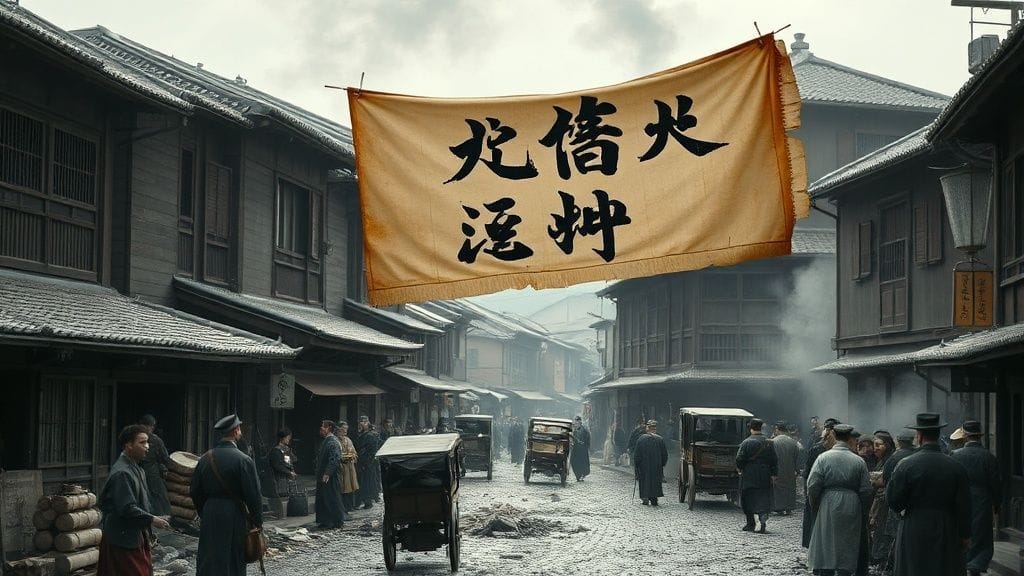
To truly grasp the scale of the earthquake’s impact, one must first understand Edo itself. By 1855, Edo was a city straining against its own rapid growth. With an estimated population exceeding one million, it rivaled the largest cities worldwide. Its dense wooden neighborhoods, narrow streets, and clustered dwellings made it vibrant but perilously susceptible to fire and seismic devastation.
Edo was a city alive with commerce, tradition, and rigidity. The shogunate’s rule imposed order, yet beneath the surface, economic disparities and frustrations brewed. This was a metropolis thriving amidst contradictions — a crown jewel of Japan’s isolationist sakoku era, yet an agitated metropolis on the brink of modernization.
3. Japan in the Mid-19th Century: Shogunate, Society, and Strife
The Ansei Edo Earthquake struck Japan during a moment of profound national unease. The Tokugawa Shogunate, which had governed for over two centuries, maintained a strict feudal order but was increasingly beset by internal and external pressures.
Internationally, the arrival of Commodore Perry's black ships in 1853 and subsequent forced openings of ports demanded rapid adaptation and exposed Japan’s vulnerability to foreign powers. Domestically, samurai discontent, peasant unrest, and economic hardship fomented instability.
This pendulum of anxiety was dangling over Edo, making the quake not just a natural disaster but a symbol of a tumultuous era begging for change.
4. The Prelude to Disaster: Geological Tensions Beneath Edo
Japan’s volatile position along the Pacific Ring of Fire made it no stranger to earthquakes. Still, the tectonic forces at play that morning were particularly potent. The Ansei Edo Earthquake’s epicenter lay near Edo Bay, where the Philippine Sea Plate and the Pacific Plate collide with the Eurasian Plate.
Decades of subtle shifts had loaded stress into the fault lines underneath the city’s soft soil and reclaimed land. Scientists today categorize the quake as approximately magnitude 7.0–7.1; yet in 1855, it was an unpredictable wrath.
The suddenness of the force’s release caught Edo off guard, its very ground liquefying and trembling as if alive.
5. 11 November 1855: The Earth Shakes—A Chronology of Devastation
At approximately 4:00 a.m., the first violent tremors erupted without warning. Those who slept in the fragile wooden homes were jerked awake by the roar and shuddering that seemed to tear the foundations from beneath them. Buildings swayed, walls cracked, tiles rained down, and fires sparked from toppled hearths.
Within minutes, the city’s fragile infrastructure began to collapse. Key parts of Edo, including the Honjo and Fukagawa districts, were devastated. Then came the fires — a merciless second wave fueled by blown-over lamps and ruptured charcoal stoves. Flames raced through alleys, sealing the fate of escaped survivors.
The night became a chaos of desperate screams, fleeing crowds, and shrieking sirens. It was a nightmare unfolding in real time.
6. Survivors’ Voices: Tales of Horror and Heroism
Accounts from survivors paint a vivid panorama of the disaster’s human side. One woman, 照子 Teruko, recalled holding her infant tightly as their home collapsed around them. A samurai retainer described how he gathered disoriented villagers to prevent looting and maintain some semblance of order amid the carnage.
Amid horror emerged courage. Local firefighters— known as hikeshū — rushed into burning districts, often at great personal risk. Neighbors formed human chains to rescue those trapped beneath debris. Stories of selflessness amidst chaos became threads of hope in a tapestry of despair.
7. The Human Toll: Deaths, Injuries, and the Invisible Scars
Estimates of the death toll vary, but historians generally agree more than 7,000 perished, with many thousands more injured or left homeless. The quake and ensuing fires displaced nearly 40,000 families. The shocking scale of destruction also meant that many bodies were never recovered, and grief pervaded the city like smoke.
Beyond physical loss, psychological trauma rippled through Edo’s populace. Anxiety about future quakes and fires haunted survivors. The shadow of death became a persistent companion.
8. Destruction and Ruin: Edo’s Urban Fabric in Shambles
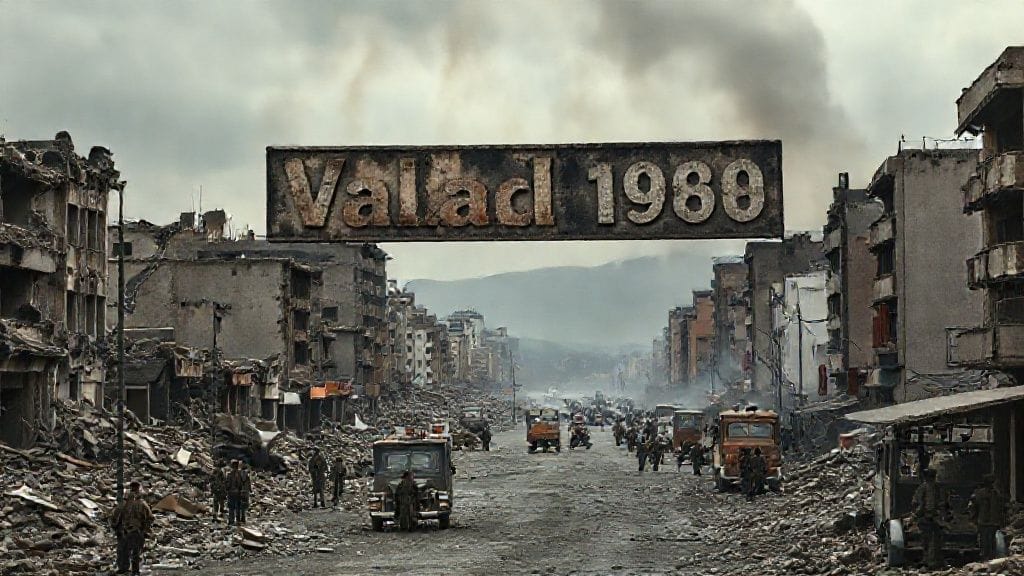
The earthquake left swathes of Edo in ruins. Entire neighborhoods were reduced to ash and splintered timbers. The tight-knit urban quarters, known for their intricate wooden architecture and lively street life, lie smoldering and deserted.
Government offices, merchant warehouses, and temples suffered extensive damage, crippling the city’s administrative and commercial functions. Infrastructure such as roads and bridges buckled, complicating relief efforts.
The devastating fires burned for days, tearing through districts with unforgiving hunger.
9. The Shogunate’s Response: Leadership in Crisis
In the immediate chaos, the shogunate faced immense challenges. Political authorities mobilized relief efforts, deploying troops to maintain order and provide food and shelter. However, the response was complicated by logistical limitations and bureaucratic inertia.
Some officials advocated rebuilding stronger, with fire-resistant materials, but entrenched practices and resource scarcity hampered swift reforms. The disaster exposed systemic weaknesses in Edo’s governance and infrastructure.
10. Social Upheaval: Fear, Mistrust, and Rumors in Edo
Beyond the rubble lay a city shaken in spirit. Rumors of hidden conspiracies, divine punishment, or ominous portents spread like wildfire among an already anxious population. Fear of riots, banditry, and social collapse hovered.
This social unrest fed into the rising discontent with the shogunate itself, accelerating calls for reform or overthrow. For many, the earthquake was not just a physical shock but a symptom of deeper societal fractures.
11. The Aftershocks Continue: Natural Threats and Psychological Impact
As days passed, aftershocks continued to rattle Edo. Each tremor revived fresh waves of panic, collapsing unstable structures and deepening trauma.
The psychological paralysis induced by persistent quaking challenged the population’s resilience. Relief shelters overflowed, medical care struggled to meet demand, and public morale hung by a thread.
12. Rebuilding Amid Ruins: Edo’s Recovery and Urban Renewal
Yet, amid despair came renewal. Edo’s reconstruction became a monumental task spanning several years. Plans evolved to widen streets, improve water access to combat fires, and enforce building regulations.
Communities rallied to rebuild homes and places of worship. The disaster also inspired early forms of disaster management and urban planning awareness in Japan.
13. Cultural Reflections: Earthquake in Art, Literature, and Religion
The earthquake’s shadow extended beyond the physical plane, deeply influencing Edo’s cultural and religious spheres. Ukiyo-e prints portrayed scenes of destruction and heroism, serving both as reportage and collective memory.
Poets and writers grappled with themes of impermanence and human fragility, resonating with Buddhist teachings about suffering and transience. New faith rituals and ceremonies sought to invoke protection from future calamities.
14. Lessons in Disaster: The Ansei Earthquake and Japan’s Preparedness
The catastrophe highlighted glaring inadequacies in Japan’s disaster preparedness. Though the nation was earthquake-prone, organized response mechanisms were embryonic.
The government’s response seeded dialogues that would eventually evolve into Japan’s renowned system of seismic research, early warning, and urban safety standards.
15. Echoes Through Time: The Long-lasting Legacy of November 1855
The Ansei Edo Earthquake left a permanent mark on Japan’s collective consciousness. It functioned as a harbinger of the turbulent years that would follow, including the fall of the shogunate and the Meiji Restoration.
Its lessons about vulnerability, resilience, and transformation continue to resonate, especially as modern Japan faces ongoing seismic threats.
16. The Ansei Earthquake in Global Context: Japan’s Vulnerability Exposed
Though primarily a local tragedy, the earthquake had international echoes. Its timing during an era of increasing Western intrusion showcased Japan’s fragility amid global pressures.
The natural disaster underscored challenges for a nation struggling between centuries-old isolationism and the relentless tides of modernization.
17. Scientific Understanding: Early Knowledge of Seismic Activity
While geology was nascent in mid-19th century Japan, observers attempted to comprehend the quake’s causes. Some scholars documented seismic phenomena in detail, laying groundwork for future seismology.
These early records provided invaluable data that inform contemporary earthquake science.
18. Memory and Commemoration: How Japan Remembers the Ansei Quake
Memorials and annual commemorations serve to honor those lost and reflect on survival. The Ansei Earthquake is a chapter in Japan’s ongoing dialogue about disaster memory and cultural identity.
Communities continue to teach and learn from its lessons, embedding resilience into national character.
19. Comparing the Great Quakes: Positioning the Ansei Edo Earthquake
Compared with other historic Japanese earthquakes—like the Great Kanto quake of 1923 or the Tōhoku earthquake of 2011—the Ansei event holds a unique place as a mid-19th century exemplar of seismic chaos amid societal transformation.
Its relatively lower magnitude belied the catastrophic urban impact due to Edo’s geography and infrastructure.
20. Conclusion: Shaken to the Core, Rising from the Rubble
The Ansei Edo Earthquake was more than a moment of destruction — it was a crucible. It forced Japan to confront its vulnerabilities, ignited social and political currents, and inspired cultural introspection.
From the ashes of shattered wood and ash-blown streets arose a nation poised on the brink of modernity, tempered by the memory of that fateful dawn in November 1855.
Conclusion
The tremors that rocked Edo on November 11, 1855, echoed far beyond the immediate devastation. They shook the foundations of a city and a society caught between tradition and transformation. The Ansei Edo Earthquake stands as a poignant reminder of humanity’s delicate position amidst nature’s indifferent forces, a lesson ingrained in Japan’s culture and history.
Survivors’ stories of courage, the shogunate’s faltering leadership, and the city’s arduous reconstruction reveal a mosaic of human resilience and vulnerability. For Edo was not merely a victim of geology; it was a mirror reflecting the tensions of an era nearing its end.
In haunting whispers of aftershocks and the blaze of fires, the Ansei Earthquake invites us to contemplate impermanence and strength, a duality that defines not only Japan’s past but our shared human journey.
FAQs
Q1: What was the magnitude of the Ansei Edo Earthquake?
A1: Modern estimates place the earthquake's magnitude around 7.0 to 7.1, significant enough to cause severe structural damage and fires in Edo.
Q2: How many people died in the earthquake and its aftermath?
A2: Approximately 7,000 people lost their lives, and many more were injured or displaced. The fires that followed compounded the death toll.
Q3: Why was Edo particularly vulnerable to earthquake damage?
A3: Edo’s dense population, wooden architecture, and location on reclaimed, soft soil made it highly susceptible to shaking and conflagrations.
Q4: How did the shogunate handle disaster response?
A4: The Tokugawa government mobilized troops, organized relief efforts, but faced difficulties due to bureaucratic inertia and resource constraints.
Q5: Did the earthquake have any influence on Japan’s political future?
A5: Indirectly, yes. The quake exacerbated existing social unrest and exposed governmental weaknesses, contributing to the conditions leading to the fall of the shogunate.
Q6: How is the Ansei Edo Earthquake remembered today?
A6: Through memorials, cultural works, and disaster preparedness education, the event remains an important historical lesson in resilience and vulnerability.
Q7: Were there any scientific studies conducted after the quake?
A7: Early seismic observations and records were made, providing valuable data that influenced future Japanese seismology.
Q8: How does the Ansei earthquake compare to later Japanese earthquakes?
A8: Though less powerful than the Great Kanto or Tohoku earthquakes, the Ansei event’s urban destruction was profound given Edo’s size and conditions.