Table of Contents
- The Morning the City Shattered: A Glimpse into the Antioch Earthquake of 526
- Antioch on the Eve: A Jewel of Byzantine Syria
- The Geopolitical and Religious Landscape of Early 6th-Century Antioch
- Tremors Foretold: Seismic Faults and Ancient Warnings
- The Catastrophic Unfolding: May 20, 526
- The Collapse of Civilization: Destruction and Panic in Antioch
- Survivors’ Voices: Eyewitness Accounts and Chronicles
- Emperor Justinian’s Reign and the Limits of Rescue
- Urban Devastation: The Physical, Economic, and Social Impact
- Waves of Aftershocks and the Lingering Terror
- Antioch’s Role in Early Christianity and How the Earthquake Shaped It
- Relief Efforts and the Challenge of Rebuilding a Fallen City
- The Earthquake in Imperial and Local Memory
- A City Always Rising: The Later History of Antioch
- Lessons from the Ruins: Earthquake Science and Historical Seismology
- Conclusion: The Earthquake That Echoed Through Time
- FAQs: Understanding the Antioch Earthquake of 526
- External Resource: Further Reading and Research
- Internal Link: Visit History Sphere
1. The Morning the City Shattered: A Glimpse into the Antioch Earthquake of 526
The sun had barely risen over the Mediterranean horizon when disaster struck the ancient city of Antioch. Birds scattered from broken branches. The marketplace bustled as merchants prepared their stalls, unaware that within moments their world would be irreversibly changed. A deep roar—fiercer than thunder—rumbled underfoot, shaking ground and stone alike. Buildings shuddered, and then with ear-splitting crashes, toppled into heaps of rubble and dust. The people screamed, fled, prayed, and braced for a fate they had no chance to avert.
This was the morning of May 20, 526, when the earth beneath Byzantine Syria convulsed violently, destroying one of the empire’s grandest cities. The Antioch Earthquake of 526 occupies a dark, haunting place in history—not just for its staggering death toll but for the vivid human tragedy and resilience etched into its aftermath. It was a catastrophe that redefined a metropolis, sent shockwaves throughout the Byzantine Empire, and still demands our full attention nearly 1,500 years later.
2. Antioch on the Eve: A Jewel of Byzantine Syria
Situated near the Orontes River, Antioch was one of the most populous and prosperous cities of the late antique world. Founded in 300 BCE by Seleucus I Nicator, a general of Alexander the Great, the city had blossomed into a cultural, commercial, and theological hub by the 6th century. Its sprawling streets, grand basilicas, and bustling forums symbolized the might of Byzantine civilization in the East.
Alongside Constantinople, Alexandria, and Rome, Antioch was a leading center of early Christianity and imperial administration. Its walls enclosed vibrant markets filled with silk, spices, and precious metals from far-flung regions. The city was not only an economic powerhouse but a melting pot of ethnicities, religious sects, and literary brilliance.
Yet, beneath this glittering surface, strains simmered. Political rivalries, religious tensions between Chalcedonian Christians and Monophysites, and the ever-present threat of earthquakes contributed to an atmosphere fraught with unease.
3. The Geopolitical and Religious Landscape of Early 6th-Century Antioch
By 526, Antioch was governed within the complex apparatus of the Byzantine Empire under Emperor Justin I, shortly before Justinian I ascended the throne. The religious identity of the city was a patchwork—Christian orthodoxy battled Monophysite dissent as local factions jostled for power. The city’s bishopric was among the most influential in Christendom, often in conflict with Constantinople.
Externally, the Byzantine Empire faced threats on multiple fronts: pressures from the Sassanian Persians to the East, nomadic incursions, and internal administrative challenges. Antioch’s strategic position made it a vital raised fortress against these pressures, but also an exposed prize.
Even the earth betrayed the city. Antioch lay near the Dead Sea Transform fault system, where seismic activity was recorded periodically. Ancient texts note previous quakes and partial reconstructions, but nothing on the scale of what was to come in 526.
4. Tremors Foretold: Seismic Faults and Ancient Warnings
Long before modern geologists mapped fault lines, locals were painfully aware of the earth’s volatility. Inscriptions, folk tales, and Christian sermons spoke of “the shaking of creation,” of divine punishment through earthquakes. Antioch had been rocked by tremors before—most notably in 443 and again in 459—but these events, though disruptive, were mere prologues.
According to Procopius, the celebrated Byzantine historian, the land groaned ominously in the days preceding the apocalypse of 526. Markets quieted, temple priests cried out warnings, and some inhabitants fled—a prescient yet futile act.
Earthquake prediction was a mixture of superstition and observation, as natural phenomena like strange animal behavior or atmospheric changes were considered preludes. But whether from caution or disbelief, the city remained vulnerable.
5. The Catastrophic Unfolding: May 20, 526
When the quake hit, it did so with catastrophic force. Contemporary chroniclers describe the ground opening up, swallowing entire neighborhoods. Walls built to endure centuries crumbled in minutes. The city’s famed aqueducts collapsed, cutting water supplies. Panic spread swiftly as the infrastructure of urban life broke down.
Some eyewitnesses noted that the quake lasted several minutes, an eternity of shaking that rendered resistance impossible. Entire families were buried alive; others trapped in churches where masses and prayers turned to cries of terror.
At the time, Antioch’s population is estimated to have been between 250,000 and 500,000. Estimates of deaths vary—Proculus placed the figure around 250,000, though this may be exaggerated—nonetheless, it was one of the deadliest earthquakes in recorded history.
Following this initial concussion, fires broke out, consuming what the shaking had spared. Combined with aftershocks, the city’s fate was sealed before help could arrive.
6. The Collapse of Civilization: Destruction and Panic in Antioch
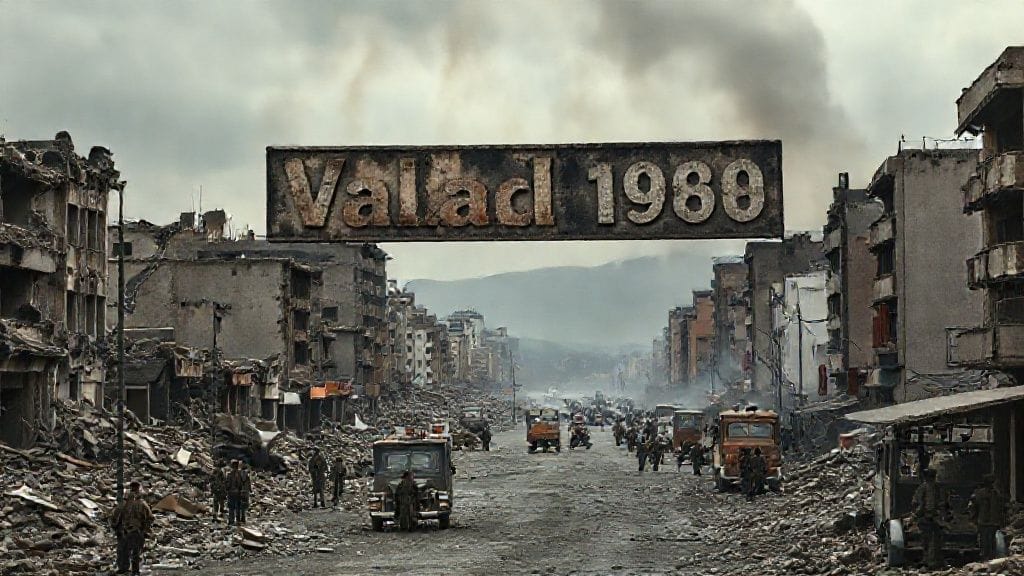
Streets, once filled with life and commerce, became graveyards of stone and human misery. The Great Church of Antioch, a symbol of faith and community, was destroyed. Homes, government buildings, and marketplaces were leveled.
Survivors wandered among ruins, desperately seeking loved ones or shelter. The psychological trauma was immense—loss compounded loss as cholera and famine threatened amid the chaos.
The social fabric frayed: gangs looted the dead, and displaced citizens faced starvation and exposure. Antioch’s economic arteries were severed; trade halted as merchants fled the carnage.
7. Survivors’ Voices: Eyewitness Accounts and Chronicles
Our understanding of the disaster is partly thanks to historians such as John Malalas and Evagrius Scholasticus, who documented the quake in vivid prose. Malalas, a native Antiochene, described buildings “torn apart as if by a whirlwind” and shockwaves “felt across the whole of Syria.”
Personal letters and sermons from the period reveal a pervasive sense of divine judgment. One anonymous account tells of a woman clutching her child amid ruins, whispering prayers to saints for salvation.
These testimonies give voice to the human cost beyond the staggering numbers—individual grief and resilience amidst overwhelming destruction.
8. Emperor Justinian’s Reign and the Limits of Rescue
Though the earthquake predated Justinian I’s accession by just a few months, the emperor inherited the disaster’s aftermath. Known for his ambition to restore the Roman Empire’s glory, Justinian launched relief efforts, providing food, medical aid, and funding for reconstruction.
Nonetheless, the sheer scale of the devastation challenged imperial resources. Roads and communication were disrupted. The political machinery strained to maintain order and authority, especially as rumors and religious tensions deepened.
Justinian’s response patterned the Byzantine approach to catastrophe, blending piety with pragmatism but also revealing the vulnerabilities of centralized power.
9. Urban Devastation: The Physical, Economic, and Social Impact
Antioch was the third-largest city in the Byzantine Empire, and its destruction sent shockwaves far beyond its walls. The loss of life was staggering, and the collapse of infrastructure crippled commerce.
Wealthy citizens fled, altering demographic patterns; artisans and workers found themselves unemployed or dead. Religious institutions faced ruin, yet also became centers of relief and rebuilding.
The earthquake disrupted grain supplies vital for the empire’s stability, contributing to famine and economic downturn. The city's port lost its accessibility, harming trade networks stretching from the Mediterranean to the Silk Road.
Critically, the disaster raised questions about urban resilience in antiquity, challenging assumptions about city planning and imperial protection.
10. Waves of Aftershocks and the Lingering Terror
The main shock was soon followed by a sequence of aftershocks that kept fear alive for weeks and months. People remained reluctant to return to ruined homes, building temporary shelters and camps outside city boundaries.
These tremors damaged already weakened structures, delaying reconstruction and driving many inhabitants deeper into despair.
Though underreported in the grand narratives of history, such aftershocks remind us that natural disasters are more than instantaneous events—they unfold as complex processes that reshape societies over time.
11. Antioch’s Role in Early Christianity and How the Earthquake Shaped It
Byzantine Antioch held special significance as one of Christianity’s earliest centers. Its bishopric was famed, and the city had witnessed theological debates that shaped orthodoxy.
The earthquake devastated churches vital to the community’s spiritual life—like the Church of St. Peter, traditionally considered one of Christianity’s earliest sanctuaries.
In the disaster’s wake, religious leaders struggled to interpret the catastrophe’s meaning. Was it divine punishment? A test of faith? A call to repentance? Many sermons urged unity and moral reform to heal the wounded city and soul.
Moreover, rebuilding church structures symbolized hope and continuity amid the ashes.
12. Relief Efforts and the Challenge of Rebuilding a Fallen City
Reconstruction of Antioch was a slow and fraught process. Justinian’s administration allocated funds and manpower, but problems abounded: shortages of materials, labor, and political will slowed progress.
The earthquake had hollowed out Antioch's population, and many survivors chose to resettle elsewhere, particularly in more secure coastal cities.
Yet, over decades, Antioch’s ruins gave way to new foundations. Architects introduced modest innovations in building techniques, wary of the earth’s unpredictable wrath.
The disaster transformed not only the cityscape but local governance and imperial policies concerning urban safety.
13. The Earthquake in Imperial and Local Memory
The catastrophe did not fade silently. Byzantine historians referenced it as a benchmark for natural disasters. It entered folk memory and religious liturgy as a symbol of human frailty.
Churches held commemorative masses; poets and chroniclers wove the tragedy into a narrative that blended fact and metaphor. The earthquake became also a cautionary tale about hubris—both human and imperial.
Over centuries, Antioch’s story inspired reflections on loss, endurance, and renewal—an enduring legacy bridging history and myth.
14. A City Always Rising: The Later History of Antioch
Though devastated in 526, Antioch was not lost to history. The city experienced subsequent earthquakes, Persian invasions, and Arab conquests, each time demonstrating remarkable resilience.
Its eventual decline as a political and economic center did not erase its cultural importance. Archaeological discoveries reveal the layers of destruction and rebirth, pointing to a vibrant cityscape reconstructed from its own ashes.
Antioch’s story epitomizes the persistent human will to rebuild in the face of overwhelming natural and political forces.
15. Lessons from the Ruins: Earthquake Science and Historical Seismology
The Antioch earthquake of 526 remains a landmark event in the study of ancient natural disasters. Modern seismology looks back to such events to understand seismic risk in historically active regions.
The tragedy also teaches us about the limitations of ancient urban planning, the importance of emergency response, and the profound psychological impact of sudden catastrophe.
By studying Antioch’s experience, scholars gain insight into how societies interpret, remember, and adapt to the volatile earth beneath their feet.
16. Conclusion: The Earthquake That Echoed Through Time
The earthquake that shattered Antioch in 526 was more than a natural disaster—it was a profound human tragedy that unraveled the fabric of an empire’s jewel city. It exposed vulnerabilities in Byzantine Syria but also highlighted resilience, faith, and determination.
In its ruins lie lessons on mortality, faith, and the relentless rhythms of history. The city may have crumbled, but its story echoes still, a poignant reminder of the fragile alliance between humankind and nature.
Through the voices of survivors, the pens of chroniclers, and the dust beneath modern feet, Antioch’s quake remains a vivid testament to the power of earth to both destroy and define civilizations.
FAQs: Understanding the Antioch Earthquake of 526
Q1: What caused the Antioch earthquake of 526?
A1: The earthquake was caused by tectonic activity along the Dead Sea Transform fault system, where the Arabian and African plates interact. This region is known for seismic instability.
Q2: How deadly was the earthquake?
A2: Estimates vary, but ancient sources suggest around 250,000 people died, making it one of the deadliest earthquakes in recorded history.
Q3: What was the political context during the earthquake?
A3: The earthquake occurred during the reign of Emperor Justin I, just before Justinian I became emperor. Antioch was a vital center of the Byzantine Empire and religious tensions were high.
Q4: How did the earthquake affect Antioch’s religious institutions?
A4: Major churches were destroyed, and religious leaders interpreted the disaster as divine punishment, calling for repentance and unity.
Q5: Was Antioch rebuilt after the earthquake?
A5: Yes, though reconstruction was slow and challenging. The population declined, but the city endured and was rebuilt over subsequent decades.
Q6: What sources inform us about the earthquake?
A6: Chronicles by historians like John Malalas and Evagrius Scholasticus, as well as archaeological evidence and later Byzantine writings.
Q7: What legacy did the earthquake leave for Byzantine society?
A7: It exposed imperial vulnerabilities, influenced urban planning and disaster response, and entered cultural memory as a symbol of human fragility and resilience.
Q8: How does modern science view this earthquake?
A8: It is studied as a significant historical seismic event, helping to understand fault behavior and risk in the Eastern Mediterranean region.