Table of Contents
- The First Tremors Before Dawn: A Night Shaken in Arequipa
- Setting the Stage: Peru’s Geological Restlessness and Social Landscape
- The Calm Before the Quake: Life in Camana and Arequipa’s Clouded Skies
- June 23rd, 2001: The Earth Awakens — The Cataclysmic Moment
- The Epicenter Revealed: Forces Beneath the Surface
- Immediate Aftermath: Chaos in the Streets and Fear in Homes
- The Human Toll: Lives Lost, Families Shattered, Communities Displaced
- Rescue and Relief Efforts: Heroism Amidst Rubble
- Government Response: Coordination, Critique, and Crisis Management
- International Aid and Solidarity: When the World Watches and Acts
- Infrastructure in Ruins: Damage Assessment and Urban Fragility
- Psychological Impact: Trauma and Resilience in a Shaken Population
- The Role of Media: Narratives, Images, and Public Perception
- Scientific Lessons: Advances in Seismology Triggered by the Tragedy
- Reconstruction and Renewal: Rebuilding with Caution and Hope
- Long-Term Socioeconomic Consequences: Poverty, Migration, and Development
- Cultural Memory: Remembering the Earthquake Through Art and Storytelling
- Comparing Arequipa’s Earthquake with Past Peruvian Seismic Events
- The Quake’s Place in Peru’s National Identity and Disaster Preparedness
- Conclusion: From Ruin to Resilience — The Enduring Legacy of Camana’s Earthquake
- FAQs: Understanding the 2001 Arequipa Earthquake
- External Resource
- Internal Link
The First Tremors Before Dawn: A Night Shaken in Arequipa
Before the sun cast its golden hues over the southern Peruvian coast on June 23, 2001, the residents of Arequipa and nearby Camana were already restless. There was a silence felt too heavy, a tension too subtle to articulate, as if the earth held its breath. At approximately 5:30 a.m., a violent jolt shattered the fragile morning calm — an earthquake measuring 8.4 on the moment magnitude scale tore through the region, dragging dreams and lives into chaos. Buildings swayed perilously, dust clouded the skies, and mothers clutched their children in terror. This was not just a geological event; it was a rupture of reality.
Yet, this seismic shock was more than a mere flash in the tectonic drama of the Pacific Ring of Fire. It was a pivotal moment for Peru, a tragic chapter written in broken concrete and bereaved families, but one that would also reveal the breadth of human resilience beneath the shaking soil.
Setting the Stage: Peru’s Geological Restlessness and Social Landscape
To understand the forces unleashed that day, one must first look beneath the surface—both literally and figuratively. Peru sits on one of the most volatile tectonic boundaries on Earth, where the Nazca Plate relentlessly plunges beneath the South American Plate. This subduction zone, responsible for creating the towering Andes, is also a wellspring of seismic fury.
Arequipa, named the “White City” for its gleaming sillar volcanic stone, rests precariously near these geological fault lines. Beneath its streets, the earth is a silent but simmering cauldron, where pressure builds over decades, waiting for the moment of release.
Socially, southern Peru in 2001 was a tapestry of contrasts — indigenous traditions intermingled with urban growth, economic challenges, and a fragile infrastructure unable to withstand the whims of nature. Remote Andean villages juxtaposed with the bustling port town of Camana, whose coastal economy thrived on fishing and trade but was equally vulnerable to natural disasters.
Against this backdrop of earth and society simmering on fault lines, the June quake would expose both natural hazards and the limits of human preparedness.
The Calm Before the Quake: Life in Camana and Arequipa’s Clouded Skies
On the eve of the earthquake, Arequipa’s skies were heavy with clouds, the air humid and restless. For many residents, June was a month of reflection and renewal, as customs marked midyear with festivals and gatherings. In Camana, a bustling coastal town barely 70 kilometers from Arequipa, fishermen prepared their boats at the docks, unaware that the sea they plied was also a vector of deep peril.
Economic hardship was no stranger here. Houses constructed with adobe and other local materials were charming and traditional, yet fragile when faced with the fury of seismic forces. Public buildings, schools, and hospitals often stood vulnerable — a ticking time bomb in the city planner’s shadows.
The earthquake ignited in the early hours, before dawn’s light could offer comfort or clarity. Those who were asleep found themselves thrown into confusion, awoken by a world suddenly unsteady and unraveling.
June 23rd, 2001: The Earth Awakens — The Cataclysmic Moment
At 5:33 a.m. local time, the earth convulsed violently. The powerful magnitude 8.4 quake was felt across southern Peru, its epicenter off the coast near Camana sending tremors deep inland. In the first few seconds, seconds that seemed to stretch into lifetimes, walls cracked, windows shattered, and the air filled with dust and screams.
Eyewitnesses would recall the surreal sensation of being tossed about like leaves in a storm. A merchant in Camana’s market described the earth “breathing fire and fury,” as if the mountain itself was alive and wrathful.
This was no isolated shaking but a cascade of seismic waves rippling across the region, triggering aftershocks that would terrorize the population for weeks.
The Epicenter Revealed: Forces Beneath the Surface
Seismologists quickly traced the origin to the subduction interface offshore, where the Nazca Plate’s relentless slide under the continental crust had finally ruptured in a massive release of pent-up energy. The fault rupture extended beneath the ocean, generating a minor tsunami that struck the coast, adding to the devastation.
The earthquake’s mechanics revealed a megathrust event — where enormous plates slip violently. Such quakes are the most powerful on the planet and have the dual threats of ground shaking and water displacement. The 2001 Arequipa quake was a grim reminder of this double hazard.
Immediate Aftermath: Chaos in the Streets and Fear in Homes
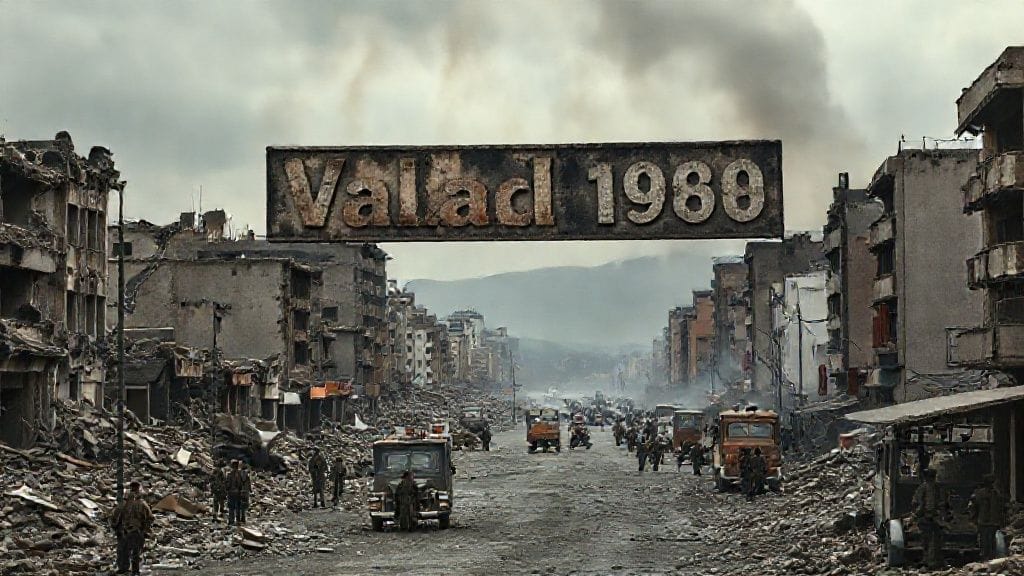
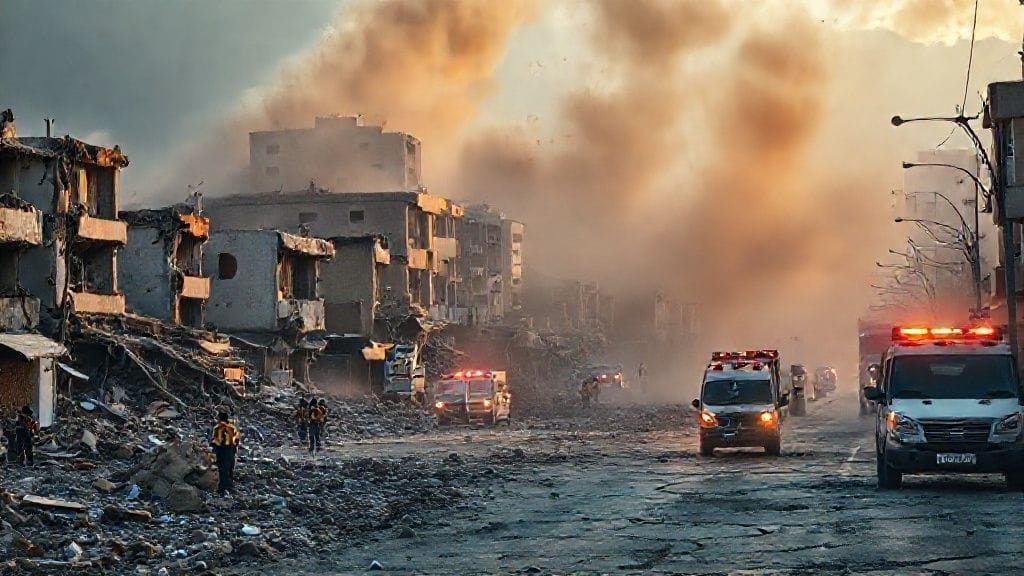
When the tremors ceased, a ghostly silence hovered, broken only by cries for help and collapsing structures. Streets were littered with debris, and many areas plunged into darkness due to power outages. In Camana, many homes were reduced to rubble; hospitals overwhelmed, clinics damaged, and basic services disrupted.
Survivors emerged cautiously, crawling from shattered homes or climbing down collapsed stairs. Public squares became impromptu shelters where neighbors sought solace in shared misery. The emotional weight was as crushing as the physical destruction — uncertainty and fear gripped every heart.
The Human Toll: Lives Lost, Families Shattered, Communities Displaced
Official estimates later recorded over 80 deaths and hundreds injured, but for every number was a story — a mother searching for her child in debris, an elderly couple uprooted from a lifetime’s home, a townsfolk mourning friends and neighbors lost without notice.
Countless families found themselves homeless overnight. Makeshift camps formed under open skies, as aftershocks warned that the earth was far from done.
The quake revealed stark social vulnerabilities — poorly built homes, lacking early warning systems, and inadequate disaster preparedness magnified human suffering.
Rescue and Relief Efforts: Heroism Amidst Rubble
Amidst the ruins, remarkable acts of courage emerged. Local firefighters, police officers, and ordinary citizens formed rescue brigades that dug through collapsed houses with bare hands. Stories of children pulled from dust piles after hours became beacons of hope.
Community volunteers organized aid centers, delivering food, water, and blankets even as aftershocks battered the region. The spirit of solidarity — a deep-rooted cultural trait in Peru — shone brightly in a nation under duress.
Government Response: Coordination, Critique, and Crisis Management
The Peruvian government, alerted by early seismic data and reports flooding in, declared a state of emergency for Arequipa and neighboring provinces. Military and civil defense units mobilized rapidly to assist displaced populations and secure hazardous zones.
However, the crisis illuminated systemic weaknesses: slow communication, insufficient resources, and the challenge of reaching remote villages. Criticism arose over delays in relief and rebuilding, underscoring the tension between the urgent need for aid and bureaucratic inertia.
International Aid and Solidarity: When the World Watches and Acts
News of the quake stirred empathy worldwide. Neighboring countries, international organizations, and NGOs swiftly offered assistance. The United Nations and Red Cross mobilized teams for medical aid, infrastructure repair, and logistics.
Global solidarity poured into Arequipa — not only in funds and supplies but in expertise, helping Peru to better understand and prepare for future seismic hazards.
Infrastructure in Ruins: Damage Assessment and Urban Fragility
The scale of damage revealed stark vulnerabilities. Historic buildings in Arequipa’s picturesque center, many made of volcanic tuff, showed severe cracks and considerable risk of collapse. Roads and bridges suffered fractures, complicating relief operations.
Camana’s coastal facilities — docks, fish markets, and warehouses — were devastated, crippling the local economy. The earthquake exposed the urgency for updated building codes and resilient urban planning in Peru’s earthquake zones.
Psychological Impact: Trauma and Resilience in a Shaken Population
Beyond material losses, the earthquake left a deep psychological scar. PTSD, anxiety, and grief affected survivors, especially children. Yet, within this trauma, psychologists and community leaders noted remarkable resilience.
Traditional practices of communal support, storytelling, and ritual helped many process the catastrophe. Songs and poetry emerged, transforming pain into remembrance, a vital part of healing.
The Role of Media: Narratives, Images, and Public Perception
The 2001 Arequipa earthquake was broadcast nationally and internationally, its images stirring hearts and shaping public discourse. Media coverage played a dual role — raising awareness and aid, but also sometimes fueling fear and sensationalism.
The press spotlighted stories of heroism and tragedy, bringing distant viewers into the immediacy of the disaster. This coverage influenced both political decisions and the mobilization of resources.
Scientific Lessons: Advances in Seismology Triggered by the Tragedy
Scientists seized the event as a case study. Data collected contributed to a better understanding of the seismic behavior of the Nazca Plate, refining models for earthquake prediction and risk assessment.
The disaster accelerated investments in seismic monitoring networks in Peru, sparking research collaborations and a new era of earthquake science in South America.
Reconstruction and Renewal: Rebuilding with Caution and Hope
In the months and years after June 23, reconstruction efforts transformed the battered landscape. New housing projects incorporated earthquake-resistant design; public works improved; early warning systems expanded.
Yet, rebuilding also raised questions of equity — who received aid first, how to rebuild culturally significant sites, and how to balance modernization with tradition.
Long-Term Socioeconomic Consequences: Poverty, Migration, and Development
The quake aggravated existing inequalities. Many impoverished families found recovery a steep uphill climb, some forced to migrate towards Lima or other urban centers seeking work.
Economic disruption in Arequipa’s industries and agriculture slowed regional growth. Conversely, infrastructure investment post-quake opened new development possibilities — a paradox of disaster-driven modernization.
Cultural Memory: Remembering the Earthquake Through Art and Storytelling
Folk songs, murals, and commemorative events emerged, ensuring that the earthquake’s memory remained vivid. In schools, children learned the history of 2001 as both a warning and a source of pride in community response.
This cultural memory reinforced a collective identity bound to the land — vulnerable but resolute.
Comparing Arequipa’s Earthquake with Past Peruvian Seismic Events
Peru’s history of earthquakes is long and tragic, from the 1970 Ancash earthquake to earlier colonial jolts. The 2001 Arequipa quake stood out in magnitude and impact but also revealed progress in preparedness.
Comparisons highlighted persistent challenges: poverty, urban sprawl, and geological unpredictability remain constants.
The Quake’s Place in Peru’s National Identity and Disaster Preparedness
June 23, 2001, has become a touchstone in Peru’s narrative of endurance. It underscored the necessity of vigilance, education, and investment in infrastructure.
National policies evolved, disaster drills became commonplace, and civil defense organizations strengthened — a testament to learning born from tragedy.
Conclusion: From Ruin to Resilience — The Enduring Legacy of Camana’s Earthquake
The Arequipa earthquake of 2001 was, and remains, a dramatic chapter in Peru’s intertwining of earth and humanity. It tore apart homes but also knitted communities ever closer in shared struggle.
Its legacy is complex: a stark reminder of nature’s power, a critique of human vulnerability, and ultimately, a story of resilience that continues to inspire. From the dust and despair rose a renewed commitment — to respect the land that both gives life and, at times, demands sacrifice.
It is a story etched not just in seismic records, but in the hearts of those who lived it and those who remember.
FAQs
Q1: What caused the Arequipa (Camana) earthquake in 2001?
A1: The earthquake was caused by the subduction of the Nazca Plate beneath the South American Plate. This tectonic interaction created a megathrust rupture offshore, releasing vast seismic energy.
Q2: How strong was the earthquake and how far was it felt?
A2: The quake measured 8.4 on the moment magnitude scale and was felt across southern Peru and neighboring regions, including severe shaking in Arequipa and Camana.
Q3: What was the immediate human impact of the earthquake?
A3: Over 80 people lost their lives, hundreds were injured, and thousands were displaced. Many buildings and infrastructure were severely damaged or destroyed.
Q4: How did the Peruvian government respond to the disaster?
A4: The government declared a state of emergency, mobilized military and civil defense units for rescue and aid, but faced criticisms regarding delays and coordination issues.
Q5: What role did international aid play after the earthquake?
A5: Numerous international organizations and neighboring countries provided humanitarian assistance, medical aid, and technical support, aiding Peru's rescue and reconstruction efforts.
Q6: Did this earthquake lead to improvements in Peru’s disaster preparedness?
A6: Yes, the event accelerated investments in seismic monitoring, reinforced building regulations, and increased public awareness of earthquake risks.
Q7: How is the 2001 earthquake remembered culturally in Arequipa and Peru?
A7: Through songs, art, commemorations, and education, the earthquake remains a poignant part of local and national identity, symbolizing both tragedy and resilience.
Q8: How does the 2001 Arequipa earthquake compare to previous quakes in Peru's history?
A8: It was one of the most powerful recent earthquakes in southern Peru, highlighting advances in science and preparedness but also persistent social vulnerabilities.