Table of Contents
- The Calm Before the Wave: Peruvian Coastlines in Early 2001
- A Pacific Giant Awakens: Tectonic Setting of the Arequipa–Camana Region
- June 23, 2001: Dawn Shatters with a Deafening Roar
- The Earthquake That Set the Ocean in Motion
- An Invisible Menace: The Birth of the Tsunami
- Warning Signs Ignored: The Challenge of Early Detection
- Arequipa and Camana: Cities on the Brink
- The First Walls of Water: Tsunami’s Initial Impact
- Chaos Unleashed: Human Stories from the Shoreline
- Rescue and Response amid Ruins
- The Role of Local Authorities and International Aid
- Scientific Scrutiny: Unraveling the Mechanics of the Tsunami
- Geological Aftershocks and the Changing Landscape
- Economic Ripples: Agriculture, Fishing, and Trade in Turmoil
- The Psychological Aftermath: Communities in Trauma
- Lessons Learned: Advances in Tsunami Preparedness
- Memorializing the Tragedy: Remembering Lives Lost
- From Disaster to Resilience: Rebuilding Arequipa and Camana
- The 2001 Tsunami in the Global Context of Pacific Seismicity
- Reflection: The Enduring Relationship Between Humans and the Sea
The Calm Before the Wave: Peruvian Coastlines in Early 2001
In the quiet hours before dawn on June 23, 2001, the coast of southern Peru whispered with the soft rhythm of the Pacific—waves cresting gently against the shores of Arequipa and Camaná. The sun’s first light was a soft glow on the horizon, hinting at the warmth a new day would bring. Fishermen prepared their nets, markets bustled with merchants trading their goods, and families stirred in humble homes, many unconscious of the cataclysmic ordeal that would uproot their lives within hours.
The air was thick with the salty breath of the ocean, serene and unthreatening. But beneath the seabed, monumental forces churned. This calm was deceptive. The earth was about to remind a growing population, nestled along a volatile coastline, of its raw and unforgiving power.
A Pacific Giant Awakens: Tectonic Setting of the Arequipa–Camana Region
To understand the tragic events that unfolded, one must peer into the restless foundations beneath the ocean and land. Arequipa and Camaná are perched along the Pacific “Ring of Fire,” a horseshoe-shaped belt infamous for its seismic intensity. Here, the Nazca Plate slides inexorably beneath the South American Plate in what is known as a subduction zone.
This movement, slow on a human scale but relentless over centuries, stored colossal tension. It is this tectonic dance that gave birth to a powerful earthquake on that fateful day. The region’s geology makes it a hotbed for natural disasters—earthquakes and tsunamis lurk as latent threats, waiting for the next rupture.
Local populations had witnessed such events before, though the 2001 tsunami would prove uniquely devastating in recent memory. The seafloor’s sudden shift would trigger a violent pulse, sending waves racing outward with terrifying speed and force.
June 23, 2001: Dawn Shatters with a Deafening Roar
At precisely 4:15 a.m. local time, an earthquake registering 8.4 on the Richter scale erupted off the southern coast near Arequipa. The earth groaned and cracked as plates violently slipped past each other. For seconds that felt like eternities, the ground beneath cities trembled with ruthless intensity.
Homes shuddered, windows shattered, and streets cracked. The sound was a deep rumble, growing into an anguished roar that echoed through narrow alleys and wide plazas. Many residents awakened abruptly, hearts hammering against chests, senses overwhelmed.
This seismic convulsion was more than an earthquake—it was a brutal preamble to the disaster that followed. Unbeknownst to most, the ocean beneath was beginning its silent and deadly response.
The Earthquake That Set the Ocean in Motion
The massive earthquake abruptly displaced a vast volume of seawater along the seafloor. Hundreds of cubic kilometers of water surged upward and outward in a swift and destructive motion. The ocean’s surface, normally calm and predictable, was violently reshaped within moments.
Tsunamis are unlike normal waves—they have tremendous wavelengths and travel at jet-like speeds. In the open ocean, these waves are barely noticeable, rising only a few centimeters as they race hundreds of kilometers per hour. But as the water approaches shallower continental shelves, it slows and grows in height, becoming a monstrous, wall-like wave.
This hideous transformation was about to strike the shores of Arequipa and Camaná, shattering homes, severing lives, and altering the region forever.
An Invisible Menace: The Birth of the Tsunami
Following the initial tremors, the first indicator of impending doom came not with another quake, but with an eerie withdrawal of water along the coastline. Fishing boats moored along the shores found themselves stranded on dry sand as the sea inexplicably receded.
This phenomenon—known as “drawback”—is a harbinger of tsunamis worldwide. Few locals understood its significance, and many thought the ocean’s unusual retreat a blessing, an opportunity to collect sea life exposed on the seabed.
But the sea was merely inhaling, preparing to exhale with devastating force.
Warning Signs Ignored: The Challenge of Early Detection
In 2001, Peru lacked a robust tsunami warning system on par with nations like Japan or the United States. Although seismic networks quickly identified the earthquake, the ability to swiftly inform coastal communities was limited.
Many residents were unaware of the specific risks or how to respond. The ocean’s strange retreat was seen as an oddity rather than a clear alarm bell. This gap in communication and understanding tragically compounded the disaster’s impact.
Local authorities scrambled to mobilize after the shaking, but precious minutes slipped away. The next wave was already racing toward the coast.
Arequipa and Camana: Cities on the Brink
Arequipa, Peru’s second-largest city, and the smaller coastal town of Camaná sat dangerously close to the ocean, with bustling ports and thriving fishing industries. Their economies and cultures were deeply intertwined with the Pacific’s fickle temperament.
On that morning, dangers once thought distant became immediate. Parents clutched children, neighbors shouted warnings, and sirens—where they worked—cut through the heavy air.
But infrastructure was not designed for such a fast-moving catastrophe. Evacuation was chaotic and incomplete, especially for remote hamlets along the shoreline.
The First Walls of Water: Tsunami’s Initial Impact
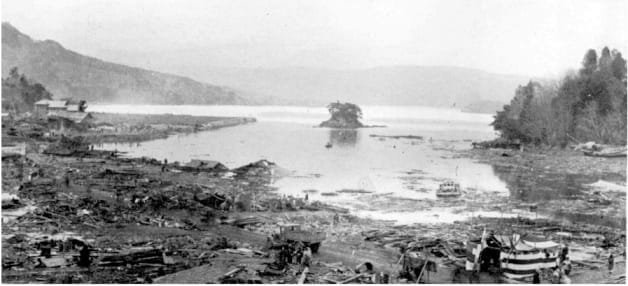
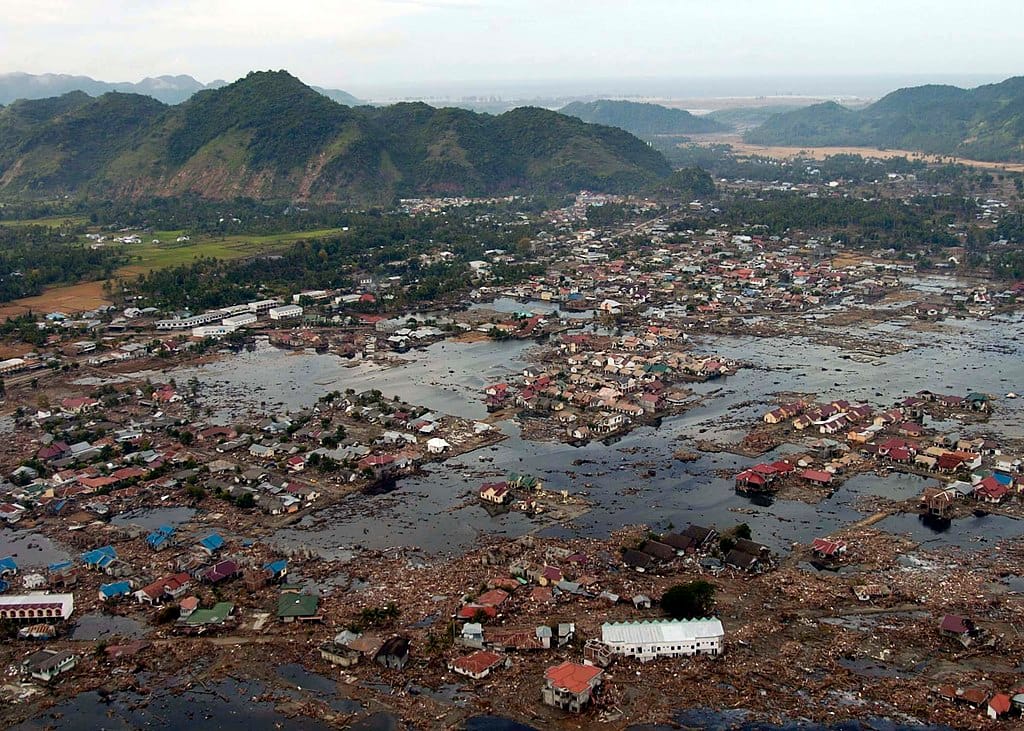
Moments after the ocean retreated, the tsunami’s first wave crashed relentlessly onto the coast. In Arequipa and Camaná, it reached heights exceeding 6 meters (nearly 20 feet) in some locations. The force was a ferocious battering ram, sweeping away buildings, vehicles, and lives.
Streets turned into rivers of devastation; wooden homes were splintered, and concrete structures collapsed. The water's frigid grip dragged many into its abyssal depths. Those who escaped bore witness to unimaginable destruction.
Eyewitnesses described a surreal scene—walls of water roaring louder than thunder, swallowing everything in their path as if the sea itself had turned vengeful.
Chaos Unleashed: Human Stories from the Shoreline
Individual tales illuminated the scale of tragedy. Manuel Torres, a local fisherman, narrowly escaped his capsizing boat but lost his home and family in the flood. Maria Alegría, a market vendor in Camaná, resuscitated neighbors pulled from the wreckage, saving lives with nothing but sheer will.
Children were separated from parents; entire neighborhoods were displaced. Hospitals overflowed with injured victims. The shock pulsated not just physically but emotionally—a collective trauma imprinting itself onto the community’s soul.
Rescue and Response amid Ruins
In the aftermath, rescue became a race against time. Local volunteers, police, and military units converged on devastated zones, digging through rubble and searching for survivors. Makeshift shelters sprung up in parks and schools, sheltering thousands left homeless.
Medical teams struggled with limited resources, battling infections and injuries while coping with the psychological strain. Communications were patchy; roads were blocked and damaged, complicating external aid efforts.
Yet, despite overwhelming odds, solidarity bloomed in unexpected places—neighbors helped neighbors, strangers brought food and water, and hope flickered in the darkest hours.
The Role of Local Authorities and International Aid
The Peruvian government mobilized its emergency protocols, though these were tested harshly by the tsunami’s scale. International aid agencies soon arrived, sending food, medical supplies, and technical experts.
Japan, the United States, and UNESCO contributed knowledge and resources for disaster management. The event underscored the region’s vulnerability and the pressing need for improved preparedness and infrastructure.
Coordination between local and international actors was not always smooth but ultimately reinforced global links of humanitarian cooperation.
Scientific Scrutiny: Unraveling the Mechanics of the Tsunami
Seismologists and oceanographers dove into post-event analyses to understand the earthquake’s dynamics and the tsunami’s propagation. Data from seafloor sensors, tidal gauges, and satellite imagery revealed the quake’s rupture zone and the wave’s travel paths.
Studies demonstrated how underwater landslides companioned the seismic event, amplifying wave heights in certain sectors. These insights helped refine global models for tsunami prediction and hazard mapping.
The Arequipa–Camana tsunami became a case study in Pacific tectonics, emphasizing the need for localized warnings based on complex geological interactions.
Geological Aftershocks and the Changing Landscape
In the weeks following June 23, numerous aftershocks shook the region. These tremors, while smaller, sustained a climate of anxiety and hampered rebuilding efforts.
Coastal geography was noticeably altered: beaches eroded, cliffs destabilized, and new sediment deposits reshaped harbors. Earth’s relentless transformation of human environments was evident, a reminder that nature’s work is never done.
Economic Ripples: Agriculture, Fishing, and Trade in Turmoil
The tsunami devastated local economies. The fishing fleet, a lifeline for many families, was wrecked or lost. Saltwater inundation spoiled fertile fields, jeopardizing yields of sugar cane, rice, and fruit.
Ports suffered damage that slowed commercial traffic essential for exports. The economic shockwaves radiated beyond the immediate coastal belt, affecting regional markets and livelihoods.
Recovery budgets had to incorporate not just infrastructure rebuilding but economic rehabilitation programs. The disaster exposed weaknesses in economic resilience to natural calamities.
The Psychological Aftermath: Communities in Trauma
Beyond physical destruction, the tsunami left deep psychological scars. Survivors grappled with grief for lost loved ones, fear of recurrence, and the trauma of displacement.
Mental health services were scarce, compounding struggles. Yet communal rituals — mass vigils, rebuilding projects, memorial ceremonies — fostered collective healing and resilience.
Scholars who later studied the event emphasized the importance of integrating psychosocial support in disaster response, especially in vulnerable populations.
Lessons Learned: Advances in Tsunami Preparedness
The catastrophe served as a catalyst for change. Peru invested in improved seismic and tsunami monitoring, establishing coastal sirens and emergency education campaigns.
Community drills became routine, teaching residents to heed natural warnings like drawback or strong shaking. Collaboration with international scientific institutions enhanced data sharing and emergency protocols.
These steps have not eradicated the risk but empowered societies to respond with greater knowledge and speed.
Memorializing the Tragedy: Remembering Lives Lost
In Arequipa and Camaná, monuments and murals commemorate those who perished and celebrate the survivors’ courage. Annual ceremonies mark June 23, a day of remembrance and reflection.
These acts honor history while educating new generations about respect for nature’s forces. They anchor community identity in shared memory, blending sorrow with strength.
From Disaster to Resilience: Rebuilding Arequipa and Camana
The post-tsunami years brought renewal. Infrastructure was rebuilt with greater resilience to seismic activity. New housing projects incorporated disaster-resistant designs.
Economic diversification was promoted to reduce overdependence on vulnerable sectors. Efforts to protect coastal ecosystems, such as mangrove planting, began to buffer future waves.
Residents, scarred but unbowed, forged a renewed bond with their land and sea, determined to face uncertain futures with courage.
The 2001 Tsunami in the Global Context of Pacific Seismicity
The Arequipa–Camana tsunami joined the annals of Pacific disasters that include the 1960 Chile quake and the 2004 Indian Ocean tsunami. Each elucidated how the ocean can become a vector of destruction following tectonic upheavals.
Comparative study deepened global understanding and underscored the imperative of cooperation in Pacific Rim nations for earthquake and tsunami preparedness.
These collective memories help humanity confront a planet in motion.
Reflection: The Enduring Relationship Between Humans and the Sea
The 2001 tsunami was both a tragedy and a lesson in humility. It revealed the fragile tightrope coastal communities walk between wealth and peril.
Humankind’s fascination and dependence on the sea is primal and profound, yet this event starkly illustrated nature’s ability to reclaim dominion in moments.
In the shadow of disaster, perseverance, remembrance, and respect for natural forces endure—echoing beyond the waves and across generations.
Conclusion
The Arequipa–Camana tsunami of June 23, 2001, was more than a natural disaster; it was a profound human ordeal etched into the memory of Peru’s southern coast. It struck without warning, sweeping away lives, homes, and binaries of safety. Yet, from the wreckage rose stories of resilience, solidarity, and renewal.
This tragedy illuminated the immense forces shaping our planet and the limitations of human foreknowledge. It forced a reckoning with vulnerability and the urgent necessity of preparedness, both technological and communal.
Most importantly, it revealed the strength of communities to face loss, grieve together, and rebuild anew—an enduring testament to the human spirit’s capacity to persist against nature’s most formidable challenges.
FAQs
1. What caused the Arequipa–Camana tsunami in 2001?
The tsunami was triggered by a powerful 8.4 magnitude earthquake offshore of southern Peru, caused by the subduction of the Nazca Plate beneath the South American Plate, which displaced large volumes of seawater.
2. How high were the tsunami waves?
In certain areas along the coast, waves reached heights up to 6 meters (about 20 feet), causing severe flooding and destruction.
3. Were there effective warning systems in place?
At the time, Peru’s tsunami warning systems were limited, resulting in minimal advance notification and contributing to high casualties and damage.
4. What were the main impacts on the local population?
Thousands were displaced, many homes and businesses destroyed, fishery and agriculture severely impacted, and psychological trauma deeply felt among survivors.
5. How did international aid contribute to the recovery?
International agencies provided emergency relief, technical expertise, and support for rebuilding efforts, as well as assistance in upgrading seismic and tsunami monitoring systems.
6. What lessons did Peru learn from this disaster?
The country recognized the need for improved early warning systems, public education, and infrastructure designed to withstand seismic events and tsunamis.
7. How is the tsunami remembered today?
Through memorials, annual remembrance ceremonies, and educational programs aimed at reinforcing the importance of disaster preparedness.
8. Has the geology of the region changed since the tsunami?
Yes, coastal landscapes were altered by sediment displacement and erosion, and ongoing aftershocks contributed to continued geological reshaping.