Table of Contents
- The Frigid Morning Shattered: February 13, 1920
- Lori’s Landscape Before the Rupture
- The Silent Fault Lines Beneath Armenia
- Armenia at the Crossroads: Political and Social Tensions in 1920
- The Earthquake Unfolds: A Moment of Catastrophe
- The Immediate Aftermath: Chaos and Despair in Lori
- The Human Toll: Lives Lost and Communities Shattered
- Rescue Amid Ruins: Local Efforts and Limitations
- A Region on Edge: How the Earthquake Impacted Surrounding Areas
- The Role of the Young Armenian Republic
- The Soviet Shadow Approaches: Geopolitical Ripples
- Human Stories from the Disaster: Survivors’ Voices
- Relief and Reconstruction: Struggles Against Nature and Politics
- Scientific Insight: What We Have Learned About the Seismic Activity
- The Cultural Memory of the 1920 Lori Earthquake
- The Earthquake in Armenian Literature and Art
- Modern Lori and the Legacy of 1920
- Natural Disaster and National Identity
- Comparisons with Other Regional Earthquakes
- Lessons in Preparedness: Armenia’s Evolving Approach
- Conclusion: From Devastation to Endurance
- FAQs: Understanding the Lori Earthquake
- External Resource
- Internal Link
The Frigid Morning Shattered: February 13, 1920
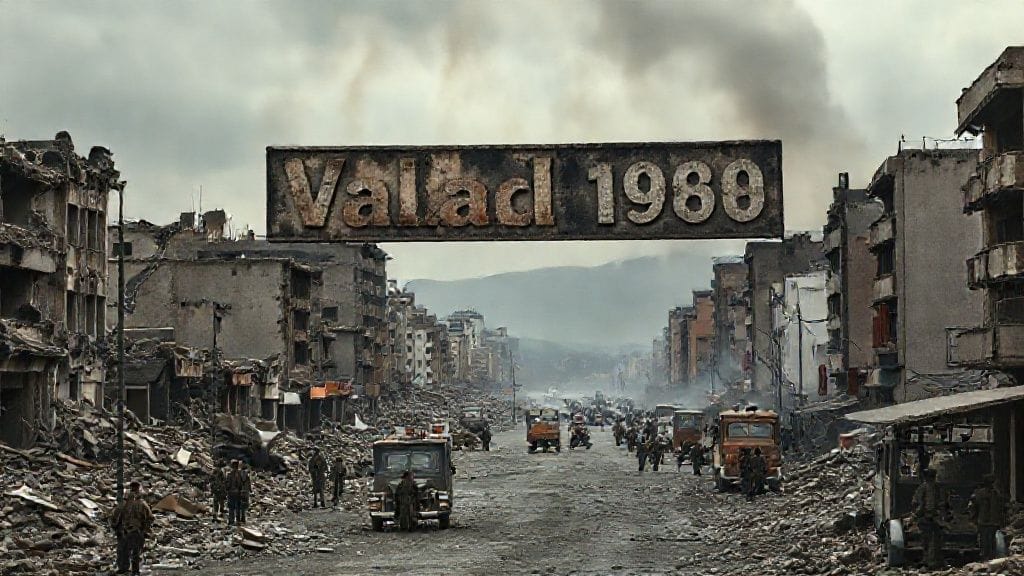
The winter sky hung low and gray over Lori, a mountainous region in northern Armenia, on the morning of February 13, 1920. The land was blanketed in snow, the air sharp and biting, when without warning, the earth convulsed violently beneath the feet of sleepy villagers. Houses, made mostly of timber and stone, groaned under invisible stress before crashing in clouds of dust and splinters. Children cried out, livestock panicked, and within moments, the region was transformed from a quiet rural landscape to a scene of utter devastation.
This was no fleeting tremor—it was a violent upheaval that would leave an indelible mark on Armenia’s history, society, and psyche. The Lori earthquake of 1920 not only shattered the earth but also tore at the fragile fabric of a new nation struggling to assert its place amidst the tumult of post-World War I chaos and nascent Soviet power.
Lori’s Landscape Before the Rupture
Nestled along the spine of the Lesser Caucasus mountains, Lori's terrain is dramatic—deep valleys sliced by rivers, steep ridges, and dense forests that blanket the peaks. Before the earthquake, this region was a patchwork of small villages, ancient monasteries, and agricultural communities that had lived in relative isolation for centuries.
The population was predominantly Armenian, deeply rooted in traditions and religious observance, primarily of the Armenian Apostolic Church. This was a land where the ruggedness of nature fostered a resilient character but also left inhabitants vulnerable to the whims of geological forces.
The villages—Alaverdi, Stepanavan, and others scattered through the valleys—were simple but vibrant, with life revolving around farming, trade on mountain roads, and family networks. The economy was fragile but sufficient, and the cultural heritage rich—monuments from the medieval period scattered like jewels amid nature’s splendor.
But beneath this pastoral tranquility lurked an ancient danger.
The Silent Fault Lines Beneath Armenia
Armenia sits at the crossroads of two colliding tectonic plates: the Arabian and the Eurasian plates. This collision creates intense seismic activity across the Caucasus region. The faults beneath Lori are part of this violent geological ballet.
Although earthquakes had occurred periodically in Armenia’s long history, the area’s seismic risks were poorly documented at the time. The scientific understanding of tectonics was still emerging globally, and in 1920, little was done to anticipate or mitigate earthquake hazards.
The ground beneath Lori had stored stress throughout centuries, and the earthquake was not merely a random act of nature—it was the earth’s way of releasing tectonic tension that had quietly built up along fault lines.
Armenia at the Crossroads: Political and Social Tensions in 1920
The earthquake struck at a moment of profound upheaval. Armenia had declared independence in 1918, following the collapse of the Russian Empire and amidst the chaos of World War I and the Armenian Genocide. The Democratic Republic of Armenia was young, fragile, and beset by internal divisions and external threats.
Politically, the fledgling state struggled against the tides of civil war, territorial disputes with neighboring Azerbaijan and Turkey, and the growing influence of the Bolsheviks. Socially, the country was still reeling from mass population displacements and atrocities.
In Lori, as elsewhere, the earthquake added a terrifying physical crisis to these already overwhelming challenges. The state’s limited resources were stretched thin, and the disaster laid bare the fragility of its structures.
The Earthquake Unfolds: A Moment of Catastrophe
Reports from survivors speak of a devastating tremor lasting several precious seconds—an eternity when one’s life is at stake. The earth heaved and cracked, rocks tumbled from cliffs, and entire homes ruptured and collapsed. The main roads connecting villages were fractured, hampering communication and movement.
The largest tremor came without foreshocks or immediate warnings, catching residents unprepared. Aftershocks followed, some violent enough to cause further damage and panic.
Eyewitness accounts describe windows shattering, children and elders sheltering under tables or doors, and neighbors rushing into snow and cold air to escape crumbling buildings.
The Immediate Aftermath: Chaos and Despair in Lori
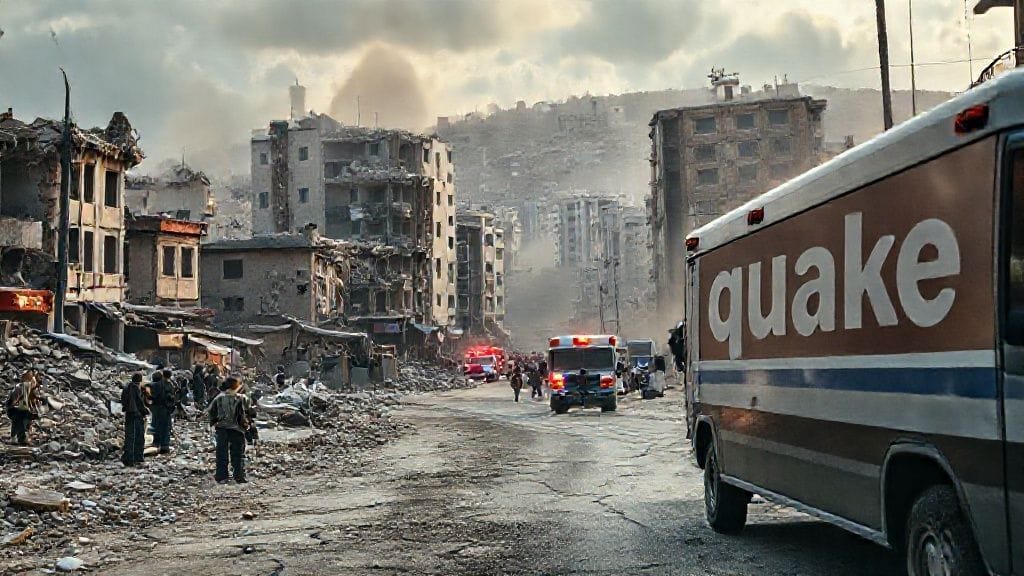
In the hours after the earthquake, the true scope of destruction became clear. Entire villages were flattened or heavily damaged. Water supplies were contaminated or cut off. Fires broke out sporadically, especially where wooden structures still smoldered.
Rescue operations were haphazard, relying on local volunteers and clergy. Medical supplies were scarce, and many injured had to wait days for treatment.
The winter cold added a mercilessness to the catastrophe; survivors scrambled to find shelter from bitter winds and unpacked ruins. Food shortages emerged as stores collapsed or routes to outside aid were blocked.
The Human Toll: Lives Lost and Communities Shattered
Exact figures on the death toll remain unclear, though estimates suggest several thousand perished. Entire families vanished beneath the rubble, elders and children among the hardest hit.
The displacement was vast, forcing the survivors to seek refuge in makeshift camps, neighboring villages, or relatives’ homes. Trauma permeated the survivors’ memories, and the societal impacts were felt for generations.
The emotional wounds mingled with the physical devastation, carving a somber chapter in Armenian communal history.
Rescue Amid Ruins: Local Efforts and Limitations
In the absence of a well-organized governmental response, the burden of rescue fell heavily upon local communities, religious leaders, and volunteers.
Priests and monks from nearby monasteries organized shelters, distributed what food and blankets they could, and offered spiritual solace. Neighboring villages coordinated efforts to recover bodies and dig out survivors, often working through the nights despite exhaustion and fear.
Some foreign aid trickled in, but international focus was elsewhere: Europe was still recovering from the Great War, and Armenia was on a geopolitical periphery.
A Region on Edge: How the Earthquake Impacted Surrounding Areas
Though Lori bore the brunt of the earthquake’s fury, tremors were felt in broader Armenia and parts of Georgia. Secondary damage was reported in adjacent regions, from landslides to infrastructure impairments.
The disaster underscored the interconnectedness—and vulnerability—of mountain communities built along precarious slopes and ravines.
The Role of the Young Armenian Republic
For the Democratic Republic of Armenia, the earthquake was an unwelcome and severe challenge. Already besieged by war and territorial disputes, the government faced an enormous humanitarian crisis it was ill-equipped to manage.
Efforts to coordinate relief and reconstruction were hindered by limited resources, logistical difficulties, and political instability. Nevertheless, the event galvanized early attempts at state-led disaster response, planting seeds for future governance in times of crisis.
The Soviet Shadow Approaches: Geopolitical Ripples
As the dust settled over Lori, broader political forces swept across the Caucasus. By late 1920, Bolshevik forces were preparing to incorporate Armenia into the Soviet sphere.
The earthquake inadvertently weakened the national resistance by draining resources and morale. Soviet propaganda later referenced the disaster as a tragic moment that necessitated "liberation" and stability from Moscow.
The “natural” catastrophe thus became entangled with the man-made upheavals shaping Armenia’s fate.
Human Stories from the Disaster: Survivors’ Voices
Personal testimonies collected in Armenian archives reveal harrowing experiences. One woman recounted pulling her children from the debris despite collapsing structures; a priest described endless funerals amid snowbanks. Another survivor recalled neighbors sharing the only warm meal they could muster for days on end.
These narratives bring to life the human heart of the catastrophe, beyond statistics and official reports, conjuring empathy across the decades.
Relief and Reconstruction: Struggles Against Nature and Politics
Rebuilding Lori was a slow and challenging process. The harsh winter climate and poor transport infrastructure delayed the arrival of supplies and skilled workers. Political changes in the region further complicated efforts, as Soviet authorities took over administrative functions.
Small-scale projects to stabilize slopes, rebuild homes with earthquake-resistant techniques, and restore agriculture marked the early efforts. But the scars on the landscape—and in people’s hearts—remained visible for years.
Scientific Insight: What We Have Learned About the Seismic Activity
Modern seismology has since studied the Lori earthquake as an important episode in the seismic history of the South Caucasus. It serves as a case study of the dangers posed by active faults in the region.
Contemporary techniques reveal that the 1920 event was a moderate to strong earthquake, with an estimated magnitude around 6.5–7.0. The fault rupture triggered landslides and ground fissures still detectable in geomorphological surveys.
These insights have helped Armenian scientists and engineers develop more effective building codes and disaster preparedness strategies.
The Cultural Memory of the 1920 Lori Earthquake
For decades, the earthquake lingered in local memory as a symbol of vulnerability and resilience. Annual commemorations, oral histories, and folklore preserved the memory among communities.
Yet in the national narrative, overshadowed by political tragedies and wars, the event was often a quieter chapter, known intimately by those in Lori but less so elsewhere.
The Earthquake in Armenian Literature and Art
Artists and writers have sporadically drawn upon the earthquake to express themes of loss, endurance, and rebirth. Poetry reflects the silence of the earth after the tremor; paintings depict ruined villages under winter skies.
Through these cultural expressions, the catastrophe transcends its immediate devastation to become part of Armenia’s shared heritage.
Modern Lori and the Legacy of 1920
Today, Lori Region is more developed and connected, with infrastructure improvements that enhance monitoring and disaster response. Yet the mountains hold their ancient risks.
The memory of 1920 serves as a powerful reminder of nature’s force and the human capacity to endure and rebuild.
Natural Disaster and National Identity
The earthquake remains one episode among many that have shaped Armenian identity—an identity forged through survival against overwhelming challenges, both human and environmental.
The Lori earthquake embodies this resilience, a lesson not just in geology but in the spirit of community facing adversity.
Comparisons with Other Regional Earthquakes
In the wider Caucasus and Anatolia, seismic disasters have punctuated history—from the 1939 Erzincan earthquake in Turkey to the 1988 Spitak earthquake in Armenia.
The 1920 Lori earthquake, although smaller in scale, provides early testimony to the dangers here and informs efforts to mitigate future tragedies.
Lessons in Preparedness: Armenia’s Evolving Approach
Today, Armenia has invested significantly in seismic monitoring, emergency response, and public awareness programs. The legacy of past earthquakes, including Lori’s, guides this evolution.
Training exercises, reinforced construction standards, and community education are now pillars of preparedness against the inevitable next rupture.
Conclusion: From Devastation to Endurance
The Lori earthquake of February 13, 1920, remains etched in the landscape and spirit of Armenia. From the shattered homes and lost lives emerged new consciousness—of nature’s power, of human vulnerability, but above all, of the tenacity to confront disaster and rebuild.
In the bitter cold of a winter day nearly a century ago, the earth cracked open, but so too did the resolve of a people determined to endure.
FAQs
Q1: What caused the 1920 Lori earthquake?
The earthquake was caused by tectonic activity at the boundary between the Arabian and Eurasian plates, inducing stress and rupture along active faults beneath the Lori region.
Q2: How strong was the earthquake?
Estimates place the earthquake’s magnitude between 6.5 and 7.0, enough to cause severe damage and high casualties in the affected areas.
Q3: How many people were affected?
Several thousand people reportedly died, and many more were injured or displaced. Precise numbers vary due to limited documentation from the time.
Q4: What was the political context in Armenia at the time?
Armenia was a young republic, struggling for stability and recognition amidst war, territorial conflicts, and the impending Soviet takeover.
Q5: How did the disaster influence Armenia’s future policies?
The earthquake highlighted the need for disaster preparedness and infrastructure resilience, influencing later Soviet and post-Soviet policies on seismic safety.
Q6: Are there memorials or commemorations today?
Local communities in Lori maintain remembrance ceremonies, and the event is part of the broader historical memory of natural disasters in Armenia.
Q7: How does this earthquake compare to the 1988 Spitak earthquake?
The Spitak earthquake was larger (around magnitude 6.8) with greater casualties and destruction, but the 1920 Lori event was a significant earlier tragedy highlighting similar risks.
Q8: What lessons can be drawn from the 1920 earthquake?
Preparedness, resilient infrastructure, early warning systems, and community organization are critical lessons stemming from the event.