Table of Contents
- The Fateful Dawn of January 25, 1999
- Armenia and Quindío: Heart of Colombia’s Coffee Region
- Colombia at the Edge: Political and Social Landscape of the Late 1990s
- The Anatomy of a Disaster: Tectonics Beneath Colombia
- The Earth Trembles: Chronology of the Armenia Earthquake
- Immediate Shockwaves: Human and Structural Toll
- Voices from the Rubble: Eyewitness Accounts and Survivor Stories
- Emergency Response: The Race Against Time
- A City in Ruins: The Human Face of Devastation
- National and International Mobilization for Recovery
- The Role of the Colombian Military and Civil Defense
- Psychological Scars: The Aftermath on Communities
- Economic Consequences: Coffee, Commerce, and Infrastructure
- Rebuilding Armenia: Urban and Social Reconstruction
- Lessons from the Quindío Quake: Disaster Preparedness in Colombia
- Cultural Memory: How the Earthquake Shaped Collective Identity
- Scientific Advances Prompted by the 1999 Earthquake
- The Quindío Earthquake in Comparative Perspective
- The Earthquake’s Echo in Colombian Politics and Policy
- Memorials, Remembrance, and the Passage of Time
The Fateful Dawn of January 25, 1999
The first light of that January morning dawned peacefully over the lush coffee plantations and vibrant streets of Armenia, the vibrant heart of Colombia’s Quindío department. Shops were opening, families preparing breakfast, farmers tending the verdant hillsides. But tranquility shattered with a violent, subterranean roar that jolted the city awake—a powerful earthquake with a magnitude of 6.2 that would forever alter the rhythm of daily life.
At precisely 5:19 a.m., the earth convulsed beneath Armenia. Buildings swayed and cracked; the ground tore asunder in jagged fissures. The air thickened with dust and the anguished cries of those trapped beneath rubble. In just seconds, the region was catapulted into chaos, marking a pivotal moment in Colombia’s modern history—a disaster whose repercussions rippled far beyond the Piedmont valleys of the Coffee Axis.
This was not merely an ephemeral catastrophe; it was a human drama of loss and resilience against nature’s fury and an involuntary redefinition of a community’s identity.
Armenia and Quindío: Heart of Colombia’s Coffee Region
Nestled within Colombia’s lush central Andes, the department of Quindío is renowned as a jewel of the Coffee Cultural Landscape, earning the region UNESCO World Heritage status decades later. Armenia, the capital city, sat at an altitude of approximately 1,500 meters, surrounded by emerald coffee farms and sugarcane fields—a city pulsating with economic vitality rooted in its agrarian traditions.
By 1999, Armenia had grown into a bustling regional hub with roughly 250,000 inhabitants, representing a mix of indigenous heritage, mestizo culture, and waves of migrants attracted by the promise of coffee’s prosperity. The city’s architecture, though vibrant, bore the marks of rapid urban growth without stringent building codes—a vulnerability that the upcoming disaster would reveal all too tragically.
To appreciate the earthquake’s impact, one must understand the intimate connection between the city’s landscape, its people, and their livelihoods woven into the fertile soil of the "Eje Cafetero"—the Coffee Axis. The land was not just an economic asset but a cultural cradle where stories, families, and traditions were steeped in the earth.
Colombia at the Edge: Political and Social Landscape of the Late 1990s
The late 1990s in Colombia were marked by turbulence and hope in equal measure. The nation was grappling with internal conflict, the drug trade’s shadow, and political polarization. At the same time, economic reforms and international engagement sought to stabilize and modernize a country poised for transformation.
In Quindío, these national tensions filtered in via social challenges: rural poverty, uneven development, and pressures from guerrilla groups and paramilitaries. The government’s reach was uneven, and public services in the region barely met the growing urban population's needs.
Against this backdrop, disaster preparedness was limited. Earthquake awareness was negligible among the general population, and the structural integrity of many buildings was far below international safety standards. The city’s vulnerability was an open secret, yet fate seemed cruelly indiscriminate on that January morning.
The Anatomy of a Disaster: Tectonics Beneath Colombia
Colombia sits atop the convergence of several tectonic plates—the Nazca, Caribbean, and South American—which makes it a hotbed of seismic activity. The intricate network of faults, including the Romeral Fault System and the Pereira Fault near Quindío, imparted heightened seismic risk to the region.
The January 25 quake originated along the Romeral Fault, an active thrust fault that had been accumulating strain for decades. At a depth of roughly 17 kilometers, the sudden release of pent-up energy unleashed seismic waves that radiated widely, shaking the earth with devastating force.
While Colombia experiences frequent tremors, the Quindío earthquake ranks among its deadliest in recent history. Its moderate magnitude belied the severity of the damage, amplified by shallow focus and urban density.
This interplay between geology and human habitation sets the stage for how natural forces can exploit societal vulnerabilities—a lesson underscored in the days that followed.
The Earth Trembles: Chronology of the Armenia Earthquake
The catastrophic event unfolded swiftly. At exactly 5:19 a.m., the first violent shock rocked Armenia. Multiple aftershocks followed in rapid succession, preventing rescue efforts and deepening panic.
Buildings, many constructed with unreinforced masonry, crumbled or tilted precariously. Bridges and overpasses buckled. Roads fractured, rendering transportation nearly impossible. Communication networks faltered under the strain.
Within minutes, emergency calls flooded local centers. Yet, in the confusion of the dawn hours, chaos reigned. The tremors lasted barely 45 seconds—a fleeting moment in geological time but an eternity for the city's residents.
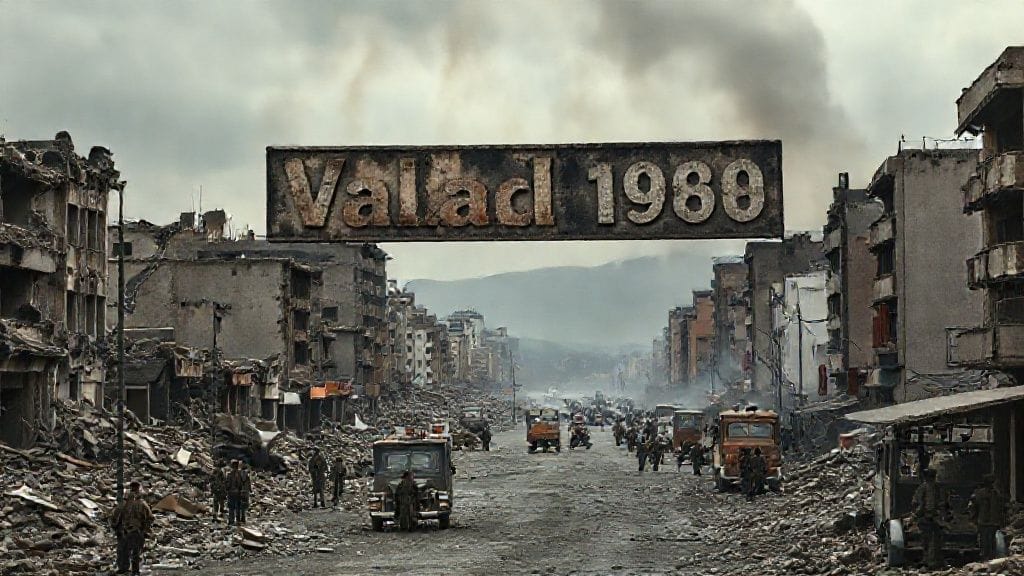
As daylight pierced the dusty haze, the full scale of the destruction began to emerge: collapsed schools, hospitals overwhelmed, families trapped beneath rubble. The quake had not just shaken the earth; it had shaken the very foundations of a community.
Immediate Shockwaves: Human and Structural Toll
By daybreak, the gravity of loss became tragically clear. The official death toll eventually surpassed 1,200, with thousands injured and tens of thousands rendered homeless. Nearly half the city’s buildings suffered damage, and over 20,000 people lost their residences overnight.
The earthquake struck with brutal selectivity: schools and hospitals—traditionally deemed sanctuaries—collapsed, snaring students and patients alike. Entire neighborhoods lay in ruins; critical infrastructure was crippled.
The human cost was profound. Families torn apart, loved ones lost, futures shattered. Beyond the statistics was a tapestry of grief and endurance. Reflecting on this, survivor María Hernández recounted: "I woke to the ground swallowing my home. In those terrifying seconds, I believed I would never see my children again."
Such personal testimonies reveal the emotional depth beneath the stark numbers.
Voices from the Rubble: Eyewitness Accounts and Survivor Stories
Amid the ruins, stories of courage, despair, and community bonds emerged.
Jorge Martínez, a local shopkeeper, described the quake’s onset: "It was like the world was splitting open beneath me. I ran into the street, clutching my wife. Around us, buildings crumbled like sandcastles."
Children, caught in the collapse of their schools, were pulled from rubble by neighbors and strangers alike, embodying a collective spirit of solidarity. Heroism was found in the smallest acts—the woman who carried injured neighbors on her back, the volunteer who cleared debris with bare hands.
Yet the psychological impact was staggering. Post-traumatic stress manifested widely, with fear haunting survivors long after the earth stilled.
Emergency Response: The Race Against Time
The immediate hours following the quake became a frantic battle to save lives. Local emergency services, overwhelmed and ill-equipped, called for national assistance. The Colombian Army and National Police mobilized rapidly, setting up field hospitals and rescue stations.
However, infrastructural damage hampered efforts—roads blocked by debris, communication lines down. International aid was requested, and NGOs began arriving with essential supplies.
Rescue workers dug tirelessly through rubble to extract survivors. Makeshift shelters sprang up, providing refuge to the displaced but also exposing them to tropical rains and tropical diseases.
In this testing period, coordination issues and logistical hurdles became painfully apparent, highlighting the need for more robust disaster management systems.
A City in Ruins: The Human Face of Devastation
Armenia’s once-bustling plazas and coffee shops were transformed into somber graveyards of debris. The social fabric frayed under the strain—schools closed, hospitals operating beyond capacity, markets gutted.
Local industries, especially coffee production, suffered a severe blow. Coffee farmers lost crops and infrastructure—mills, storage facilities, and transport routes were damaged, imperiling livelihoods tied to the land.
Families faced displacement and uncertainty. The homeless packed into overcrowded shelters, grappling with grief and trauma.
Yet amid destruction, a sense of communal determination stirred. Armenia’s spirit, though battered, remained unbowed.
National and International Mobilization for Recovery
Recognizing the quake’s magnitude, Colombia’s government declared a national emergency. Funds were allocated for rescue and rebuilding, albeit amid political debates about prioritization and accountability.
International organizations including the Red Cross, USAID, and UN agencies contributed aid and expertise. Colombia received humanitarian assistance, technical support, and financial resources to address immediate needs.
This event marked one of Colombia’s first large-scale collaborations with global partners in disaster relief, laying groundwork for future humanitarian coordination.
The Role of the Colombian Military and Civil Defense
The Colombian Military became a linchpin in the response effort. Infantry units and engineers provided search-and-rescue teams, logistical planning, and security in fragile zones.
Civil Defense agencies worked alongside local volunteers to clear debris, distribute supplies, and maintain order.
The earthquake exposed gaps in preparedness and training but also galvanized institutional reforms aimed at improving Colombia’s resilience to natural disasters.
Psychological Scars: The Aftermath on Communities
Surviving an earthquake leaves invisible wounds. Psychological trauma was widespread, with rates of depression, anxiety, and post-traumatic stress soaring.
Mental health services, largely underdeveloped in the region, struggled to meet demand. Community healing involved not only clinical care but also rituals of mourning and remembrance.
The quake forced an awakening about the importance of psychosocial support alongside physical reconstruction.
Economic Consequences: Coffee, Commerce, and Infrastructure
Quindío’s economy, heavily reliant on coffee exports, was severely impacted. Crop destruction and damaged processing facilities stalled production in the crucial harvest season.
Infrastructure repair consumed significant public funds, diverting resources from development projects. Tourism, an emerging sector, saw sharp declines.
However, the crisis also triggered injections of capital and innovation, spurring longer-term modernization.
Rebuilding Armenia: Urban and Social Reconstruction
Reconstruction was an immense undertaking. From government-led housing programs to community-driven initiatives, efforts focused on rebuilding safer homes, restoring services, and revitalizing economic activity.
New urban planning policies sought to integrate earthquake-resistant construction techniques, with seismic codes revised and enforced.
Social programs emphasized vulnerable populations, including women, children, and the displaced.
Rebuilding was as much about restoring hope as about physical structures.
Lessons from the Quindío Quake: Disaster Preparedness in Colombia
The 1999 Armenia earthquake served as a harsh teacher. It exposed systemic weaknesses in Colombia’s emergency preparedness and building practices.
The tragedy propelled reforms: enhanced seismic monitoring, stricter construction codes, public education on disaster risk reduction, and improved institutional coordination.
Later natural disasters benefited from the frameworks born in Quindío’s crucible.
Cultural Memory: How the Earthquake Shaped Collective Identity
Over the decades, the Armenia earthquake became embedded in regional identity—a symbol of both vulnerability and resilience.
Memorials, storytelling, and annual commemorations honor the victims and remind citizens of the fragile balance between human endeavor and natural forces.
This collective memory reinforces community solidarity and vigilance.
Scientific Advances Prompted by the 1999 Earthquake
Scientific inquiry was invigorated. Detailed seismic studies of the Romeral Fault helped refine hazard maps.
Research stimulated advances in geology, engineering, and emergency management. Colombian universities and international partners collaborated extensively.
The earthquake accelerated Colombia's integration into global seismic research networks.
The Quindío Earthquake in Comparative Perspective
Globally, the 1999 Armenia earthquake ranks as a catastrophic event, particularly for a country with developing infrastructure.
Unlike mega-quakes in megacities, it demonstrated how moderate magnitude earthquakes could wreak havoc in vulnerable urban areas.
Comparison with other Latin American seismic disasters underlines common challenges in regional preparedness and response.
The Earthquake’s Echo in Colombian Politics and Policy
The tragedy influenced political discourse—demanding accountability, transparency, and investment in public safety.
Policymakers pushed for enhanced disaster risk governance while citizens became more politically engaged in urban planning and safety issues.
The event catalyzed a maturation of Colombia’s civil society and institutional resilience.
Memorials, Remembrance, and the Passage of Time
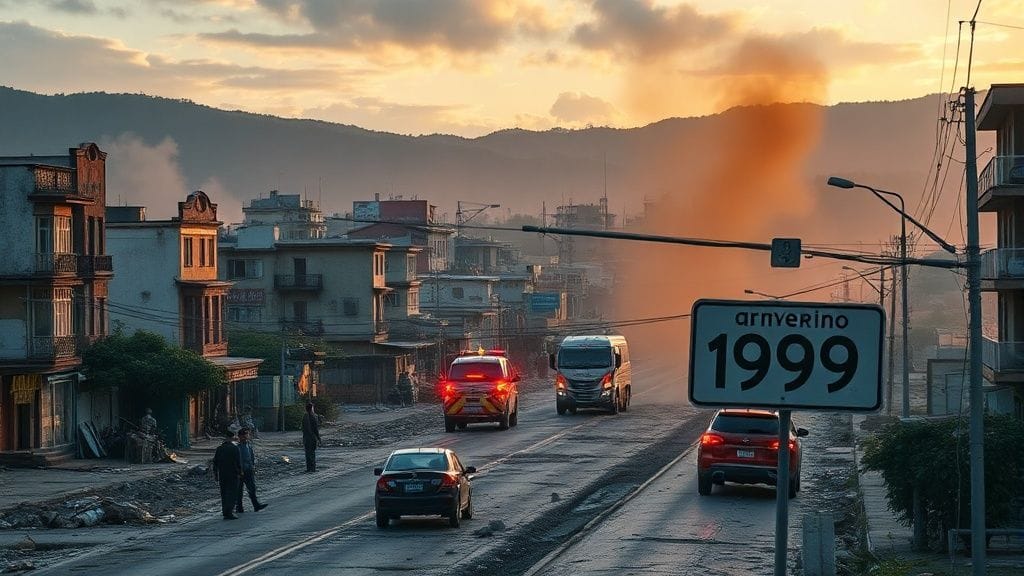
Today, streets and plazas in Armenia bear plaques and monuments commemorating those lost.
Educational programs in schools include earthquake awareness to educate younger generations.
The passage of time has brought healing, but memory remains vivid—a somber testament to nature’s power and the enduring human spirit.
Conclusion
The Armenia earthquake of January 25, 1999, was more than a seismic event; it was a profound human and historical moment where the earth’s fury intersected with a community’s strength and vulnerability. The tremors that shattered buildings also shattered illusions of invincibility. Yet, from rubble and grief arose solidarity, innovation, and resilience.
This disaster laid bare the intertwined nature of geology and society, illustrating how human lives are stamped by the pulses of the planet. It forced Colombia to confront unfinished tasks in disaster preparedness, governance, and social equity.
Above all, the quake’s story remains one of survival—an ongoing narrative of remembrance, reconstruction, and the hopeful rebuilding of lives shaken but unbroken.
FAQs
Q1: What caused the Armenia (Quindío) earthquake in 1999?
A1: The quake was caused by a sudden slip along the Romeral Fault, a major tectonic fault line in Colombia’s Andean region, resulting from the complex interactions of the Nazca, Caribbean, and South American plates.
Q2: How severe was the damage and loss of life?
A2: The earthquake measured 6.2 in magnitude, killed over 1,200 people, injured thousands, and damaged nearly half of Armenia’s buildings, leaving tens of thousands homeless.
Q3: What was the national response to the disaster?
A3: The Colombian government declared a national emergency, mobilized the military and civil defense, and coordinated with international aid agencies to carry out rescue and recovery efforts.
Q4: How did the earthquake affect Colombia’s coffee industry?
A4: The quake devastated coffee crops, processing infrastructure, and transportation, disrupting production and affecting livelihoods dependent on the coffee trade.
Q5: What changes occurred in Colombia's disaster preparedness after the quake?
A5: The disaster prompted improved seismic monitoring, stricter building codes, enhanced emergency response systems, and greater public awareness of earthquake risks.
Q6: How is the earthquake remembered today?
A6: Through memorials, educational programs, annual commemorations, and integration into regional identity, the Armenia earthquake remains a significant chapter in Colombia’s collective memory.
Q7: Were there any scientific advancements resulting from studying this earthquake?
A7: Yes, detailed studies of the Romeral Fault improved understanding of seismic hazards in the Andes, contributing to better risk assessment and urban planning.
Q8: How did the earthquake influence Colombian politics?
A8: The event heightened demands for accountability and investment in public safety, influencing policy reforms and strengthening civil society engagement in disaster risk reduction.