Table of Contents
- The Dawn Before the Deluge: An Uneasy Calm on Baja California
- Tectonic Tensions Beneath the Pacific: Understanding the Geological Setting
- June 30, 1969: The Day the Sea Roared
- The Earthquake That Stole the Sky: Magnitude and Unfolding Shockwaves
- From Shaking Grounds to Rising Waters: Birth of the Tsunami
- Coastal Communities Caught Unaware: Tales of Sudden Terror
- The First Wave’s Relentless March: Crushing Shores and Upending Lives
- Human Stories Amidst the Chaos: Heroes and Survivors
- Emergency Response and Local Resilience: A Race Against Time
- The Aftershock Reverberations: Geological and Emotional Tremors
- Scientific Eyes Turn South: Seismologists Decode the Disaster
- Political Ripples: Government Response and International Aid
- Economic Ruin and the Long Road to Recovery
- Environmental Impact: The Sea and Land in Turmoil
- Memories Etched in History: How Baja California Remembers
- The 1969 Baja California Tsunami in the Broader Pacific Context
- Lessons Learned: Disaster Preparedness and Tsunami Awareness
- Tsunami Science Advances Sparked by the 1969 Event
- The Cultural Legacy: Art, Literature, and Oral Histories
- Contemporary Baja and the Lingering Shadow of 1969
- Conclusion: The Sea’s Message and Human Resilience
- FAQs on the 1969 Baja California Tsunami
- External Resource
- Internal Link
The Dawn Before the Deluge: An Uneasy Calm on Baja California
In the early hours of June 30, 1969, Baja California stirred quietly under a sky just beginning to lighten with dawn. The Pacific breeze moved gently over its rugged coastline, caressing cacti and whispering through dusty villages that hugged the shore. Fishermen prepared their boats; children played near the shoreline. Nothing hinted at the cataclysm about to grip this region—a disaster that would forever change the people and lands wrestling with the ocean’s might.
Despite the peaceful morning, tectonic forces had been building their invisible tension beneath the waves, setting the stage for a violent release. For the residents of Baja California, June 30 would sear itself into memory, fracturing normalcy and drawing an unexpected lesson in the fragility of human endeavors against nature’s fury.
Tectonic Tensions Beneath the Pacific: Understanding the Geological Setting
Baja California, a slender peninsula stretching over 1,200 kilometers, is no stranger to geological restlessness. Positioned where the Pacific Plate grinds alongside the North American Plate, the region is dissected by a complex network of faults and rift zones. One of the critical features is the well-known San Andreas Fault system, complemented by subsidiary faults beneath the Sea of Cortez and adjacent Pacific seabed. These geological cracks and seams have been sculpting the landscape over millions of years, bearing silent witness to the countless quakes and tremors beneath.
But it was not just the shifting plates that made this region susceptible to tsunamis. The underwater topography—the steep slopes and submarine canyons—helped amplify any seismic disturbance, turning lurking energy into devastating waves that could surge ashore in minutes.
June 30, 1969: The Day the Sea Roared
Just before dawn, an intense earthquake ripped through the underwater fault systems off the coast of Baja California. Lasting nearly a minute, the shaking was so powerful it rattled homes, crumbled fragile structures, and sent shockwaves felt hundreds of kilometers away. But more ominous than the ground's violent shaking was what followed beneath the ocean’s surface—a monstrous wave gathering strength, racing silently across the deep.
Few in the early morning grasped the unfolding disaster. The initial tremor was alarming, but it was the sea’s betrayal that spelled true danger. Coastal dwellers, newly shaken but expecting the worst to be over, had no warning that a tsunami—a series of towering waves—was gearing up to crash ashore.
The Earthquake That Stole the Sky: Magnitude and Unfolding Shockwaves
The earthquake struck with a magnitude estimated near 7.4 on the Richter scale—a significant event by any measure, yet not unparalleled in the seismically volatile Pacific region. Seismographs in Mexico City and beyond recorded its tremors, while residents along the coast described an unnerving, sustained rumble, like a freight train barreling beneath the earth.
Scientists later identified the quake’s origin near a fault complex under the Pacific Ocean, roughly 150 kilometers west of the Baja California coast. The rupture involved a sudden displacement of the seabed, lifting and dropping sections of the ocean floor and imparting massive energy into the overlying waters. This vertical displacement is what gave birth to the tsunami.
“In the wake of the quake, the ocean was momentarily a great, heaving beast, unsettled and angry,” recalled one local fisherman decades later, embedding the event firmly in oral history.
From Shaking Grounds to Rising Waters: Birth of the Tsunami
The earthquake’s vertical seabed movement created a ripple—at first a subtle swell, then a series of increasingly steep waves racing towards shorelines. Unlike regular ocean waves, formed by winds, these tsunami waves carried the tremendous energy of the earth’s upheaval, traveling at speeds up to 800 kilometers per hour in deep water.
As the wave approached shallower coastal shelves near towns such as Ensenada and San Quintin, it rose dramatically—sometimes reaching heights exceeding 10 meters. The ocean unfolded like a monstrous beast, first retreating unnaturally, exposing the seabed, before surging back with unstoppable force.
This phenomenon, known as wave trough preceding crest, was the last warning many had before devastation struck.
Coastal Communities Caught Unaware: Tales of Sudden Terror
Many residents had no experience with tsunamis; alarm systems were non-existent, and education about such risks was minimal. Early morning routines were violently disrupted when the ocean withdrew, and then reclaimed the shore with brutal ferocity.
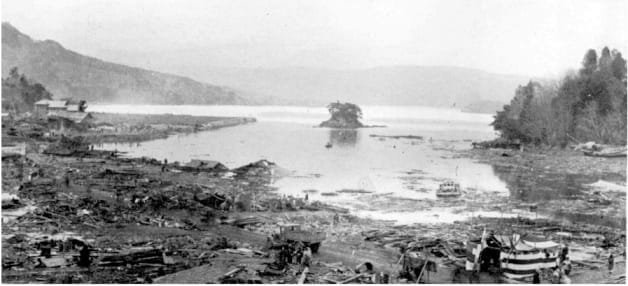
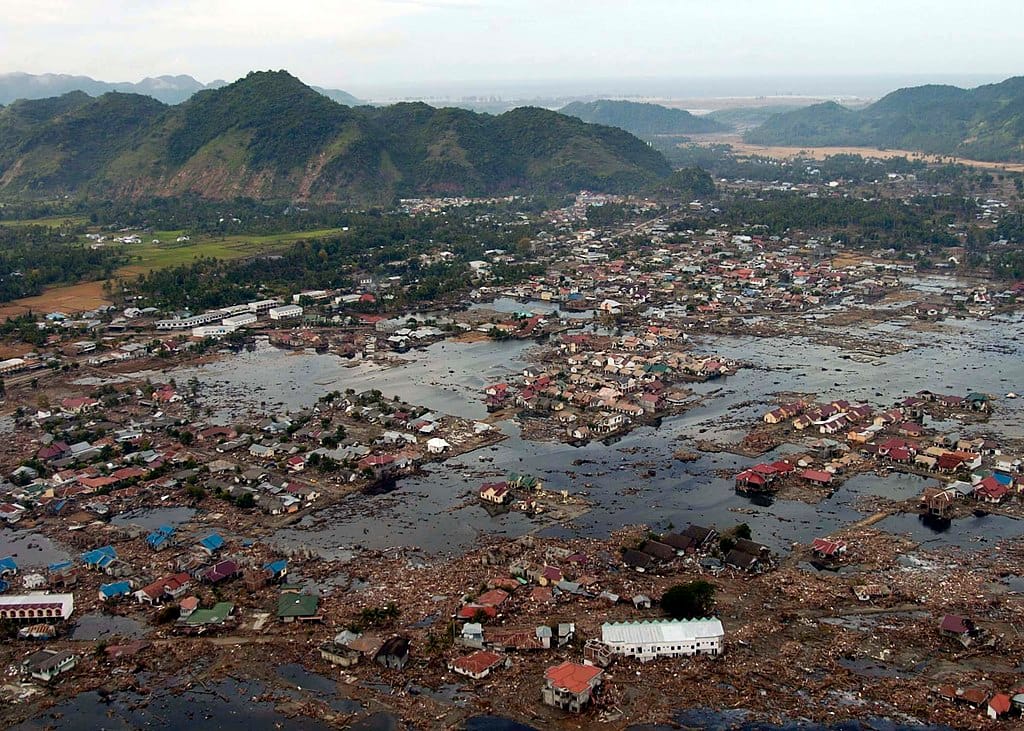
Hearing an unnatural roar growing from the sea, families fled to higher ground or torn shelter. Some hastily grabbed what belongings they could; others barely escaped with their lives. Fishing boats lifted and smashed against rocky outcrops, homes were flooded or swept away, and vital infrastructure shattered.
One survivor recounted: “It was like the sea was angry—she came for us, raised her hand, and struck everything we held dear.”
The First Wave’s Relentless March: Crushing Shores and Upending Lives
The tsunami did not arrive with a single blow but as a series of waves, each swelling and subsiding, confounding rescue efforts and prolonging fear. The most destructive waves washed inland for kilometers, dragging debris and humanity into the swirling depths.
Communities were stunned silent as the saltwater ruined farmland, contaminated wells, and destroyed roads. Death toll estimates suggest dozens perished, while many more suffered injuries and displacement.
Human Stories Amidst the Chaos: Heroes and Survivors
In the midst of devastation, stories of courage emerged. Local authorities, fishermen, and even children organized impromptu rescues, pulling neighbors from swiftly rising waters or helping the wounded reach safety.
One remarkable account tells of a schoolteacher leading her students uphill, defying the chaos and panic. Another features a fisherman who risked his life navigating the turbulent waters to recover missing families.
These acts of humanity underscored a communal resilience that would carry Baja California through its darkest hours.
Emergency Response and Local Resilience: A Race Against Time
Rescue operations were hampered by damaged infrastructure and communication breakdowns. Medical aid was limited, and supplies had to be rushed from Mexico City and neighboring regions. Emergency shelters sprang up, but relief distribution was slow amidst logistical hurdles.
Nonetheless, local networks showed remarkable adaptability. Community leaders coordinated efforts with limited resources, embarking on debris clearing and rebuilding efforts immediately after the waters receded.
The Aftershock Reverberations: Geological and Emotional Tremors
Following the main quake and tsunami, Baja California endured numerous aftershocks, some strong enough to cause additional damage and fray nerves further. Psychologically, survivors grappled with loss—of family, homes, and a sense of security.
Geologists studied this seismic sequence to understand regional fault behavior, recognizing that the peninsula’s geology was far from stable. For inhabitants, the trauma imprinted a lasting wariness of the unpredictable earth beneath.
Scientific Eyes Turn South: Seismologists Decode the Disaster
The Baja California tsunami became a crucial case study for Mexican and international seismologists. Deploying underwater sensors and analyzing beach sediment deposits allowed scientists to reconstruct the event’s dynamics with increasing precision.
This research contributed to improved understanding of seismic-tsunami coupling—a pivotal step in designing early warning systems along Mexico’s vulnerable Pacific coastlines.
Political Ripples: Government Response and International Aid
In the immediate aftermath, the Mexican government faced the challenge of coordinating relief while balancing resources. Federal aid was mobilized, and requests for international assistance went out to allied countries and organizations.
This disaster spotlighted vulnerabilities in national disaster preparedness and forced policy reconsiderations. It also forged closer collaboration with the United States and Pacific neighbors in sharing seismic data and emergency techniques.
Economic Ruin and the Long Road to Recovery
The tsunami’s impact was harsh economically. Fishing fleets were decimated, agricultural land salinized, and small businesses destroyed. Tourism, vital to Baja’s economy even then, contracted sharply as shaken visitors moved elsewhere.
Recovery took years, with reconstruction compounded by poverty and limited infrastructure. Yet, the disaster sparked government investments in coastal defenses and urban planning alongside community-led rebuilding.
Environmental Impact: The Sea and Land in Turmoil
Besides human tolls, the tsunami altered the coastal ecosystems. Saltwater intrusion harmed freshwater sources and soils; marine habitats were disturbed by sediment shifts; and debris damaged mangroves and coral reefs.
Yet nature showed tenacity: over subsequent decades, areas slowly regenerated, reminding all of the ocean’s mutable but resilient power.
Memories Etched in History: How Baja California Remembers
Despite the passage of time, the 1969 tsunami remains etched in local memory. Annual commemorations, oral histories shared at community gatherings, and surviving photographs sustain its legacy. For many families, it is a defining chapter of loss and resilience.
Monuments and plaques stand at key sites, honoring victims and reminding residents of nature’s formidable reach.
The 1969 Baja California Tsunami in the Broader Pacific Context
While not as globally catastrophic as the 1946 Aleutian or 1960 Chilean tsunamis, the 1969 Baja event underscored Mexico’s strategic vulnerability within the so-called “Ring of Fire.” It catalyzed cross-border cooperation, hinting at the interconnectedness of seismic dangers spanning the Pacific Rim.
Lessons Learned: Disaster Preparedness and Tsunami Awareness
The 1969 tsunami instigated a slow but essential shift in public education and emergency planning in Mexico. Schools introduced tsunami drills, coastal communities established lookout points, and governments enhanced communication networks—seeds of modern warning systems that have since saved countless lives.
Tsunami Science Advances Sparked by the 1969 Event
This event galvanized scientific inquiry into seismology and oceanography. It helped characterize wave propagation patterns in the Gulf of California and inspired the development of tsunami modeling techniques.
Such advances positioned Mexico to be part of the global scientific dialogue on early warning and disaster mitigation.
The Cultural Legacy: Art, Literature, and Oral Histories
Artists and writers in Baja California transformed the tsunami experience into poems, paintings, and stories—expressing grief and hope. Folklore imbued the sea with new significance, blending indigenous and contemporary narratives about respect and caution toward nature’s latent forces.
Contemporary Baja and the Lingering Shadow of 1969
Today, Baja California stands as a region marked by contrasts—natural beauty and seismic risk entwined. Urban expansion and tourism bring prosperity but also new vulnerabilities.
The 1969 tsunami's memory lingers as a cautionary tale and a touchstone of communal strength, a reminder that the earth’s quietude is never guaranteed.
Conclusion
The Baja California tsunami of June 30, 1969, was more than a natural catastrophe—it was a profound human ordeal testing the limits of survival, memory, and adaptation. In the face of an unpredictable earth and unforgiving sea, that coastal community endured. Their stories interweave with the sciences and politics that evolved in its wake, reinforcing humankind’s fragile relationship with the forces that shape our world.
From the trembling earth beneath the Pacific’s surface to the rushing waves that engulfed shoreline villages, 1969 remains a vivid chapter reminding us: beneath the calm, restless powers wait—commanding respect, inspiring vigilance, and fostering resilience.
FAQs on the 1969 Baja California Tsunami
Q1: What caused the 1969 Baja California tsunami?
The tsunami was triggered by a magnitude 7.4 earthquake offshore, which caused a sudden displacement of the seabed. This vertical movement pushed massive amounts of water, generating tsunami waves that crashed onto Baja California’s coast.
Q2: How many people were affected by the tsunami?
While precise numbers remain uncertain, dozens died, with many more injured or displaced. Entire communities suffered destruction of homes, livelihoods, and infrastructure.
Q3: Were there any warnings before the tsunami struck?
No formal tsunami warning system existed at the time in Baja California. Residents had no advance warning, leading to widespread surprise and significant casualties.
Q4: How did the Mexican government respond to this disaster?
The government mobilized emergency services, coordinated relief operations, and sought international aid. The event exposed the need for improved disaster preparedness and led to enhancements in emergency response policies.
Q5: Did the tsunami influence scientific research?
Yes. The event provided valuable data for seismologists and oceanographers, boosting research into tsunami mechanics and early warning systems, benefiting not only Mexico but the wider Pacific region.
Q6: How is the tsunami remembered today in Baja California?
Through monuments, annual commemorations, oral histories, and its influence on culture and education, the event remains a significant part of regional identity and collective memory.
Q7: What lessons were learned from the 1969 tsunami?
Key lessons included the importance of tsunami awareness, early warning systems, community preparedness, and regional cooperation—all essential for reducing future disaster impacts.
Q8: Are areas affected by the 1969 tsunami still at risk?
Yes. Baja California and the surrounding Pacific coast remain seismically active with potential tsunami risks, underscoring the continuing need for vigilance and disaster readiness.