Table of Contents
- The Quiet Dawn Shattered: Bam, December 26, 2003
- A City Frozen in Time: Bam Before the Earthquake
- Tectonic Tensions Beneath Iran: Geological Context
- The Morning Tremor: Chronology of the Disaster
- Moments of Panic and Confusion: Eyewitness Accounts
- The Scale of Devastation: Death and Destruction Unveiled
- Old Walls Crumbled: The Fate of Bam’s Ancient Citadel
- Rescue Amidst Ruins: The Human Response
- International Aid and Solidarity: A World Watches and Helps
- Survival Against Odds: Stories of Heroism and Resilience
- Government and Local Authorities: Mobilizing Relief Efforts
- The Aftershocks: Psychological and Social Ripples
- Rebuilding a City: Challenges and Controversies
- Bam in the Eyes of History: Cultural and Heritage Loss
- Earthquake Preparedness in Iran: Lessons Learned
- The Earthquake’s Global Wake-up Call: Seismic Awareness
- Memory and Memorials: Remembering December 26
- Scientific Advances Triggered by Bam: Research and Innovation
- Bam Today: From Devastation to Renewal
- Conclusion: Endurance in the Face of Nature’s Fury
- FAQs: Understanding the Bam Earthquake
- External Resource
- Internal Link
The Quiet Dawn Shattered: Bam, December 26, 2003
On the morning of December 26, 2003, as the first light of dawn dispersed softly over southeastern Iran, the ancient city of Bam lay tranquil under an unblemished sky. The icy chill of winter crept through the narrow alleys, where market stalls would soon bustle, and families awoke to begin their day. Without warning, the earth beneath their feet trembled. In an instant, the quiet dawn was violently shattered by a catastrophic earthquake that would irreversibly change Bam’s destiny. The ground groaned, buildings swayed and crumbled like fragile sandcastles, and a historic city, steeped in millennia-old heritage, was reduced to rubble.
The shockwaves tore through Bam with such ferocity that the once bustling urban centre became a ghost town in moments. Hundreds of lives were lost, tens of thousands injured, and thousands left homeless. The world watched in horror as news unfolded—a disaster of tremendous scale in a land known both for its cultural wealth and searingly beautiful desert landscapes.
This is the story of the Bam earthquake: a tale of devastation, human suffering, courage under fire, and the enduring will to rebuild.
A City Frozen in Time: Bam Before the Earthquake
Bam was more than just a city; it was an icon of history, a living museum of Persian architecture and resilience. Situated near the Lut Desert, the oasis town had a population of around 70,000. It flourished because of its strategic location on ancient trade routes and its famed date palm groves, which carpeted the surrounding deserts with swaying greenery.
At the heart of Bam was the Arg-e Bam, a massive citadel whose mud-brick walls rose impressively under the desert sun. This fortress was the largest adobe structure ever built, dating back at least 2,500 years, symbolizing strength through eras of conquest, empire, and peace. Every stone and brick echoed stories of warriors, merchants, and families who had lived within its protective embrace.
The city’s architecture reflected a harmony with nature—built to withstand heat and sandstorms, yet vulnerable to the subtle yet deadly threat beneath the earth. Ordinary life went on in bustling bazaars and humble homes, oblivious to the catastrophe that lurked below.
Tectonic Tensions Beneath Iran: Geological Context
The Bam earthquake was not a sudden anomaly but the manifestation of a complex geological struggle. Iran rests atop the convergence of the Arabian and Eurasian tectonic plates, a restless boundary where immense forces continuously accumulate stress in the earth’s crust. The Zagros Mountains to the west and the Alborz range to the north are visible evidence of this collision.
The region around Bam lies near several active faults—fractures in the earth where strain builds until sudden release. Iran has a grim history of seismic disasters; well-recorded quakes have repeatedly ravaged cities from Tabriz to Qazvin. Despite the persistent risk, many structures in Bam had been built with traditional mud bricks, materials with poor seismic resistance.
On December 26, at 5:26 AM local time, a magnitude 6.6 earthquake rippled through the region. The epicenter was mere kilometers from Bam, and the quake lasted just a few seconds but inflicted overwhelming destruction. The shallow depth of around 10 kilometers magnified its impact, sending shockwaves directly through the city.
The Morning Tremor: Chronology of the Disaster
The seismic event struck when most of Bam’s residents were still asleep, which paradoxically saved many lives but also meant that rescuers faced a dire challenge: finding survivors in the dark, amid the rubble. Recorded seismographs announced the sudden jolt, while power lines crashed and telephone circuits failed.
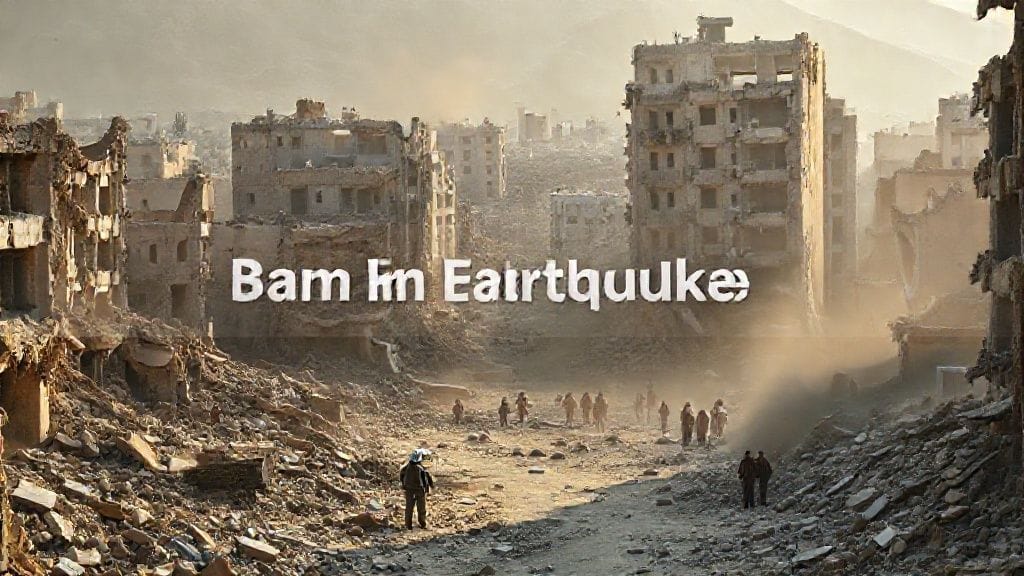
The earthquake’s main shock lasted about 10 seconds—an eternity in cataclysmic terms. Roofs collapsed, adobe walls crumbled, twisting streets into labyrinths of debris. In a matter of moments, homes were destroyed, trapping thousands beneath tons of earth and broken beams.
Relief was further complicated by immediate aftershocks, smaller tremors that continued to rattle the area for hours and even days, hampering rescue teams and compounding fear. Yet, amid heartbreak and chaos, neighbors and bystanders rushed to save trapped victims, pulling bodies from the wreckage and offering what comfort they could.
Moments of Panic and Confusion: Eyewitness Accounts
The personal stories that emerged from the ruins lent the disaster a profoundly human dimension. One survivor recalled clutching her grandmother in a darkened room as the floor beneath them vibrated violently. "The walls cracked above us," she said, “and then everything fell. I thought we would die together.” Miraculously, they were rescued hours later—a testament to determination and sheer luck.
Another man described the surreal scene of the marketplace, which moments earlier hummed with life but was now littered with broken pottery and dust clouds. The cries of the injured mingled with the collapse of ancient structures.
Children who once played freely now huddled with families in makeshift shelters built from debris, frightened by every aftershock. The city was gripped by confusion, fear, and an urgent survival instinct.
The Scale of Devastation: Death and Destruction Unveiled
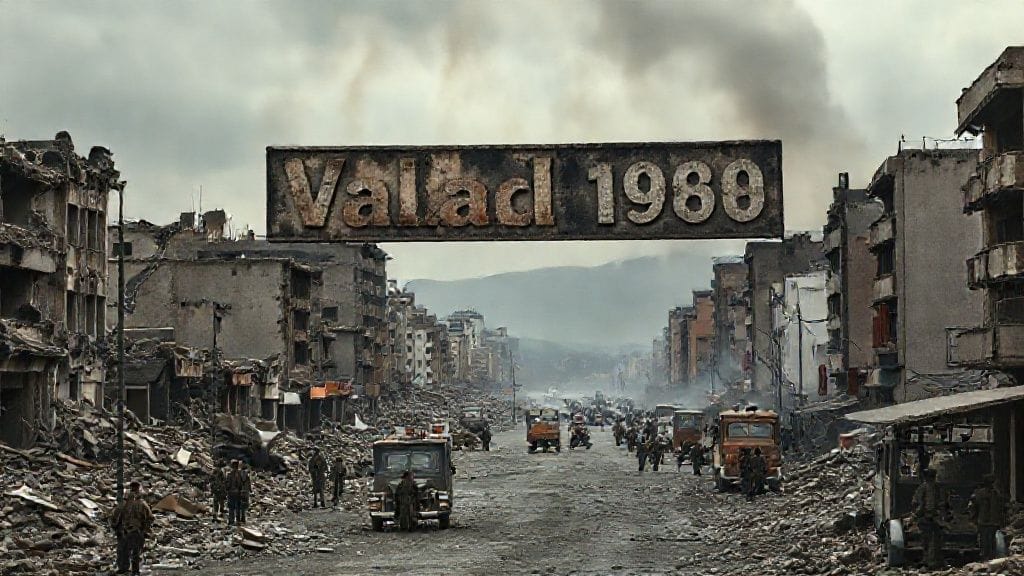
The official death toll from the Bam earthquake eventually exceeded 26,000, though some estimates spoke even higher—a calamity unparalleled in modern Iranian history. Approximately 30,000 more were injured, and over 75,000 were displaced.
Around 80 to 90 percent of buildings in Bam were destroyed or severely damaged. Nurse Zahra Torkan, working in the overwhelmed local hospital, recounted, "We ran out of beds. People came in with broken limbs, crushed bodies—some never made it." Many victims succumbed not just to injuries but to hypothermia and dehydration in the cold post-quake nights.
The iconic Arg-e Bam suffered near-total collapse. Its vast walls, once towering symbols of endurance, diminished to heaps of dirt and scattered bricks. The destruction of this UNESCO World Heritage Site stunned the world, a painful reminder of the earthquake’s brutality.
Old Walls Crumbled: The Fate of Bam’s Ancient Citadel
The citadel was Bam’s heartbeat. Constructed primarily of rammed earth and sun-dried mud bricks over centuries, it had adapted to its environment but not to high-magnitude earthquakes.
Videos and photographs taken in the quake’s aftermath reveal shattered battlements and collapsed towers. The main gate, thick and imposing, was reduced to ruin. Walls that had withstood invasions from Persians to Mongols were no match for a few seconds of subterranean fury.
Archaeologists and conservationists mourned a heritage lost—not only a physical structure but an irreplaceable conduit to past civilizations. The challenge was how to rebuild—faithfully restoring what was destroyed or preserving its memory without false reconstructions.
Rescue Amidst Ruins: The Human Response
In the immediate days following the quake, rescue operations began under harrowing conditions. Local volunteers, emergency services, soldiers, and later international teams dug through the wreckage, often with bare hands, searching for survivors.
One harrowing rescue involved a young boy trapped for more than 18 hours under his collapsed house. The jubilation when he was pulled alive from the dust was contagious, a rare spark of hope amid tragedy.
Yet the rescue efforts faced enormous obstacles: blocked roads, destroyed infrastructure, freezing temperatures, and the logistical nightmare of transporting supplies to a devastated city. Emergency tents and field hospitals were set up by shifting teams determined to save lives.
International Aid and Solidarity: A World Watches and Helps
Though Iran initially hesitated to accept international aid due to political complexities, humanitarian priority prevailed. Rescue teams and emergency supplies arrived from numerous countries including Japan, the United States, France, and Turkey.
The United Nations coordinated efforts to provide food, water, shelter, and medical care. NGOs such as the Red Crescent intensified their work, while satellite imagery helped assess damage and target resources efficiently.
This outpouring echoed beyond politics—a collective human response to suffering. It underscored how in times of crisis, national boundaries momentarily blur in favor of compassion.
Survival Against Odds: Stories of Heroism and Resilience
Among the horror emerged stories that resonated deeply. A village doctor, isolated but determined, treated dozens of injured by makeshift lamps as power was out. A group of women organized food distribution amidst freezing nights, ensuring no child remained hungry.
Neighbors shared blankets, shelters, and hope. An elderly man refusing evacuation, stating, "This city is my life," became a symbol of the emotional ties binding people to their homeland.
These narratives revealed strength not just in physical survival but in heart and spirit—a refusal to succumb to despair.
Government and Local Authorities: Mobilizing Relief Efforts
The Iranian government moved swiftly to establish disaster command centers, channeling military and civil resources to Bam. President Mohammad Khatami declared a three-day national mourning period and promised a comprehensive reconstruction plan.
Emergency funding arrived, though bureaucratic and logistical challenges complicated immediate relief. Coordinating multiple agencies to address health crises, sanitation, housing needs, and infrastructure repair was a daunting task.
Officials faced criticism over inadequate building codes and preparedness but acknowledged these weaknesses in public addresses, committing to reforms for the future.
The Aftershocks: Psychological and Social Ripples
Months after the main event, aftershocks continued to shake nerves and homes. The psychological impact was profound and enduring. Survivors relived trauma daily, grappling with grief, uncertainty, and displacement.
Studies later documented high rates of post-traumatic stress disorder (PTSD), depression, and anxiety among Bam residents. Children, in particular, bore deep scars, with many requiring psychological support.
Social structures fractured as communities dispersed. Yet, shared grief also fostered solidarity, mutual aid networks, and a renewed emphasis on social cohesion.
Rebuilding a City: Challenges and Controversies
Reconstruction posed immense challenges. Balancing heritage preservation with modern safety standards stirred debate among architects, historians, and urban planners.
Some argued for rebuilding the citadel using traditional techniques to maintain authenticity, others pushed for contemporary materials to ensure earthquake resistance. Funding shortfalls and political wrangling delayed progress but could not halt Bam’s revival.
A key controversy was displacement: many residents moved to temporary settlements far from the city center, sparking concerns of permanent fragmentation and cultural dilution.
Bam in the Eyes of History: Cultural and Heritage Loss
The destruction of Bam signified more than physical loss—it was a blow to Iranian cultural identity and global heritage. UNESCO and cultural historians emphasized the irreplaceable nature of the citadel’s architecture.
Yet Bam’s story became a poignant lesson—how heritage preservation must include disaster preparedness and risk mitigation. Bam’s ruins serve as a solemn monument reminding future generations of the fragility of civilization in the face of natural forces.
Earthquake Preparedness in Iran: Lessons Learned
Bam catalyzed national discourse on seismic risk. Iran updated building codes, expanded early warning systems, and intensified public education campaigns on earthquake preparedness.
Government and experts focused on enforcing standards, retrofitting vulnerable structures, and improving emergency response capabilities. Community drills, training, and awareness programs became commonplace in high-risk areas.
Despite progress, challenges remain: Iran remains vulnerable to earthquakes given its geography, and the Bam disaster is a stark warning imperative for ongoing vigilance.
The Earthquake’s Global Wake-up Call: Seismic Awareness
Globally, the Bam event underscored the deadly intersection of ancient construction and modern risk. Seismic experts worldwide studied the quake’s mechanisms and effects, gaining insights into earthquake prediction, damage patterns, and resilient architecture.
It spurred international cooperation for earthquake preparedness, mapping, and rapid response planning. The tragedy demonstrated how disasters in seemingly remote places have global consequences—with lessons worth heeding by any society living atop fault lines.
Memory and Memorials: Remembering December 26
Bam today honors its lost souls with memorials and commemorative events. Annual gatherings unite survivors, families, and rescuers in reflection and renewal.
Memorial parks, plaques, and museums preserve memories and educate visitors about the earthquake’s impact. The preservation of oral histories ensures that personal stories endure as part of collective memory.
These acts of remembrance help transform pain into resilience—a human determination to move forward without forgetting.
Scientific Advances Triggered by Bam: Research and Innovation
The event galvanized scientific inquiry. Iranian and international geologists examined the region’s fault lines. Engineers developed new construction materials and techniques tailored for earthen architecture.
Emergency response methodologies improved, integrating technology and community involvement. The Bam earthquake contributed to a global repository of disaster science, influencing policies and innovations worldwide.
Bam Today: From Devastation to Renewal
Nearly two decades after the quake, Bam has shown multiple signs of revival. Date palm groves have recovered, streets rebuilt, and public services restored. The citadel is partially reconstructed, blending ancient styles with modern safeguards.
Tourism, though subdued, continues to foster economic activity. Importantly, the community’s spirit persists—not defined solely by tragedy but by endurance and hope.
Bam stands not only as a place physically rebuilt but as a symbol of human tenacity facing nature’s harsh trials.
Conclusion
The Bam earthquake was more than a natural disaster; it was a human tragedy etched into history, a brutal reminder of fragility shared by cities and cultures perched on shifting ground. But within the rubble lay stories of compassion, courage, and undying hope. The quake exposed vulnerabilities but also ignited transformations—in science, policy, and the collective human spirit.
Bam’s fate urges us to respect nature’s power and invest in resilience, to honor heritage while embracing change, and above all, to cherish the fragile lives entwined with every stone and every breath in a city that refused to disappear from memory. The echoes of December 26, 2003, remind us that from devastation can rise renewal—and from loss emerges the enduring will to rebuild.
FAQs
1. What caused the Bam earthquake of 2003?
The Bam earthquake resulted from movement along an active fault near the city, caused by the collision of the Arabian and Eurasian tectonic plates beneath Iran. The quake had a magnitude of 6.6 and struck at a shallow depth, leading to significant surface damage.
2. How many people were affected by the earthquake?
Estimates indicate over 26,000 deaths, 30,000 injuries, and tens of thousands displaced. Nearly 90 percent of Bam’s buildings were destroyed or severely damaged.
3. Why was the city so vulnerable to earthquake damage?
Many of Bam’s structures, including the ancient citadel, were built from adobe and mud bricks—materials that have poor resistance to seismic shaking. Inadequate building codes and enforcement further exacerbated vulnerability.
4. What was the international response to the disaster?
Despite initial political hesitations, many countries and organizations provided emergency aid, including search-and-rescue teams, medical supplies, and humanitarian support. The global community united in providing relief.
5. How has Bam been rebuilt since the earthquake?
Reconstruction efforts balanced heritage restoration with modern building techniques. Controversies over displacement and authenticity arose, but progress was made in infrastructure, housing, and cultural preservation.
6. What lessons did Iran learn from the Bam earthquake?
The disaster highlighted the need for improved seismic building codes, emergency preparedness, and public education. It propelled reforms and scientific research to reduce risks for future earthquakes.
7. How is the Bam earthquake remembered today?
Through memorials, annual commemorations, and educational programs, Bam honors its victims and survivors. The event remains a powerful symbol of loss and resilience.
8. What impact did the Bam earthquake have on global earthquake studies?
It provided valuable data on shallow magnitude earthquakes, damage to adobe buildings, and effective emergency responses, influencing seismic research and disaster management worldwide.