Table of Contents
- The Dawn of a Fateful July: Gettysburg Awakens
- Seeds of Conflict: The Road to Gettysburg
- Clash of Titans: The Opening Salvo on July 1, 1863
- From Farms to Battlefields: The Strategic Battlefield Landscape
- The Gathering Storm: Reinforcements and Rising Stakes
- The High Tide of the Confederacy: Longstreet’s Assault
- Pickett’s Charge: The Heartbreaking Gambit
- Heroism Amid Carnage: Tales of Valor and Tragedy
- The Turning Tide: Union Resilience and Tactical Brilliance
- The Civilian Witnesses: Gettysburg’s Town Under Siege
- Commanders at the Edge: Lee and Meade Face Fate
- Night Falls on Gettysburg: Aftermath of the Carnage
- The Casualties Count: The Human Toll
- The Gettysburg Address: Lincoln’s Testament to Sacrifice
- Healing Scars: Gettysburg’s Legacy in Memory and Monument
- The Battle’s Impact on the Civil War’s Course
- The Historians’ Debate: Myths, Realities, and Lessons
- Gettysburg in American Cultural Imagination
- Preserving the Battlefield: Memory as a National Duty
- Conclusion: Echoes of Gettysburg in the Modern World
- FAQs: Demystifying the Battle of Gettysburg
- External Resource
- Internal Link
1. The Dawn of a Fateful July: Gettysburg Awakens
July 1, 1863. The sun rose hesitantly over the peaceful town of Gettysburg, Pennsylvania—a quiet crossroads carved by rolling hills, swaying grain fields, and the murmuring of small creeks. Farmers were already stirring, children whispering in doorways, unaware that their sleepy hamlet was poised to become the crucible of a conflict that would define a nation.
The air was warm, but thick with a sense of foreboding that no one could yet name. To the armies converging, the stakes were personal and immense: the survival of a Union tethered to the ideal of a united nation, against a Southern Confederacy fighting to preserve a way of life and sovereignty. Over three harrowing days, the fields around Gettysburg would be drenched in the blood of brothers, their sacrifices etched forever into the American soul.
2. Seeds of Conflict: The Road to Gettysburg
The Battle of Gettysburg was not an isolated clash but a byproduct of years of deepening division. By 1863, the American Civil War had raged for two brutal years. The North, determined to end the institution of slavery and preserve the Union, clashed with the agrarian South, fiercely protective of states’ rights and economic structures dependent on enslaved labor.
General Robert E. Lee, the Confederate commander, had led his Army of Northern Virginia on a bold invasion of the North. It was July’s turning point, a gamble to relieve the war-ravaged South, sway border states to the Confederate cause, and possibly force the Union into negotiations.
Opposing him was General George G. Meade, freshly appointed commander of the Union’s Army of the Potomac, tasked with halting Lee’s advance into Pennsylvania. The collision course was set, but the choice of Gettysburg as battleground was as much happenstance as design: a small town where roads converged, bringing men from both armies into unintended proximity.
3. Clash of Titans: The Opening Salvo on July 1, 1863
By early morning on July 1st, Confederate scouts stumbled upon Union pickets near Gettysburg. Skirmishes quickly escalated into full-scale fighting as both sides hurried to bring reinforcements. The initial confrontations erupted across fields, farms, and woodlands—confused, fierce, and chaotic.
Confederate divisions under Heth and Pender pushed Union defenders back through the town itself, turning the streets into a perilous gauntlet. In the aftermath, Confederate troops claimed the northwestern heights, but at a great cost. More Union forces streamed in, holding a vital line along Cemetery Ridge.
This first day set the brutal tone, revealing the deadly respect each side commanded of the other and foreshadowing the grinding, relentless contest to come.
4. From Farms to Battlefields: The Strategic Battlefield Landscape
Gettysburg was not chosen for its strategic grandeur but for its geography. Three crucial ridges—Cemetery Ridge, Cemetery Hill, and Seminary Ridge—formed a natural amphitheater where the armies would confront one another.
The Union army would establish a strong "fishhook" defensive line on the high ground, a shape that allowed concentrated artillery and infantry to repel attacks from multiple directions. To the west, Confederate forces held powerful positions on Seminary Ridge, exerting pressure but failing to decisively penetrate the Union defenses.
The patchwork of farmland, woods, and small towns became a deadly chessboard, every knoll and lane subject to brutal contests for control. Control of the terrain would prove decisive by the battle’s end.
5. The Gathering Storm: Reinforcements and Rising Stakes
As the day progressed, more Union brigades and corps arrived, along with fresh waves of Confederate attackers. Both sides understood that the battle was no longer a mere skirmish but a turning point—whether Lee’s army could carve a path into the North, or if Meade could crush the rebel impetus.
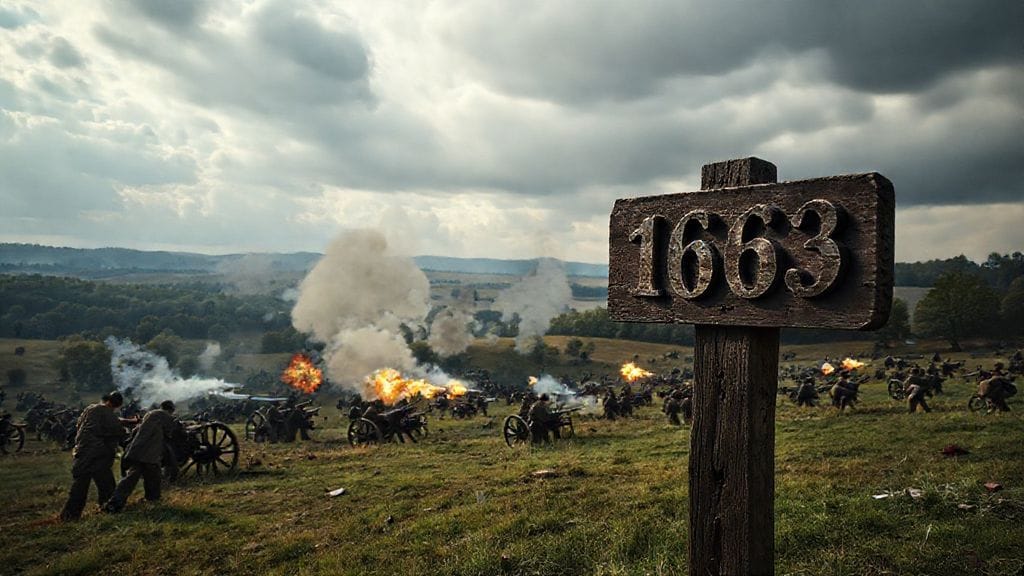
Cannon roared across hillsides; muskets peppered the air. Communications scrambled; orders flew amid the confusion. The enormity of the stakes pressed on officers and soldiers alike—each was keenly aware that Gettysburg was no mere engagement, but potentially decisive in war and nation’s fate.
6. The High Tide of the Confederacy: Longstreet’s Assault
The second and third days witnessed some of the Civil War’s most famous despair and courage. Confederate General James Longstreet, after initial hesitation, launched massive assaults against the Union lines, targeting the southern end of the fishhook.
Attacks on the Devil’s Den, Little Round Top, and the Wheatfield were savage and unpredictable—units overwhelmed, counterattacked, and reformed amid smoke and carnage. The Union's tenacity and the tactical acumen of commanders like Colonel Joshua Chamberlain held crucial positions, preventing the Confederates from rolling up the line.
This defense was critical. Though battered, the Union forces stood firm — but the stakes would climb even higher the next day.
7. Pickett’s Charge: The Heartbreaking Gambit
Perhaps no moment encapsulates Gettysburg’s drama as Pickett’s Charge, launched on July 3rd, Lee’s desperate bid to break the Union center on Cemetery Ridge.
In a breathtaking and tragic spectacle, approximately 12,500 Confederate troops, led notably by Major General George Pickett, advanced across an open field under heavy artillery and rifle fire. The storm of Union defenses proved devastating. Thousands fell, valor confronted futility.
The charge failed disastrously, shattering Lee’s hopes and marking the battle’s turning point. It was a somber, heroic charge that epitomized the immense human cost and the cruel arithmetic of war.
8. Heroism Amid Carnage: Tales of Valor and Tragedy
Among the blood and smoke, human stories emerged: ordinary men performing extraordinary deeds. Colonel Chamberlain’s defense of Little Round Top earned him the Medal of Honor and a place in history for directing a daring bayonet charge that saved the Union flank.
John Reynolds, a Union general killed on the first day, was mourned as a hero. Confederate soldiers like Confederate Brigadier General Lewis Armistead displayed conspicuous courage, leading troops under withering fire. The battle reshaped countless lives, families, and communities, forging enduring legacies of sacrifice.
9. The Turning Tide: Union Resilience and Tactical Brilliance
General Meade’s leadership was crucial in holding the line amid relentless pressure. He coordinated reserves, strengthened weak points, and used interior lines advantageously. Despite criticism later, Meade’s army emerged victorious, blunting Lee’s invasion and shifting the war’s momentum.
In this crucible, the North found a renewed will; the South faced the dwindling hope of independence. Gettysburg was less a victory march than a bloody watershed—a costly affirmation of the Union cause.
10. The Civilian Witnesses: Gettysburg’s Town Under Siege
The battle was not fought in an empty void. The residents of Gettysburg endured occupation, bombardment, and occupation. Homes became hospitals for the dying in agony; churches and schools turned into makeshift infirmaries.
Stories of hospitality amid horror abound; townsfolk tended wounded soldiers regardless of uniform. The civilians’ resilience and trauma became part of Gettysburg’s narrative—war’s far-reaching shadow.
11. Commanders at the Edge: Lee and Meade Face Fate
Robert E. Lee, confident and daring, had gambled all with Gettysburg. The defeat was a heavy blow to his prestige and to Confederate morale. He retreated with careful skill, his army battered but intact.
George Meade, directing a sprawling, diverse force, faced pressure from Washington and President Lincoln, later criticized despite his success. The commanders’ decisions, personalities, and leadership styles shaped the battle’s outcome and aftershocks.
12. Night Falls on Gettysburg: Aftermath of the Carnage
As the sun set on July 3rd, Gettysburg was a landscape of ruin, silent but for the moans of wounded men. Thousands lay dead on fields stained red, and thousands more faced uncertain futures.
The battle, largest on American soil, exacted a staggering human toll—over 50,000 casualties combined. It was a somber turning point, a wake-up call to the nation’s cost of division, and the first step toward eventual reunion.
13. The Casualties Count: The Human Toll
Casualty figures stagger the mind: approximately 23,000 Union and 28,000 Confederate men were killed, wounded or missing—with entire regiments swept from the ranks.
The wounds went beyond flesh and bone; communities at home mourned sons and husbands lost. Medical facilities overflowed, sparking advances—and lasting trauma—in battlefield medicine.
14. The Gettysburg Address: Lincoln’s Testament to Sacrifice
Months later, in November 1863, President Abraham Lincoln visited Gettysburg to dedicate the Soldiers’ National Cemetery. His Gettysburg Address—brief but profound—transformed the battle into a symbol of national sacrifice and democratic idealism.
“…that this nation, under God, shall have a new birth of freedom…” resonated beyond the battlefield, crystallizing the war’s higher purpose in American memory.
15. Healing Scars: Gettysburg’s Legacy in Memory and Monument
Over the following decades, Gettysburg became a pilgrimage site. Monuments rose to honor regiments and heroes; the battlefield was preserved as a sacred ground.
The narrative of Gettysburg intertwined remembrance with reconciliation, evolving through generations as Americans confronted their shared past and fractious history.
16. The Battle’s Impact on the Civil War’s Course
The defeat at Gettysburg combined with the fall of Vicksburg days later marked a strategic and symbolic turning point. The Confederate offensive impetus was blunted; the Union seized the initiative that would carry it to victory.
Although the war dragged on for nearly two more years, Gettysburg represented the high-water mark of Confederate hopes and the beginning of the end for secession.
17. The Historians’ Debate: Myths, Realities, and Lessons
Gettysburg is a minefield of historiography: debates swirl over Meade’s caution, Lee’s strategy, the role of lesser-known units, and the battle’s chance elements. Myths—such as Chamberlain’s bayonet charge as a pivotal moment—mix with hard evidence, creating a rich tapestry for scholars and enthusiasts.
Its study offers lessons in leadership, logistics, morale, and the tragic nature of civil conflict.
18. Gettysburg in American Cultural Imagination
From films to novels, reenactments to classroom lessons, Gettysburg remains deeply embedded in American culture. It is a symbol of sacrifice and division, victory and sorrow—a compelling narrative lens through which Americans understand their history and values.
Annual reenactments and educational programs keep the story alive, connecting past and present.
19. Preserving the Battlefield: Memory as a National Duty
Today, the Gettysburg National Military Park protects the land where history unfolded. Preservation efforts counter the encroachments of development, honoring the memory of those who fought and died.
The park serves as an open-air classroom, a place of contemplation, and a testament to the enduring cost of freedom and unity.
20. Conclusion: Echoes of Gettysburg in the Modern World
Gettysburg’s fields, once a maelstrom of fire and fury, now sing a quiet hymn to endurance and memory. The battle reshaped a nation, testing its commitment to unity and human rights. Its legacy reminds us that freedom demands sacrifice and that the quest for peace often walks hand-in-hand with the shadows of conflict.
It is a story of courage and heartbreak, of strategy and fate—an eternal reflection on what it means to be a nation forged through struggle.
Conclusion
The Battle of Gettysburg is more than a historic engagement; it is a human story writ large across the canvas of history. It captures the burning hopes, fierce passions, and tragic costs of a people torn by war yet bound by a vision of unity. In the smoke of musket fire and under the summer sun, men fought and died not only for territory but for ideals that continue to shape America today.
To walk Gettysburg’s ridges is to stand in the shadow of giants—soldiers and civilians alike—whose lives remind us that history is not a distant tale but a living legacy demanding remembrance, reflection, and respect.
FAQs
1. Why was Gettysburg a turning point in the American Civil War?
Gettysburg halted General Lee’s invasion of the North and marked the Confederacy’s high-water mark. Combined with the Union victory at Vicksburg, it shifted momentum decidedly toward the Union.
2. Who were the key commanders at Gettysburg?
The primary commanders were Confederate General Robert E. Lee and Union General George G. Meade. Other notable figures include Confederate General James Longstreet and Union Colonel Joshua Chamberlain.
3. What was Pickett’s Charge, and why did it fail?
Pickett’s Charge was a frontal Confederate assault across open fields on July 3rd aimed at breaking Union lines. It failed due to devastating Union artillery and rifle fire, resulting in heavy Confederate losses.
4. How did civilians experience the Battle of Gettysburg?
Gettysburg’s townspeople witnessed battles in their streets, turned homes into hospitals, and endured occupation and displacement. Their experiences highlight the war’s reach beyond combatants.
5. What is the significance of the Gettysburg Address?
Lincoln’s brief speech redefined the battle as a symbol of sacrifice for democracy and freedom, inspiring renewed national purpose.
6. How many casualties occurred during the Battle of Gettysburg?
Combined casualties for both sides exceeded 50,000, making it the bloodiest battle on American soil.
7. How has Gettysburg been commemorated?
Through monuments, a national military park, reenactments, and ongoing scholarship, Gettysburg’s memory is preserved as a national heritage site.
8. What strategic mistakes are debated among historians regarding Gettysburg?
Debates focus on Lee’s divided attacks, Meade’s cautiousness, and whether opportunities for decisive action were missed by both sides.