Table of Contents
- Dawn Over Basra: The Stage Set for Conflict
- The Death of a Caliph and a Fractured Ummah
- Ali ibn Abi Talib: The New Leader Amid Turmoil
- The Question of Justice: Uthman’s Assassination and the Call for Retribution
- The Rise of Aisha: From Mother of the Believers to Warrior
- Gathering Storms: The Loyalists Rally Near Basra
- The Battle Lines Drawn: Forces and Foes
- The Clash at Daybreak: The Battle of the Camel Unfolds
- The Camel’s Shadow: The Symbolism and Strategy of War
- Voices in the Fray: Key Figures and Their Roles
- The Turning Point: From Chaos to Calamity
- After the Smoke Clears: Casualties and Consequences
- The Political Earthquake: Impact on Ali’s Caliphate
- The Fracturing of the Muslim Community: Seeds of Sectarianism
- Memory and Myth: The Battle’s Legacy Through Time
1. Dawn Over Basra: The Stage Set for Conflict
The first light spilled softly over the dusty horizon near Basra in the summer of 656 CE, yet the atmosphere bore an ominous weight. The air was thick with anticipation, as thousands of warriors—breathing heavily under the scorching sun—prepared not just for battle, but for a defining moment in the early Islamic world. The city, recently founded as a garrison town, had become a boiling pot of political dissent, religious fervor, and fractured loyalties. This was no ordinary skirmish; it was a collision between visions for the nascent Muslim community — visions that would mark histories and hearts alike. The battle that unfolded here would be remembered as the Battle of the Camel, for the iconic figure around which fate itself seemed to revolve.
2. The Death of a Caliph and a Fractured Ummah
Less than a year had passed since the assassination of Uthman ibn Affan, the third caliph, whose tenure had been rocked by dissent and accusations of nepotism. His death in his own home—a brutal siege that left the community shaken—threw the Muslim world into turmoil. The Muslim ummah, still in its infancy, had never before experienced such profound internal fissures. Who would lead next? How would justice be served? These questions tore through the ranks of Muslims, pitting clans, tribes, and political factions against one another. The fragile unity cultivated since the days of the Prophet Muhammad was fraying dangerously.
3. Ali ibn Abi Talib: The New Leader Amid Turmoil
In this crucible of chaos, Ali ibn Abi Talib, cousin and son-in-law of the Prophet Muhammad, accepted the caliphate. Revered by many as a paragon of justice and piety, he also inherited an impossible task: to restore order and legitimacy in a world primed for dissent. Ali’s claim to leadership was not universally accepted; suspicion and rivalry lurked in every corner. His commitment to justice, especially towards those implicated in Uthman’s murder, sparked further division, for many influential factions feared retribution or marginalization.
4. The Question of Justice: Uthman’s Assassination and the Call for Retribution
At the heart of the crisis lay the unresolved question of what to do with the assassins of Uthman. Had they acted out of righteous indignation, or criminal rebellion? Many tribes and companions of the Prophet demanded swift and strict punishment, seeing justice as the only path to peace. Others, however, considered the root causes—corruption, injustice, failed leadership—and wondered if vengeance would only deepen the wounds. Ali’s indecision and attempts to negotiate justice through diplomacy were perceived as weakness by some, and prudence by others. One figure emerged prominently in demanding immediate action: Aisha bint Abi Bakr,widow of the Prophet and mother of the influential son, Talha ibn Ubaydullah.
5. The Rise of Aisha: From Mother of the Believers to Warrior
Aisha, renowned for her intelligence and political acumen, had until then mostly been remembered as a scholar and narrator of hadiths. Yet in the turmoil following Uthman's death, she transformed into a formidable leader of opposition against Ali’s caliphate. Alongside notable companions like Talha and Zubayr ibn al-Awwam, she championed the cause of avenging Uthman’s death, rallying supporters who regarded Ali’s reluctance as betrayal. Her presence on the battlefield, famously riding atop a camel as a near-mythical figure, served as a symbol of resistance and influence—a striking image in a society dominated by men.
6. Gathering Storms: The Loyalists Rally Near Basra
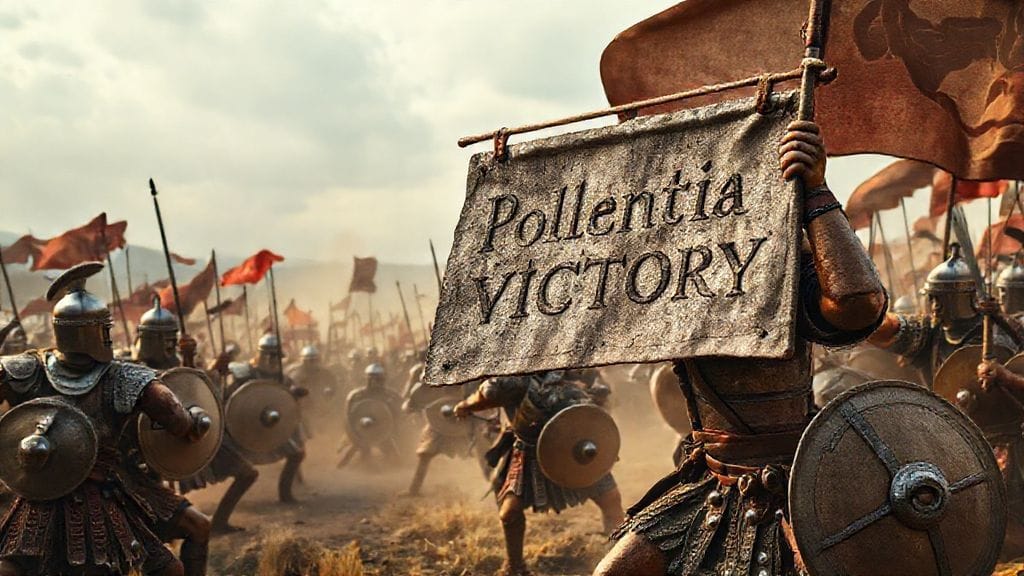
Basra, strategically positioned and rich in resources, became the gathering ground for Aisha's forces, drawing thousands of warriors united by anger and a desire for swift justice. Among them were veterans of the Muslim conquests, tribesmen eager for retribution, and spoils-seekers alike. Their banners fluttered against the blistering sky as they prepared to confront Ali’s troops. The atmosphere crackled with the tension of impending conflict—clear signs of the deep divisions afflicting the Islamic community.
7. The Battle Lines Drawn: Forces and Foes
Ali, with a strategy tempered by years on the battlefield, confronted a complex scenario. His forces, though loyal and battle-hardened, were outnumbered and worn by months of political distractions. The stakes were enormous, not merely territorial, but ideological: could unity be preserved under his leadership, or would civil war rend the community irreversibly? As dawn broke, two armies faced each other in the sun-drenched plains near Basra, the silence before the storm heavy with foreboding.
8. The Clash at Daybreak: The Battle of the Camel Unfolds
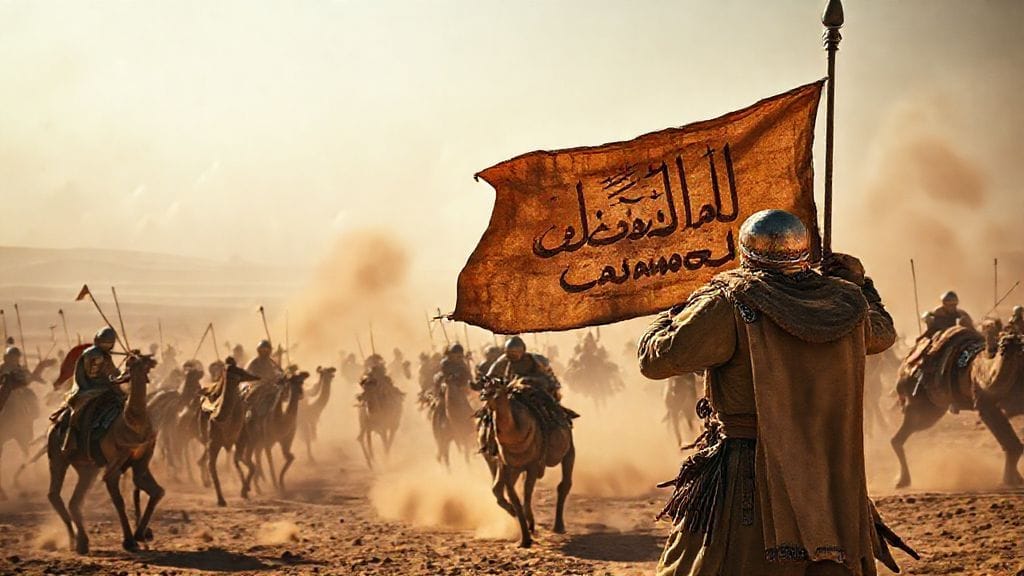
The battle erupted suddenly—arrows filled the sky, the clashing of swords echoed across the open desert, and cries of men intertwined with the moans of wounded camels. Aisha’s camel, draped in colorful cloth, had become a moving fortress and rallying point for her troops. It was said that her presence atop the camel inspired her warriors as well as her enemies’ fears. Fighting was brutal and at close quarters; the combatants were not faceless soldiers but men and women driven by conviction and desperation. As dust and blood mingled under the searing sun, the outcome hung in delicate balance.
9. The Camel’s Shadow: The Symbolism and Strategy of War
The camel was more than a mount—it was the very emblem of Aisha’s defiance. Warriors moved around it as if protecting a sacred banner. Commanders communicated strategy, and the flow of battle seemed to revolve around this surreal nucleus. For Ali’s forces, targeting the camel was both a tactical necessity and a symbolic stroke. The chaos of fighting around such a centerpiece contributed to unsteady formations, shifting allegiances, and momentary victories and losses. This convoluted theater emphasized the unusual character of the battle—it was as much ideological as physical.
10. Voices in the Fray: Key Figures and Their Roles
Among the supporters of Aisha, Talha and Zubayr were both men of great renown, companions of the Prophet whose presence lent legitimacy and hope. Tragically, both were soon fatally wounded—a devastating blow that eroded moral cohesion in her camp. Ali’s commanders exhibited restraint, seeking to minimize unnecessary killing, yet the fog of war made such ideals difficult. The clash also revealed underlying tensions among the combatants—some fought out of loyalty, others out of fear or ambition. The battle was therefore a tapestry of personal motives intersecting with collective destiny.
11. The Turning Point: From Chaos to Calamity
As the sun reached its zenith, the tide turned decisively in Ali’s favor. The death of Talha and Zubayr struck a crushing psychological blow, fracturing the opposition's will. Aisha was captured unharmed—Ali is said to have personally ensured her safety, reflecting his reverence for the Prophet’s widow and a desire to avoid fratricidal hatred. The rout left thousands dead and wounded, many of them compatriots and companions who had once fought side by side for Islam’s expansion. But this was more than a military defeat; it marked the beginning of a painful schism.
12. After the Smoke Clears: Casualties and Consequences
Estimates suggest that thousands perished in the battle, yet numbers alone fail to capture the depth of grief and disillusionment that followed. Families were torn apart, cities divided, and trust eroded. The carnage near Basra was not just over land or power, but over the soul of a religion seeking to define itself after the death of its prophet. For many, the Battle of the Camel became a cautionary tale of political strife intruding upon spiritual unity.
13. The Political Earthquake: Impact on Ali’s Caliphate
While victorious, Ali’s position was weakened politically. His refusal to execute Aisha and his efforts to promote reconciliation alienated some of his supporters, while others viewed any concession as weakness. The battle deepened fissures between emerging factions, sowed seeds of rebellion in other provinces, and underscored the fragility of the caliphate in the face of personal loyalties and tribal rivalries. Ali’s reign henceforth would be marred by continuous challenges—from Muawiya in Syria and others who seized upon this discord.
14. The Fracturing of the Muslim Community: Seeds of Sectarianism
The Battle of the Camel contributed significantly to the birth of sectarian identities in Islam. Sunni and Shi’a divisions, later solidified into distinct theological and political streams, find early roots in this conflict. The battles were no longer only territorial or dynastic; they were struggles for legitimacy and interpretation of Islam’s path forward. The grievances and memories buried in Basra traveled through history to influence politics and communities to this day.
15. Memory and Myth: The Battle’s Legacy Through Time
Centuries later, the Battle of the Camel resonates as a symbol of profound tragedy, complex heroism, and enduring division. It appears in poetry, theology, and historiography—sometimes glorified, sometimes condemned. The image of Aisha on her camel remains etched in collective imagination, a reminder of the human drama behind historical events. Debates over justice, authority, and unity that flared here continued to echo throughout the medieval Islamic world and beyond, reminding us that history is never merely past—it is a living dialogue between memory and meaning.
Conclusion
The Battle of the Camel, fought under a blazing sun near Basra in 656 CE, was far more than a clash of swords—it was a crucible of identity, belief, and power that forged the future of the Islamic world. In its dust and blood mingled not only political ambitions and vendettas but the hopes and heartbreaks of a community searching for cohesion amid crisis. Ali’s attempt at just leadership collided tragically with demands for immediate vengeance and established a pattern of internal conflict that would shape centuries. Yet, within the chaos, human dignity persisted—as shown by Ali’s protection of Aisha and the enduring reverence for the companions who shaped Islam’s early years. The battle’s legacy teaches us about the consequences of division but also the persistent yearning for fairness, justice, and unity—a story with resonance far beyond its time.
FAQs
Q1: What triggered the Battle of the Camel?
The immediate trigger was the unresolved demand for justice over the assassination of Caliph Uthman and subsequent political conflicts between Ali’s caliphate and opposition forces led by Aisha, Talha, and Zubayr.
Q2: Who were the main leaders involved in the battle?
Key figures included Ali ibn Abi Talib as caliph, Aisha bint Abi Bakr leading the opposition, and Talha ibn Ubaydullah and Zubayr ibn al-Awwam as prominent commanders.
Q3: Why is it called the Battle of the Camel?
Because Aisha famously rode a camel during the battle, which became a central symbol around which the fighting occurred. The camel served both as a vantage point and a rallying emblem.
Q4: What were the consequences of the battle for Ali’s rule?
Though victorious, Ali’s political authority was weakened. The battle intensified factionalism, penetrating deep divisions in the Muslim community and paving the way for further conflict.
Q5: How did the battle influence Sunni-Shia relations?
It deepened early divisions. The conflict marked one of the first major civil wars in Islam, contributing to ongoing sectarian identities, particularly regarding legitimacy and leadership.
Q6: What role did Aisha play in Islamic history after the battle?
After her capture, Aisha withdrew from political engagement but remained a revered figure for Sunni Muslims, noted especially for her scholarship and transmission of hadith.
Q7: Are there any significant historical sources on the battle?
Yes, early historians like al-Tabari, as well as various Sunni and Shia traditions, provide accounts, though interpretations vary depending on sectarian perspectives.
Q8: How is the battle remembered in modern times?
It remains a potent symbol of political division, justice, and leadership challenges in Islam and is often referenced in discussions on unity and conflict within Muslim communities.