Table of Contents
- The Dawn of Destiny: June 28, 1098, at the Lake of Antioch
- The Siege of Antioch: A City Caught Between Faith and Survival
- The Crusader Army: A Mosaic of Hope and Desperation
- Seljuk Forces Gather: The Looming Threat to Antioch’s Last Stand
- The Tensions Before the Storm: A City on the Edge of Collapse
- The Battle of the Lake of Antioch: Clash Amidst Flames and Faith
- Commanders and Champions: Faces Behind the Fight
- The Tactics and Terrain: How the Lake Shaped the Battle’s Outcome
- The Turning Point: When Valor Met Strategy
- Voices from the Field: Chronicles and Eyewitness Testimonies
- Aftermath of the Battle: Relief or Another Siege?
- The Psychological Weight: Morale Among the Crusaders and Seljuks
- Dissecting the Victory: Luck, Skill, or Divine Will?
- Impact on the Siege of Antioch: Momentum Reclaimed
- The Broader Crusader Campaign: Ripples Across the Levant
- Cultural and Religious Implications: A Fight Beyond Borders
- The Human Cost: Stories of Courage and Loss
- Myth and Memory: How the Battle Was Remembered
- Lessons from the Lake: Military and Political Insights
- The Legacy of June 28, 1098, in Medieval History
- Conclusion: The Enduring Echoes of a June Morning’s Struggle
- FAQs: Understanding the Battle of the Lake of Antioch
- External Resource: Further Reading and Research
- Internal Link: Explore More with History Sphere
The Dawn of Destiny: June 28, 1098, at the Lake of Antioch
The sun rose hesitantly over the scorched horizon of northern Syria, casting long shadows across the barren banks of the Lake of Antioch. The air was thick—not just with the summer heat but with an almost tangible sense of impending calamity. Around this serene yet haunting body of water, two armies prepared to collide: the beleaguered Crusaders, weary from months of siege and starvation, and the formidable Seljuk Turks, marching with the hope of crushing the nascent Christian foothold in the Levant. June 28, 1098, would come to mark a turning point in the First Crusade’s bloodied journey—a battle not just of arms, but of wills and destinies.
From the flickering fires on the Crusader side, to the war cries echoing from Seljuk ranks, this was a moment where hope balanced precariously on the edge of despair. The Battle of the Lake of Antioch was not merely a clash of steel and horseflesh; it was a crucible forging the fragile survival not only of a city but of an entire epoch of religious and political upheaval.
The Siege of Antioch: A City Caught Between Faith and Survival
Antioch, often called the ‘Pearl of the East,’ was no ordinary city. It was a jewel from antiquity, its walls thick with history and conflict. In 1097, as the First Crusade surged through Byzantine lands, Antioch stood as a crucial bastion—its capture pivotal for the Crusaders’ march towards Jerusalem. Yet the siege was a brutal grind: famine, disease, and diminishing spirits threatened to break the Christian forces well before the city itself.
The defenders, primarily Seljuk Turks and local allies, knew that time was on their side. The siege strained the Crusader camp, making every day a desperate calculation between endurance and annihilation. Antioch was more than a prize; it was a symbol—capture it meant the promise of salvation and strategic dominance, but failure meant ruin.
The Crusader Army: A Mosaic of Hope and Desperation
The Crusader army was a heterogeneous force, a patchwork of knights, foot soldiers, and pilgrims inspired as much by faith as by thirst for land and glory. Leaders like Bohemond of Taranto, Raymond of Toulouse, and Godfrey of Bouillon carried both the spiritual and political burdens of the campaign. The men bore scars of relentless marches, battles, and the merciless Levantine sun; many were on the brink of collapse.
Despite internal rivalries and differing objectives, a fragile unity bound them. Their faith was an arsenal as vital as any sword or arrow. But could fervor alone resist the formidable Seljuk relief army? This question hung over the battered Crusaders like a shadow.
Seljuk Forces Gather: The Looming Threat to Antioch’s Last Stand
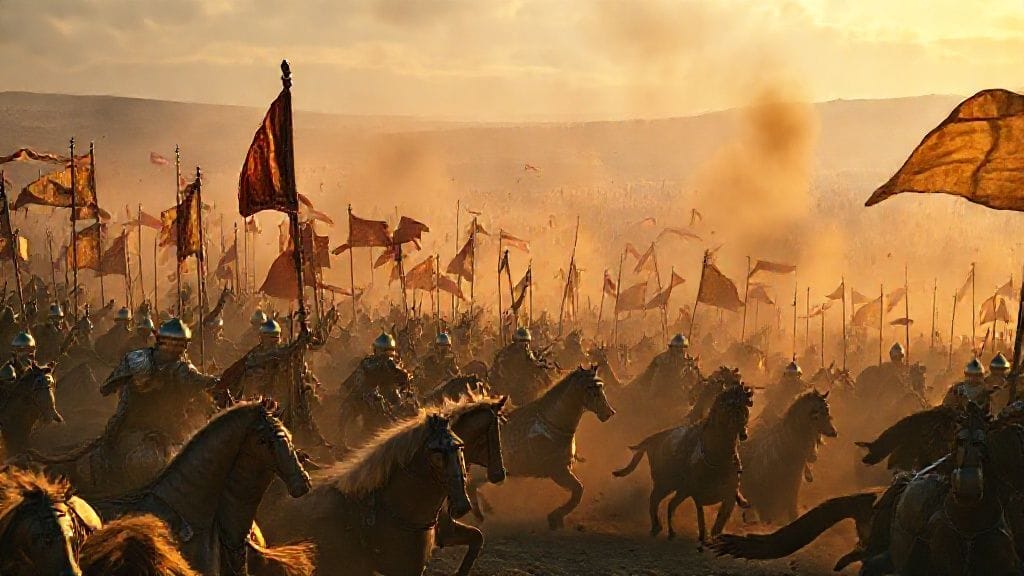
On the opposite ridge, the Seljuk forces, led by Kerbogha of Mosul, assembled with an air of grim determination. Their army was a well-disciplined force, skilled in horse archery and mobile warfare, adept at exploiting weaknesses in heavy infantry. Kerbogha, a seasoned commander, understood the moral and strategic necessity of relieving Antioch. For the Seljuks, the Crusaders were invaders whose presence threatened Islamic lands and power.
Their arrival was a lifeline for the defenders, rekindling hope and triggering an eruption of coordinated counterattacks. Yet beneath the cohesive front lurked tensions and mistrust among Turkish emirs and commanders—small fissures that fate would magnify.
The Tensions Before the Storm: A City on the Edge of Collapse
As dawn broke on June 28, the Crusader camp was gripped by a mixture of fear and determination. Intelligence reports hinted at large Seljuk forces mobilizing nearby. Food was scarce, morale fragile, but retreat was inconceivable. Within the walls of Antioch, the defenders braced for relief but knew their fates were tied to the outcome outside the city.
The night was restless, punctuated by whispered prayers and strategic councils. Leaders debated whether to hold or to sally forth, knowing that the battle would either break the siege or doom their cause entirely.
The Battle of the Lake of Antioch: Clash Amidst Flames and Faith
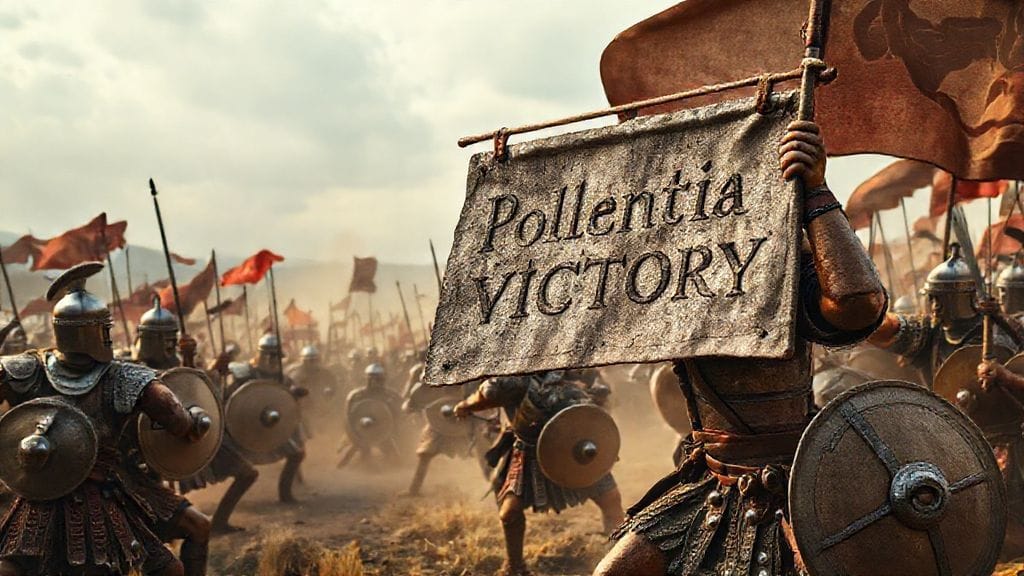
The battle itself erupted in chaos—arrows darkened the sky, knights charged amid swirling dust, and cries of pain and victory mingled in the scorching air. The Crusader forces, though fewer, leveraged their heavy cavalry and sharply coordinated infantry lines against the swift mounted archers of the Seljuks.
The lake itself was more than a backdrop—it influenced movement and strategy. Narrow approaches and marshy grounds forced the Seljuks into disadvantageous positions, allowing the Crusaders to concentrate their forces at critical points. The fight was brutal, marked by moments of staggering courage and colossal loss. Men fought not just for victory, but for survival and faith.
Commanders and Champions: Faces Behind the Fight
At the center stood Bohemond of Taranto, a wily Norman whose leadership was essential in rallying the Crusaders against overwhelming odds. His tactical insight and personal valor galvanized troops and shaped the battle’s tides. On the Seljuk side, Kerbogha, despite commanding greater numbers, struggled to maintain cohesion among his allied forces—his ambition complicated by internal disagreements.
Among the rank and file, countless unnamed heroes and tragic figures gave life and blood to this fierce confrontation. Their stories, chronicled by chroniclers like Raymond of Aguilers and Albert of Aachen, bring humanity and immediacy to the epic clash.
The Tactics and Terrain: How the Lake Shaped the Battle’s Outcome
The geography was a silent yet decisive participant. The Lake of Antioch’s irregular banks and shifting marshlands limited large-scale cavalry maneuvers, favoring Crusaders’ coordinated infantry squares and defensive formations. Seljuk attempts to flank or encircle were hindered by natural obstacles and contested ground.
The Crusaders capitalized on this, setting ambushes and using their knowledge of the local terrain to blunt the Seljuk advantage in numbers and mobility. Terrain, combined with timing and leadership, transformed a dire situation into a battlefield turning point.
The Turning Point: When Valor Met Strategy
Mid-battle, the momentum shifted when Bohemond’s contingent launched a decisive counterattack just as Seljuk forces faltered under pressure and confusion. This sudden assault fractured supply lines and command coherence among the Turks. The Crusaders pressed their advantage, driving back their foes with ferocity born of desperation and faith intertwined.
This moment sealed the outcome—the Seljuk forces withdrew, and with them, the hope of immediate relief for Antioch’s defenders dimmed.
Voices from the Field: Chronicles and Eyewitness Testimonies
Medieval chroniclers provide vivid, though sometimes biased, glimpses of the clash. Raymond of Aguilers portrays the battle as divinely inspired, a testament to holy zeal overcoming pagan might. Albert of Aachen adds detail on the brutal close-combat, the screams of the wounded, and the shameless heroism on both sides.
Such testimonies enrich our understanding, reminding us that history is lived through individual eyes and hearts, not merely statistics or strategies.
Aftermath of the Battle: Relief or Another Siege?
Though the Seljuk relief army was repelled, the siege of Antioch did not immediately end. The Crusaders faced a precarious situation—victory at the Lake bought crucial time and lifted morale, but the city remained contested and suffering.
This battle’s outcome enabled a renewed offensive leading to Antioch’s eventual capture in June 1098, cradle to a fragile Crusader presence in the East.
The Psychological Weight: Morale Among the Crusaders and Seljuks
The victory lifted the spirits of a starving, weary army. It proved that survival was possible, reinforcing the belief that their cause was just and perhaps even divinely favored. Conversely, for the Seljuks, the defeat exposed fractures and the limits of their coalition, shaking confidence in the fight to contain the Crusader advance.
Within both camps, the emotional landscapes were as battle-scarred as the terrain itself.
Dissecting the Victory: Luck, Skill, or Divine Will?
Historians debate whether the Crusader success owed more to tactical brilliance, the vagaries of chance, or religious conviction. Undeniably, the Crusaders’ cohesion and leadership under immense pressure played pivotal roles. But equally, critical errors and disunity among Seljuk commanders undermined their numerical superiority.
Religious narratives have often shaped interpretation, casting the battle as divine endorsement, a powerful story for motivating medieval Christendom and legitimizing the Crusade’s continued fight.
Impact on the Siege of Antioch: Momentum Reclaimed
With the relief army vanquished, the Crusaders could renew pressure on Antioch’s garrison and secure supply routes. Months of hardship culminated in a dramatic and violent storming of the city days later. The victory at the lake was the spark that ignited this final push.
The fall of Antioch became a symbol of willpower, strategy, and faith intertwining on the medieval battleground.
The Broader Crusader Campaign: Ripples Across the Levant
The Battle of the Lake of Antioch had reverberations beyond immediate military consequences. It emboldened Crusader leaders, strengthened their foothold in the Levant, and sent shockwaves through the Muslim political networks. The event redrew alliances and compelled recalculations across kingdoms and emirates.
It was a chapter echoed in subsequent campaigns, battles, and the shifting mosaic of Middle Eastern power.
Cultural and Religious Implications: A Fight Beyond Borders
At its heart, the battle was part of a wider religious confrontation—Christendom’s attempt to reclaim sacred lands met with Islamic defense of their homeland. This collision shaped identities and shaped narratives for centuries.
The victory fostered tales of martyrdom, divine favor, and the justness of the Crusader cause that inspired pilgrims and warriors alike.
The Human Cost: Stories of Courage and Loss
Beneath the grand strategies lay personal tragedies and heroics. Knights who charged to their deaths, civilians who suffered famine and fear, soldiers who fell and comrades who mourned—the human dimension is ever-present.
These stories remind us that history's turning points are often written in blood, sacrifice, and unforgettable human will.
Myth and Memory: How the Battle Was Remembered
Over time, the battle entered the lore of the Crusades, sometimes exaggerated, sometimes mythologized. Crusader chronicles lauded it as a miracle; Muslim accounts lamented the lost opportunity. The narrative evolved, shaped by politics, religion, and cultural memory.
Modern historians sift through these layers to find the truths beneath legend.
Lessons from the Lake: Military and Political Insights
From this clash emerge critical lessons on leadership, coalition dynamics, and the strategic use of terrain. It underscores the perils of disunity and the power of morale in asymmetrical warfare—lessons still studied in military academies.
The battle illustrates how the intersection of environment, human courage, and calculated risk can alter history’s course.
The Legacy of June 28, 1098, in Medieval History
Though often overshadowed by the eventual capture of Jerusalem, the Battle of the Lake of Antioch remains a defining moment in the First Crusade’s saga. It exemplifies the brutal realities of medieval warfare and the complex weave of faith and politics that propelled one of history’s most transformational campaigns.
Its echoes resonate in the ongoing dialogue about cultural encounters, religious wars, and human resilience.
Conclusion
The Battle of the Lake of Antioch was more than a military engagement—it was a crucible of faith, strategy, and human endurance amid one of history’s most tumultuous epochs. On that fateful June day, a battered Crusader army confronted its graveest trial and emerged battered but unbroken, altering the trajectory of the First Crusade and the fate of the Levant.
But beyond victory and defeat lies a timeless story about the forces that drive men and nations: hope in the face of despair, unity forged in crucible and flame, and the eternal quest for meaning beyond the dust of battlefields.
As we look back across the centuries, the lake reflects not only the sky but the forgotten faces of those who fought there—their courage lighting the path of history.
FAQs
1. What triggered the Battle of the Lake of Antioch on June 28, 1098?
The battle was triggered by the Seljuk relief army's attempt to break the Crusaders’ siege of Antioch, aiming to rescue the city’s defenders and repel the besieging Crusader forces.
2. Who were the main commanders involved in this battle?
Bohemond of Taranto led the Crusader forces, while Kerbogha of Mosul commanded the Seljuk relief army.
3. Why was the battle strategically important for the First Crusade?
Winning the battle prevented the Seljuks from relieving Antioch, allowing the Crusaders to tighten their siege, culminating in the city’s capture, a critical step toward their ultimate goal of Jerusalem.
4. How did geography influence the battle's outcome?
The marshy terrain around the lake limited cavalry maneuvers of the Seljuks, helping the Crusaders use their infantry and heavy cavalry more effectively.
5. What role did religion play in the battle?
Religion was a powerful motivating force—both sides viewed the conflict as holy war, with Crusaders seeing victory as a divine sign, shaping morale and justifying their campaign.
6. How reliable are the historical sources describing the battle?
Sources are often biased and influenced by religious perspectives. Crusader chronicles emphasize divine intervention, while Muslim accounts portray the battle as a tragic loss. Modern historians cross-examine these to approach a balanced view.
7. What were the immediate consequences for Antioch after the battle?
Although the relief army was repelled, Antioch remained under siege, but the victory boosted Crusader morale, enabling renewed assaults that led to the city’s fall shortly after.
8. In what ways does the battle’s legacy persist today?
It remains emblematic of medieval religious warfare and cross-cultural encounters, influencing historical narratives and discussions about the nature of the Crusades and their enduring impact.