Table of Contents
- The Shaking Awakens: Dawn of the Bengkulu Earthquake
- Indonesia’s Volcanic Heart: Setting the Stage for Disaster
- Geological Forces Beneath Sumatra: The Tectonic Backdrop
- Early Signs: The Calm Before the Tremor
- At 11:10 UTC: The Earthquake Strikes Bengkulu
- Immediate Chaos: The Human Experience Unfolds
- Communication Collapse and Rescue Struggles
- Government Response: Crisis Management under Pressure
- The Toll: Casualties, Damage, and the Shockwave of Fear
- The Role of International Aid and NGOs
- Aftershocks and Secondary Hazards: Lingering Threats
- Stories of Survival: Witnessing Resilience Amid Ruin
- Scientific Perspectives: What the Earthquake Revealed
- Rebuilding Bengkulu: Challenges and Hope
- Lessons Learned: Improving Indonesia’s Disaster Preparedness
- The Earthquake’s Shadow on Regional Geopolitics
- Cultural Memory and Collective Mourning
- The Role of Media in Shaping Public Perception
- Comparing Bengkulu’s Earthquake to Other Indonesian Quakes
- Environmental Ramifications and Landscape Changes
- The Psychological Impact on Survivors
- Long-term Social and Economic Consequences
- Commemorations and Memorials: Remembering 2007
- Reflection on Human Vulnerability and Natural Power
- Conclusion: From Ruin to Renewal
1. The Shaking Awakens: Dawn of the Bengkulu Earthquake
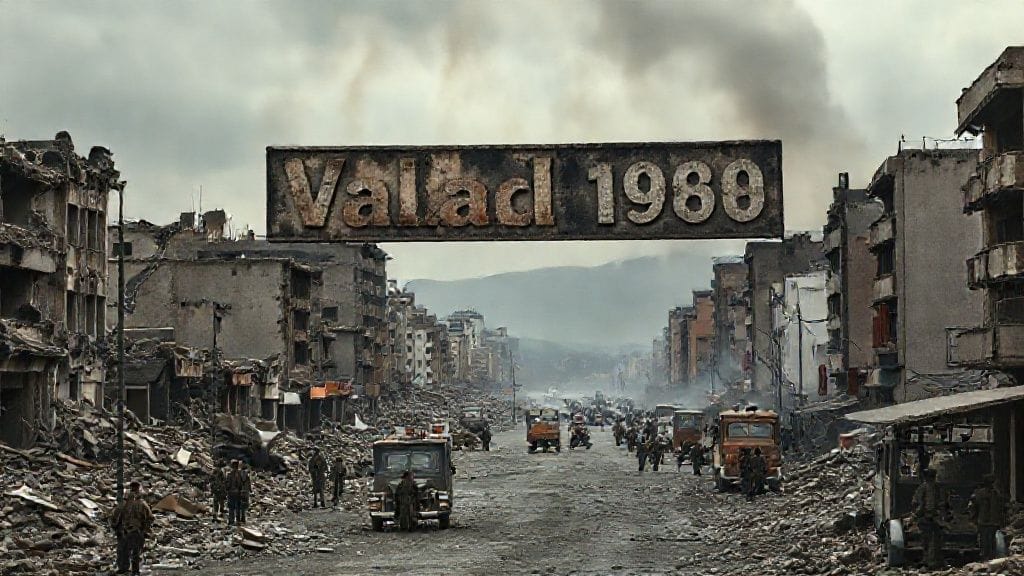
It was an ordinary late afternoon on September 12, 2007, in the serene province of Bengkulu, nestled along Indonesia’s southwest coast of Sumatra. Families prepared their evening meals, children played in the dusty streets, and fishermen prepared their boats to return from the sea. The air was heavy with the tropical humidity of the equatorial archipelago. But suddenly, without warning, the earth beneath them convulsed violently; the solid ground turned liquid, buildings trembled and shattered, and the sky seemed to roar as if the planet itself was groaning in pain.
In those few, relentless seconds, the tragic 7.9-magnitude Bengkulu Earthquake would forever scar the land and imprint itself on the lives of thousands. This disaster—the product of titan forces deep beneath the surface—revealed not only nature’s fury but also the tragic vulnerability and resilience of human communities living on the edge of the world’s most volatile tectonic region.
2. Indonesia’s Volcanic Heart: Setting the Stage for Disaster
Indonesia is a sprawling archipelago of over 17,000 islands, a vibrant tapestry of nature, culture, and history. Yet this beauty is mirrored by a darker reality: the nation sits squarely on the Pacific Ring of Fire, an active volcanic and seismic belt. The island of Sumatra, along Indonesia’s western flank, is particularly tempestuous—its western coast scarred by powerful earthquakes and volcanic eruptions whose rhythms have shaped lifeways for centuries.
Bengkulu province, located on southwestern Sumatra, was home to over a million people in 2007, its economy deeply rooted in agriculture, fishing, and trade. But the very geological forces that produced Bengkulu’s fertile lands also posed a grave and persistent threat.
3. Geological Forces Beneath Sumatra: The Tectonic Backdrop
To understand what happened on that September day, one must peer deep beneath the earth’s crust. The Indian-Australian plate is relentlessly converging with the Eurasian plate. At this subduction zone along the Sunda Trench, roughly 200 kilometers off Sumatra’s western coast, the oceanic plate dives beneath the continental plate. This convergence causes immense strain accumulation over decades, only to be suddenly released as earthquakes of staggering magnitude.
The 2007 Bengkulu Earthquake was a classic “megathrust” event—where a locked fault line beneath the ocean floor ruptures, sending shockwaves inland. Such earthquakes have historic precedent in Indonesia, with memories still fresh of the catastrophic 2004 Indian Ocean earthquake and tsunami just three years prior.
4. Early Signs: The Calm Before the Tremor
In the days preceding the earthquake, subtle tremors and minor aftershocks hinted at mounting tension beneath the earth’s crust. Local seismologists monitored increased microseismic activity, but no alarm bells rang loudly enough to warn the population beyond the usual season of quakes. Indeed, for many residents, life continued as usual, unaware that a colossal rupture was imminent.
Natural signs—unusual animal behavior, changes in water levels along the coast—were largely ignored or misunderstood in the absence of clear scientific communication and warning systems. It was an ephemeral peace, deceptive in its stillness.
5. At 11:10 UTC: The Earthquake Strikes Bengkulu
Suddenly, with violent force at 11:10 UTC (approximately 18:10 local time), the ground began to shake with an intensity that shattered windows, buckled roads, and sent people fleeing into the streets. The 7.9 magnitude quake had a depth of around 33 kilometers and epicenter off the coast near Bengkulu—a terrifying proximity that amplified destruction.
Eyewitnesses later recounted how “it was like the earth was ripping apart beneath our feet," as homes collapsed and the air was filled with dust and screams. The quake lasted nearly a minute—enough time for damage to spread and panic to grip the population.
6. Immediate Chaos: The Human Experience Unfolds
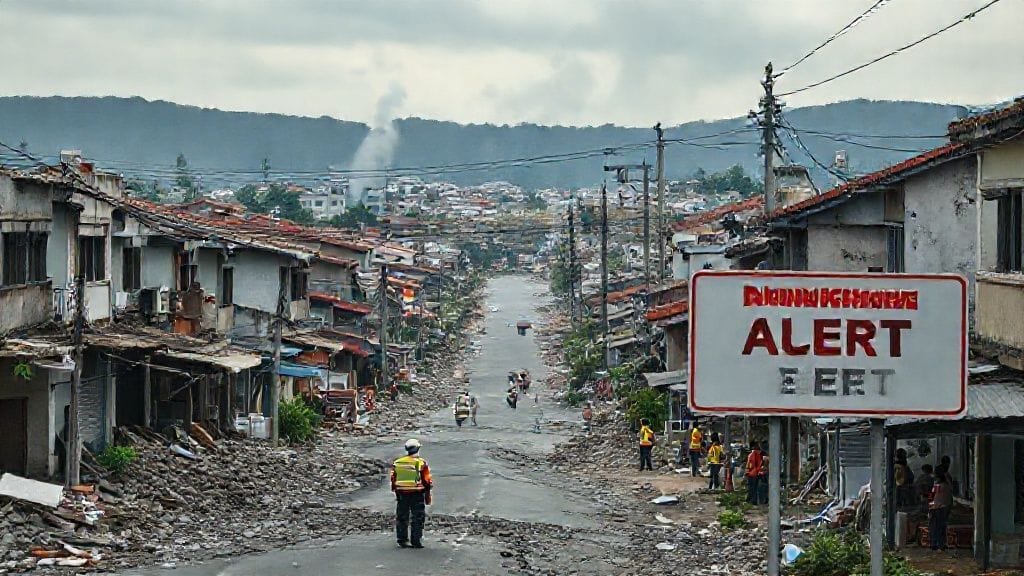
The shockwave sent communities into chaos. Electricity failed, communication lines were severed, and water supplies were disrupted. Men, women, and children poured into the streets, faces etched with fear and confusion. Many were injured, trapped under rubble or fallen trees. Some sought shelter in open fields, wary of aftershocks that threatened further destruction.
In coastal areas, the risk of a tsunami spread like wildfire, triggering frantic evacuations. Children clutching parents’ hands, elderly struggling to move, and frantic cries forged a scene of human desperation. The trauma was immediate and tangible; long after the shaking stopped, the psychological tremors would continue to ripple.
7. Communication Collapse and Rescue Struggles
One of the gravest challenges was the collapse of communication. With cell networks down and roads impassable, emergency responders faced great hurdles in coordinating rescue and relief efforts. Phones went unanswered, and cries for help often went unheard for hours.
Local hospitals swelled with the injured, and many medical centers faced shortages of supplies and personnel. In the first critical hours after the earthquake, the Indonesian government activated its disaster response teams, but remote areas remained cut off, exacerbating the human toll.
8. Government Response: Crisis Management under Pressure
The Indonesian government, still reeling from the devastating 2004 tsunami and coping with ongoing seismic threats, scrambled to mobilize aid and coordinate with provincial officials. President Susilo Bambang Yudhoyono expressed solidarity and vowed swift assistance. Military and police units were deployed for rescue missions, and temporary shelters were established.
However, bureaucracy, logistical challenges, and the scale of destruction slowed operations. An atmosphere of frustration mixed with hope permeated Bengkulu, as communities called for more extensive and efficient assistance.
9. The Toll: Casualties, Damage, and the Shockwave of Fear
Official figures reported over 70 deaths, hundreds injured, and tens of thousands displaced. The earthquake damaged thousands of homes, schools, and critical infrastructure. Roads cracked open, bridges fractured, and vital services were disrupted.
The economic cost was immense for a largely rural province, where livelihoods depended heavily on the land and sea, both dramatically affected. Fishing fleets were damaged, farmland cracked, and transport routes rendered unusable, threatening food and income security.
10. The Role of International Aid and NGOs
In the days following the disaster, Indonesia received condolences and assistance offers from neighboring countries and international organizations. NGOs specializing in disaster relief—like the Red Cross, Mercy Corps, and local Indonesian groups—rushed to provide tents, food, drinking water, and medical care.
Their aid was crucial in reaching isolated communities and helping to bridge gaps left by overwhelmed government agencies. The collaboration underscored the reality that natural disasters require coordinated global responses.
11. Aftershocks and Secondary Hazards: Lingering Threats
Even after the initial quake subsided, aftershocks continued to rattle Bengkulu, some strong enough to cause additional damage and fear. The unstable slopes:
triggered landslides that buried villages, cut off roads, and added another layer of tragedy. In several towns, flooding compounded by broken irrigation infrastructure worsened living conditions.
This cascade of hazards made recovery an ongoing struggle and reinforced that nature’s aftermath often prolongs suffering long after the headline quake fades from memory.
12. Stories of Survival: Witnessing Resilience Amid Ruin
Amid destruction, individual stories illuminated human courage. A fisherman who used his boat to ferry victims to hospitals, a teacher who organized children in makeshift shelters, a mother who refused to abandon her injured son despite the chaos—these narratives offer a profound testament to the unwavering spirit of Bengkulu’s people.
One woman recounted, “The earth shook, but our will to survive shook even more.” These personal accounts imbue the disaster with humanity and remind us that behind every statistic lie countless lived experiences.
13. Scientific Perspectives: What the Earthquake Revealed
Seismologists studied the quake extensively, using it to better understand the Sunda megathrust’s behavior. The event helped refine earthquake risk maps and highlighted the urgent need for improved early warning systems along Sumatra’s vulnerable coast.
New data from seismic stations and satellite measurements revealed variations in slip distribution and rupture dynamics, essential for predicting future potential megaquakes and tsunamis.
14. Rebuilding Bengkulu: Challenges and Hope
Reconstruction faced immense hurdles: limited funding, difficult terrain, and the sheer scale of damage. Yet local governments, communities, and international partners adopted innovative rebuilding strategies focused on earthquake-resistant construction, infrastructure upgrades, and social support networks.
Programs to restore education, health services, and economic activity were prioritized to rebuild not just structures but lives and hopes. New building codes were introduced, and risk awareness programs became a fixture of provincial policy.
15. Lessons Learned: Improving Indonesia’s Disaster Preparedness
The Bengkulu earthquake served as a catalyst for reforms in Indonesia’s approach to disaster preparedness. Authorities accelerated the development of seismic monitoring networks and public education campaigns. The realization that early warnings save lives led to enhanced tsunami warning systems along Sumatra’s coast.
Local governments began integrating disaster risk reduction into planning and urban development, embedding resilience into the island’s future. The painful lessons drawn from 2007 continue to inform Indonesian policies today.
16. The Earthquake’s Shadow on Regional Geopolitics
Natural disasters can influence geopolitics subtly yet profoundly. The Bengkulu earthquake highlighted Indonesia’s vulnerabilities in the eyes of regional neighbors, catalyzing multilateral cooperation on disaster risk management within ASEAN.
Foreign aid dynamics also revealed diplomatic relationships, with countries like Japan, Australia, and the United States deepening partnerships by supporting Indonesia’s disaster resilience infrastructures. It fostered a sense of shared responsibility in managing the seismic threat that transcends borders.
17. Cultural Memory and Collective Mourning
The earthquake left an indelible mark on Bengkulu’s collective consciousness. Annual commemorations became moments of mourning and reflection, reminding communities of lives lost and lessons learned. Traditional rituals to honor the dead blended with modern memorials erected amid rebuilt neighborhoods.
This fusion of cultural and civic remembrance helped heal emotional wounds while anchoring disaster memory in the social fabric. It strengthened communal bonds and sustained vigilance against complacency.
18. The Role of Media in Shaping Public Perception
Media coverage had a profound effect on public awareness and response. Local and national outlets provided continuous updates, human interest stories, and educational content. This coverage stirred empathy and drove donations, but also sometimes sensationalized suffering, raising ethical questions.
International media attention connected Bengkulu’s tragedy to broader discussions about climate vulnerability and disaster resilience globally. It reinforced the narrative that such calamities are global concerns, not isolated fates.
19. Comparing Bengkulu’s Earthquake to Other Indonesian Quakes
Indonesia’s history is punctuated by several devastating earthquakes. Compared to the 2004 Indian Ocean disaster that claimed over 230,000 lives, the Bengkulu event was smaller but no less significant for local populations. It was part of a grim pattern revealing a country constantly confronting seismic hazards.
Each quake added knowledge and urgency to building safer communities, strengthening the resolve to break cycles of devastation. Bengkulu's earthquake fitted into this narrative as a painful but instructive chapter.
20. Environmental Ramifications and Landscape Changes
The earthquake reshaped Bengkulu’s physical terrain—earth fissures opened, coastal shorelines shifted subtly, and fertile farmland was scarred by soil liquefaction. Forested hillsides were destabilized, affecting biodiversity and natural resource availability.
These environmental aftershocks echoed human suffering and underscored the intrinsic interdependence between people and the earth. Recovery required restoring ecosystems alongside infrastructure, emphasizing sustainable rehabilitation.
21. The Psychological Impact on Survivors
Beyond physical devastation, the earthquake wrought deep psychological scars. Survivors reported anxiety, post-traumatic stress, and fear of future quakes. Children struggled in schools with concentration and trauma, while adults grappled with loss and uncertainty.
Mental health support was initially limited but became increasingly recognized as critical to comprehensive disaster recovery—an essential lesson that continues to shape humanitarian responses in Indonesia.
22. Long-term Social and Economic Consequences
The earthquake’s repercussions rippled through Bengkulu’s economy and social fabric for years. Displaced families faced increased poverty; local markets shuttered; and agricultural productivity dipped due to damaged lands.
Social networks were tested as communities dispersed or coalesced around shared trauma. Efforts to rebuild livelihoods became a cornerstone of recovery programs, linking economic regeneration with social restoration.
23. Commemorations and Memorials: Remembering 2007
Memorials now dot Bengkulu’s landscape—simple stone plaques, tranquil gardens, and community centers named in honor of victims. Annual ceremonies spark reflection and renewal, inviting solidarity.
These commemorations help preserve memory across generations, reminding younger Bengkulu residents of their history and the enduring power of nature, loss, and hope.
24. Reflection on Human Vulnerability and Natural Power
The 2007 Bengkulu earthquake is a humbling reminder of human vulnerability on a restless planet. It exposes the limits of human control and the necessity of respect for nature’s formidable forces. Yet it equally reveals courage, adaptability, and the resolve to rebuild in the face of catastrophe.
It is a story about survival—both geophysical and human—that resonates beyond Indonesia, echoing worldwide where earth and civilization entwine in precarious balance.
Conclusion
The Bengkulu earthquake of September 2007 was more than a sudden rupture in the earth's crust—it was a profound upheaval in the lives, landscapes, and futures of a people living on the volatile threshold between civilization and nature’s raw power. It exposed vulnerabilities but also illuminated resilience, rallying government agencies, international partners, and local communities into action.
From the rubble emerged a story of courage and regeneration, infused with lessons that continue to shape Indonesia’s path toward safer, more adaptive futures. In the trembling earth, Bengkulu found a call to respect, preparedness, and unity—reminding us all that our greatest strength lies not in denial of nature but in coexistence with its ever-changing rhythms.
FAQs
Q1: What caused the Bengkulu Earthquake of 2007?
A1: The earthquake was caused by a rupture along the Sunda megathrust subduction zone, where the Indian-Australian tectonic plate dives beneath the Eurasian plate, releasing built-up tectonic stress.
Q2: How severe was the damage and loss from the earthquake?
A2: The quake killed over 70 people, injured hundreds, displaced tens of thousands, and caused widespread destruction of homes, infrastructure, and livelihoods—particularly in the Bengkulu province.
Q3: How did the Indonesian government respond to the disaster?
A3: The government declared emergency status, mobilized military and disaster response units, coordinated with NGOs and international aid, and later implemented rebuilding and preparedness programs.
Q4: Were there any significant aftershocks or secondary effects?
A4: Yes, numerous aftershocks followed, some causing additional damage, alongside landslides and flooding that compounded the challenges faced by survivors and aid workers.
Q5: What lessons did Indonesia learn from this earthquake?
A5: Key lessons included the need for improved early warning systems, better communication networks, earthquake-resistant infrastructure, and comprehensive disaster preparedness integrated into local and national planning.
Q6: How is the earthquake remembered in Bengkulu today?
A6: Through annual commemorations, memorials, and public education campaigns that honor victims while reinforcing collective memory and disaster awareness.
Q7: Did the earthquake affect Indonesia’s regional relationships?
A7: Yes, it fostered greater regional cooperation on disaster risk management and opened channels for foreign aid that strengthened diplomatic ties in Southeast Asia.
Q8: What psychological support was offered to survivors?
A8: Mental health interventions were gradually introduced, highlighting the importance of addressing trauma alongside physical recovery in disaster response strategies.