Table of Contents
- The Calm Before the Wave: A Sunny September Day in Crimea
- Geological Mysteries Beneath the Black Sea
- Early Warnings Ignored: The Scientific Context of 1927
- The Unexpected Roar: The Tsunami Strikes Yalta
- Immediate Chaos: The Human Experience of the Wave
- The Impact on Crimea’s Coastal Communities
- The Role of Local Authorities and Emergency Response
- Tsunami Science in the Early 20th Century: Understanding the Unseen
- Historic Accounts and Survivors’ Testimonies
- Political Atmosphere in Soviet Crimea During 1927
- The Aftermath: Recovery Amidst Scarcity
- Mapping the Destruction: Geographical and Geological Repercussions
- Media Coverage and Public Perception in 1927 USSR
- Comparative Tsunamis: Lessons from Past and Future Waves
- The Silent Legacy: Why the Black Sea Tsunami Remains Little Known
- Modern Science Revisiting the 1927 Tsunami
- The Tsunami’s Influence on Coastal Planning in Crimea
- Cultural Reflections and Artistic Responses to the Disaster
- The Black Sea Today: Warning Systems and Preparedness
- Conclusion: Echoes of the 1927 Wave Through Time
- FAQs
- External Resource
- Internal Link
1. The Calm Before the Wave: A Sunny September Day in Crimea
On the morning of September 11, 1927, the Crimean coast basked under a golden sun. The air was warm, the Black Sea serene, and the bustling resort town of Yalta prepared for another day of autumn visitors. Children laughed along the waterfront, merchants arranged their stalls, and fishermen hauled in their early nets. People spoke little of danger—after all, the sea had always been a source of life, trade, and leisure for centuries in this region. But beneath that tranquil surface, hidden from eyes and minds, nature stirred with a secret force. It was a day that would shatter the illusion of peace and leave an indelible mark on the peninsula’s history.
2. Geological Mysteries Beneath the Black Sea
The Black Sea, cradled between Europe and Asia, is often mistaken for a placid inland sea. Yet it rests upon a complex geotectonic landscape. Its basin, shaped by millennia of seismic activity, holds potential for underwater landslides and faults primed for rupture. The Crimean Peninsula itself occupies a volatile junction where the Eurasian Plate interacts with smaller microplates. While earthquakes were not unknown, the collective memory of a tsunami here was faint, almost mythical. Scientists of the 1920s were beginning to decode such underwater processes, but data remained sparse and fragmented.
3. Early Warnings Ignored: The Scientific Context of 1927
In the years leading to 1927, some seismologists had begun hinting at the possibility of tsunamis in enclosed seas like the Black Sea. Reports of submarine landslides and minor tremors provided clues. However, the scientific community was split, with many dismissing the Black Sea as too limited in size to generate destructive waves. Moreover, the political and social turmoil in the Soviet Union often sidelined scientific concerns for more immediate ideological priorities. This created a blind spot, leaving the Crimea’s shores vulnerable to natural forces they could neither foresee nor prepare for.
4. The Unexpected Roar: The Tsunami Strikes Yalta
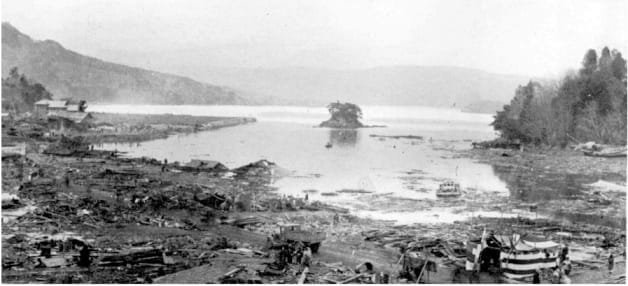
At approximately 9:30 AM, a low but growing rumble rolled through the air, unsettling birds and locals alike. Then came a receding of the Black Sea’s waters—an ominous warning invisible to many caught in their daily routines. Moments later, a towering wave, some estimates suggest up to 5 meters in height, surged where the shoreline had been moments before. Buildings nearest to the beach were swamped, wooden piers ripped apart, and boats hurled inland like toys. The wave, though brief, carved a terrifying path and left utter destruction in its wake. For Yalta, the disaster arrived with little chance to escape.
5. Immediate Chaos: The Human Experience of the Wave
Eyewitness accounts tell of shock and horror: men who tried instinctively to dive into the sea found themselves overwhelmed; families scrambled for higher ground; homes were inundated with cold, black water laced with debris. “I never knew the sea could be so angry,” recalled Vasily Ivanov, a fisherman whose boat was smashed to splinters. Panic and confusion seized the population as the wave passed, but for many, the nightmare continued as the waters retreated, dragging with them possessions and flickering hopes. Amid the chaos, acts of bravery emerged—neighbors pulling neighbors from rubble, strangers sharing scant resources, and survivors searching through the wreckage for loved ones.
6. The Impact on Crimea’s Coastal Communities
The physical devastation was staggering for a single natural event in the region. Entire segments of the shoreline were reshaped; sandy beaches replaced by rocky debris, harbors clogged with sediment, and infrastructure pushed beyond repair. Maritime trade suffered a blow, and fishing—a lifeblood for many—was severely disrupted. Villages near Yalta reported loss of life and extensive property damage. But the social fabric, though strained, held as communities banded together. The disaster exposed vulnerabilities, especially in emergency response and resilience, which the Soviet authorities would have to confront in due time.
7. The Role of Local Authorities and Emergency Response
In 1927, Crimea was part of the Soviet Union’s evolving administrative system. Response to the tsunami was hampered by limited communication technologies and the remote nature of some affected areas. Local authorities made valiant efforts to rescue survivors and provide shelter, but resources were scarce. Moreover, a rigid political climate sometimes politicized relief efforts, complicating the efficient deployment of aid. Despite these challenges, testimonies reveal a determined commitment from local officials and citizens alike, sowing seeds for later improvements in disaster management.
8. Tsunami Science in the Early 20th Century: Understanding the Unseen
Globally, the early 1900s witnessed advances in geology and oceanography, but tsunami studies were still nascent. Instruments to measure undersea earthquakes were primitive, and knowledge of how underwater landslides could trigger waves was emerging only slowly. The Black Sea tsunami of 1927 thus provided a rare, albeit tragic, data point. Scientists such as Boris Gubkin and Vladimir Vernadsky, prominent Soviet geologists of the era, expressed interest in the event, pushing for more detailed marine research. Their work hinted at a broader awareness—a realization that such disasters could strike unexpectedly even in seemingly calm waters.
9. Historic Accounts and Survivors’ Testimonies
Survivors’ stories form the heart of the 1927 narrative—each painting a portrait of fear, resilience, and occasional hope. A remarkable testimony by Ekaterina Petrovna describes waking to the sea’s withdrawal, warning neighbors of the impending wave, and then helping pull children from rising waters. Archive letters and newspaper fragments published later in the year capture similar scenes of personal loss but also community solidarity. These voices humanize the disaster, bridging decades to deliver the raw emotion of those who lived through the floodwaters.
10. Political Atmosphere in Soviet Crimea During 1927
Crimea in 1927 was a region undergoing political transformation. The Soviet regime was consolidating power, with collectivization policies and social reforms redefining local life. The tsunami added an unexpected challenge. Relief efforts intersected with ideological agendas: the state sought to showcase its capacity for action while controlling narratives to maintain public morale. Intellectual debates within the Communist Party regarding natural disasters reflected broader concerns about human control over nature and the limits of socialist modernization in volatile environments.
11. The Aftermath: Recovery Amidst Scarcity
Reconstruction in Crimea was slow, hindered by economic constraints and political upheaval. The affected towns faced shortages of materials, labor, and funds. Many displaced families endured long periods in temporary shelters, confronting harsh autumn chills. Yet collective farming and community projects were soon mobilized to rebuild not just homes and businesses but also social institutions. This phase strengthened the bonds among Crimean residents, embedding the tsunami into local history as both a tragic event and a catalyst for unity.
12. Mapping the Destruction: Geographical and Geological Repercussions
The tsunami left distinct traces on Crimea’s coastline. Subsequent geological surveys documented changes in sediment patterns and shoreline erosion. Underwater investigations revealed probable sources: a submarine landslide triggered by a minor but sudden earthquake near the southern Crimean shelf. These findings, once pieced together, helped scientists better understand the Black Sea’s seismic risks. Maps produced in the following decades highlighted “hot zones” where similar events might recur, informing future coastal development plans.
13. Media Coverage and Public Perception in 1927 USSR
In an age before television and widespread radio, the tsunami’s news traveled mainly through newspapers and word of mouth. Soviet state media framed the disaster within narratives of human spirit and socialist resilience. While some detailed reporting conveyed the scale of devastation, censorship limited exposure of government shortcomings. Still, letters from Crimea and firsthand accounts eventually sparked concern and sympathy across the Soviet Union, contributing to a more unified understanding of natural disasters as collective challenges requiring coordinated response.
14. Comparative Tsunamis: Lessons from Past and Future Waves
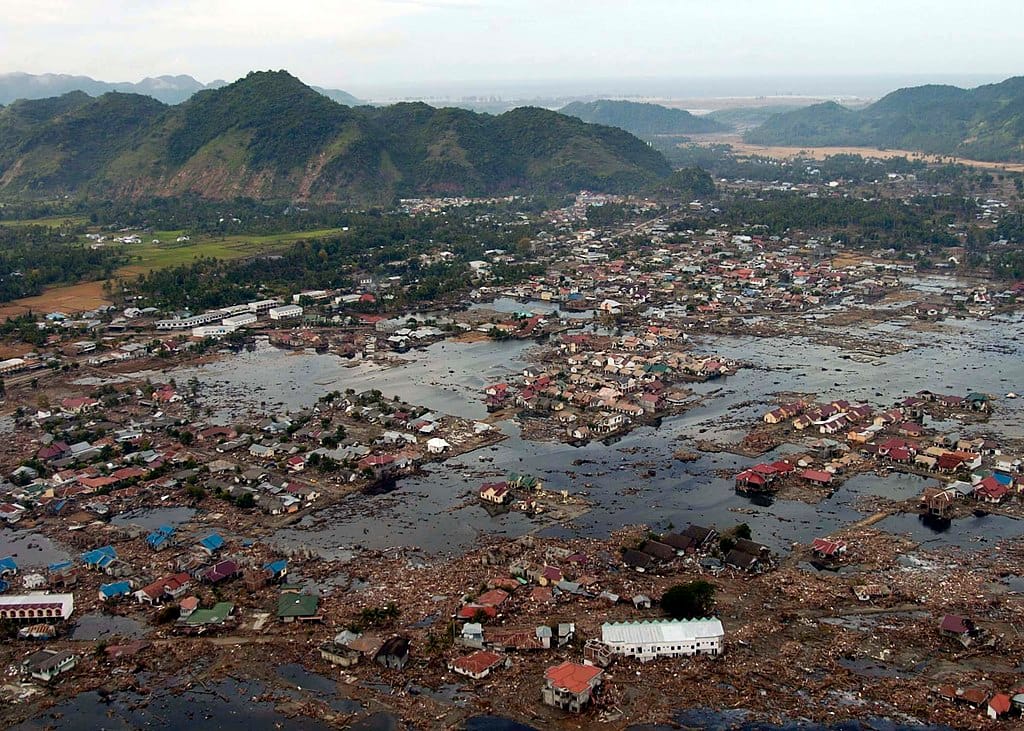
The 1927 Black Sea tsunami remains rare but is not unique. Comparing it with more catastrophic waves—such as those in Japan (1923 Great Kantō earthquake) or future events like the 2004 Indian Ocean tsunami—provides insights into the conditions that generate such disasters. In many ways, the Crimea wave was a subtle prelude to what modern science has recognized worldwide: that no coastal community is immune from the sudden wrath of the sea. These comparisons urge continued vigilance and investment in early warning systems.
15. The Silent Legacy: Why the Black Sea Tsunami Remains Little Known
Despite its local significance, the 1927 tsunami has languished in obscurity. Political isolation, limited scientific dissemination, and the overshadowing global events of the 20th century all contributed. Unlike other tragedies with clear international memory, this event quietly shaped Crimea’s history without widespread recognition. Recently, however, renewed interest in regional natural hazards has brought it back into academic and public discourse, offering a chance to honor those affected and learn from past silence.
16. Modern Science Revisiting the 1927 Tsunami
Today’s scientists employ advanced technologies—seismic sensors, satellite imagery, underwater mapping—to reconsider the 1927 tsunami. Research published in the last two decades links it definitively to a specific underwater landslide, provides refined estimates of wave height, and simulates its propagation patterns. This modern analysis enriches the historical narrative, bridging past testimonies with cutting-edge data, and underscores the Black Sea’s continued seismic potential.
17. The Tsunami’s Influence on Coastal Planning in Crimea
In the decades following 1927, coastal development in Crimea incorporated lessons from the tsunami. Building codes became stricter near vulnerable beachfronts; ports and harbors integrated safer designs; and emergency protocols slowly improved. While political changes and conflicts interrupted some progress, safety considerations stayed part of the planning dialogue. Today’s urban planners regard the event as a foundational case study in balancing human ambition with natural risk.
18. Cultural Reflections and Artistic Responses to the Disaster
Though not as widely depicted as other natural tragedies, the tsunami found echoes in Crimean literature, paintings, and folklore. Local poets and writers memorialized the wave’s suddenness and aftermath, weaving it into the region’s cultural fabric. These artistic responses capture more than destruction—they reflect resilience, the fragility of human life, and the relationship with the sea that defines Crimea.
19. The Black Sea Today: Warning Systems and Preparedness
Modern monitoring of the Black Sea includes seismic stations and real-time oceanographic data that aim to detect precursors to tsunamis. International cooperation has improved, with Ukrainian, Russian, Turkish, and Romanian agencies sharing expertise. Public education campaigns emphasize evacuation routes and readiness. While the risk cannot be eliminated, these measures embody hard-earned wisdom from the past, ensuring no recurrence of the 1927 wave catches the coast unawares.
20. Conclusion: Echoes of the 1927 Wave Through Time
The Black Sea tsunami of September 11, 1927, was a sudden rupture in Crimea’s peaceful landscape—a moment when nature’s immense power humbled human certainty. Its story combines geological mystery, human drama, political complexity, and scientific discovery. Nearly a century later, it reminds us that beneath calm waters lie invisible threats, and that resilience emerges from both remembrance and action. The wave may have passed, but its ripples still shape Crimea’s identity, cautioning future generations with lessons born of water and loss.
Conclusion
The story of the 1927 Black Sea tsunami is one woven with threads of human courage, nature’s unpredictability, and the enduring quest for understanding. It is a sobering reminder that even places seemingly sheltered from the world’s great disasters are not immune to sudden, life-altering events. The inhabitants of Crimea faced an unforeseen catastrophe, responded with generosity and grit, and rebuilt amidst hardship and political turbulence. Their experience transcends time, offering us not only history but also a mirror on the delicate balance between humanity and the forces that govern our planet. Remembering the tsunami is honoring the voices of those who lived through the wave and reaffirming our dedication to vigilance, science, and community in the face of nature’s profound power.
FAQs
Q1: What caused the 1927 Black Sea tsunami near Crimea?
A1: The tsunami was triggered primarily by a submarine landslide following a minor underwater earthquake near the southern Crimean shelf. The displacement of sediment caused a powerful wave to surge onto the coast.
Q2: How many people were affected by the tsunami in Yalta and surrounding areas?
A2: While exact numbers are difficult to ascertain due to incomplete records, hundreds of residents were affected, with dozens reported killed or severely injured, and thousands displaced by property loss and flooding.
Q3: Was the tsunami predicted or was there any warning system in place?
A3: No formal warning system existed in 1927. Although some scientists suspected tsunami risks, the event was unexpected and caught locals unprepared.
Q4: How did the political situation in Soviet Crimea affect disaster response?
A4: The Soviet political environment both motivated and constrained response efforts. Authorities attempted coordinated aid but were limited by scarce resources and bureaucratic challenges, as well as the need to control information.
Q5: Why is the 1927 Black Sea tsunami less known internationally?
A5: The relative local scale of the disaster, restricted media coverage during the USSR era, and overshadowing by major global events like World War II contributed to its obscurity.
Q6: What has modern science learned from the 1927 tsunami?
A6: Advanced research confirmed the tsunami’s submarine landslide origin, enhanced understanding of Black Sea seismic hazards, and informed current warning and preparedness systems for the region.
Q7: How did the tsunami influence coastal planning in Crimea?
A7: Post-disaster, authorities introduced stricter building codes, improved emergency protocols, and emphasized safer harbor construction to mitigate possible future impacts.
Q8: Are tsunamis common in the Black Sea today?
A8: Tsunamis are rare but possible in the Black Sea due to its geology. Modern technology serves to monitor seismic activity and alert populations, aiming to prevent disasters on the scale of 1927.