Table of Contents
- A Roaring Wave on a Quiet September Day: The Black Sea Tsunami of 1927
- The Tranquil Calm Before the Storm
- Crimea and Yalta: A Jewel of the Black Sea Coast
- Seismic Whispers: Geological Forces Beneath the Waves
- That Fateful Morning: September 11, 1927
- The First Tremors and the Rising Tide
- The Tsunami Unleashed: Walls of Water in Yalta
- Chaos and Courage: The Human Response
- Stories from the Shore: Eyewitness Accounts
- Immediate Aftermath: Destruction and Despair
- Rescue Efforts Amidst Ruins
- The Scientific Investigation: Understanding the Tsunami
- A Rare Event in the Black Sea: The Rarity and Mystery of the 1927 Tsunami
- Political and Social Repercussions in Soviet Crimea
- Remembering the Disaster: Memory and Legacy
- How the 1927 Tsunami Changed Coastal Safety Measures
- The Black Sea’s Geological Past and Future Risks
- Lessons Learned: Tsunami Awareness in an Unlikely Sea
- The Cultural Imprint: Art, Literature, and Oral Histories
- Modern Science Revisits the 1927 Event
- Comparing Tsunamis: Black Sea Versus Global Phenomena
- The Enduring Silence of the Black Sea Tsunami
- Conclusion: Waves Through Time and Memory
- FAQs
- External Resource
- Internal Link
A Roaring Wave on a Quiet September Day: The Black Sea Tsunami of 1927
September 11, 1927, began like any other early autumn day along the Crimean coast. The sun rose over the tranquil palette of the Black Sea, casting a glittering trail across gentle waves. Tourists strolled along Yalta’s promenades, merchants prepared their daily goods, children laughed as they played near the shore—all under a sapphire sky that promised peace. But beneath this idyllic setting, deep under the sea, the Earth was moving — a hidden force ready to shatter the calm. Suddenly, the water retreated like a breath held too long. Then came the wave: a swift, crushing wall of water that surged onto the coast, swallowing all in its path. The Black Sea tsunami of 1927 was born in a moment of earth-shaking violence, a rare and deadly visitor that the inhabitants of Crimea would never forget.
The Tranquil Calm Before the Storm
Crimea, perched in the northern reaches of the Black Sea, was a region renowned for its mild climate, dramatic cliffs, and sparkling beaches. Yalta, its prized port city and resort town, was a bastion of cultural life during the interwar period. Visitors came from across the Soviet Union and Europe to bask in the healing sea air, luxuriate in hotels, and savor the balmy light. Yet beneath the sun-dappled surface, the Black Sea was a geological paradox. Cradled by tectonic plates yet thought to be geologically stable, the region had no history of major tsunamis recorded in its recent memory.
The atmosphere was one of optimism yet cautious tension. The Soviet government was investing in the development of Crimea as a Soviet jewel. Infrastructure was being modernized; tourism was booming. But nature, as often, would remind the world of its latent power with little warning.
Crimea and Yalta: A Jewel of the Black Sea Coast
Yalta, nestled against the jagged Crimean Mountains, had drawn poets, politicians, and expatriates alike. The town was famous for the Livadia Palace, the summer residence of the Russian Tsars, and a vibrant promenade lined with cafes and gardens. It was here, on this delicate border between the majestic mountains and the restless sea, that the Black Sea tsunami would crash through lives and homes.
The population was a patchwork of ethnic Russians, Ukrainians, Crimean Tatars, and others, all connected by the sea that nourished their livelihood through fishing and tourism. Even as political tides shifted across the country, the Black Sea coast held on to its timeless rhythm — until the 1927 tsunami ripped through that continuity.
Seismic Whispers: Geological Forces Beneath the Waves
Beneath the placid Black Sea lies a complex and little-understood tectonic structure. The region is intersected by fault lines linked to the larger collision zone between the Eurasian and African tectonic plates. Earthquakes were not uncommon, but significant submarine landslides or tectonic shifts capable of producing tsunamis were thought to be rare.
However, scientists today trace the 1927 event to a sudden seismic disturbance near the southwestern shelf of the Black Sea. The earthquake, though moderate by global standards, likely triggered underwater landslides—massive displacements of sediment along the continental slope—creating waves capable of amplifying in height as they approached the shore.
That Fateful Morning: September 11, 1927
Eyewitnesses recalled an eerie stillness before the event. There was an unusual silence, a hush broken by distant rumblings as the Earth shifted. The sky maintained its peculiar serenity as the first tremors shook the ground in Yalta. Unaware of the impending danger, many residents continued with their routines.
Suddenly, the sea began to withdraw rapidly; in some places, hundreds of meters of seabed were exposed. The retreating waters were a terrifying precursor to the disaster about to unfold. A thunderous roar filled the air, and the residents turned toward the shore just in time to witness the enormous wave rushing toward them. The surge was merciless, breaking over piers, crushing boats, and flooding low-lying neighborhoods.
The First Tremors and the Rising Tide
The earthquake that struck minutes before the tsunami was measured at approximately magnitude 6.0, moderate but sufficient to unsettle the sediments offshore. The tremors shook buildings and sent windows shattering. But it was the behavior of the sea that shocked Yalta’s inhabitants most of all.
Reports speak of a fast-drawing tide, unusual and inexplicable for the untrained eye. Vendors abandoned their stalls as the ground quivered beneath their feet. Then the sea, as if in sudden refusal, pulled back dramatically, swallowing the shallow waters and exposing the seabed strewn with starfish, shells, and marine plants left gasping in the sun.
The Tsunami Unleashed: Walls of Water in Yalta
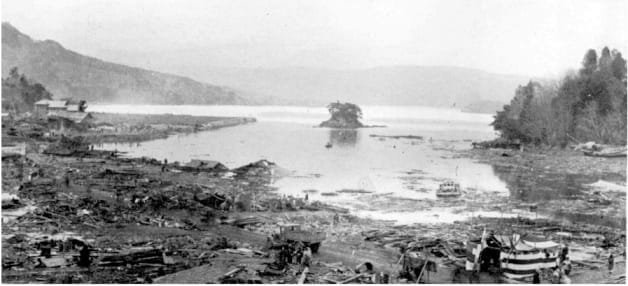
The wave struck Yalta with devastating force. Some eyewitnesses described it as a monstrous wall of water, towering over promenades and washing away everything in its path: wooden boats were thrown like matchsticks, streets became rivers, and buildings on the shoreline crumbled.
The velocity of the wave left no time for escape for many. Some sought refuge on higher ground or in sturdy structures, while others were swept away in minutes. The wave surged inland up to hundreds of meters, drowning homes, gardens, and marketplaces.
For those who survived, it was a sight forever etched in memory—the overwhelming power of nature striking without mercy or discrimination.
Chaos and Courage: The Human Response
In the immediate aftermath, the community was thrown into turmoil. The usual order was shattered, but alongside despair rose acts of remarkable courage. Fishermen and townspeople banded together to pull survivors from floodwaters, while doctors and nurses rushed to treat wounds amidst the wreckage.
Despite the Soviet government’s relative silence on the event in official records—a common practice to mask vulnerabilities—localized heroes emerged. Teachers opened schools to shelter displaced families, and priests organized prayers and practical aid.
Yet chaos reigned in the streets, where families frantically sought missing loved ones and neighbors combed through debris with bare hands.
Stories from the Shore: Eyewitness Accounts
One of the most haunting testimonies comes from Anna Ivanovna, a schoolteacher who witnessed the sea’s retreat and then the crushing wave. “At first, the water just disappeared–like a miracle—or a curse. We looked out in disbelief. Then came the roar, a terrible crashing, and the wave rolled in like a beast. I grabbed my students and ran uphill, but many were not so lucky. The sea was merciless.”
Another account comes from Pavel, a fisherman: “My boat was torn from its moorings and smashed against the rocks. I swam desperately to shore, pulling a boy from the water. He was coughing seawater, eyes wide with shock. We lost friends that day.”
Such vivid, human stories provide a window into the terror experienced and the resilience shown.
Immediate Aftermath: Destruction and Despair
The damage to Yalta and surrounding settlements was extensive. Roads were destroyed or flooded, making rescue and relief operations difficult. Fishing fleets were decimated, devastating local economies dependent on the sea. Communication lines faltered. Reports suggest dozens of casualties, though exact numbers remain uncertain due to Soviet censorship and incomplete documentation.
Homes on the beaches were unusable, forcing many families into temporary shelters or makeshift tents. The psychological impact was profound; the sea, once a source of livelihood and beauty, became a symbol of terror.
Rescue Efforts Amidst Ruins
Local authorities scrambled to organize relief, but the scale of destruction was overwhelming. Medical supplies and aid were in short supply. Volunteers from nearby towns converged to help. In an era before modern disaster response, improvisation was key.
Soviet officials eventually dispatched assessment teams, but the event was downplayed in official narratives, possibly to maintain public morale or conceal infrastructural vulnerabilities.
Despite such challenges, the community began a slow process of recovery, cleaning debris, rebuilding homes, and restoring the port’s functionality.
The Scientific Investigation: Understanding the Tsunami
The 1927 Black Sea tsunami puzzled seismologists for decades. Unlike the better-known tsunamis of the Pacific or Mediterranean, the Black Sea lacked a clear precedent. Initial studies suggested a link to a submarine earthquake triggering landslides, but without direct observation, definitive conclusions remained elusive.
Subsequent geological research and sediment analysis confirmed evidence of underwater mass movements consistent with tsunami genesis. This event became a case study for understanding rare but possible tsunami events in enclosed or semi-enclosed seas.
A Rare Event in the Black Sea: The Rarity and Mystery of the 1927 Tsunami
The Black Sea is one of Europe’s less seismically volatile bodies of water. Unlike the Pacific “Ring of Fire,” it has fewer strike-slip faults and subduction zones. This rarity made the 1927 event all the more shocking.
Why did this tsunami strike then? Models suggest a perfect storm of seismic and geomorphological factors—an earthquake occurring in a sensitive zone combined with unstable underwater slopes.
For decades, the lack of follow-up tsunami warnings or preparedness kept the Black Sea populations vulnerable, highlighting the need to reconsider long-held assumptions about regional natural risks.
Political and Social Repercussions in Soviet Crimea
In 1927, Crimea was under the evolving Soviet regime, grappling with political consolidation and social change. The tsunami, though a natural disaster, intersected with Soviet ideological narratives and bureaucracy.
Information was tightly managed. Reports of the disaster were muted in the press, possibly to avoid undermining confidence in Soviet progress. Yet, the human cost was real, and the event influenced urban planning and coastal development.
Communal solidarity was emphasized in the rebuilding efforts, aligning with the Soviet ideals of collective struggle and renewal.
Remembering the Disaster: Memory and Legacy
For many years, the black sea tsunami of 1927 was a forgotten tragedy, obscured by the political context and overshadowed by larger 20th-century upheavals. However, local oral histories kept it alive in collective memory.
Recent anniversaries have seen renewed interest in commemorating the event, with memorials and exhibitions dedicated to victims and survivors. The tsunami forms a somber chapter in Crimean history, a reminder of nature’s caprice and human resilience.
How the 1927 Tsunami Changed Coastal Safety Measures
Though slow to adopt, regional authorities eventually embraced lessons from the tsunami. Coastal construction regulations were revised, warning systems were evaluated, and geological surveys became more systematic.
The event spurred Soviet scientists to advocate for early warning systems, though technological constraints delayed their implementation.
By mid-century, measures to monitor seismic activity beneath the Black Sea improved, contributing to safer coastal management.
The Black Sea’s Geological Past and Future Risks
Geological studies reveal that the Black Sea basin has experienced submarine landslides and seismic activity across millennia. The 1927 event is a recent chapter in a longer story of dynamic geological processes shaping the region.
Modern research suggests the possibility of future tsunamis, albeit infrequently, underscoring the need for ongoing vigilance in coastal urban planning and disaster preparedness.
Lessons Learned: Tsunami Awareness in an Unlikely Sea
The 1927 tsunami challenged assumptions about safety in the Black Sea. Awareness campaigns now stress the importance of understanding local geological hazards, even in regions not traditionally associated with large tsunamis.
Education, community drills, and investment in detection technologies have grown, inspired by the painful lessons of the past.
The Cultural Imprint: Art, Literature, and Oral Histories
Throughout Crimea, the tsunami has inspired stories, poems, and artworks. Folk tales passed down generations speak of the giant wave as a "sea demon" or divine punishment.
Artists have attempted to capture both the violence and the sorrow of the event, while writers explore the human stories beneath the waves. This cultural imprint enriches the collective identity of Crimea’s peoples.
Modern Science Revisits the 1927 Event
In recent decades, advanced seismic monitoring, underwater mapping, and sediment analysis have shed new light on the tsunami’s causes. International collaborations integrate historical records with scientific data, building comprehensive models.
This research contributes to global tsunami science and emphasizes the Black Sea’s place in the wider natural hazard landscape.
Comparing Tsunamis: Black Sea Versus Global Phenomena
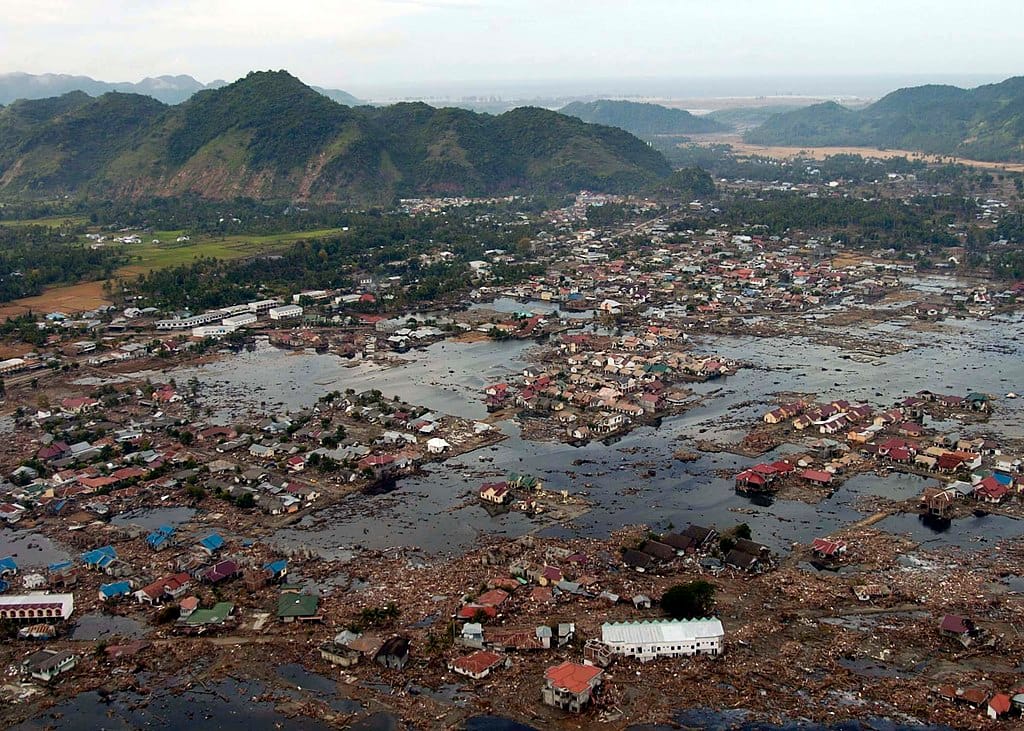
Compared to Pacific tsunamis like the 2004 Indian Ocean or 2011 Tōhoku events, the Black Sea tsunami was smaller in scale but no less deadly locally. It exemplifies how tsunamis can arise even in unexpected seas, challenging preconceptions in disaster preparedness.
Its study helps scientists understand varying triggers, wave dynamics, and impact scenarios across different marine environments.
The Enduring Silence of the Black Sea Tsunami
For much of the 20th century, the 1927 tsunami faded from the global narrative of natural disasters. Political censorship, the absence of dramatic media coverage, and focus on catastrophic events elsewhere contributed to this silence.
Only in recent times has the event reemerged into public and academic consciousness—as a cautionary tale and a chapter of resilience.
Conclusion: Waves Through Time and Memory
The Black Sea tsunami of 1927 was an extraordinary rupture in the calm, a reminder of nature’s latent might even where least expected. It shattered not only shores but the illusions of safety that enveloped Crimea and Yalta. Yet, from destruction rose resilience—communities rebuilt, scientists investigated, and generations learned.
This rare natural catastrophe carries enduring lessons: the necessity of humility before Earth’s unpredictable forces, the strength of human solidarity, and the vital importance of memory to guide future generations. As the waters of the Black Sea lap today against Crimean shores, they whisper a story of awe and warning—inexorably linking past tragedy to present vigilance.
FAQs
Q1: What caused the Black Sea tsunami of 1927?
A1: The tsunami was most likely triggered by an underwater earthquake near the southwestern shelf of the Black Sea, which induced submarine landslides. These sudden large displacements of sediment on the sea floor generated tsunami waves that struck Crimea's coast.
Q2: How severe was the damage caused by the tsunami?
A2: The tsunami caused significant destruction along the Crimean coast, especially in Yalta. Numerous boats were destroyed, homes flooded or swept away, and dozens of lives were lost. Exact damage estimates remain incomplete due to limited records.
Q3: Was the Black Sea region known for tsunamis before 1927?
A3: No, tsunamis in the Black Sea are extremely rare. The 1927 event remains one of the few confirmed tsunami occurrences in this mostly enclosed and geologically less active sea.
Q4: How did the Soviet government respond to the disaster?
A4: The Soviet government undertook local relief operations but largely downplayed the event in official communications. This was likely an effort to maintain public morale and avoid appearing vulnerable during a politically sensitive period.
Q5: What impact did the tsunami have on scientific understanding?
A5: The event prompted increased geological and seismological research into the Black Sea region, demonstrating that even enclosed seas could experience tsunami-generating earthquakes and underwater landslides.
Q6: Are tsunamis still a threat in the Black Sea today?
A6: While rare, future tsunamis cannot be ruled out due to the region’s complex geology. Modern monitoring and preparedness efforts aim to mitigate potential future risks.
Q7: How is the 1927 tsunami remembered today?
A7: The tsunami is commemorated locally through memorials, exhibitions, and cultural expressions, though it remains lesser-known globally. Renewed interest by historians and scientists has helped preserve its memory.
Q8: What lessons does the 1927 tsunami offer for modern disaster management?
A8: It highlights the importance of hazard awareness even in areas not traditionally associated with tsunamis, the need for early warning systems, and the value of combining historical accounts with modern science to prepare for rare natural disasters.