Table of Contents
- The Dawn of September 11, 1927: An Uneasy Calm
- Crimean Shores: A Tapestry of History and Vulnerability
- Geological Setting: The Secret Forces Beneath the Black Sea
- The Moment the Sea Roared: The Tsunami Hits Yalta
- The Human Toll: Lives Shattered in a Single Wave
- Eyewitness Voices: Stories from the Brink of Disaster
- The Russian Civil War’s Shadow: A Fragile Region in Turmoil
- Immediate Response: Chaos, Compassion, and Confusion
- Scientific Inquiry and the Quest for Understanding
- The Geo-Political Resonance of a Natural Catastrophe
- Reconstruction and Resilience: Yalta’s Road to Recovery
- The 1927 Black Sea Tsunami in Soviet Narratives
- Memory and Myth: How the Disaster Was Remembered
- Comparative Perspectives: Tsunamis in the Black Sea Region
- Modern Understanding: From 1927 to Present-Day Hazard Assessments
- What the Wave Taught Us: Lessons in Preparedness and Respect
- The Lasting Psychological and Cultural Impact on Crimeans
- Conclusion: Echoes of the Black Sea’s Furious Wave
- FAQs: Answers to Common Questions About the 1927 Tsunami
- External Resource
- Internal Link
1. The Dawn of September 11, 1927: An Uneasy Calm
In the slender hours before dawn on September 11, 1927, the Black Sea’s usually serene surface lay glassy and still along the Crimean coast. Yalta, a jewel nestled on the sinuous curves of the peninsula’s southern shores, awaited the arrival of a new day. Fishermen prepared their modest boats. Market vendors arranged fresh produce, while hotel guests stirred in their beds, dreaming innocently in the fading starlight. No one could have guessed that within a few hours, nature’s hidden fury would rise and consume their lives, rewriting the region’s history in a surge of water and despair.
The disaster that befell Yalta was not a tempest or storm, but something altogether more sudden, more bewildering: a tsunami. Though the Black Sea is ensconced inland, far from the violent tectonic plate collisions known to spawn such waves, this lesser-known tragedy revealed the uncanny capacity of this enclosed sea to unleash catastrophic power. The 1927 tsunami that swept Crimea reminds us that the forces beneath our feet often remain inscrutable and unpredictable — a lesson inscribed in human memory by nature’s silent but relentless hand.
2. Crimean Shores: A Tapestry of History and Vulnerability
Crimea, with its sun-dappled beaches and verdant forests, had long been a crossroads of empires, cultures, and conflict. In the 1920s, the peninsula bore the scars of the Russian Civil War, a patchwork of political unrest and rebuilding communities. Yalta itself was a famed resort town, frequented by Russian aristocracy before the revolution and, increasingly, by Soviet officials and intellectuals.
Yet beneath its pastoral beauty lay a landscape replete with geological complexity. The Crimean Mountains rise abruptly from the sea, their folded layers telling tales of ancient earth movements. Meanwhile, the Black Sea’s basin harbored unknown subsurface faults. The people of Yalta lived with a deep connection to the sea — yet few had ever imagined it could betray them so brutally.
3. Geological Setting: The Secret Forces Beneath the Black Sea
The Black Sea is often perceived as calm, hemmed in by Ukraine, Russia, Turkey, and the Balkans. But it sits upon a restless seam where Eurasian and smaller tectonic microplates interact. Throughout millennia, these tectonic pressures have produced underwater landslides and seismic disturbances.
In 1927, the scientific understanding of these mechanisms was rudimentary at best. The precise cause of the tsunami was a massive underwater landslide triggered by seismic activity near the Crimean coast. This landslide displaced a vast volume of water, culminating in a towering wave that raced toward the shoreline.
This process, largely invisible to the naked eye and unsuspected by the local population, concealed the destructive potential lying beneath the seemingly benign Black Sea.
4. The Moment the Sea Roared: The Tsunami Hits Yalta
At approximately 7:00 a.m., the first tremors were felt — subtle vibrations followed by a strange, unnatural stillness as the water receded. Witnesses described the sea withdrawing hundreds of meters from the shore as if pulled by an unseen force. This eerie phenomenon, often a prelude to tsunamis, was a chilling signal that catastrophe was imminent.
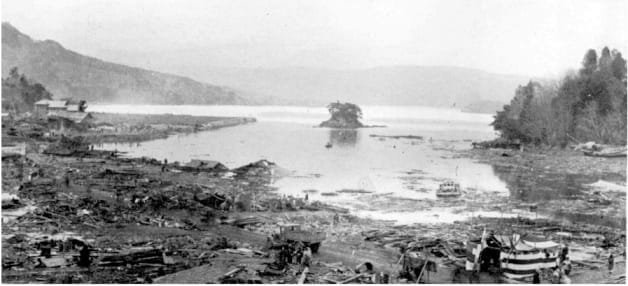
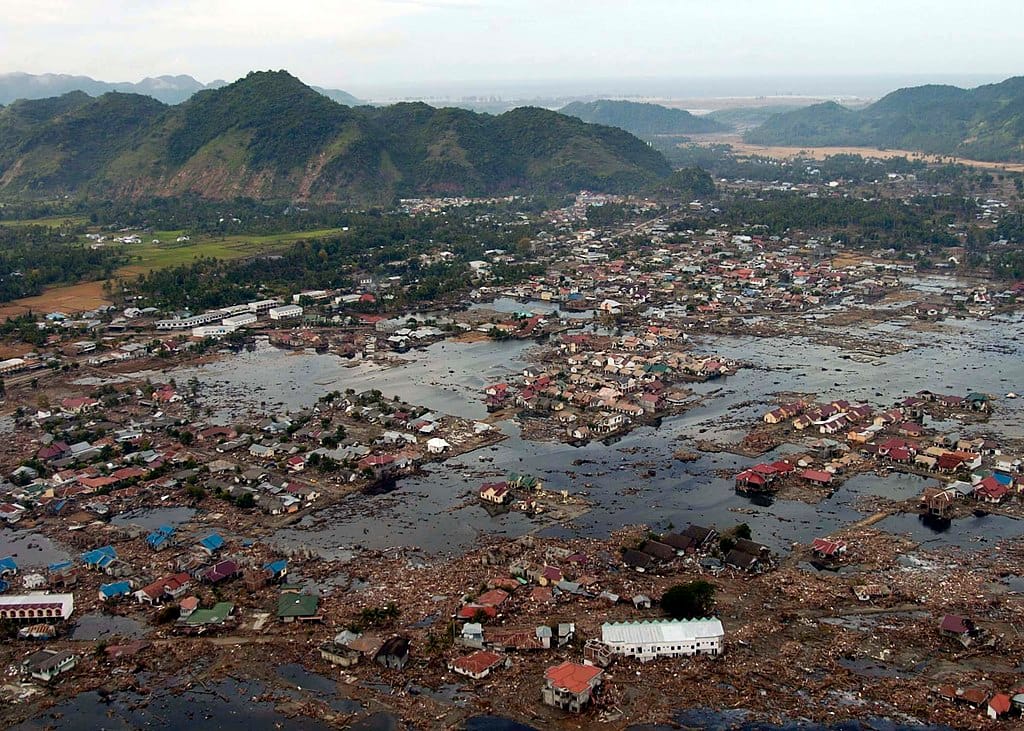
Then the wave struck. A colossal surge, reported as high as 6 to 8 meters in some estimated accounts, barreled into Yalta’s beachfront. It crashed over seaside promenades, overwhelmed fishing boats and swept whole families from the quay.
Buildings near the shore were gutted by water and debris, while panic spread through the streets as the wave advanced and then retreated, only to be followed by smaller but equally damaging afterwaves.
5. The Human Toll: Lives Shattered in a Single Wave
Though precise casualty figures remain debated due to the chaotic state of the region during the late 1920s, contemporary accounts suggest that dozens perished in Yalta and surrounding coastal villages. Hundreds more were injured, homes destroyed, livelihoods erased.
The tsunami struck a population still weakened by years of political upheaval and famine. Children, fishermen, laborers, and the elderly alike found their lives forever altered by the relentless surge.
One survivor, a fisherman named Ivan Petrov, would later recall in a rare interview: "I saw the sea pulled back like it was thirsty, and then it came roaring back like a beast. I lost my son that day. The water took him before I could reach his hand."
6. Eyewitness Voices: Stories from the Brink of Disaster
Amid the ruins and heartbreak, stories emerged that spoke of both doom and resilience. Anna Karpova, a local seamstress, described how neighbors formed makeshift groups to search for the missing, offering solidarity in a moment of shattering loss.
Another account detailed how a schoolteacher used the scare to teach her pupils about the forces of nature and survival. "The wave was a lesson," she wrote in a journal unearthed decades later. "One we did not want, but one we must remember."
These testimonies highlight the human dimension of a natural event — where statistics and geological data fall short, individual lives and memories paint the truer picture.
7. The Russian Civil War’s Shadow: A Fragile Region in Turmoil
The tsunami erupted in a Crimea that was still reeling from the aftershocks of the Russian Civil War (1917–1923). Borders were contested, governments fragile, and resources scarce. The Soviet regime, consolidating power, faced competing priorities and limited capacity to respond effectively to natural disasters.
This political instability compounded the tragedy. Relief efforts were delayed or inadequate. The state's propaganda sometimes downplayed the disaster to maintain an image of strength and control. Yet, local communities struggled to rebuild amid poverty and deprivation.
It is within this turbulent backdrop that the 1927 tsunami’s aftermath unfolds — a natural disaster intertwining with a human crisis.
8. Immediate Response: Chaos, Compassion, and Confusion
The immediate aftermath saw rescue attempts hampered by damaged infrastructure and confusion. Aid came from local volunteers, medical personnel, and the nascent Soviet emergency services, though hamstrung by logistic and political challenges.
International awareness was minimal at the time; the Black Sea was not associated with tsunamis in public imagination. News filtered slowly, and for many, it remained a tragic but isolated anomaly.
Nonetheless, communities mobilized swiftly in the face of adversity. Hospitals filled with the injured; makeshift shelters sprang up. Courage and compassion became the counterpoint to devastation.
9. Scientific Inquiry and the Quest for Understanding
The 1927 tsunami prompted curiosity among Soviet and foreign geologists and oceanographers. While early 20th-century science lacked modern instrumentation, investigators pieced together accounts and geological surveys, beginning to appreciate the undersea dynamics of the Black Sea basin.
Their work gradually informed future hazard models. This event pushed forward the notion that even inland seas could generate deadly tsunamis, a concept that challenged prevailing paradigms.
The limitations of the era’s technology necessitated reliance on eyewitness stories, tidal records, and sediment analysis, methods that laid foundational work for modern tsunami science.
10. The Geo-Political Resonance of a Natural Catastrophe
Beyond the immediate horror and recovery efforts, the tsunami reverberated in the geo-political arena. Crimean stability was paramount to Soviet interests, particularly as the USSR sought to solidify control over strategic maritime zones and regional access.
The disaster exposed vulnerabilities in coastal defense and infrastructure, leading to engineering projects aimed at protecting key Soviet ports such as Sevastopol and Yalta.
Furthermore, the event became a diplomatic topic in interactions with neighboring countries sharing the Black Sea, prompting early discussions around joint geological monitoring, although such cooperation remained tentative.
11. Reconstruction and Resilience: Yalta’s Road to Recovery
The years following the tsunami witnessed determined reconstruction efforts. Under Soviet programs emphasizing industrialization and modernization, Yalta and surrounding towns rebuilt promenades, piers, and public buildings.
Yet the scars of destruction remained embedded in local identity. Memorials were erected in quiet corners, and annual commemorations became modest rituals to honor those lost.
Survivors often spoke of a dual sense: pride in renewal tempered by a persistent wariness of the sea’s moods.
12. The 1927 Black Sea Tsunami in Soviet Narratives
The Soviet narrative around the tsunami was complex. Official histories tended to frame it as a challenge overcome through socialist solidarity and scientific progress. The disaster was less romanticized than other historical events but served as a symbol of human triumph over nature’s caprices.
Scholars today trace how the tsunami fit into broader Soviet mythmaking — simultaneously acknowledged and subdued to support political agendas.
13. Memory and Myth: How the Disaster Was Remembered
In Crimea’s diverse communities, memory of the 1927 tsunami wove into local folklore. Some fishermen’s tales described monstrous sea creatures thought to cause the waves, while others recounted spirits warning of impending danger.
The event also entered poetic and literary works, serving as a metaphor for sudden upheaval in human life.
Over decades, commemorations waned, but the 1927 tsunami remains a touchstone for environmental awareness in the region.
14. Comparative Perspectives: Tsunamis in the Black Sea Region
Though rare, the Black Sea has recorded other tsunami-like phenomena, often linked to seismic events offshore. Comparing these underscores the uniqueness and severity of the 1927 event.
Regional studies highlight the need for increased vigilance, as similar underwater landslides or earthquakes could generate comparable waves.
The 1927 tsunami stands as a warning — not an isolated blast from a violent ocean, but a quiet menace beneath an enclosed sea.
15. Modern Understanding: From 1927 to Present-Day Hazard Assessments
Today, advanced seismic networks and submarine mapping technologies have revolutionized understanding of tsunami risk in the Black Sea. The 1927 catastrophe provides a critical historical precedent supporting ongoing risk mitigation.
Models now identify vulnerable coastal points, while emergency response plans have integrated tsunami scenarios — improvements unimaginable in 1927.
Yet challenges remain: urban growth, climate change, and geopolitical tensions complicate efforts to safeguard communities along this ancient sea.
16. What the Wave Taught Us: Lessons in Preparedness and Respect
The Black Sea tsunami of 1927 reminds us that complacency in the face of nature’s power is perilous. It taught vital lessons about disaster preparedness, early warning systems, and the importance of environmental monitoring—even in regions considered low risk.
Science, community resilience, and memory form the triad upon which future safety rests. The wave changed not only stone and wood but also collective consciousness.
17. The Lasting Psychological and Cultural Impact on Crimeans
For those who lived through the tsunami and their descendants, the event left a psychological imprint — a heightened respect mingled with subtle trauma. Generations spoke cautiously of "the wave" as an elemental force demanding humility.
Culturally, the tsunami influenced art, music, and storytelling, contributing to Crimea’s rich identity tapestry.
18. Conclusion: Echoes of the Black Sea’s Furious Wave
The 1927 Black Sea tsunami was a natural catastrophe that arrived like a thief in the dawn, sweeping away lives and landscapes with indifferent force. Its legacy stretches far beyond damage and loss; it is a narrative of human vulnerability, resilience, and the pursuit of knowledge.
Yalta today thrives, but the memory of those hours in September lingers—reminding us that beneath even the calmest seas, the earth pulses with power, waiting to remind humanity of its fragile place in the natural order.
Conclusion
The Black Sea tsunami of September 11, 1927, stands as a stark testament to the unexpected forces lurking beneath seemingly placid waters. Emerging from the depths as a sudden wave of destruction, it devastated a community already bearing the burdens of political upheaval and social transformation. Yet, amid ruin and grief arose resilience: communities rebuilt, science advanced, and collective memory forged a lasting bond between people and place.
This event invites a humbling reflection. Nature’s fury is relentless and unpredictable, but it also reveals the capacity for human endurance, compassion, and learning. The waves that tore through Yalta remind us that history is not only made by human hands but also shaped by the untamed rhythms of the earth itself.
FAQs
1. What caused the 1927 Black Sea tsunami near Crimea?
The tsunami was caused primarily by an underwater landslide triggered by seismic activity beneath the Black Sea near the Crimean coast. This sudden displacement of water generated a wave that inundated the shoreline around Yalta.
2. Was the Black Sea previously known for tsunamis before 1927?
Tsunamis in the Black Sea are rare compared to other seismic sea regions. The 1927 event was one of the first well-documented cases, challenging assumptions that enclosed seas like the Black Sea could not produce such waves.
3. How many casualties resulted from this disaster?
Exact numbers are uncertain due to sparse records and regional instability, but estimates suggest dozens died, with hundreds injured and many homes destroyed along the Crimean coast.
4. How did the political context of the time affect the disaster response?
The Soviet Union was consolidating control after the Russian Civil War, leading to limited resources and bureaucratic challenges in emergency relief. Political concerns sometimes impeded transparent communication and effective aid.
5. What was the scientific significance of the 1927 tsunami?
The event prompted early geological and oceanographic inquiry into submarine landslides and seismic risks in the Black Sea, helping to expand tsunami science beyond the Pacific and Mediterranean basins.
6. How is the tsunami remembered today in Crimea?
While public commemorations are modest, the tsunami endures in local folklore, cultural expressions, and scientific studies as a reminder of the sea’s latent power.
7. Are tsunamis still a threat to the Black Sea region?
Though infrequent, the geological risks remain. Modern monitoring and preparedness efforts aim to mitigate the impact of possible future events triggered by seismic or landslide activity.
8. What lessons did the 1927 event teach us?
The disaster highlighted the importance of preparedness even in assumed low-risk areas, the value of scientific investigation, and the resilience of communities faced with sudden natural calamities.