Table of Contents
- The Dawn Before the Waves: Crimean Life on September 11, 1927
- Setting the Stage: The Black Sea’s Geological and Seismic Background
- Silent Provocations: Climatic and Tectonic Stirring Beneath the Surface
- The Morning Tremor: First Signs of Nature’s Fury
- When the Sea Rose: The Tsunami Strikes Yalta and Surrounding Shores
- Chaos and Courage: Human Stories Amid the Sudden Deluge
- The Immediate Aftermath: Rescue Efforts and Community Response
- Scientific Scrutiny: Early Investigations and Understanding of the 1927 Tsunami
- Political Reverberations: The Soviet Union’s Reaction and Propaganda Use
- Environmental Transformation: Shaping the Crimean Coastal Landscape
- The Tsunami’s Shadow on Crimean Culture and Memory
- Comparing Catastrophes: The 1927 Event in the Context of Other Black Sea Tsunamis
- Lessons Learned: Advances in Tsunami Warning and Seismic Research Born from the Disaster
- The Forgotten Wave: Why the 1927 Black Sea Tsunami Slipped from Global Memory
- Present-Day Legacy: How History Shapes Today’s Black Sea Risk Awareness
- Conclusion: The Eternal Dialogue Between Humans and the Sea
- FAQs: Understanding the 1927 Black Sea Tsunami
- External Resource
- Internal Link
The Dawn Before the Waves: Crimean Life on September 11, 1927
As the sun rose over the serene coastline of Crimea on the morning of September 11, 1927, fishermen readied their boats, seaside vendors arranged their wares, and the resort town of Yalta hummed softly with the gentle bustle of early autumn. The Black Sea lapped gently against the rocky shores, its surface a mirror for the majestic Crimean Mountains standing sentinel nearby. Children played along the beaches while artisans and traders prepared for the day ahead, unaware that beneath the calm waters, the Earth’s crust was subtly stirring.
It was a day like many others, painted by the soft azure of the sky and the warm embrace of the late summer sun. Yet, this ordinary beginning masked an extraordinary and devastating event poised to ripple through time and memory—a tsunami, rare and unexpected in the Black Sea, was about to be unleashed.
Setting the Stage: The Black Sea’s Geological and Seismic Background
The Black Sea, an inland body of water bordered by six countries including the Crimean Peninsula, has long been a witness to geological and human history. Unlike the fiery Pacific Rim, the Black Sea is not renowned for frequent tsunamis—a fact that makes the 1927 event all the more remarkable.
This body of water rests atop a complex web of tectonic plates and fault lines associated with the collision of the Eurasian and African plates. The nearby Crimean Mountains are the remnants of ancient tectonic processes. While seismic activity is not infrequent in the region, the Black Sea’s enclosed geography and relatively shallow depths have traditionally limited large-scale tsunami generation.
However, beneath this placid façade lie deeper tensions: underwater landslides, submarine earthquakes, and sudden slope failures can all trigger waves capable of devastating coastal communities. The 1927 tsunami was one such cataclysmic threat realized—an unsettling reminder that the sea's calm is deceiving.
Silent Provocations: Climatic and Tectonic Stirring Beneath the Surface
In the days preceding September 11, 1927, subtle signs of unrest began to surface, unnoticed by the many who went about their lives along Crimea’s shores. Climatologists and geologists, in retrospect, pointed to a combination of factors converging beneath the waves.
Seismic activity detected near the southwestern Crimean coast hinted at an underground disturbance. Reports mention a faint tremor felt inland, causing barely perceptible trembles. Oceanographers today theorize that a sudden underwater landslide along the steep submarine slopes near Cape Ai-Todor triggered a displacement of massive volumes of water.
Simultaneously, unusual atmospheric conditions—stemming perhaps from a late summer storm system—might have influenced water density and wave behavior, implicitly amplifying the resulting tsunami.
All these known and unknown elements culminated in a perfect storm of nature's fury—a ticking bomb beneath the tranquil waves.
The Morning Tremor: First Signs of Nature’s Fury
At approximately 9:30 a.m., residents along the Yalta coast reported a low rumbling, followed by a mild earthquake that rattled windows and unsettled livestock. Farmers in the inland villages to the south noticed the ground shuddering briefly, yet with no immediate damage.
By 10:00 a.m., a mysterious withdrawal of the sea was observed—a phenomenon locally known as “the sea’s retreat,” which in many cultures portends danger. The shoreline exposed wide stretches of the seabed, fish struggled in shallow pools, and a strange silence fell over the water.
This harbinger, however, was lost on many. For some, it was an opportunity to venture further out than usual; for others, a curious oddity. But just as the tide reached its farthest ebb, the calm shattered.
When the Sea Rose: The Tsunami Strikes Yalta and Surrounding Shores
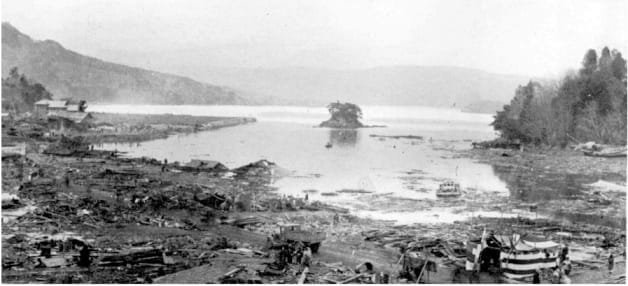
Without warning, a towering wall of water surged back with terrifying force. The 1927 Black Sea tsunami, estimated to have reached heights between 5 and 7 meters, crashed upon the shores of Yalta, Alushta, and nearby villages with deadly intent.
The waves smashed boats anchored in the harbor, uprooted trees, and tore apart wooden structures. Panic ensued as residents scrambled to higher ground. The water's roar masked cries for help and the frantic pounding of hearts.
Eyewitnesses described the blackout-like sky cast by the dense spray and foam, punctuated by the metallic clangs of collapsing buildings and the desperate screams of trapped victims. One elderly fisherman recalled, “The sea was alive, angry, as if it wanted to swallow the whole coast… we ran with our children in our arms.”
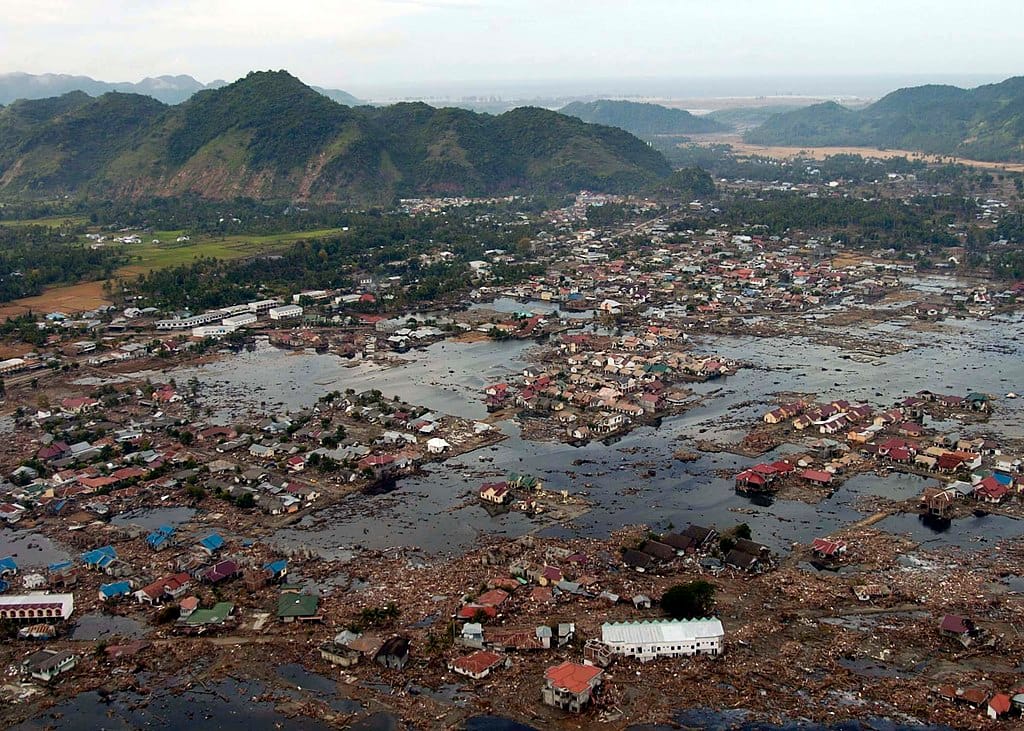
Damage was severe, though records vary on the precise death toll—with estimates ranging from several dozen to over a hundred lives lost. Beyond the human toll, livestock drowned, fields flooded with brackish water, and entire neighborhoods were rendered wrecked.
Chaos and Courage: Human Stories Amid the Sudden Deluge
Amid destruction, stories of human endurance and bravery emerge—a testament to the spirit of Crimean communities confronting nature’s wrath.
Marina, a young schoolteacher in Yalta, is remembered for leading a group of children through winding mountain paths to safety, away from the encroaching waters. Her calm voice amid screaming neighbors became an anchor amid chaos.
In Alushta, local fishermen, many of whom had lost their boats and livelihood, organized impromptu rescue parties, diving into turbulent waters to pull survivors from the debris.
At the port, a grain merchant named Ivan reportedly risked his life to secure food and water supplies for displaced families, refusing to leave until others were safe.
Such narratives, passed down through generations, imbued the event with a shared identity, anchoring the tsunami not only as a disaster but a turning point in communal history.
The Immediate Aftermath: Rescue Efforts and Community Response
In the hours and days following the tsunami, the true scope of devastation became apparent. Emergency responses faced immense challenges. Roads were destroyed, communications cut, and many villages isolated.
Local authorities, under the nascent Soviet administration, mobilized military units and volunteers to provide aid. Temporary shelters were erected on higher grounds, medical assistance distributed, and efforts made to account for missing persons.
However, the scarcity of resources and infrastructure hindered efficient relief. The trauma lingered—not only in shattered homes but scarred minds. Many survivors recounted nightmares, fear of the sea, and a newfound mistrust of nature’s seemingly capricious temperament.
Yet, resilience triumphed: rebuilding began swiftly, fueled by communal solidarity and the Soviet promise of reconstruction and modernization.
Scientific Scrutiny: Early Investigations and Understanding of the 1927 Tsunami
In the aftermath, scientists turned their attention to this unexpected tragedy. The USSR’s burgeoning geological institutes dispatched teams to analyze seismic data, underwater topography, and the tsunami's origin.
Despite limited technology, their research broke new ground. It revealed the role of submarine landslides as primary tsunami triggers in closed seas—a revelation at the time. The 1927 event catalyzed early models attempting to map tsunami risks in semi-enclosed basins, conflicting with previous assumptions that tsunamis were exclusive to oceanic coastlines.
These investigations also flagged the importance of seismic monitoring and public education—foundations that would later underpin modern early-warning systems.
Political Reverberations: The Soviet Union’s Reaction and Propaganda Use
Politically, the tsunami intersected with the Soviet Union’s desire to portray strength amid vulnerability. Official narratives emphasized the swift and effective governmental response, framing the disaster as a test overcome by socialist progress and unity.
State media highlighted heroic stories, mobilization of workers, and calls for reconstruction under communist ideals. The tsunami became symbolic—not just a natural calamity but an opportunity to reaffirm collective resilience and technological superiority.
Yet beneath propaganda lay deeper tensions: the disaster strained resources, exacerbated social inequalities—particularly among ethnic minorities—and exposed gaps in Soviet administrative capabilities in peripheral regions.
Environmental Transformation: Shaping the Crimean Coastal Landscape
Nature’s fury altered the Crimean coast in tangible ways. The tsunami reshaped beaches, eroded cliffs, and deposited sediments in new configurations.
Ecologists note that some coastal ecosystems suffered damage—salt intrusion impacted agriculture, while wetlands were transformed. Conversely, the event accelerated geological processes, revealing new strata and influencing coastal morphology studies.
Over time, vegetation zones adapted, human settlements adjusted layouts, and protective infrastructure—breakwaters, embankments—were constructed to mitigate future risks.
Thus, the tsunami was not only a destructive force but a catalyst for environmental evolution.
The Tsunami’s Shadow on Crimean Culture and Memory
Culturally, the 1927 tsunami left an indelible mark. Oral histories, folk songs, and local literature capture the event's emotional resonance.
Yet, unlike larger catastrophes globally, the Black Sea tsunami occupies a shadowed corner of collective memory. Possible reasons include the Soviet era’s focus on industrial triumphs, the region’s geopolitical marginalization, and the disaster’s limited scale compared to oceanic tsunamis.
Nevertheless, in Crimean homes, the story persists, a cautionary tale passed from elders to children, reminding all of the unpredictable power beneath familiar waters.
Comparing Catastrophes: The 1927 Event in the Context of Other Black Sea Tsunamis
Though rare, the 1927 tsunami was not unique in the Black Sea’s history. Earlier, smaller waves were documented, often linked to earthquakes or landslides.
Compared to the devastating 1992 Crimean tsunami triggered by an earthquake on the nearby Kerch Peninsula, the 1927 event was moderate but notable for its suddenness and localized impact.
Globally, Black Sea tsunamis remain less frequent and smaller in scale than those in the Pacific or Indian Oceans, due to geological differences.
However, the 1927 disaster serves as a critical reminder that no sea is immune from nature’s unpredictability.
Lessons Learned: Advances in Tsunami Warning and Seismic Research Born from the Disaster
The shock of 1927 inspired gradual improvements in monitoring. Soviet scientists advocated for expanded seismic stations, coastal observatories, and public education on tsunami signs.
Globally, the event contributed modestly to broader tsunami science, emphasizing submarine landslides as independent triggers and underlining the need for geological vigilance even in enclosed seas.
Contemporary warning systems trace lineage to such experiences: integrating seismic data, wave monitoring, and community dialogue to better prepare coastal populations.
The Forgotten Wave: Why the 1927 Black Sea Tsunami Slipped from Global Memory
It is striking that this significant event remains obscure internationally. The reasons are manifold: the nascent political regime’s control of information, the disaster’s confined geography, modest casualty figures relative to larger tsunamis, and the overshadowing of world events like looming global economic crises and rising ideological conflicts.
Furthermore, the Black Sea’s peripheral position in global maritime trade compared to oceans relegated the event to regional historical footnotes.
Yet, historians argue that rediscovering such episodes enriches our understanding of natural disasters and human resilience.
Present-Day Legacy: How History Shapes Today’s Black Sea Risk Awareness
Today, the Black Sea remains monitored with advanced technologies. The 1927 tsunami is invoked in risk assessments, emergency planning, and environmental studies.
Local authorities conduct drills, build infrastructure resilient to coastal hazards, and educate residents regarding tsunami warning signs.
Moreover, the event has inspired cultural initiatives, including museum exhibits and public commemorations, fostering a deeper respect for the region's volatile natural heritage.
The memory of the 1927 tsunami continues to influence how societies living on Crimea’s edge engage with the sea—part reverence, part vigilance.
Conclusion: The Eternal Dialogue Between Humans and the Sea
The Black Sea tsunami of September 11, 1927, stands as a poignant chapter in the intricate narrative binding humanity and nature. In a region where the sea is both life-giver and potential destroyer, the event underscored the fragile balance communities must navigate.
Beyond destruction and grief, the tsunami illuminated human solidarity, prompted scientific inquiry, and reshaped cultural consciousness.
In the end, it is a story of coexistence—our eternal dialogue with the powerful forces beneath the waves, reminding us that beneath calm waters may lie the seeds of upheaval. This history is not just of a tsunami; it is a testament to survival, adaptation, and the persistent will to thrive alongside nature’s mysteries.
FAQs
1. What caused the 1927 Black Sea tsunami near Crimea?
The tsunami was primarily triggered by a submarine landslide near the Crimean coast, possibly induced by seismic tremors around September 11, 1927. This sudden displacement of seabed materials pushed water masses upward, generating destructive waves along the shoreline.
2. How severe was the tsunami’s impact on coastal communities like Yalta?
The tsunami’s waves, estimated at 5 to 7 meters high, caused significant destruction to infrastructure, homes, and boats, especially in Yalta and adjacent areas. Estimates suggest dozens to over a hundred fatalities, along with widespread damage to agriculture and local economies.
3. Was the 1927 event the first tsunami recorded in the Black Sea?
No. While rare, historical records and geological evidence indicate previous, smaller tsunami events in the Black Sea, often linked to earthquakes or underwater landslides. The 1927 tsunami is notable for its suddenness and severity.
4. How did the Soviet Union respond to the disaster?
The Soviet government mobilized relief efforts, coordinated rescues, and emphasized reconstruction. They also utilized the event within propaganda frameworks to showcase socialist resilience and progress despite natural calamities.
5. Why is the 1927 Black Sea tsunami not widely known globally?
Several factors contributed: limited scale compared to other global tsunamis, geopolitical isolation of the region under Soviet rule, overshadowing by major 20th-century events, and the Black Sea’s less prominent role in global maritime affairs.
6. What scientific insights emerged from studying the tsunami?
Researchers highlighted the importance of submarine landslides as tsunami triggers even in enclosed seas like the Black Sea. The event spurred the development of seismic monitoring and coastal risk assessments in the region.
7. Has the coastline of Crimea changed due to the tsunami?
Yes. The tsunami reshaped beaches, cliffs, and sediment patterns, impacting ecosystems and prompting human adjustments in settlement and infrastructure near the coast.
8. How is the 1927 tsunami remembered today in Crimea?
While not broadly commemorated globally, local oral histories, cultural narratives, and recent exhibitions keep the memory alive in Crimea, fostering awareness of natural hazards faced by coastal communities.