Table of Contents
- A Night Shattered: The Black Sea Tsunami Strikes Crimea
- Setting the Scene: Crimea in the Roaring Twenties
- Beneath the Surface: Geological Forces at Play
- The Calm Before the Wave: September 10, 1927
- The Sudden Roar: Early Morning Disaster Unfolds
- Yalta’s Awakening: Tales from the Shoreline
- Shockwaves in the Surrounding Towns: Sevastopol and Beyond
- Eyewitnesses Speak: Human Stories Amidst the Ruins
- Immediate Aftermath: Rescue Efforts and Chaos
- Scientific Inquiry: Understanding the Black Sea’s Fury
- The Political Climate: Soviet Responses and Media Silence
- Economic Impact: Ports, Fishing, and Regional Livelihoods
- Cultural Reverberations: The Tsunami in Literature and Memory
- Memory Fades: Why the 1927 Black Sea Tsunami is Overlooked
- Lessons for Today: Modern Science and Tsunami Preparedness in the Black Sea
- Conclusion
- FAQs
- External Resource
- Internal Link
1. A Night Shattered: The Black Sea Tsunami Strikes Crimea
The night of September 11, 1927, began like many others along the sun-drenched coast of Crimea — tranquil, serene, with gentle waves lapping against the shores of Yalta. But in the early hours, an unseen force beneath the water’s surface unleashed a sudden and violent surge, as if the sea itself had been pushed toward the cliffs and beaches with unheard of fury. Buildings shook, boats were torn from their anchors, and the peaceful coastal towns were left reeling in the eerie darkness. It was a tsunami — a word unfamiliar to many locals at the time, yet a terrifying reality that would leave a lasting impression on the Crimean landscape and psyche.
2. Setting the Scene: Crimea in the Roaring Twenties
Crimea in 1927 was a region caught between tradition and transformation. The scars of the Russian Civil War had not fully healed, yet life along the Black Sea coast was beginning to pulse anew. Yalta, famed as a summer retreat for aristocrats and Soviet intelligentsia alike, bustled with holidaymakers and fishermen. The port towns were lifelines for trade and travel, enlivened by the rich diversity of peoples — Russians, Ukrainians, Tatars, and Greeks.
In this period, the Soviet Union was consolidating power, but the edges of change were felt unevenly in Crimea. The region’s unique geography, nestled between rugged mountains and the unforgiving sea, was both a blessing and a challenge. The inhabitants had a deep respect for the natural world, yet few could have anticipated the violence the Black Sea would soon unleash.
3. Beneath the Surface: Geological Forces at Play
The Black Sea, though modest in size compared to oceanic expanses known for their tsunamis, sits atop a complex geological framework. The Crimean Peninsula itself emerges from tectonic stresses linked to the collision of the Eurasian and African plates. Submarine landslides and earthquakes pose hidden dangers beneath the water’s placid look.
On September 11, a submarine earthquake struck off the Crimean coast, its epicenter close enough to disturb the seabed. The resulting displacement of water triggered a tsunami—a rare but devastating phenomenon in the Black Sea region. Unlike the Pacific or Indian Oceans, where tsunamis are more common and studied, the 1927 event was a harsh wake-up call for this quieter sea.
4. The Calm Before the Wave: September 10, 1927
In the days leading up to the disaster, the weather was deceptively calm. The sky was clear, and fishermen charted their course, while townsfolk prepared for another peaceful week. The summer heat was slowly yielding to the cooler hints of autumn, and the waters reflected a glassy stillness.
Yet beneath the surface, seismic pressures were mounting. Modern seismographs would later record tremors, but at the time, the population remained unaware that a natural catastrophe was in gestation just offshore.
5. The Sudden Roar: Early Morning Disaster Unfolds
Around dawn, an unsettling stillness blanketed the coast, broken suddenly by a deep rumble from under the sea. The water began to withdraw rapidly from the shoreline—a classical and ominous precursor to a tsunami. The suspense was brief before the first massive wave crashed ashore with overwhelming force.
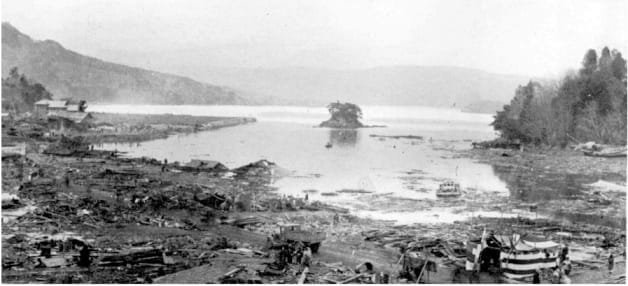
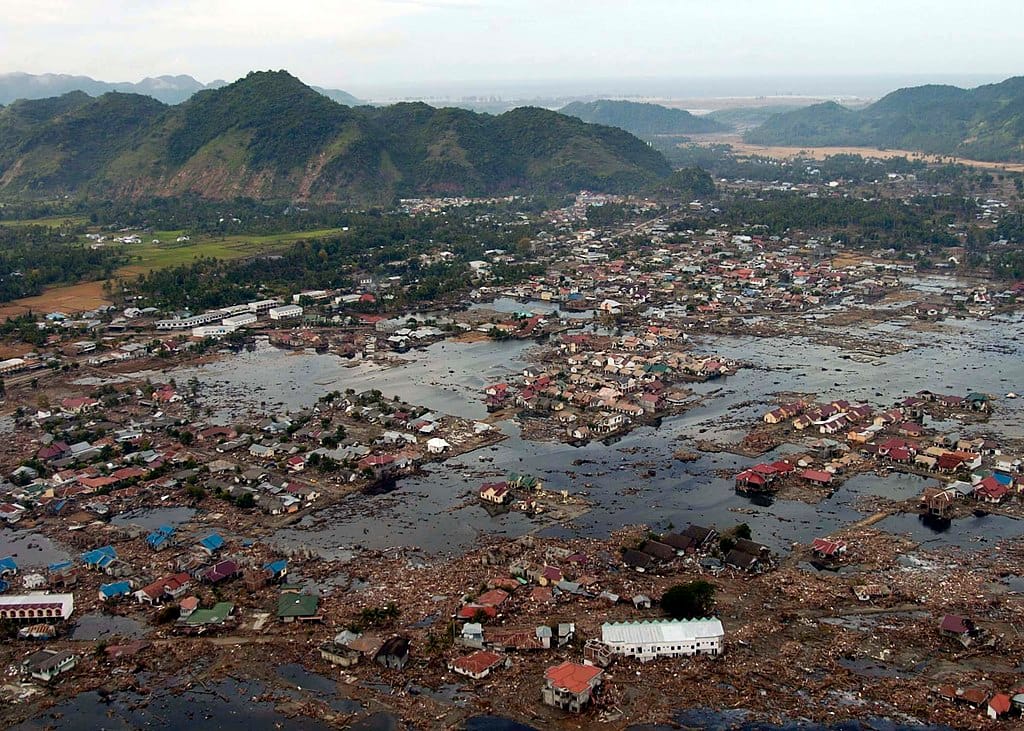
In Yalta, the sea surged upward in a giant wall of turbulent water, ripping through wharves and small settlements. Homes along the beachfront were gutted, and the cries of frightened residents echoed into the misty air. The roar mingled with the crash of falling debris and breaking wood. It was a symphony of chaos, nature’s fury unleashed without mercy.
6. Yalta’s Awakening: Tales from the Shoreline
As the waves receded, survivors emerged from the wreckage, shocked and trembling. Marina Petrova, a local schoolteacher, recalled later: “It felt as if the earth and sky were wrestling, and we were caught in their fight. Boats were tossed like toys, and the seagulls screamed above as if warning us.” Many lost family members, others saw heroes emerge—neighbors risking their lives to drag victims to safety.
The town’s infrastructure, especially near the coast, was devastated. Freshwater wells were contaminated, and roads became impassable. Yet, amid the destruction, the community banded together, fueled by a mix of fear, resilience, and solidarity.
7. Shockwaves in the Surrounding Towns: Sevastopol and Beyond
The tsunami did not spare other coastal towns. In Sevastopol, the crucial naval port, reports spoke of damaged ships and flooded docks. Fishermen who had gone out to sea described violent waves and trembling waters that threatened to overturn their vessels. Across smaller villages, the damage ranged from loss of homes to altered landscapes as cliffs crumbled and beaches reshaped.
Each locality bore its own scars, but collectively, these experiences painted a picture of an unprecedented natural disaster in the Black Sea region.
8. Eyewitnesses Speak: Human Stories Amidst the Ruins
Personal testimonies reveal the human dimension behind the statistics. Ivan Kuznetsov, a fisherman, lost his boat but survived because he clung to floating debris until rescue arrived. An elderly widow, Ekaterina Morozova, found shelter in a cave carved into the cliff, where neighbors discovered her days later, alive but traumatized.
Such stories underscore the profound emotional toll, blending courage and tragedy in the face of nature’s unpredictable might.
9. Immediate Aftermath: Rescue Efforts and Chaos
Responsibility for rescue and aid was complex in 1927, as Soviet bureaucracies struggled to mobilize. Local authorities, volunteers, and sailors took the lead in searching for survivors and providing emergency shelter. However, logistical challenges and communication delays hampered coordinated responses.
International aid was virtually nonexistent due to political isolation, leaving Crimeans to rely on their own resources. The disaster exposed vulnerabilities in civil preparedness, especially for a phenomenon as rare as a tsunami in the Black Sea.
10. Scientific Inquiry: Understanding the Black Sea’s Fury
The 1927 event sparked scientific curiosity, albeit limited by the era’s technology and geopolitical barriers. Seismologists pieced together data on the earthquake’s magnitude and the ensuing tsunami’s height—estimated at several meters—which was remarkable for this enclosed sea.
Geologists hypothesized that an underwater landslide exacerbated the wave’s force. These early studies laid groundwork for future understanding but remained confined primarily to Soviet scientific circles.
11. The Political Climate: Soviet Responses and Media Silence
The political atmosphere in the USSR added another layer of complexity. News of the tsunami was muffled, with official reports emphasizing order and downplaying chaos. The regime’s desire to project strength and control often led to censorship or limited acknowledgment of disasters.
This meant that many outside Crimea—and indeed many residents themselves—had little access to accurate information about the event’s scale for years afterward.
12. Economic Impact: Ports, Fishing, and Regional Livelihoods
The tsunami disrupted Crimean economic life, striking hardest at fishing communities that depended on the Black Sea’s bounty. Ports operated scarcely, with damaged piers and lost vessels. Trade routes were interrupted, affecting supplies and commerce.
Farmers inland faced a ripple effect as economic hardship spread. The rebuilding process was slow, complicated by the broader Soviet efforts at industrialization and collectivization, which dominated the state’s agenda.
13. Cultural Reverberations: The Tsunami in Literature and Memory
Remarkably, the Black Sea tsunami of 1927 left a muted imprint in cultural memory. Few poems, stories, or songs emerged immediately. Nevertheless, some regional writers later evoked the event as a metaphor for upheaval and resilience.
Modern historians and local communities endeavor to revive these memories, confronting a silence born from trauma and political constraint.
14. Memory Fades: Why the 1927 Black Sea Tsunami is Overlooked
Compared to catastrophic tsunamis in the Pacific, this event remains obscure globally. Several factors contributed: the limited scale of casualties relative to oceanic disasters, the remoteness of the region during Soviet times, and restricted information flow.
The Black Sea itself is often perceived as calm and contained, overshadowing the reality that it harbors its own latent dangers.
15. Lessons for Today: Modern Science and Tsunami Preparedness in the Black Sea
In recent decades, improved seismic monitoring and regional cooperation have enhanced understanding of seismic risks in the Black Sea. Modern early warning systems and public awareness efforts aim to prevent loss of life should a similar event occur.
The 1927 tsunami stands as a solemn reminder: even seas thought safe can harbor deadly surprises.
Conclusion
The Black Sea tsunami of September 11, 1927, remains an extraordinary yet largely forgotten chapter in the history of natural disasters. It was a night when the sea turned fierce, transforming tranquil shores into landscapes of destruction and despair. But beyond the immediate tragedy, this event reveals the profound interplay of nature’s power and human vulnerability — how a hidden earthquake beneath the water can alter lives in an instant, how communities unite amidst chaos, and how memory, shaped by politics and time, can falter.
As the years peel away at that night’s raw horror, the 1927 tsunami also offers hope—hope grounded in the resilience of a region, the advancement of science, and the enduring will to remember and learn. It is a call to respect the forces beneath our feet and sea, a warning carried on waves that even the quietest waters may one day roar again.
FAQs
Q1: What caused the Black Sea tsunami of 1927?
A tectonic earthquake offshore Crimea triggered an underwater landslide, displacing water and generating the tsunami.
Q2: How common are tsunamis in the Black Sea?
Tsunamis in the Black Sea are rare but not impossible, given the region’s geological activity.
Q3: How many people were affected by the tsunami?
Exact numbers are unclear due to limited reporting, but hundreds faced displacement and casualties in Crimea.
Q4: Why was there little international response or aid?
The USSR’s political isolation, coupled with limited communication and the event’s regional scale, minimized international involvement.
Q5: How did the Soviet government handle the disaster?
The regime downplayed the event publicly, focusing on maintaining order and minimizing perceived vulnerability.
Q6: What lessons has the 1927 tsunami taught scientists?
It highlighted the potential for seismic and tsunami hazards in the Black Sea, spurring further geological and seismological studies.
Q7: Is the Black Sea now better prepared for tsunamis?
Yes, modern monitoring and early warning systems have improved, along with public education in coastal regions.
Q8: How is the tsunami remembered in Crimea today?
Memory is limited but survives through local histories and efforts to preserve this chapter against fading into obscurity.