Table of Contents
- The Calm Before the Storm: Crimea’s Peaceful Shores in 1927
- Early Morning of September 11: The Day Begins Like Any Other
- The First Signs: Tremors Beneath the Black Sea
- The Unseen Fury: Underwater Earthquake and Its Mechanics
- Rising Waves, Rising Panic: The Tsunami Makes Landfall
- Yalta’s Waterfront Transformed: Scenes of Destruction and Despair
- Eyewitness Accounts: Voices from Survivors and Observers
- The Human Toll: Casualties, Displacement, and Trauma
- Local Authorities and Response: Emergency Measures and Relief Efforts
- Scientific Community Reacts: Understanding a Rare Black Sea Phenomenon
- The Tsunami in Context: Comparing with Other Historical Sea Disasters
- Economic Impact: Ports, Infrastructure, and Tourism in Ruins
- Political Reverberations: Soviet Authorities and Information Control
- The Black Sea’s Geological Secrets: Why Crimea was Vulnerable
- Rebuilding Yalta: From Devastation to Revival
- Cultural Memory and Artistic Reflections on the 1927 Black Sea Tsunami
- Lessons Learned: Tsunami Preparedness in the Black Sea Region
- Modern Implications: How 1927 Shapes Today’s Risk Mitigation Strategies
- The Legacy of the Black Sea Tsunami in Historical Research
- The Forgotten Disaster: Why the 1927 Event Remains Relatively Unknown
- Conclusion
- Frequently Asked Questions
- External Resource
- Internal Link
The Black Sea washed its timeless gentle waves onto the Crimean coasts of Yalta on a clear September morning in 1927. The sun had just begun to gild the ancient seafront, with fishermen preparing their nets and early risers strolling along the promenades. Yet, beneath the seemingly tranquil surface, a powerful and deadly force was awakening — one that would carve an indelible scar into the region’s history. The Black Sea tsunami of September 11, 1927, remains one of the most enigmatic and devastating natural events registered in Crimea during the 20th century. It swept away lives, shattered livelihoods, and awakened local and scientific communities alike to the hidden volatility of the inland seas.
The Calm Before the Storm: Crimea’s Peaceful Shores in 1927
In the late 1920s, Crimea was in a process of profound social and political transformation, a peninsula marked by a delicate balance of old-world charm and Soviet ideological fervor. Yalta, its crown jewel, was a favored resort destination, renowned for its mild climate and dramatic landscapes blending mountains and sea. Tourists flowed in every summer, weaving a colorful tapestry of cultures and conversations along the seaside cafés and golden beaches.
On the cusp of autumn 1927, the serenity of the Black Sea coast was nearly tangible. Fishermen prepared for their daily venturing into the blue, children played under the watchful eyes of their guardians, and the markets bustled as they always did. Unbeknownst to them, the precarious geology of the region was preparing to unleash a sudden and violent upheaval.
Early Morning of September 11: The Day Begins Like Any Other
September 11, 1927, broke with clear skies and calm seas. The air was warm and still; no hint betrayed the catastrophe that was about to unfold. In the small harbors along the Crimean coast, boats rocked lightly in their moorings. Local inhabitants went about their routines, unaware that beneath the depths, the Earth was stirring with a restless violence.
Around mid-morning, a faint but unusual tremor passed through the coastal villages, described by many as a brief, disquieting shake. But for many, the tremor passed unnoticed or was dismissed as a minor earthquake, common enough in this tectonically active zone. Yet, shortly thereafter, an ominous shift betrayed something far more sinister lurking offshore.
The First Signs: Tremors Beneath the Black Sea
Geologically speaking, Crimea sits near the complex juncture of tectonic plates shaping the Eurasian domain. Subsea fault lines under the Black Sea had been mostly quiet but capable of sudden adjustments. On September 11, the seismic activity recorded was moderate but concentrated, pegged as an underwater earthquake registering approximately a magnitude of 6.0.
The quake originated at a fault line beneath the central basin of the Black Sea, a region previously thought to be relatively stable. The rapid displacement of seabed sediments and rock released a powerful pulse, generating a tsunami that defied expectations.
The Unseen Fury: Underwater Earthquake and Its Mechanics
The earthquake beneath the Black Sea is a striking example of how inland or enclosed seas, often thought immune from massive tsunamis, can be vulnerable during seismic jolts directly beneath their beds. The underwater landslide triggered by the quake displaced massive amounts of water, setting a series of waves in motion that would travel swiftly towards the Crimean coast.
Unlike the Pacific Ocean’s vast expanse, the Black Sea’s relatively limited area meant that the tsunami reached shorelines in mere minutes, giving coastal communities almost no time for warning or evacuation. The rapid onset amplified the devastation that followed.
Rising Waves, Rising Panic: The Tsunami Makes Landfall
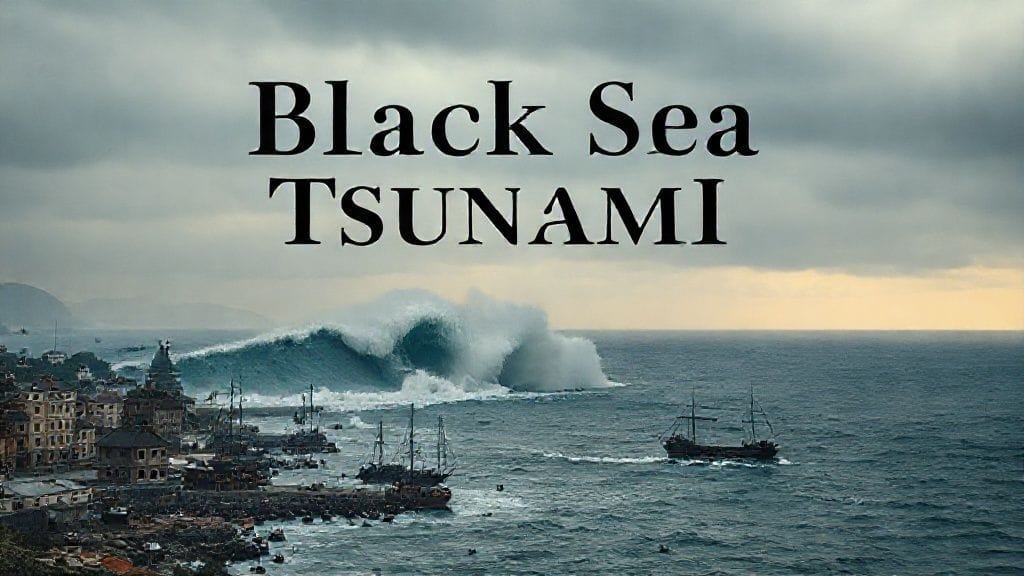
The first waves that struck Yalta and neighboring coastal towns were not the towering walls of water often imagined in Pacific tsunamis—yet they were no less deadly. These floods surged violently over the shorelines, reaching heights estimated between 3 and 5 meters. In some spots, water receded dramatically before the waves returned, a classic but terrifying harbinger of a tsunami.
Buildings along the waterfront, many constructed with the modest means of a resort town, were swept away or severely damaged. Boats were tossed onto the shore or shattered against rocky outcrops. The scene quickly grew chaotic as residents scrambled to higher ground.
Yalta’s Waterfront Transformed: Scenes of Destruction and Despair
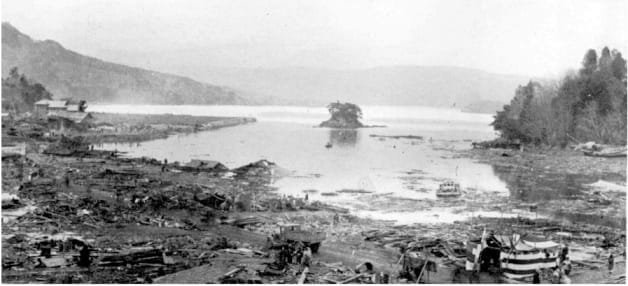
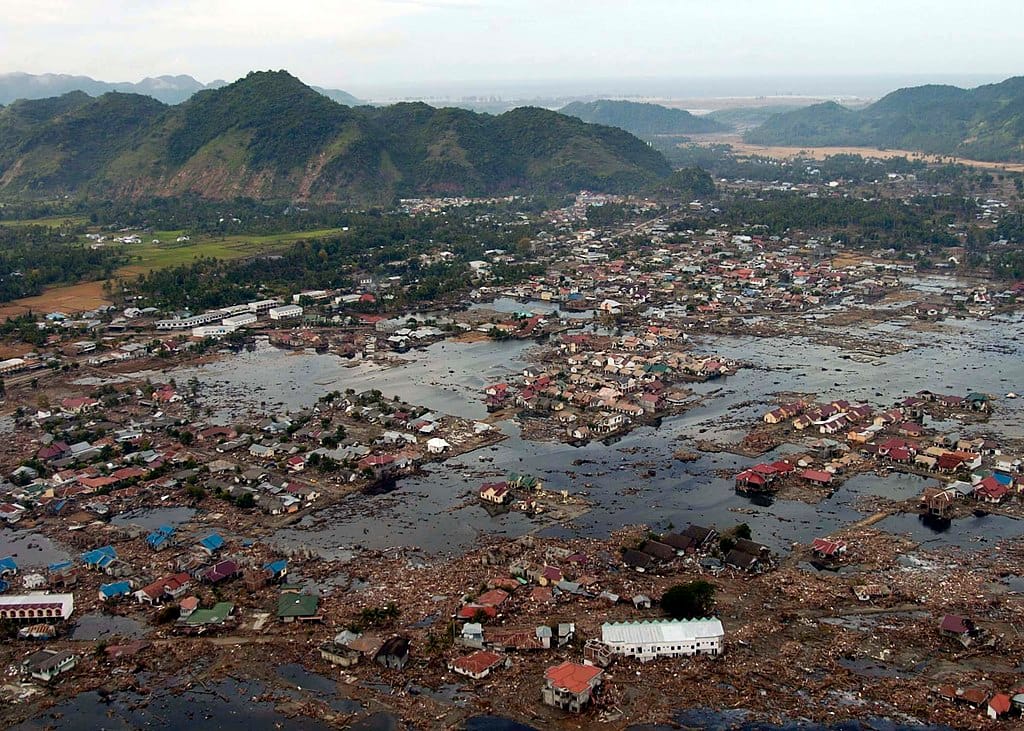
What had moments before been a picturesque scene of leisure was suddenly a tableau of destruction. The seaside promenades were strewn with debris — splintered wood, overturned carts, and uprooted trees. The salt-laden air hung heavy with dust and despair. Local hospitals soon overflowed with the injured.
The emergency response was immediate but overwhelmed by the scale of the disaster. Rescue efforts focused on recovering trapped victims, providing first aid, and maintaining order as panic mingled with grief swelled in the aftermath.
Eyewitness Accounts: Voices from Survivors and Observers
The memories etched in the minds of survivors give the most vivid account of those terrifying moments. Anna Petrovna, a market vendor in Yalta at the time, recalled: “The ground shook beneath my feet, and then the sea vanished like a drought. I went to look, and suddenly, a great wall of water came rushing back, taller than the tallest man I knew. I ran and barely escaped.”
Fishermen spoke of the sea behaving like a living beast, withdrawing and surging with a force that defied all their knowledge. These firsthand narratives have become crucial in piecing together the event’s human dimension, revealing fear, confusion, and resilience.
The Human Toll: Casualties, Displacement, and Trauma
Though exact numbers remain debated, estimates indicate that scores perished instantly, swept away by the waves or crushed beneath collapsing structures. Hundreds more suffered injuries ranging from broken bones to severe hypothermia. Entire families were displaced, losing homes and possessions in minutes.
Psychological trauma left long-lasting effects. Families grappled not only with loss but the haunting memory of the sea’s sudden betrayal, transforming a place of beauty into a place of terror. The disaster’s ripple effects on mental health in the region are documented in rare personal diaries and local newspapers of the time.
Local Authorities and Response: Emergency Measures and Relief Efforts
Despite limited resources, local Soviet authorities coordinated immediate relief efforts. Temporary shelters sprang up, and medical teams worked around the clock. Recognizing the potential for further aftershocks and rising waters, evacuation orders were issued for vulnerable coastal areas.
Reports from aid workers describe scenes of compassion and solidarity amid chaos. Yet, the Soviet government's information policies at the time tempered media coverage, emphasizing swift recovery and socialist solidarity rather than dwelling on the disaster’s raw human cost.
Scientific Community Reacts: Understanding a Rare Black Sea Phenomenon
The tsunami challenged prevailing scientific assumptions. The Black Sea had historically been considered low-risk for such events. Geologists and oceanographers embarked on studies, using the limited instrumental data available to better understand the coupling of seismic activity and tsunami generation in enclosed sea basins.
Pioneering research from this event eventually contributed to early models of tsunami warning systems and underscored the need for seismic monitoring even in areas previously deemed safe. The Black Sea tsunami became a case study illustrating nature’s capacity to surprise.
The Tsunami in Context: Comparing with Other Historical Sea Disasters
The 1927 Black Sea tsunami occupies a unique place among 20th-century natural disasters. While overshadowed internationally by colossal events like the 1923 Great Kanto earthquake or the 1933 Sanriku tsunami, its localized intensity and specificity have drawn renewed interest.
Its rarity invites comparison with other regional disasters—such as the 1940 Vrancea earthquakes in Romania and Bulgaria—that highlight the broader seismic risks in Eastern Europe. It also broadens our understanding of tsunamis beyond the Pacific and Indian Ocean “hotspots” often featured in history.
Economic Impact: Ports, Infrastructure, and Tourism in Ruins
Yalta’s economy, heavily reliant on seasonal tourism and port activities, suffered immediate setbacks. Dock facilities were crippled or destroyed, delaying marine traffic vital for supply chains. Hotels and boarding houses reported extensive damage.
Recovery would take months, placing strain on local and regional budgets. The tsunami underscored the vulnerability of economic infrastructures to natural disasters, particularly in regions rebuilding from war and political upheaval.
Political Reverberations: Soviet Authorities and Information Control
The USSR in 1927 was consolidating power and engagement with mass media was tightly controlled. Reports of the tsunami were managed to serve ideological narratives emphasizing the resilience and unity of Soviet citizens.
Critical or sensationalist accounts were suppressed to prevent panic or perceived weakness. Scholars have since analyzed how disasters were framed politically in early Soviet times, with the Black Sea tsunami serving as a poignant example of information manipulation during crises.
The Black Sea’s Geological Secrets: Why Crimea was Vulnerable
The earthquake and tsunami foregrounded the instability of certain fault lines beneath the Black Sea basin. The interaction between the Eurasian Plate and smaller microplates creates zones of potential seismic activity, some of which intersect with underwater slopes prone to landslides.
Geophysical surveys post-1927 revealed that sediment buildup and underwater geomorphology could exacerbate tsunami generation, factors now incorporated into regional hazard mapping.
Rebuilding Yalta: From Devastation to Revival
Despite the trauma, the people of Yalta embarked on a determined path to recovery. Reconstruction efforts combined Soviet planning with local knowledge and labor, rebuilding infrastructure with resilience in mind. The city’s status as a resort was restored within years, and memories of the tsunami, while carefully curated, became woven into communal history.
Monuments and plaques emerged decades later to honor victims, while annual remembrances helped communities reconcile with the past.
Cultural Memory and Artistic Reflections on the 1927 Black Sea Tsunami
The disaster inspired a number of artistic responses in literature, painting, and oral tradition. Poets lamented the sea’s fury; painters captured scenes of wreckage and human endurance. Folk tales absorbed the event, embedding cautionary tones about respect for nature’s power.
These cultural imprints serve as a bridge across generations, ensuring that the tsunami’s lessons are not lost to time.
Lessons Learned: Tsunami Preparedness in the Black Sea Region
One legacy of the 1927 event was a growing awareness of tsunami risk in the Black Sea. Though still overshadowed by other natural hazards, local governments and scientists began proposals for communication networks, evacuation routes, and public education—efforts that continue evolving today.
Preparedness remains a challenge amid competing priorities, but the tsunami serves as a historical reminder of what is at stake.
Modern Implications: How 1927 Shapes Today’s Risk Mitigation Strategies
Today’s Black Sea coastal communities benefit from enhanced seismic monitoring and early warning systems informed by events like the 1927 tsunami. International collaboration through Eastern European and Mediterranean networks underscores how historical knowledge is key to modern resilience.
Climate change and rising sea levels add new complexity, making historical precedents all the more relevant as coastal populations grow.
The Legacy of the Black Sea Tsunami in Historical Research
Despite its local impact, the 1927 tsunami remains relatively obscure in global historical narratives—a forgotten chapter of natural disaster history. However, specialists in seismology, historical geography, and disaster studies increasingly recognize its significance.
It serves as a critical case to study the interplay of environment, society, and politics in disaster contexts, enriching our understanding of the past and informing future policies.
The Forgotten Disaster: Why the 1927 Event Remains Relatively Unknown
Several factors contribute to the obscurity of the Black Sea tsunami in collective memory: the geopolitical isolation of Soviet Crimea at the time, limited media coverage, linguistic barriers in research dissemination, and its overshadowing by other, deadlier disasters globally.
Yet, uncovering this event’s story reveals the importance of diversified disaster histories beyond dominant narratives.
Conclusion
The Black Sea tsunami of September 11, 1927, stands as a compelling testament to the unpredictable power of nature and the enduring resilience of affected communities. It shattered the tranquil rhythms of Yalta’s shores in minutes, claiming lives and challenging scientific assumptions. Yet from the wreckage emerged a renewed understanding of the Black Sea’s hidden forces and a determination to rebuild and remember.
This event reminds us of the profound interconnectedness between environment, history, and human experience; how even in regions considered safe, danger may lurk beneath the surface. Its echoes endure in the landscapes, stories, and hearts of those linked to Crimea—a somber but essential heritage that continues to inspire vigilance, empathy, and scholarly curiosity.
Frequently Asked Questions
Q1: What caused the Black Sea tsunami of 1927?
A1: The tsunami was triggered by an underwater earthquake approximately magnitude 6.0 beneath the Black Sea basin, which caused seabed displacement and underwater landslides, generating waves that struck the Crimean coast.
Q2: How many people were affected or killed in the tsunami?
A2: Estimates vary, but dozens of deaths were reported along with hundreds injured or displaced. The exact number is uncertain due to limited records and Soviet-era censorship.
Q3: Why is the Black Sea tsunami of 1927 less known internationally?
A3: Political climate, limited contemporary media coverage, and the overshadowing by larger global disasters contributed to its obscurity. Its impact was mostly regional.
Q4: How did Soviet authorities respond to the disaster?
A4: Authorities organized emergency aid, medical treatment, and evacuation, while controlling information flow to emphasize recovery and avoid panic or political criticism.
Q5: What has this event taught scientists about enclosed seas?
A5: It demonstrated that inland seas like the Black Sea can produce tsunamis from underwater seismic activity, highlighting the importance of monitoring and preparedness even in smaller basins.
Q6: Does the Black Sea remain at risk for similar tsunamis today?
A6: Yes, the geological conditions mean that while rare, tsunamis remain a possible hazard, making ongoing monitoring and disaster planning essential for regional safety.
Q7: How is the tsunami remembered culturally in Crimea?
A7: Through survivor testimonies, artistic works, commemorations, and increasing historical research, it is part of local memory, though still somewhat marginalized at a broader level.
Q8: What efforts exist today to mitigate tsunami risks in the Black Sea region?
A8: Modern seismic and ocean monitoring networks, public education campaigns, and international cooperation aim to improve early warning systems and emergency preparedness along Black Sea coasts.