Table of Contents
- A Sudden Surge: The Black Sea Awakens
- Setting the Stage: The Black Sea’s Geological Secrets
- Romania and Bulgaria: Shores on Edge
- October 31, 1901: Dawn of an Unseen Catastrophe
- The Water’s Furious Advance: Eyewitnesses Speak
- Ripples of Destruction: Coastal Towns Devastated
- The Human Toll: Lives Upended and Lost
- Scientific Mysteries: What Triggered the Tsunami?
- The Role of Earthquakes: Seismic Shadows Beneath the Sea
- Meteorological Misreads: Storm or Surge?
- Local Responses: Rescue, Aid, and Resilience
- Media Coverage: The World Learns of the Black Sea Fury
- Comparative Analysis: The 1901 Tsunami Among Global Events
- Long-Term Environmental Impact: Changing Coastlines
- Shifting Political Landscapes: Romania, Bulgaria, and the Black Sea Realm
- Memory and Myth: How the Event Echoes in Regional Culture
- Advances in Science Sparked by the Black Sea Tsunami
- Lessons Learned: Early Tsunami Warning Efforts and Gaps
- Looking Back: Historical Assessments of the 1901 Event
- Contemporary Relevance: Preparing for Future Black Sea Tsunamis
1. A Sudden Surge: The Black Sea Awakens
The tranquil waters of the Black Sea betrayed their peaceful visage on the chilly morning of October 31, 1901. Beneath a blanket of mist, an invisible force gathered strength, concealing itself in the deep blue expanse. Then, without so much as a whisper of warning, towering waves surged toward the coastlines of Romania and Bulgaria—unleashing a silent apocalypse that would ripple through history. The horizon, once serene, became a harbinger of chaos, as a natural disaster unknown to the local residents vigorously redefined their relationship with the sea.
Imagine villagers, fishermen, and merchants bustling in the early light, unaware that the pattern of waves lapping against their shores would soon mutate into a monstrous onslaught. This was no mere storm surge. It was a tsunami, an extraordinary phenomenon rarely associated with the relatively enclosed Black Sea basin, but one that struck with brutal force and left an indelible mark on the communities it touched.
2. Setting the Stage: The Black Sea’s Geological Secrets
The Black Sea, cradled between Eastern Europe and Western Asia, is a body of water steeped in geological intrigue. Far from the familiar plate boundaries of the Pacific “Ring of Fire,” it occupies a complex tectonic niche. Beneath its depths lie dormant faults and submerged canyons, relics of ancient collisions between the Eurasian and Anatolian plates. This underwater landscape fostered the potential for seismic tremors, submarine landslides, and their terrifying consequence—tsunamis.
Yet, despite this latent risk, tsunamis in the Black Sea had been a rarity. Historical records, plumes of folklore, and scientific observations painted a portrait of a sea more prone to storms than cataclysmic waves. This made the events on that autumn morning all the more shocking. The tectonic unpredictability and hydrological peculiarities of the region were about to reveal themselves in a way few had anticipated.
3. Romania and Bulgaria: Shores on Edge
The nations flanking the Black Sea—Romania to the northwest and Bulgaria to the west—had long depended on the sea for sustenance, trade, and cultural exchange. Coastal communities, from the bustling ports to sleepy fishing villages, were intimately bound to the rhythm of waves. Yet their understanding of the sea remained largely traditional, framed around everyday tides and seasonal storms.
Economically, these regions were on the cusp of transformation. The late 19th and early 20th centuries brought modernization, with burgeoning industries, growing railway networks, and expanding port infrastructure enhancing the Black Sea's strategic role. Politically, both Romania and Bulgaria were consolidating their newfound independence and grappling with regional tensions in the volatile Balkans. But in the face of nature’s sudden fury, the political complexities momentarily faded, swept aside by a shared catastrophe.
4. October 31, 1901: Dawn of an Unseen Catastrophe
The morning of October 31 began like any other. Fishermen pushed their boats from the shores near Constanța and Burgas, children gathered near churches preparing for All Saints’ Day, and marketplaces slowly awakened. Around 6:30 a.m., below the surface, a seismic jolt was detected by the few early scientific observers in the region, signaling a submarine earthquake of moderate intensity. Few residents heard or felt it.
Minutes passed. Then, without warning, the sea withdrew sharply from its usual bounds. An eerie retreat sucked water away from the coast, exposing seaweed-strewn seabeds and intimidatingly empty shorelines. Alarm turned to dread seconds later when the sea came roaring back—waves swelling higher and higher with devastating velocity.
This was the arrival of a tsunami wave, an oceanic hulk of water driven not by the wind but by the quake beneath the sea. Its size was unprecedented in modern memory in this part of the world: the wave reached heights estimated between 4 and 6 meters, stretching along hundreds of kilometers of coastline.
5. The Water’s Furious Advance: Eyewitnesses Speak
Survivor accounts from Romanian fishermen near the Danube Delta recorded scenes of chaos. “The sea vanished like a thief in the night, leaving the boats tethered to barren mudflats,” one elderly fisherman recalled decades later. “Then it returned—faster and hungrier than any storm I had known—drowning our nets and washing away the harbor’s wooden docks.”
Along Bulgaria’s southern coast, residents in Burgas and Sozopol described the terrifying force: houses nearest the shore cracked and collapsed under the pressure of the churning water. Children tugged at mothers’ skirts, and desperate cries filled the air as the wave inundated farmlands and settlements that had never before seen such fury.
The blood-curdling roar of rushing water was a sound matched by the pounding of terrified hearts. Yet amid the terror, stories emerged of heroism: neighbors pulling drowning comrades from icy waters, fishermen sacrificing their boats to save stranded families, and villagers banding together to fortify their defenses against the water’s encroachment.
6. Ripples of Destruction: Coastal Towns Devastated
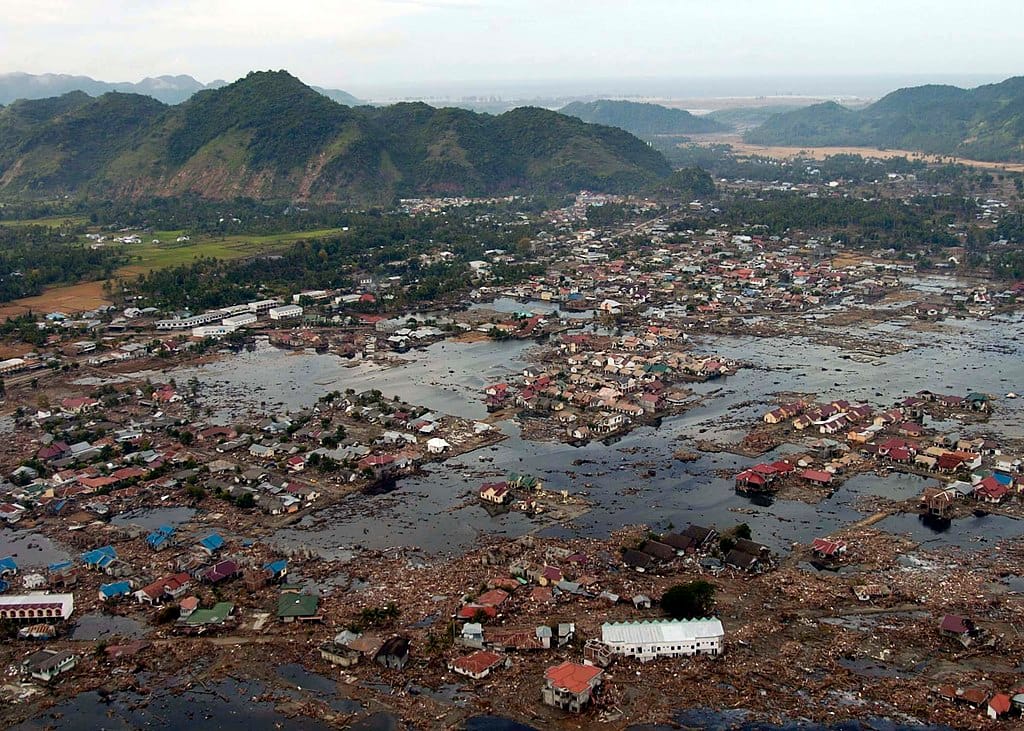
The tsunami’s aftermath was one of stark devastation. Port facilities—vital lifelines for both countries—were shattered. In Romania’s Constanța, the main dock was heavily damaged, crippling maritime commerce for months. Bulgarian ports like Burgas saw warehouses swept away, cargos lost, and the infrastructure that underpinned a vibrant export economy reduced to debris.
Beyond economic hits, the environmental damage was painfully clear. Extensive flooding salinated farmland and devastated freshwater sources. Saltwater intrusion killed crops and altered the coastal ecosystems, affecting fisheries and traditional livelihoods. Roads were washed out, isolating communities just as aid was becoming desperately necessary.
The staggering toll of destroyed homes left many displaced, and the psychological scars ran deep. The coastal landscape itself had been reshaped, an eternal reminder of that terrifying morning.
7. The Human Toll: Lives Upended and Lost
Though early 20th-century record-keeping was less precise than today, it is estimated that several hundred individuals lost their lives in Romania and Bulgaria combined. The death toll included fishermen caught in sudden swells, families swept from coastal homes, and victims of secondary disasters such as hypothermia and disease outbreaks following the flooding.
In townships around the Danube’s mouth, where the delta’s marshes met the sea, entire villages experienced mass displacements. The elderly, children, and the infirm were the worst affected, their vulnerability amplified by the lack of warnings or evacuation protocols.
Alongside fatalities, countless others lost their livelihoods, possessions, and a sense of security. The tsunami was not just a natural event; it was a social calamity that reverberated through generations.
8. Scientific Mysteries: What Triggered the Tsunami?
The scientific community was immediately perplexed by the Black Sea tsunami. Why had such a phenomenon emerged in a sea known more for storms than seismic disasters? Early hypotheses examined two potential causes: a significant underwater earthquake or a colossal submarine landslide.
The 1901 event displayed traits consistent with both. Seismic records from observatories in Istanbul and Odessa detected tremors aligned in time with the tsunami. Meanwhile, examinations of underwater topography suggested that landslides triggered by the quake could have displaced massive water volumes, amplifying the wave.
This debate would fuel decades of geological research, as the Black Sea’s hidden risks gradually surfaced from obscurity.
9. The Role of Earthquakes: Seismic Shadows Beneath the Sea
Tectonic activity beneath the Black Sea remains subtle but with real potential. The North Anatolian Fault—a notorious seismic source in nearby Turkey—extends tensions into the sea, where smaller faults ripple beneath the waves.
The earthquake at 6:30 a.m. on October 31, 1901, was estimated around magnitude 6.0 to 6.5, enough to unsettle the seabed dramatically. These tremors may have induced underwater landslides along the continental shelf, funneling displaced sediments and displaced massive volumes of water.
The interrelationship between seismic activity and submarine geomorphology defines the tsunami’s genesis. However, the relatively shallow seabed and enclosed basin of the Black Sea meant the tsunami’s behavior was somewhat different from those of open oceanic tsunamis.
10. Meteorological Misreads: Storm or Surge?
In the immediate aftermath, confusion reigned. Without a clear understanding of what a tsunami was—or if one could occur in the Black Sea—officials and locals initially mistook the phenomenon for an extreme storm surge.
Regional meteorological services scrambled to assess weather records, yet no significant storms coincided with the event. This misreading delayed warnings and responses, exacerbating the disaster’s toll.
Only through meticulous scientific inquiry in subsequent years did clarity emerge, prompting new awareness of tsunami risks in unusual environments.
11. Local Responses: Rescue, Aid, and Resilience
In a time before organized civil protection systems, rescue and relief depended heavily on community solidarity and informal networks. Local authorities in Romania and Bulgaria orchestrated makeshift aid efforts, pooling resources to rebuild damaged homes, clear debris, and tend to the injured.
Charitable organizations, foreign consulates, and regional governments contributed, while churches opened their doors to survivors. The disaster spurred a sense of shared humanity and resilience, even against a backdrop of political uncertainty in the Balkans.
This crisis forged new social connections and underscored the need for preparedness, which slowly stirred governmental awareness in both nations.
12. Media Coverage: The World Learns of the Black Sea Fury
News of the tsunami traveled slowly in 1901, yet international newspapers soon carried harrowing reports. European dailies framed the Black Sea tsunami as a rare and bewildering event—a reminder that nature’s caprice could surprise even the most settled regions.
These reports sparked scientific curiosity abroad and led to initial proposals for regional warning systems and geological monitoring. Yet, political tensions in the Balkans and competing priorities muted the urgency of these programs.
Still, the Black Sea tsunami entered global awareness and contributed to a nascent wave of natural disaster reportage.
13. Comparative Analysis: The 1901 Tsunami Among Global Events
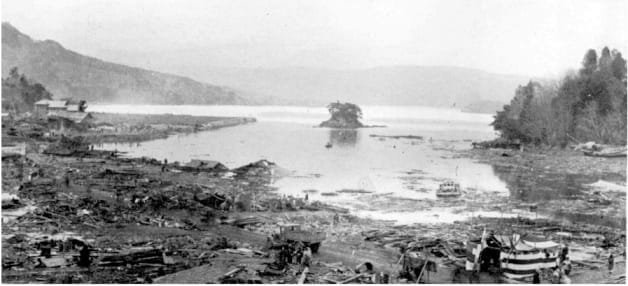
Though small compared to major tsunamis in the Pacific, the Black Sea event was significant regionally. When compared with the 1896 Sanriku tsunami in Japan or the 1908 Messina earthquake and tsunami in Italy, the Black Sea disaster was more modest but no less traumatic for locals.
It revealed that tsunami risks existed even in seas thought safer and challenged existing geological paradigms. This added a new layer of complexity to the global understanding of natural disaster susceptibility.
14. Long-Term Environmental Impact: Changing Coastlines
The tsunami permanently altered Black Sea coastlines. Sedimentation patterns shifted, wetlands were destroyed or created, and aquatic habitats transformed.
Scientists studying sediment cores later identified tsunami deposits, allowing modern researchers to reconstruct the event’s magnitude and reach.
This environmental upheaval serves as a potent reminder that natural disasters can reshape landscapes and ecosystems long after their human effects fade.
15. Shifting Political Landscapes: Romania, Bulgaria, and the Black Sea Realm
The disaster took place against a volatile backdrop. The early 1900s were marked by nationalist awakenings, struggles for territory, and shifting alliances.
In the wake of the tsunami, both Romania and Bulgaria were forced to cooperate on maritime safety, infrastructure rebuilding, and resource management—areas transcending political rivalries.
This cooperation planted seeds for future regional dialogues on disaster management, maritime boundaries, and economic collaboration.
16. Memory and Myth: How the Event Echoes in Regional Culture
Locally, the tsunami became woven into folklore and collective memory. Tales of sunken treasures, vengeful sea spirits, and miraculous survivals arose.
These narratives shaped how generations understood the sea—both as a giver of life and a source of peril. Annual commemorations and oral histories preserve the stories, keeping the event alive beyond textbooks.
17. Advances in Science Sparked by the Black Sea Tsunami
The 1901 tsunami catalyzed scientific advances in geology and oceanography in Eastern Europe. Universities and institutes began more systematic studies of seismic activity, sedimentology, and hydrodynamics.
Over decades, this event influenced the creation of rudimentary tsunami monitoring networks and helped integrate the Black Sea into broader geophysical research.
18. Lessons Learned: Early Tsunami Warning Efforts and Gaps
Early warning systems were rudimentary or absent, a tragic gap underscored by the 1901 tsunami. Lessons drawn from the disaster informed proposals for sensor installations and population education.
Nonetheless, it took decades—and further disasters elsewhere—to catalyze comprehensive early warning mechanisms in the region.
19. Looking Back: Historical Assessments of the 1901 Event
Historians and scientists today view the Black Sea tsunami as a critical case of an underestimated natural hazard. The event’s reexamination through modern methods shows that it was not an anomaly but a warning sign of the sea’s latent power.
Its interdisciplinary study enriches understanding of how natural disasters impact geopolitics, economies, and cultures.
20. Contemporary Relevance: Preparing for Future Black Sea Tsunamis
Today, the 1901 tsunami stands as a poignant reminder of the Black Sea’s potential volatility. Advances in monitoring and international cooperation aim to mitigate future risks.
As coastal populations grow and climate change intensifies weather patterns, lessons from 1901 resonate louder than ever. Preparing for future tsunamis means respecting the silent stories written in the sea’s depths and the trembles beneath its surface.
Conclusion
The Black Sea tsunami of October 31, 1901, is a striking chapter in history—both for its sudden fury and enduring lessons. On that autumn morning, the sea revealed a hidden threat, transforming quiet coastlines into scenes of devastation and despair. Yet, in the aftermath, a remarkable human spirit emerged: communities rebuilding, scientists probing mysteries, and nations learning to share both sorrow and strength.
This disaster was more than a wave; it was a mirror reflecting humanity’s fragile place within nature’s vast design. It challenges us still: to listen closely to the earth’s shifts, to prepare, and to honor those who faced its wrath. The Black Sea’s message continues to ripple through time, a call for vigilance, knowledge, and unity in the face of the unpredictable.
FAQs
Q1: What caused the Black Sea tsunami of 1901?
The tsunami was triggered primarily by a moderate submarine earthquake beneath the Black Sea, which likely induced underwater landslides that displaced large volumes of water, generating the tsunami waves along Romania and Bulgaria’s coasts.
Q2: How severe was the human impact of the tsunami?
Several hundred lives were lost, with thousands displaced due to destroyed homes and livelihoods. The disaster left significant psychological and economic scars on coastal communities.
Q3: Were there any tsunami warning systems in place at the time?
No formal warning systems or evacuation protocols existed in 1901 in the Black Sea region, which contributed to the high human toll.
Q4: How did the event influence scientific understanding of the Black Sea?
The tsunami prompted greater geological and oceanographic research into the Black Sea’s tectonics and hydrodynamics, revealing its potential for seismic activity and prompting early calls for monitoring.
Q5: Did the tsunami have political consequences?
Yes, the disaster encouraged cooperation between Romania and Bulgaria on maritime safety and disaster relief, softening some regional tensions in the process.
Q6: Is the Black Sea still at risk for tsunamis today?
While less prone than open ocean regions, the Black Sea remains vulnerable to tsunamis due to underwater geology and tectonics; modern monitoring aims to reduce future risks.
Q7: How is the tsunami remembered culturally in the affected regions?
Local lore, oral histories, and commemorations keep the event alive, often blending factual memories with mythic elements emphasizing the sea's power.
Q8: Can lessons from the 1901 tsunami be applied to modern disaster preparedness?
Absolutely. The importance of early warning systems, public education, and international cooperation highlighted by this event remains relevant for coastal safety worldwide.