Table of Contents
- The Dawn of British Malta: A City Poised Between Empires
- Valletta at the Turn of the 19th Century: The Jewel of the Mediterranean
- The Strategic Importance of Malta in the Napoleonic Wars
- From Knights to British Redcoats: The Last Days of the Order of St. John
- The French Occupation and the Seeds of Revolt
- Maltese Uprising Against the French: A Cry for Help
- British Naval Intervention: The Arrival of Rear-Admiral Nelson's Forces
- The Siege of Valletta: Blockade, Diplomacy, and Warfare
- September 5th, 1800: The Day Malta Shifted Empires
- The British Administration’s Early Days: Challenges and Consolidation
- Malta as a Crucial Naval Base: The Mediterranean Chessboard
- Maltese Society Under British Rule: Adaptations and Tensions
- The Legal and Political Transformations Brought by the British
- Economic Revival and New Trade Routes
- Cultural Exchange and Identity Evolution in Colonial Malta
- The Legacy of the British Occupation: A Lasting Imperial Bond
- Valletta’s Transformation: Fortifications, Infrastructure, and Urban Growth
- Voices from the Time: Diaries, Letters, and Official Dispatches
- Malta’s Role in Future Global Conflicts: From 19th Century to World Wars
- Conclusion: The Reshaping of Maltese Destiny
- FAQs: Unraveling Malta’s British Beginning
- External Resources
- Internal Link
The Dawn of British Malta: A City Poised Between Empires
On an early autumn morning, as the sun's first rays pierced the azure sky over the Mediterranean, the ancient city of Valletta stood silent but expectant. Its labyrinthine streets, fortified bastions, and golden limestone buildings bore the marks of centuries under the Knights of St. John and then French upheaval. But on September 5th, 1800, a new chapter was opening in Malta’s storied history. British flags fluttered atop Valletta’s ramparts, signaling the beginning of an occupation that would alter not only Malta’s fate but the balance of power in the Mediterranean.
The British occupation was not the result of a grand declaration or widely broadcasted ceremony. Instead, it unfolded quietly amidst the smoke of sieges and the murmur of negotiations—an entwined story of military strategy, local resilience, and imperial ambition. For the Maltese, it was a moment heavy with both hope and uncertainty, a poignant pivot between despair and new governance.
Valletta at the Turn of the 19th Century: The Jewel of the Mediterranean
Valletta, named after Jean Parisot de Valette—the valiant Grand Master who championed the island’s defense against Ottoman sieges—was a city both magnificent and vulnerable. Established as a bastion of Christian defense, it had weathered centuries of conflict. The island’s small population was fiercely proud yet scarred by the financial and social hardships wrought by war and shifting rulers.
By 1800, the city’s massive fortifications—walls, bastions, and cavaliers—encircled a bustling urban center that served as a beacon of maritime trade and military power. Its strategic position, perched between the European mainland and North Africa, made it a coveted prize in the great imperial contests of the era.
The Strategic Importance of Malta in the Napoleonic Wars
The late 18th century was a whirlwind of conflict and revolution in Europe, with the Napoleonic Wars redrawing maps and alliances. Malta’s location was of paramount importance—not merely a naval outpost but a key to controlling Mediterranean naval routes vital to Britain’s colonial interests, particularly its connection to India and the East.
France’s ambitions in the region threatened to disrupt the carefully maintained balance of power. When Napoleon Bonaparte made his Egyptian campaign in 1798, Malta became a stepping stone in his Mediterranean strategy. The island changed hands from the Knights of St. John to French control, heralding a period of dramatic transformation and unrest.
From Knights to British Redcoats: The Last Days of the Order of St. John
The Order of St. John, which had held dominion over Malta for more than two centuries, was a fading relic caught in the tides of revolutionary change. When Napoleon arrived in June 1798, the Knights, weakened and divided, capitulated without a significant fight. The French promised reforms and secular governance, but their rule soon stirred discontent.
Valletta became a front line—not just in military terms, but ideologically—where the old order confronted the modern forces of revolution, secularism, and empire.
The French Occupation and the Seeds of Revolt
French rule was marked by drastic reforms that antagonized the deeply religious and traditional Maltese population. Confiscations of church property, curtailment of religious freedoms, and conscription attempts inflamed resistance. The French soldiers, isolated and increasingly beleaguered, faced growing hostility.
Within this atmosphere of tension, Maltese citizens led a grassroots insurgency. The island became a patchwork of resistance and conflict zones as locals reclaimed territories and besieged French garrisons.
Maltese Uprising Against the French: A Cry for Help
The maltreated population’s pleas for aid resonated across the Mediterranean. As the siege of Valletta intensified, the insurgents tapped into British naval strength. British commanders saw an opportunity not only to undermine French power but to establish a foothold in a critical geopolitical position.
The insurgency, driven by local leaders and clergy, represented more than just a revolt; it was a desperate struggle for religious, cultural, and political survival. It also marked a pivotal moment in Maltese national consciousness.
British Naval Intervention: The Arrival of Rear-Admiral Nelson's Forces
The British fleet, under the command of Rear-Admiral Lord Nelson, entered Maltese waters with strategic precision. Nelson’s involvement, emblematic of British naval prowess and imperial ambition, tipped the scales in the protracted siege.
British forces, collaborating with insurgents, imposed a blockade that strangled French supplies and morale. The harsh Mediterranean summer tested everyone, but the alliance’s resolve never wavered.
The Siege of Valletta: Blockade, Diplomacy, and Warfare
For over a year, the Siege of Valletta became a crucible of military ingenuity and human endurance. The French garrison, though isolated, resisted fiercely; artillery barrages, naval skirmishes, and covert diplomacy characterized the stalemate.
Yet, the British blockade proved effective. Food shortages, disease, and dwindling morale sapped French strength. British officers documented the siege meticulously, their letters revealing a mixture of admiration for both the defenders and the stubborn Maltese insurgents.
September 5th, 1800: The Day Malta Shifted Empires
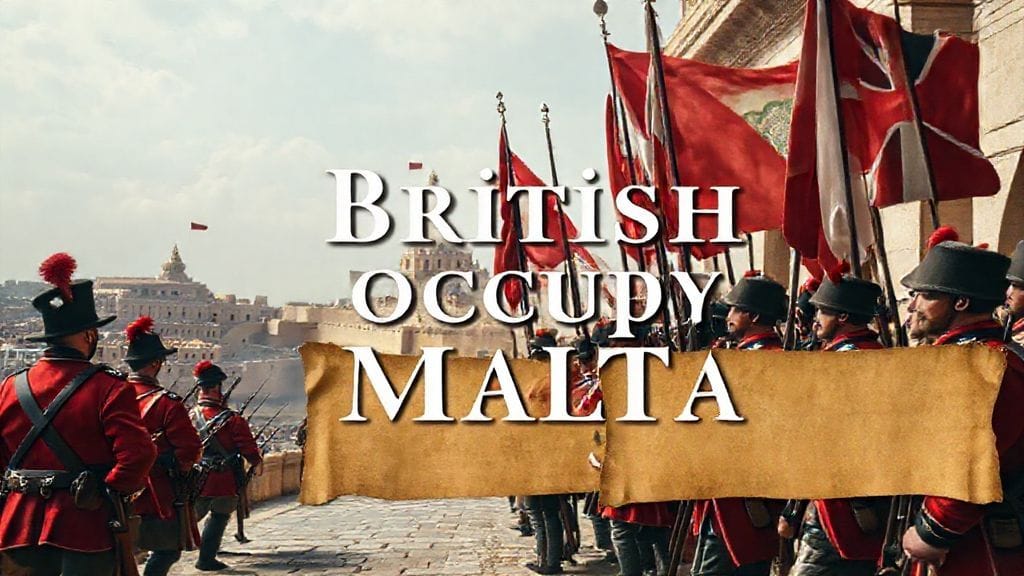
When French General Vaccani surrendered Valletta on September 5th, 1800, it was more than a military capitulation—it was a turning point. British occupation officially began, heralding an era that redefined Malta’s identity and political trajectory.
The handover was marked by cautious optimism. British troops entered Valletta, greeted by a population weary from conflict but hopeful for stability and protection.
The British Administration’s Early Days: Challenges and Consolidation
Taking over a city ravaged by siege posed immense challenges. The British faced governance crises, fragmented infrastructure, and the delicate task of balancing Maltese customs with imperial directives.
Governor Sir Alexander Ball, appointed shortly after occupation, became a beloved figure, known for respecting Maltese traditions and supporting recovery efforts. His policies set the tone for British rule that was pragmatic yet paternalistic.
Malta as a Crucial Naval Base: The Mediterranean Chessboard
Under British command, Malta quickly became the lynchpin of Mediterranean naval strategy. The Royal Navy invested in enhancing dockyards and fortifications, transforming the island into a formidable fortress and logistical hub.
Malta’s dry docks, refitted and expanded, welcomed fleets bound for the East and confrontations with French and Ottoman powers. The island’s fate was inextricably linked to geopolitical flux.
Maltese Society Under British Rule: Adaptations and Tensions
Though the British promised protection and modernization, their rule introduced new social dynamics. British administrators wielded authority, often disregarding local agency, sowing seeds of friction.
However, Maltese elites found opportunities in collaboration, while common folk navigated the complexities of colonial rule, often with resilience and pragmatism.
The Legal and Political Transformations Brought by the British
British legal systems gradually replaced French revolutionary laws. Courts, administration, and civic organization adopted British norms, yet the process was uneven and contested.
One significant change was the recognition of English as an administrative language, laying groundwork for Malta’s future bilingual identity.
Economic Revival and New Trade Routes
The occupation revived Malta’s economy by opening British imperial markets. Ship repair, provisioning, and trade flourished in port cities.
The island became a hub not only for military logistics but also for merchants and entrepreneurs, linking Mediterranean trade with global networks.
Cultural Exchange and Identity Evolution in Colonial Malta
British occupation was not a mere imposition; it was a crucible for cultural hybridity. English influences mingled with deep-rooted Maltese and Mediterranean traditions in language, education, and the arts.
This cultural interweaving shaped a unique Maltese identity, resilient yet evolving under imperial patronage.
The Legacy of the British Occupation: A Lasting Imperial Bond
British rule lasted over 160 years, profoundly shaping Malta’s political institutions, military significance, and international standing.
Despite struggles for independence in the 20th century, the legacy of this era remains visible in Malta’s governance, language, and cultural landscape.
Valletta’s Transformation: Fortifications, Infrastructure, and Urban Growth
Valletta’s urban fabric was transformed. British military engineering enhanced fortifications; roads and public buildings modernized.
This growth attracted diverse populations and positioned Valletta as a vibrant colonial capital with Mediterranean charm and imperial gravitas.
Voices from the Time: Diaries, Letters, and Official Dispatches
Historical records, from Maltese letters expressing hope and hardship to British official correspondence, provide poignant insights into daily life.
These documents humanize an era of conflict and change, revealing how individuals on both sides experienced upheaval.
Malta’s Role in Future Global Conflicts: From 19th Century to World Wars
Strategically vital in the Napoleonic era, Malta continued to serve as a naval fortress in the Crimean War, both World Wars, and beyond.
Its British fortifications and docks underpinned Allied operations, solidifying its global importance.
Conclusion: The Reshaping of Maltese Destiny
The British occupation of Malta on September 5, 1800, was far more than a military takeover; it was the opening of a new epoch. Caught in the tumult of empire and revolution, Malta emerged reshaped—its identity forged at the intersection of Mediterranean tradition and British imperial ambition.
This chapter laid the foundation for Malta's modern journey—a testament to resilience, adaptation, and the enduring complexity of colonial encounters.
FAQs
Q1: What events led to the British occupation of Malta in 1800?
The British occupation followed the French takeover in 1798 and the subsequent Maltese uprising against French reforms. The Maltese insurgents sought British naval support, culminating in a blockade and siege that forced French surrender, enabling British control.
Q2: How important was Malta strategically for Britain?
Extremely important. Malta offered Britain a vital naval base to control Mediterranean maritime routes, protect colonies in Asia and Africa, and counter French and Ottoman influence.
Q3: Who was Sir Alexander Ball and what was his role?
Sir Alexander Ball was the first British Civil Commissioner of Malta. He gained Maltese respect for his fair administration and efforts to balance British interests with local customs, facilitating a smoother transition.
Q4: How did British rule change Maltese society and governance?
British administration introduced English legal systems, language, and governmental structures. It also fostered economic development but generated social tensions due to colonial hierarchy.
Q5: What was the impact of the siege on the Maltese population?
The siege caused hardship through food shortages, disease, and displacement. Yet, it also galvanized Maltese nationalist sentiments against French rulers and later shaped cooperation with the British.
Q6: Did Malta remain under British rule after 1800?
Yes, British rule lasted until 1964, with Malta becoming a Crown colony. The British occupation significantly influenced Malta’s modern political and cultural landscape.
Q7: How did the French occupation differ from British rule in Malta?
French rule was short-lived and marked by secular reforms unpopular with the religious Maltese, leading to rebellion. British rule was longer, emphasizing military strategy and gradual political administration with local involvement.
Q8: Is the British occupation of Malta remembered positively today?
It is complex—while British rule brought stability and modernization, colonial dynamics also imposed challenges. Malta’s contemporary identity reflects this ambivalence but acknowledges the profound historical impact.