Table of Contents
- A Dawn Over the Danube: Bulgaria in the Mid-8th Century
- The Shadow of Byzantium: Bulgaria’s Great Neighbor and Rival
- The Rise of Telerig: A Leader Awakened by Crisis
- Pliska, the Heart of Bulgaria: The City and Its Significance
- The Challenge of Empire: Byzantine Intrigues and Bulgarian Response
- Telerig’s Intelligence Coup: The Masterstroke Against Byzantium
- The Strengthening of Bulgaria's Military and Diplomatic Ties
- Kardam’s Ascension: A New Chapter in Bulgarian Leadership
- Pliska’s Transformation under Kardam: Fortifications and Culture
- The Battle of Marcellae (792): Clash of Titans on the Balkan Stage
- From Defeat to Dominance: The Bulgarian Resilience
- Relations Beyond Byzantium: Bulgaria’s Position in the European World
- Religious and Cultural Developments: Seeds of a National Identity
- The Legacy of Telerig and Kardam: Foundations of a Thriving State
- Echoes Through Time: How This Era Shaped Bulgaria’s Future
- The Human Dimension: Tales of Loyalty, Betrayal, and Power
- Economic Growth: Trade, Tribute, and the Control of the Balkans
- The Balkan Theatre: A Complex Web of Alliances and Enmities
- The Role of Pliska as a Political and Symbolic Capital
- Byzantium’s Waning Influence: Bulgaria’s Rise on the Global Chessboard
- Lessons from the 8th Century: Leadership, Strategy, and Nation-Building
- Conclusion: The Enduring Power of a Nation Forged in Conflict
- FAQs: Understanding Bulgaria’s Flourishing under Telerig and Kardam
- External Resource
- Internal Link
A Dawn Over the Danube: Bulgaria in the Mid-8th Century
The sun rose low and heavy over the undulating plains of Moesia, casting long shadows upon the wooden palisades of Pliska. This was no ordinary day—it was the cusp of transformation for a land caught between rebellion and empire. The air was thick with the promise of change and the echo of distant war drums. It was the mid-8th century, and Bulgaria stood poised on a knife’s edge, caught between the ambition of its leaders and the ever-looming shadow of Byzantium.
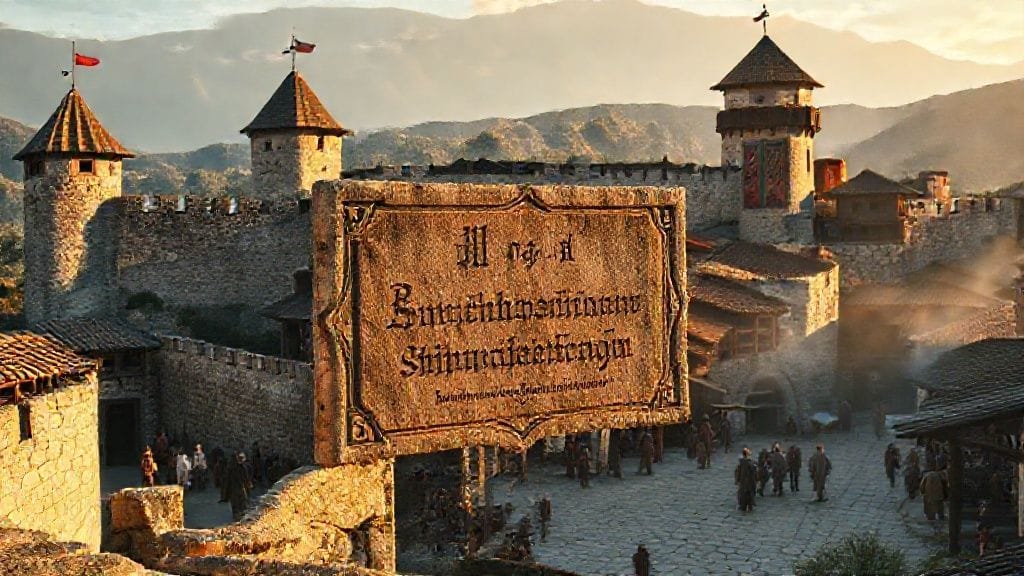
As the morning mist curled above the river, the city of Pliska stirred: the beating heart of the Bulgarian state, wooden towers creaking under the weight of history in the making. Within these walls, the fates of kings and commoners alike were about to intertwine, heralding a pivotal era under the rule of two remarkable khans—Telerig and Kardam. Their reigns would be marked not only by warfare and geopolitics but by a resilient national identity shaped through strategy, alliances, and cultural roots. This was the crucible in which the Bulgarian state would finally assert its strength.
The Shadow of Byzantium: Bulgaria’s Great Neighbor and Rival
To understand the Bulgaria of the late 700s, one must first glimpse the Byzantine Empire—an ancient colossus still bearing the scars and splendor of Rome. Byzantium was powerful, cultured, and determined to keep its northern neighbors in check. But the Bulgarians, a confederation of tribes originally from the steppes, had grown restless under imperial pressure, seeking not only survival but recognition as a kingdom worthy of its own.
For decades, the relationship had oscillated between brutal conflict and fragile peace. Byzantium employed diplomacy, religious conversion, and military might to keep Bulgaria in its sphere. Yet beneath this surface, a simmering determination took root among the Bulgarians to claim their own destiny, an ambition fueled by charismatic leaders like Telerig.
The Rise of Telerig: A Leader Awakened by Crisis
Telerig came to power in a stormy and precarious moment. The death of his predecessor sparked both hope and uncertainty across the land. He inherited a kingdom under mounting pressure from Byzantium’s relentless campaigns and espionage—a subtle war that threatened the very foundation of Bulgarian sovereignty.
But Telerig was no ordinary khan. Known for his cunning and shrewdness, he was a master of both battlefield tactics and court intrigue. According to Byzantine chroniclers, it was Telerig who famously used deception to unmask and neutralize Byzantine spies—a daring gambit that turned the tide in Bulgaria’s favor.
Imagine the tense court sessions in Pliska, where Telerig skillfully balanced warnings of treachery with the trust of his people. His intelligence network became legendary, an invisible web that safeguarded the capital and ensured that Bulgaria could breathe and prepare for the storm ahead.
Pliska, the Heart of Bulgaria: The City and Its Significance
Pliska was more than a city—it was a symbol. Founded earlier in the century as a fortified seat of power, it stood as a testimony to Bulgaria’s evolving statehood. The wooden walls and massive gates spoke of a people who understood both the need for defense and the assertion of political authority.
The city was a bustling hub of commerce, artisanship, and culture. The strategic location on the Balkan plains allowed Pliska not only to control vital trade routes but also to serve as a fulcrum for military operations into Byzantine territories and beyond.
Under Telerig, Pliska’s importance deepened. The city became a place where tradition met innovation—a melting pot of Bulgar, Slavic, and Byzantine influence, yet undeniably Bulgarian in spirit.
The Challenge of Empire: Byzantine Intrigues and Bulgarian Response
Byzantium never relinquished its desire to control Bulgaria, employing every tool from spiritual persuasion to sheer force. The reign of Constantine V brought a resurgence of imperial efforts to subdue the Bulgars, who were seen as a rebellious buffer state.
But Bulgarian responses evolved. No longer content with reacting defensively, Telerig’s Bulgaria launched calculated raids, fortifications were strengthened, and espionage turned into a weapon of first resort. The stakes were high; the outcome uncertain. Yet the Bulgarians’ resilience, fostered by the harsh landscapes and unyielding leadership, frustrated Byzantine plans and sometimes forced the empire to recalibrate its ambitions.
Telerig’s Intelligence Coup: The Masterstroke Against Byzantium
One of the most dramatic episodes in this period is Telerig’s victory not in open battle but in subterfuge. Byzantium’s secret agents had infiltrated Pliska, threatening the very core of Bulgarian power. Rather than reacting with brute force, Telerig played a long game.
He sent a forged letter to the Byzantine emperor—ingeniously crafted to trick the spies into revealing themselves. Following this, a dramatic purge followed, eradicating the imperial network of informers. This intelligence coup safeguarded Bulgaria from internal collapse and shifted the balance of information warfare, a potent weapon in the regional struggle.
The tale, recounted by Theophanes Continuatus and later chroniclers, illustrates the combination of courage, wit, and deadly political acumen that defined Telerig's reign and symbolizes a turning point in the Bulgarian-Byzantine conflict.
The Strengthening of Bulgaria’s Military and Diplomatic Ties
With internal threats weakened, Telerig focused on solidifying Bulgaria’s external position. The military was reorganized, benefiting from reforms that increased discipline and efficiency. Bulgarian armies, composed of fierce horsemen and agile infantry, became a more formidable force capable of striking deep into enemy lands or defending their own with devastating effect.
Diplomatically, Bulgaria also forged ties beyond Byzantium, seeking alliances with Slavic tribes and others wary of imperial domination. These connections would prove critical in creating a network of support that reinforced Bulgarian independence.
The reign of Telerig, therefore, saw not just survival but active preparation for Bulgaria’s rise as a major player on the European stage.
Kardam’s Ascension: A New Chapter in Bulgarian Leadership
After Telerig’s abdication and temporary exile, Kardam rose to the throne in 777, inheriting a Bulgaria poised for further consolidation but still facing persistent threats. Kardam proved to be a leader of equal measure—perhaps even stronger in military command and state-building.
He quickly demonstrated his resolve by tackling both internal dissent and Byzantine aggression. Unlike Telerig, whose reign was marked by intelligence-driven victories, Kardam’s period is remembered for its open military confrontations and unyielding defense of Bulgarian sovereignty.
Historians often see him as the king who transitioned Bulgaria from a loosely controlled confederation into a structured, resilient state capable of standing toe-to-toe with Byzantium.
Pliska’s Transformation under Kardam: Fortifications and Culture
Under Kardam, Pliska’s physical and cultural landscape underwent significant development. The wooden fortifications of earlier decades were strengthened—expanded with stone walls, towers, and gates that would withstand sieges and assaults. This architectural evolution underscored Bulgaria’s growing confidence.
Culturally, Kardam’s rule also witnessed increased influence of Slavic traditions blending with Bulgar heritage, laying early foundations for a unique Bulgarian identity. These changes were reflected in art, ritual, and governance, marking Pliska as a center not only of power but of a vibrant, evolving culture.
The Battle of Marcellae (792): Clash of Titans on the Balkan Stage
The zenith of Kardam’s military leadership came with the Battle of Marcellae in 792—a decisive confrontation that underscored Bulgaria’s rising might. The Byzantine emperor Constantine VI launched an invasion intent on quashing Bulgarian independence once and for all.
The two armies met near the fortress of Marcellae, along one of the empire’s most contested frontiers. The battle was fierce and bloody, with neither side giving quarter. But in the end, Kardam’s strategic brilliance and the resilience of his troops turned the tide, inflicting a humiliating defeat on the Byzantines.
This victory not only secured Bulgaria’s borders but also affirmed its status as a decisive power in the region. Tensions remained, but the balance had unmistakably shifted.
From Defeat to Dominance: The Bulgarian Resilience
Despite wars and peace treaties, Bulgaria under Telerig and Kardam revealed a relentless capacity to rebound and adapt. Each setback was met with recalibration; each victory built upon to reinforce the state’s foundations.
Where many might have seen a fledgling kingdom, the Bulgarians forged a nation, resilient and adaptive—qualities that ensured their long-term survival amid the shifting alliances and dangers of the Balkan peninsula.
Relations Beyond Byzantium: Bulgaria’s Position in the European World
While Byzantium was Bulgaria’s greatest rival, it was not its sole interaction. The Bulgar state reached beyond immediate neighbors, establishing diplomatic and trade relations with emerging Slavic principalities, Frankish lands, and steppe tribes beyond the Danube.
These networks facilitated economic growth and cultural exchange, helping Bulgaria to secure its place within a broader European framework. This cosmopolitan outlook influenced development in areas as varied as metallurgy, agriculture, and literacy.
Religious and Cultural Developments: Seeds of a National Identity
Though Christianity had yet to become the official religion—this would come later under Boris I—the period of Telerig and Kardam saw important cultural ferment. The blending of pagan Bulgar traditions with Slavic customs created a complex identity.
Oral traditions flourished, and early Slavic scripts began to circulate, laying groundwork for the profound cultural achievements of the 9th century. These decades were a gestation period for the Bulgarian ethos, a tapestry woven from many threads yet unmistakably Bulgarian.
The Legacy of Telerig and Kardam: Foundations of a Thriving State
The twin legacies of Telerig’s cunning and Kardam’s strength established a lasting framework for Bulgaria’s golden age. They proved that survival required more than valor—it demanded intelligence, diplomacy, and adaptability.
Later rulers would build on their successes, continuing to negotiate with Byzantium from a position of strength rather than submission. Their reigns symbolize the moment Bulgaria stepped fully onto the stage of European powers.
Echoes Through Time: How This Era Shaped Bulgaria’s Future
The strategies, battles, and alliances forged in these crucial decades echoed throughout Bulgarian history. The consolidation of Pliska as a political hub and the growth of military and administrative structures would inform governance for centuries.
Moreover, the cultural fusion initiated under their rule became a seedbed from which medieval Bulgarian civilization blossomed, influencing language, religion, and arts that remain central to Bulgaria’s identity today.
The Human Dimension: Tales of Loyalty, Betrayal, and Power
Behind the grand narratives lie personal stories of loyalty and treachery, ambition and sacrifice. From Telerig’s secret letters that condemned spies to Kardam’s battlefield commands that rallied fighters, individual courage and cunning brought history alive.
These human elements remind us that history is not made by faceless forces but by people shaped by their times—kings and commoners alike, whose destinies intertwined amidst the upheaval.
Economic Growth: Trade, Tribute, and the Control of the Balkans
The strengthening of Bulgaria was not only military but economic. Control over key trade routes—connecting the Eurasian steppe with Mediterranean markets—brought wealth and influence.
Tribute from subjugated tribes and negotiated treaties provided steady resources enabling continued investment in defenses and culture. This economic vitality was crucial in underpinning the political and military successes of the era.
The Balkan Theatre: A Complex Web of Alliances and Enmities
The Balkans at this time were a complex mosaic of peoples and polities. Bulgaria navigated this patchwork with careful diplomacy and sometimes brute force.
Allies and enemies shifted, with Slavic groups, Avars, and Byzantine factions all playing their parts. Understanding this fluid environment highlights the sophistication required to maintain Bulgarian unity and power amid near-constant threat.
The Role of Pliska as a Political and Symbolic Capital
More than a fortress, Pliska was a stage for Bulgaria’s political drama—a space where rulers announced their visions and contested the legitimacy of rivals.
The city’s evolving infrastructure and symbolic meaning reflected changing concepts of kingship and nationhood. It embodied the transition from tribal confederation to structured kingdom.
Byzantium’s Waning Influence: Bulgaria’s Rise on the Global Chessboard
The defeats suffered at the hands of Kardam and the failed intelligence operations during Telerig’s reign marked moments when Byzantine dominance began to slip.
Bulgaria’s rise forced the empire to contend with a powerful neighbor whose ambitions seemed to match its own. This altered the strategic calculations not only in the Balkans but across the broader geopolitics of medieval Europe.
Lessons from the 8th Century: Leadership, Strategy, and Nation-Building
The story of Bulgaria under Telerig and Kardam offers invaluable lessons—showing how visionary leadership, coupled with strategic innovation, can reshape a nation’s destiny.
It underlines the importance of adaptability, intelligence gathering, and the integration of cultural identities in forging state cohesion and resilience.
Conclusion
The decades spanned by Telerig and Kardam’s reigns stand as a testament to the power of resilience, resourcefulness, and vision. Bulgaria, once a scattered collection of tribes and territories, emerged as a formidable force, its capital Pliska pulsating with the energy of ambition and unity.
Their story resonates beyond military victories or political maneuvers; it is a human epic of a people carving out a space for themselves against the thunderous backdrop of empire. The legacies forged on the windy plains along the Danube shaped Eastern Europe for centuries, reminding us how the tides of history often turn on the courage and cunning of determined individuals.
This was a foundational era—not just of conquest or defense—but the age when Bulgaria began to etch its name indelibly into the chronicles of civilization.
FAQs
Q1: Who were Telerig and Kardam, and why are they significant?
A1: Telerig and Kardam were khans of Bulgaria in the late 8th century who strengthened the Bulgarian state militarily, diplomatically, and politically. Telerig is noted for his intelligence successes against Byzantine espionage, while Kardam is renowned for his military leadership, especially at the Battle of Marcellae.
Q2: What was the significance of Pliska during their reigns?
A2: Pliska served as the political and cultural capital of Bulgaria, evolving from wooden fortifications into a symbol of a more structured and centralized state. It was the seat of power where rulers consolidated their control and nurtured Bulgarian identity.
Q3: How did Bulgaria’s relationship with Byzantium shape this period?
A3: Byzantium was Bulgaria’s chief rival and threat. The constant military and diplomatic confrontations with Byzantium forced Bulgaria to develop sophisticated strategies, including intelligence operations and military reforms, enabling Bulgaria to assert its independence.
Q4: What was the outcome and importance of the Battle of Marcellae?
A4: Fought in 792, this battle was a decisive Bulgarian victory under Kardam, which secured Bulgaria’s borders and demonstrated that the Bulgarian state could successfully resist Byzantine attempts at domination.
Q5: How did cultural developments during this time influence Bulgaria’s future?
A5: The blending of Bulgar and Slavic traditions during Telerig and Kardam’s reigns laid the cultural and linguistic foundation that would later support Christianization and the rise of a distinct Bulgarian national identity.
Q6: What role did economic factors play in the strengthening of Bulgaria?
A6: Bulgaria’s control over key trade routes and the collection of tribute enhanced its economic power, financing military campaigns and internal development, which were essential to maintaining sovereignty.
Q7: Why is the intelligence operation led by Telerig considered a masterstroke?
A7: Telerig’s intelligence operation cleverly exposed Byzantine spies within Bulgaria, allowing their elimination. This preserved internal security and shifted the strategic balance in Bulgaria's favor without a single battle fought.
Q8: How did Kardam’s reign differ from that of Telerig?
A8: While Telerig focused on intelligence and subterfuge to protect the state, Kardam emphasized open military strength, leading Bulgarian forces in crucial battles to defend and expand the kingdom.

