Table of Contents
- The Dawn of Defeat: Cetshwayo’s Capture on the 4th of July, 1879
- The Final Battle for Ulundi: Last Stand of the Zulu Kingdom
- Prelude to Conflict: Anglo-Zulu Relations Before the War
- Cetshwayo KaMpande: The Man Behind the Throne
- British Imperial Ambitions and Natal’s Frontier Tensions
- The Outbreak of the Anglo-Zulu War: Catalyst and Flashpoints
- The Zulu Military Machine: Discipline, Tradition, and Strategy
- The Battle of Isandlwana: Shocking Defeat for the British
- Rorke’s Drift and the Heroism that Followed Defeat
- The British Reorganization and Escalation of the War
- Ulundi: Siege and Assault on the Zulu Capital
- The Fall of Ulundi: End of Zulu Sovereignty
- Capturing Cetshwayo: The Symbolic Heart of the War’s Conclusion
- The Aftermath: Disintegration of the Zulu Kingdom
- Legacy of the Anglo-Zulu War: Empire, Identity, and Memory
- Cetshwayo in Exile: The Man's Fate After Capture
- Colonial Narratives: How the War Was Told and Retold
- The End of an Era: Southern Africa’s Changing Political Map
- Cultural Reverberations: Zulu Pride and Resistance
- Reflections on Imperialism and Indigenous Struggles
- Conclusion: Remembering Cetshwayo’s Capture and the War’s Echoes
- FAQs on The Anglo-Zulu War and Cetshwayo’s Capture
- External Resource: Wikipedia on the Anglo-Zulu War
- Internal Link: Visit History Sphere
The Dawn of Defeat: Cetshwayo’s Capture on the 4th of July, 1879
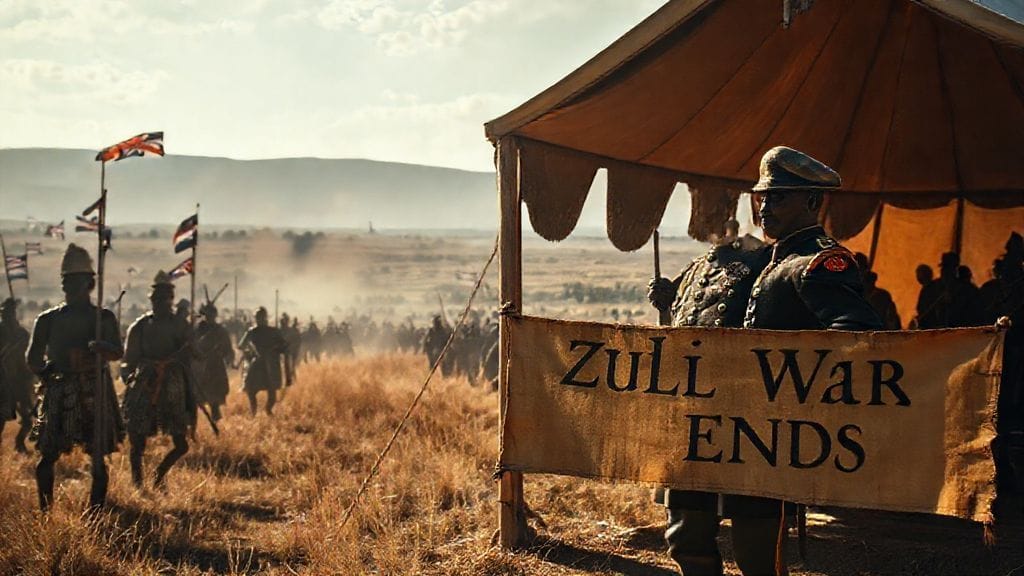
The sun blazed mercilessly over the scorched plains of Ulundi on that early July day, a date that would mark the collapse of an empire and the capture of a king. Cetshwayo kaMpande, the proud monarch of the Zulu nation, the very embodiment of its spirit and glory, was led away in chains, his once-mighty kingdom crumbling behind him. For years, the drums of war had thundered across southern Africa, echoing a brutal clash between indigenous sovereignty and imperial ambition. But on this day, the vibrant pulse of the Zulu heart was silenced—at least in its political independence.
To stand where Cetshwayo was that morning was to witness the epic end of a saga, a volatile collision of two worlds both fierce and determined. Yet beyond the spectacle of defeat lurked stories of valor, cultural resilience, and the relentless complexities of empire. The capture of the Zulu king was not merely a military victory; it was a symbolic conquest that would ripple through history's corridors, touching colonial policy, ethnic identity, and the evolving face of southern Africa.
The Final Battle for Ulundi: Last Stand of the Zulu Kingdom
The fall of Ulundi, the Zulu capital, was the climactic event of the Anglo-Zulu War’s final chapter. The British forces, recovering from earlier setbacks, had regrouped with reinforcements and a newly devised strategy. Their siege weapons rang out against the palisades of the royal kraal, artillery blasts shattering centuries of Zulu tradition with every booming echo.
Ulundi was more than a fortress—it was the spiritual and political nucleus of the Zulu people, a place where ancestral reverence met unyielding martial discipline. Its fall on July 4, 1879, signaled not only a military defeat but the fracturing of the Zulu nation's cohesion. Cetshwayo’s capture shortly thereafter was both a practical and psychological wound, as the British sought to dismantle the symbolic heart of resistance.
Prelude to Conflict: Anglo-Zulu Relations Before the War
Before the drums of war rolled, the relationship between the British Empire and the Zulu Kingdom was fraught with complexity—an interplay of diplomacy, mutual suspicion, and uneven power struggles. The Zulus, under leaders like Shaka and later Cetshwayo, had forged one of the most formidable indigenous military states in Africa, commanding respect and apprehension alike.
British colonial ambitions in Natal and the broader Cape Colony had slowly tightened like a noose, leading to escalating provocations. Natal settlers eyed the rich lands adjoining Zulu territory with hunger and apprehension. Yet, beneath the surface tension lay a fragile peace tenuously held.
Cetshwayo KaMpande: The Man Behind the Throne
Cetshwayo stands as one of the most fascinating figures in African history—a ruler both brutal and pragmatic, nurturer of Zulu traditions and reformer of its armies. Born in 1826, his ascent to power was marked by political intrigue and internecine conflict. Ascending after internal fracturing, his reign from 1873 saw efforts to revive the military might and cultural prestige of the Zulu state.
Unlike his predecessors, Cetshwayo sought equilibrium—balancing repression with diplomacy in an era when the British hunger for dominance was insatiable. His leadership style blended charisma with ruthlessness, embodying the fierce independence of the Zulu nation.
British Imperial Ambitions and Natal’s Frontier Tensions
The 19th century was a century of empires clawing and carving for territories, and southern Africa was no exception. British control of Natal, secured in the early 1840s, was but a beachhead. Behind the scenes, the colonial government and settlers thirsted for expansion. The lands occupied by the Zulu were viewed as ripe for the taking.
The British pursued a policy of disruptive encroachment, pressing Cetshwayo to submit to their authority or be deemed a hostile broadcaster of rebellion. Local settlers, stirred by racial fears and economic envy, clung to a narrative portraying the Zulu as a “savage” threat to progress—a dangerous trope that justified the coming conflict.
The Outbreak of the Anglo-Zulu War: Catalyst and Flashpoints
War broke out in January 1879 after diplomatic negotiations soured and ultimatums were rejected by Cetshwayo. Lieutenant General Frederic Thesiger, Lord Chelmsford, spearheaded the British invasion with a belief that the war would be swift and decisive.
What followed would shatter British expectations. The invasion marked a collision not just of armies, but of worldviews. For the British, it was an exercise in imperial might; for the Zulu, a desperate defense of homeland and honor.
The Zulu Military Machine: Discipline, Tradition, and Strategy
The Zulu army under Cetshwayo was a marvel of organization and discipline. Trained through rigorous regimentation and anchored by generations of tradition, Zulu warriors combined the ferocity of close-quarters combat with tactical ingenuity.
Their ‘horns of the buffalo’ flanking maneuvers famously decimated British detachments. The regimental system—known as amabutho—was rooted in age-sets and loyalty, creating an unparalleled war machine, legendary in its efficiency and courage.
The Battle of Isandlwana: Shocking Defeat for the British
January 22, 1879, would etch itself into history as the day the British Empire encountered perhaps one of its most stunning military reverses in colonial Africa. At Isandlwana, a Zulu force of approximately 20,000 men attacked and obliterated over 1,300 British and colonial troops.
This defeat shocked Victorian England and the world, dismantling complacency about imperial invincibility. The British army’s tactical errors coupled with underestimated Zulu capacity culminated in a massacre that temporarily halted British advances.
Rorke’s Drift and the Heroism that Followed Defeat
Just hours after Isandlwana, a small British garrison successfully defended the mission station at Rorke’s Drift against a larger Zulu force. This remarkable defense, which earned eleven Victoria Crosses, shaped British public perception of the war.
The battle became a symbol of courage and resilience, juxtaposed against the humiliating defeat. It served as a rallying point and was immortalized in British military lore and later in cinema, notably the 1964 film Zulu.
The British Reorganization and Escalation of the War
Despite the setbacks, Britain refused to abandon the campaign. Reinforcements poured in, artillery was modernized, and strategy revamped to avoid earlier mistakes. New commanders, notably Lord Wolseley, brought more professional discipline and logistical excellence.
This escalation spelled doom for Zulu resistance. Superior firepower, combined with a methodical approach, meant the Zulu war machine was increasingly outmatched in siege and open warfare.
Ulundi: Siege and Assault on the Zulu Capital
The campaign culminated in the siege and destruction of Ulundi, the Zulu royal city. British forces, numbering around 5,000 and equipped with artillery, advanced with overwhelming superiority.
Ulundi’s circular bomas were no match for concentrated artillery barrages and infantry assaults. On July 4, 1879, British troops stormed the city—obliterating Zulu military infrastructure and forcing the king’s forces to retreat.
The Fall of Ulundi: End of Zulu Sovereignty
Ulundi’s fall was the death knell of the Zulu state as an independent entity. The city, once a pulsating center of Zulu identity and power, lay in ruins. The traditional structures of governance and military command disintegrated under the British occupation.
The defeat crippled the kingdom's ability to resist further colonial imposition and foreshadowed decades of fragmentation and interference.
Capturing Cetshwayo: The Symbolic Heart of the War’s Conclusion
Cetshwayo’s capture in late July was more than a military victory; it was a symbolic conquest intended to quell further resistance. The king was found hiding among his people, subjected to humiliation, and deported—first to Cape Town, then to London.
His capture echoed through the Empire as the definitive end of the war. For the Zulu nation, it was a loss that resonated as both political and spiritual exile.
The Aftermath: Disintegration of the Zulu Kingdom
Following Cetshwayo’s capture, British administration deliberately fractured the Zulu political system to prevent resurgence. The kingdom was divided into smaller chieftaincies, embroiling the people in internecine conflicts encouraged by colonial powers.
This period marked the erosion of Zulu unity and sovereignty, tragic consequences that echoed the destructive legacy of imperial conquest across Africa.
Legacy of the Anglo-Zulu War: Empire, Identity, and Memory
The war left a multifaceted legacy. In Britain, it became a narrative of imperial heroism tempered by early setbacks; in South Africa, it symbolized resilience and loss. The Zulu people maintained their cultural identity despite political subjugation.
The conflict also sowed seeds of future resistance against colonial rule, influencing nationalistic movements and shaping the regional balance of power.
Cetshwayo in Exile: The Man's Fate After Capture
Cetshwayo lived the remainder of his life in exile, a shadow of his former self. He was welcomed briefly in London and Cape Town with curiosity, but suffered greatly from displacement and the loss of his throne.
He returned briefly to Zululand in 1883 but died in 1884, never reclaiming full power. His life story is a testament to the trauma of colonial displacement and enduring dignity amid defeat.
Colonial Narratives: How the War Was Told and Retold
Victorian and colonial histories framed the war as a clash of civilization versus savagery, often distorting or erasing Zulu perspectives. The heroism of British soldiers was extolled, while the complex motivations and suffering of the Zulu were diminished.
Only in modern historiography has a more balanced, nuanced narrative emerged, foregrounding indigenous voices and reassessing imperial legacies.
The End of an Era: Southern Africa’s Changing Political Map
The Anglo-Zulu War was a pivot point in the colonial history of southern Africa. It marked the beginning of greater British consolidation and control, which would culminate in the Union of South Africa and the later apartheid regime.
The war’s outcome reshaped local power dynamics, setting precedents for the subjugation of indigenous peoples that would reverberate for generations.
Cultural Reverberations: Zulu Pride and Resistance
Despite military defeat, Zulu cultural pride survived and even thrived. Oral traditions, rituals, and art became vehicles to maintain identity and honor ancestors.
The memory of Cetshwayo and the war itself are commemorated in songs, ceremonies, and public consciousness as symbols of resilience against overwhelming odds.
Reflections on Imperialism and Indigenous Struggles
The Anglo-Zulu War starkly illustrates the collision between expanding European empires and indigenous societies determined to defend their autonomy. It raises enduring questions about power, violence, and cultural survival.
Cetshwayo’s capture is not just a historical episode, but a lens through which to view the human cost of empire, the spirit of resistance, and the complexity of colonial encounters.
Conclusion
Cetshwayo’s capture on that relentless July day in 1879 stands as a poignant milestone—marking the end of an era for the Zulu kingdom, the brutal assertion of British imperial ambitions, and the intertwined fates of two worlds. Yet this event transcends mere military history. It is a story carved from the resilience, courage, and agony of a people facing the tumult of change and conquest.
In remembering Cetshwayo and the Anglo-Zulu War, we confront the profound human stories behind empire’s grand narratives—the leaders who clung to tradition, soldiers who fought with valor, and societies reshaped by conflict. It is a testament to how history breathes through faces, places, and memories, urging us to see beyond the surface of empire to the enduring legacies of identity and resistance.
FAQs
1. What triggered the Anglo-Zulu War?
The war was triggered by British imperial expansionist policies in southern Africa and a refusal to accept Cetshwayo's refusal to disband his army and submit to British authority, leading to an ultimatum that he could not accept without losing his sovereignty.
2. Who was Cetshwayo and why was he important?
Cetshwayo was the king of the Zulu nation, known for restoring its military strength and uniting the people. He was a symbol of independence and leadership during a critical period of conflict.
3. What was significant about the Battle of Isandlwana?
It was a catastrophic defeat for the British and one of their most severe military losses during colonial wars, demonstrating the effectiveness of the Zulu military system and shattering assumptions about European invincibility.
4. How did Cetshwayo’s capture affect the Zulu kingdom?
His capture led to the disintegration of centralized Zulu authority, with the British breaking the kingdom into smaller units, which fostered internal strife and diminished political cohesion.
5. What legacy did the Anglo-Zulu War leave in South Africa?
The war cemented British dominance in the region and shaped the political landscape, affecting future resistance movements and colonial policies, while also preserving Zulu cultural identity.
6. How is the Anglo-Zulu War remembered today?
It is remembered both as a tale of resistance and colonial conquest, with growing scholarship emphasizing indigenous perspectives and the war's broader impact on African and imperial history.
7. Were there notable figures besides Cetshwayo involved in the war?
Yes, leaders like Lord Chelmsford on the British side and prominent Zulu commanders such as Ntshingwayo kaMahole played crucial roles in the conflict’s events.
8. What role did the battle of Rorke’s Drift play?
Rorke’s Drift became symbolic of British resilience and heroism, earning high-profile military honors and forming a contrasting narrative to Isandlwana's defeat.