Table of Contents
- The Calm Before the Storm: Chaitén’s Quiet Existence
- Geological Whispers: Understanding the Volcano Beneath Chaitén
- Early Signs and Omens: The Pre-Eruption Tremors
- May 2, 2008: The Dawn of Catastrophe
- The Sky Turns Black: Ash Clouds and Eyewitness Accounts
- Evacuation Chaos: The Human Struggle to Flee
- A Town Buried in Ash: The Immediate Aftermath
- Government and Scientific Response: Mobilizing in Crisis
- The River of Lava and Pyroclastic Surges: Nature’s Fury Unleashed
- The Role of Media: Bringing Chaitén’s Story to the World
- Impact on Local Communities: Loss, Displacement, and Hope
- Environmental Consequences: Forests, Wildlife, and Ecosystem Change
- The Economic Toll: Agriculture, Tourism, and Infrastructure Devastated
- Scientific Discoveries: What Chaitén Taught Volcanologists
- Rebuilding a Life from Ash: Recovery Efforts and Resilience
- The Long Shadow of Chaitén: Memory and Cultural Reflections
- Lessons for the Future: Volcanic Preparedness in Chile and Beyond
- The Global Perspective: Chaitén’s Place in Volcanic History
- The Volcano’s Hidden Pulse: Sporadic Activity After the Main Eruption
- Chaitén Today: A Town Transformed by Fire and Courage
The Calm Before the Storm: Chaitén’s Quiet Existence
Nestled beneath the shadow of a modest, forest-clad volcano, the town of Chaitén in Chile’s Los Lagos Region was, until early 2008, the quintessential portrait of rural South American life. Cobblestone streets, colorful wooden homes, and a close-knit community defined the town. Life breathed at a tranquil, measured pace—fishermen preparing their nets, children playing in the summers’ soft sun, and elders sharing stories passed down through generations. The volcano that loomed, despite its ominous presence, was long considered dormant, its last documented eruption dating back over 9,000 years. The residents had learned to live with the sleeping giant, accepting it as part of their landscape, a silent witness to their daily toils and triumphs.
But that fragile serenity was about to shatter.
Geological Whispers: Understanding the Volcano Beneath Chaitén
Chaitén volcano, a complex rhyolitic volcanic cone notorious for unpredictable eruptions, crowns the intersection of the Liquiñe-Ofqui Fault Zone—a tectonic seam riddling Chile with seismic unrest. Beneath its surface lurked a magma chamber more volatile than its pale, weathered exterior suggested. Chile, straddling the restless edge where the Nazca Plate dives beneath the South American Plate, is one of the most volcanically active countries on Earth, and yet, the Chaitén volcano had remained silent for millennia.
This long dormancy masked the impending calamity. Unlike the explosive basaltic volcanoes of Hawaii, Chaitén’s rhyolitic magma was sticky and gas-rich, trapped beneath layers of rock and soil, poised to unleash a violent, ash-spewing tantrum. It was nature’s pressure cooker, swelling quietly beneath the town, awaiting release.
Early Signs and Omens: The Pre-Eruption Tremors
As 2008 began, seismologists noted subtle yet persistent swarms of tremors beneath Chaitén. The local population heard faint rumblings, akin to distant thunder. Trees quivered, wildlife grew restless, and the volcano’s breathing deepened, though no one yet fully grasped the significance. Government monitoring stations began tracking increased seismic activity, and air travel authorities monitored meteorological conditions. Still, for most locals, life marched on, with only a few paying heed to the growing signs of unrest.
In April, sulfurous gases started wafting faintly from the volcano’s summit, hinting at the magma’s approach toward the surface. These subtle warnings foreshadowed the unveiling of one of the most dramatic volcanic episodes in recent Chilean history.
May 2, 2008: The Dawn of Catastrophe
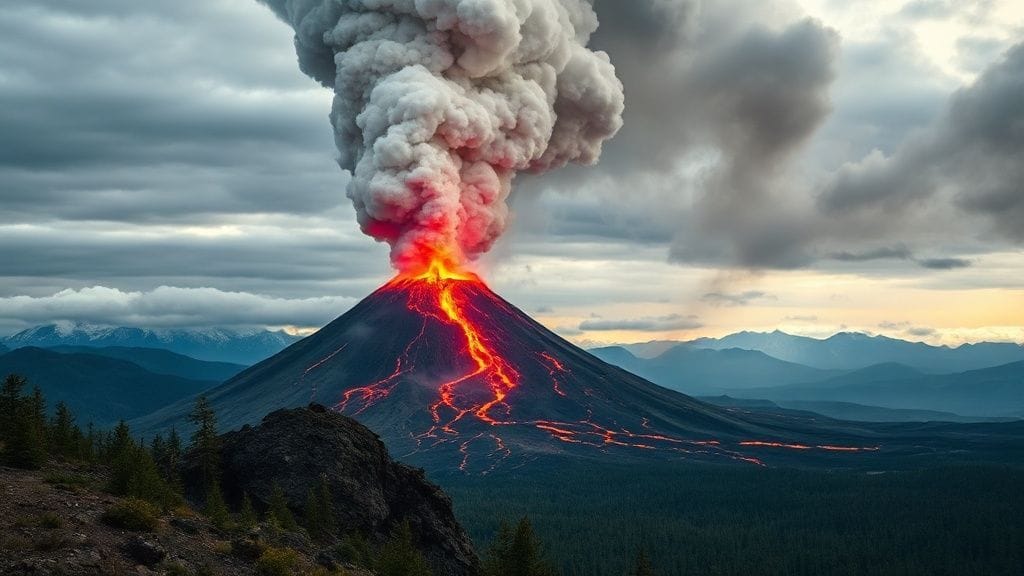
The morning of May 2 unveiled the volcano’s terrifying awakening. At approximately 4:45 AM, residents were shaken awake by a paroxysm of explosions as Chaitén erupted violently. No previous human had witnessed such an event here in modern times. The ground quaked beneath their feet; a towering plume of ash, steam, and volcanic gases shot tens of kilometers into the sky, blotting out the sun.
Ash rained down like black snow, coating streets, homes, and forests alike. Rumbling shocks continued, punctuated by dogged bursts of lava that carved fiery paths down the mountain’s flanks. The eruption’s sheer force threw stones and pumice over the town, creating an apocalyptic scene torn from nightmares.
The Sky Turns Black: Ash Clouds and Eyewitness Accounts
Eyewitnesses describe the sky as darkened by a suffocating curtain of fine volcanic ash particles. People struggled to breathe, their eyes stinging as thick clouds swallowed the air. Farmers abandoned their fields mid-planting; children who had just started their school year were rushed home by anxious parents.
One resident, María Elena, recounted later: “It was like the world was ending — the sun vanished, black as night. The air tasted bitter and sharp. I held my children close, covered our heads, and prayed. We could hear buildings creaking and the ground trembling beneath us.”
Such firsthand memories paint emotional portraits, capturing the overwhelming sense of vulnerability and the elemental fury unleashed upon Chaitén.
Evacuation Chaos: The Human Struggle to Flee
The Chilean government immediately ordered an evacuation. But amid the dense ashfall, chaotic traffic jams formed on narrow roads as families hastily packed belongings and fled. Some found themselves stranded by mudslides triggered by heavy rain mixing with ash and volcanic debris.
Local authorities scrambled to organize safe passage to temporary shelters, yet the logistical challenges were immense. Evacuees faced freezing temperatures, water shortages, and a pervasive uncertainty about when or if they would return to their homes.
For many, the displacement was traumatic. Elderly residents left behind memories and possessions; families were separated in the scramble; despair gnawed at hopes for a swift recovery.
A Town Buried in Ash: The Immediate Aftermath
Within days, Chaitén was almost completely buried. Thick layers of ash — often more than a meter deep — blanketed the town, collapsing roofs under the weight. Water supplies were contaminated, and electric lines were severed.
The eruption not only destroyed physical structures but rendered the soil both infertile and dangerously unstable. Roads became impassable, communication networks faltered, and the threat of further lahars and mudflows kept rescue teams on high alert.
Chaitén’s fate seemed sealed; the eruption had rolled back centuries, leaving a suffocating tomb of volcanic material.
Government and Scientific Response: Mobilizing in Crisis
Chilean authorities mobilized swiftly, enlisting the military to aid evacuations, distribute aid, and enforce safety zones around the volcano. The National Geology and Mining Service (SERNAGEOMIN) intensified seismic monitoring, while universities and international volcanological teams arrived to study Chaitén’s unprecedented activity.
A network of observation points was established, and helicopters patrolled to provide aerial reconnaissance. Experts debated the potential for long-term eruptive phases versus imminent cessation.
Communication with the displaced population was prioritized, alongside medical assistance to treat respiratory problems caused by fine ash inhalation.
The River of Lava and Pyroclastic Surges: Nature’s Fury Unleashed
The eruption was not a single explosion but a sustained, dynamic event persisting for months. Pyroclastic flows—deadly avalanches of hot gases, ash, and rock—roared down the volcano’s slopes, devastating nearby forests and reshaping the landscape. Streams were dammed, creating new lakes; lahars—dangerous mudflows—rushed through valleys, threatening downstream settlements.
Lava domes formed and collapsed repeatedly, painting a scene of volatile natural artistry and chaos. The volcano’s capricious temperament made forecasts difficult, prolonging community instability.
The Role of Media: Bringing Chaitén’s Story to the World
Television crews, journalists, and photographers flocked to southern Chile, broadcasting images of Chaitén’s destruction worldwide. The eruption spotlighted the challenges of living in volcanic zones and the bravery of communities facing nature’s unpredictable wrath.
Coverage ranged from dramatic visuals to in-depth scientific explanations, raising global awareness of volcanic hazards and disaster preparedness.
Social media, still in its infancy, began to play a role in sharing personal stories, mobilizing support, and connecting displaced residents with relatives.
Impact on Local Communities: Loss, Displacement, and Hope
For the people of Chaitén, the eruption was more than a natural disaster; it was a deep social rupture. Families lost homes, livelihoods, and a piece of their identity. Livestock perished, crops were wiped out, businesses shuttered.
Yet amid devastation, remarkable resilience surfaced. Community centers in neighboring towns opened their doors to the displaced. Volunteers organized relief efforts, and cultural groups documented memories, ensuring the survival of local traditions and histories.
This communal response kindled hope amid despair.
Environmental Consequences: Forests, Wildlife, and Ecosystem Change
The environmental toll was staggering. Hundreds of square kilometers of Chile’s temperate rainforest were suffocated by ash, their vibrant greens replaced by a monochrome landscape. Many animal species were displaced or perished, while migratory patterns shifted.
However, volcanic ash also fertilizes soils; in decades to come, the region would witness regeneration and ecological succession—proof of nature’s capacity to renew after destruction.
The Economic Toll: Agriculture, Tourism, and Infrastructure Devastated
Chaitén’s economy, based largely on agriculture, forestry, and tourism, suffered severe blows. Ash contamination made agriculture impossible for extended periods. Fishing boats remained grounded, harbors clogged by debris.
Tourism—once a growing sector linked to hiking and volcano watching—collapsed overnight. Infrastructure costs to rebuild roads, water treatment, and housing overwhelmed local budgets.
The disaster highlighted the vulnerability of small economies in hazard-prone zones and prompted calls for adaptive planning.
Scientific Discoveries: What Chaitén Taught Volcanologists
Chaitén’s eruption surprised experts with its timing, style, and intensity. The volcano’s reactivation after millennia provided unique insights into rhyolitic eruptions, dome collapses, and eruption forecasting.
Scientists gained a better understanding of the Liquiñe-Ofqui Fault’s role in magma migration. The event reinforced the importance of continuous monitoring and multi-disciplinary research in active volcanic regions.
Rebuilding a Life from Ash: Recovery Efforts and Resilience
Years after the eruption, the effort to rebuild Chaitén gained momentum. With government support and international aid, homes were reconstructed outside the most dangerous zones. New infrastructure incorporated disaster resilience.
The population remained smaller than pre-eruption numbers but displayed determination to restore community life. Schools reopened, commerce restarted, and cultural festivals returned, symbolizing rebirth.
The Long Shadow of Chaitén: Memory and Cultural Reflections
Chaitén’s disaster became embedded in Chile’s collective consciousness. Literature, art, and documentaries memorialized the event. Survivors’ stories are taught in schools, serving as somber reminders of human fragility and the power of the natural world.
Annual commemorations honor those displaced, lost, and the heroic efforts of emergency workers, reinforcing bonds forged in adversity.
Lessons for the Future: Volcanic Preparedness in Chile and Beyond
Chaitén catalyzed reforms in Chile’s disaster response frameworks. Emphasis on early warning systems, community drills, and multi-agency coordination grew stronger.
International volcanic networks incorporated Chaitén’s data, advancing global preparedness. The eruption underscored that even long-dormant volcanoes demand respect and vigilance.
The Global Perspective: Chaitén’s Place in Volcanic History
Though smaller than eruptions like Mount St. Helens or Eyjafjallajökull, Chaitén holds a distinct place in recent geologic events. It symbolizes the unpredictability of volcanoes, the intersection of human vulnerability and geological forces.
Its eruption echoes a universal story—a reminder that civilization exists on the fragile surface of a dynamic planet.
The Volcano’s Hidden Pulse: Sporadic Activity After the Main Eruption
Though the main eruptive phase waned by 2009, Chaitén remained restless. Minor eruptions, gas emissions, and seismic tremors continued sporadically for years. These episodes required ongoing vigilance, signaling that the volcano’s story was far from over.
Chaitén Today: A Town Transformed by Fire and Courage
Today, Chaitén rises slowly from its ashes. The rebuilt town mingles the scars of disaster with vibrant signs of life. New schools, businesses, and homes sparkle alongside volcanic observatories that monitor the sleepy giant.
Its people, forever marked by the ordeal, embody resilience—a testament to courage in the face of nature’s most daunting challenges.
Conclusion
The eruption of Chaitén in May 2008 is a story of elemental power and human endurance, of a town swallowed by fire only to rise again. It plucks at our deepest emotions, confronting us with the fragility of life in the shadow of geological forces beyond control. But it also reveals the indomitable spirit of communities anchored by history, hope, and humanity.
Chaitén teaches us that nature’s fury, while terrifying, also spurs solidarity, innovation, and renewal. As we face an uncertain and changing planet, the lessons etched in Chaitén’s ash remind us that vigilance, preparation, and compassion are our greatest shields against destruction. The volcano’s silent presence is a call not only to remember what was lost but to celebrate what can be rebuilt—even from the ashes.
FAQs
Q1: What triggered the 2008 eruption of Chaitén volcano?
A1: The eruption was triggered by magma movement in the volcano’s chamber beneath the town, breaking through after long dormancy. Increased seismic activity and gas emissions preceded the explosion, signifying magma ascent.
Q2: How did the Chaitén eruption affect the local population?
A2: Over 4,500 residents were evacuated, many losing homes and livelihoods. The town was buried under meters of ash, forcing long-term displacement and economic hardship, but eventual recovery efforts enabled partial rebuilding.
Q3: What made the Chaitén eruption particularly dangerous?
A3: Its rhyolitic magma produced explosive eruptions with ash clouds and pyroclastic flows, compounded by lahars and volcanic gases, creating multiple hazards that severely impacted life and environment.
Q4: How did the Chilean government respond to the crisis?
A4: Authorities organized large-scale evacuations, deployed military aid, monitored volcanic activity intensively, and coordinated relief and reconstruction efforts with national and international partners.
Q5: What scientific insights resulted from studying Chaitén?
A5: The eruption provided rare data on rhyolitic dome-building cycles, eruption patterns after millennia of dormancy, and the influence of regional faults on magma movement, advancing volcanology knowledge.
Q6: Has Chaitén volcano remained active since 2008?
A6: Sporadic eruptions and gas emissions continued for several years after the main event, but activity has since subsided, with the volcano currently under close watch.
Q7: How is Chaitén remembered in Chilean culture?
A7: Through documentaries, literature, memorials, and education, the event is commemorated annually, honoring the resilience of its people and the lessons learned about living with natural hazards.
Q8: What measures have been implemented to prevent future disaster?
A8: Enhanced volcanic monitoring, improved emergency preparedness plans, community education, and infrastructure built with hazard mitigation are now integral to Chile's disaster management strategy.

