Table of Contents
- Awakening the East: The Dawn of September 21, 1999
- The Geography of Disaster: Taiwan’s Seismic Identity
- The Calm Before the Tremor: Societal and Political Landscape of Late 1990s Taiwan
- Mechanics of the Cataclysm: Understanding the Chi-Chi Earthquake's Geological Origins
- The Moment the Earth Shook: A Night of Terror in Central Taiwan
- Panic and Chaos: Witnesses and Survivors Speak
- Ruin Across the Landscape: The Physical Toll on Towns and Infrastructure
- Government Response: Mobilization Amidst Crisis
- International Aid and Collaboration: The World Steps In
- Human Stories in Rubble: Acts of Heroism and Heartbreak
- Scientific Advances Spawned by the Disaster: Earthquake Research and Preparedness
- Media Coverage and Public Perception: The Eyewitness Global Broadcast
- Rebuilding Lives and Cities: The Long Road to Recovery
- Political Ripples: How the Earthquake Changed Taiwan’s Government Policy
- Cultural Impact: Memorials, Literature, and the Collective Memory
- Lessons Learned: Taiwan’s Preparedness Paradigm Post-1999
- Chi-Chi’s Legacy in Modern Seismology and Disaster Management
- The Earthquake in Numbers: Statistics that Tell a Story
- Myths, Misconceptions, and Facts: Debunking Falsehoods about the Chi-Chi Earthquake
- Comparing the Chi-Chi Earthquake with Global Seismic Events
- Conclusion: Remembering Chi-Chi—A Testament to Resilience and Hope
- FAQs: Understanding the 1999 Chi-Chi Earthquake
- External Resource
- Internal Link
Awakening the East: The Dawn of September 21, 1999
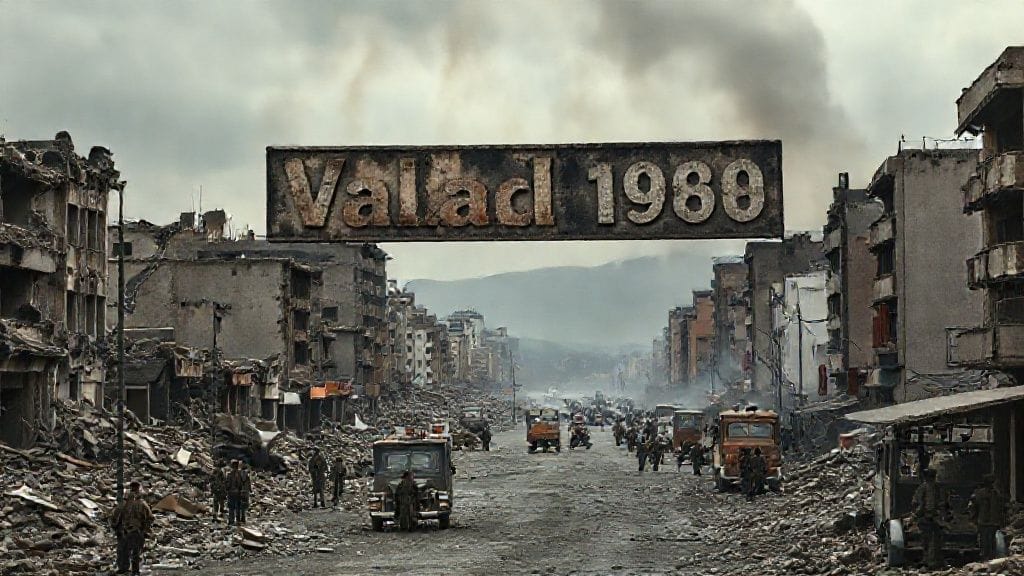
At 1:47 am on a seemingly quiet Tuesday morning, the earth beneath Taiwan's central plains betrayed its age-old composure. The ground, which only moments before held a silent congregation of sleeping villages and cities, began to convulse in a primal, terrifying dance. The bruising roar of fractured rock shattered the night’s stillness, heralding what would become one of the deadliest and most transformative natural disasters in Taiwan’s history—the Chi-Chi earthquake. In those solitary seconds that stretched like an eternity, lives changed forever, as the earth revealed the latent tension that had accumulated beneath its surface for millennia.
Residents of densely populated areas were catapulted from dreams into chaos; homes crumbled, schools collapsed, and the land itself fractured as if engaged in a final, violent cry. This earthquake was not merely a geological event—it was a human tragedy woven into the fabric of the Taiwanese collective consciousness. But beyond heartbreak, it sparked a national reckoning on disaster preparedness, governance, and resilience that still ripples through Taiwan today.
The Geography of Disaster: Taiwan’s Seismic Identity
Taiwan, positioned precariously at the converging boundaries of the Philippine Sea Plate and the Eurasian Plate, sits on a tectonic faultline made for turmoil. Its rugged mountains and fertile plains are a direct result of these ceaseless collisions. Inherent in its geography is a cyclical battle of destruction and creation, where earthquakes are not interruptions, but integral chapters of its evolving narrative.
Before 1999, while Taiwan had faced numerous tremors, few matched the sheer scale and devastation of Chi-Chi. The island’s topographical vulnerabilities—narrow valleys hemmed between steep mountains and dense urban clustering—exacerbated the quake’s destruction. Yet, Taiwan’s modern ascendancy in economic growth, industrialization, and urban development ironically heightened the human cost of natural catastrophe.
The Calm Before the Tremor: Societal and Political Landscape of Late 1990s Taiwan
In the late 1990s, Taiwan was a nation perched on the edge of rapid transformation. Politically vibrant with its fledgling democracy, the island was also wrestling with its identity and international standing amid complex cross-strait relations with mainland China. Economically, Taiwan had risen as a technological powerhouse—a “Silicon Island” producing semiconductors and consumer electronics for the global market.
Socially, urbanization had accelerated; millions had moved to cities and towns, demanding infrastructure, housing, and public services. Yet disaster preparedness lagged behind, tangled in bureaucratic inertia and insufficient resources. Public awareness of seismic risk was present but often overshadowed by the optimism of progress and modernization.
In this delicate balance of advancement and vulnerability, the Chi-Chi earthquake hit as an unexpected and brutal awakening.
Mechanics of the Cataclysm: Understanding the Chi-Chi Earthquake's Geological Origins
The earthquake originated along the Chelungpu Fault, a thrust fault measuring approximately 90 kilometers in length beneath Taiwan’s mountainous heartland. The tectonic plates—bonded in a relentless compression—finally succumbed to pent-up stress, unleashing a magnitude 7.6 earthquake according to the Richter scale.
This seismic rupture propagated across a fault line, causing the earth’s surface to lift and sink in uneven pulses. The Chelungpu Fault’s previously ‘locked’ state gave no visible warning, a merciless reminder of nature’s inscrutability.
Seismologists later described the event as a textbook “thrust earthquake,” a violent motion where one land mass thrusts over another, producing widespread landslides and catastrophic structural collapses. Remarkably, certain regions experienced ground shaking for over 30 seconds—an eternity of destruction in geological time.
The Moment the Earth Shook: A Night of Terror in Central Taiwan
In Nantou County, home to the fault line's epicenter near the town of Jiji (also known as Chi-Chi), the earth upheaval was immediate and pronounced. The once-solid earth rolled like waves amid a roaring chorus of destruction. At that early hour, most victims were caught off guard: families asleep, children in schools, workers on night shifts.
Thousands of homes collapsed instantaneously under the unrelenting force, many constructed from vulnerable concrete blocks unable to withstand the prolonged shaking. Public buildings such as schools, hospitals, and government offices crumbled, becoming tombs for innocents and first responders alike.
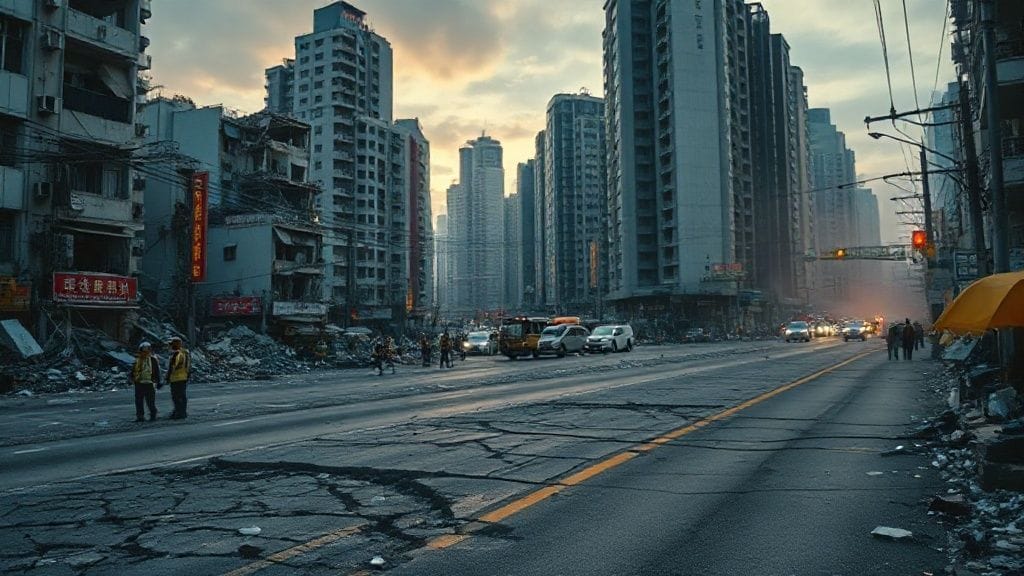
That dreadful night, roads cracked and twisted, cutting off entire regions from aid and communications. Electrical grids failed, plunging communities into darkness. Fires erupted as gas lines ruptured, and aftershocks seemingly mocked survivors with their relentless pounding.
Panic and Chaos: Witnesses and Survivors Speak
Amid the chaos, human voices rose in cries of terror and determination. Eyewitnesses tell harrowing tales—parents frantically digging through rubble for children, neighbors pulling strangers to safety, and the deafening wails of alarm bells blending with the sirens of emergency vehicles navigating impossible terrain.
“We were thrown from our beds. The walls seemed to breathe and break apart all at once,” recalled a survivor from the town of Taichung. “I saw pieces of our home fall like rain, but somehow we made it out. The hours afterward were endless, filled with horror and hope.”
Yet there were also miraculous stories. A young boy trapped under debris survived six hours before rescue workers reached him. Communities improvised shelters, sharing food and warmth amid shattered homes and frigid nights.
Ruin Across the Landscape: The Physical Toll on Towns and Infrastructure
The earthquake’s physical damage was staggering in scale. Over 100,000 homes were reported damaged or destroyed, with over 15,000 structures so compromised they were rendered uninhabitable. The famed Sun Moon Lake, a tourist treasure, saw landslides and damage to its iconic infrastructure.
Transportation arteries cracked; bridges such as the Sutong Bridge buckled or collapsed, disrupting commerce and relief efforts. The Central Taiwan Science Park, a symbol of Taiwan’s technological ambitions, suffered temporary paralysis.
Even historical relics—centuries-old temples and cultural landmarks—fell victim to the unyielding forces, severing ties with a cherished past.
Government Response: Mobilization Amidst Crisis
Taiwan’s government, led by President Lee Teng-hui at the time, mobilized military and civilian agencies with urgency. The Central Emergency Operation Center was activated to coordinate rescue, relief, and assessment.
Despite logistical nightmares posed by the damaged infrastructure and nighttime hour, thousands of soldiers, firefighters, medical personnel, and volunteers were dispatched. The government declared a state of emergency, prioritizing search and rescue operations and the delivery of basic necessities.
However, the scale of devastation made the response a gargantuan challenge. Emergency shelters were quickly overwhelmed. Communication lines were strained, forcing dependence on satellite technology and ad-hoc radio networks.
International Aid and Collaboration: The World Steps In
Taiwan’s diplomatic isolation—due to the “One China” policy and limited formal recognition—did not prevent a wave of international solidarity. Countries including Japan, the United States, and many in Southeast Asia sent expert teams, equipment, and humanitarian aid.
Specialized rescue teams brought sniffer dogs and heavy machinery to assist in locating survivors beneath the rubble. International NGOs also participated actively, distributing food, medical supplies, and shelter materials.
This collaborative effort not only saved lives but marked an important moment in Taiwan’s global humanitarian identity, showcasing a bridge between isolation and interconnectedness.
Human Stories in Rubble: Acts of Heroism and Heartbreak
Beyond statistics and policy, the Chi-Chi earthquake is etched by human narratives—those of courage, loss, and solidarity. Emergency medics who ventured repeatedly into unstable ruins, risking their own lives; strangers hosting countless displaced families; children who, despite trauma, organized impromptu rescue efforts.
One particularly poignant story tells of a nurse who tirelessly administered care inside a collapsed hospital wing, improvising surgical procedures while listening for the faint cries of trapped patients.
Conversely, tales of heartbreak are equally profound. Entire families vanished beneath the rubble. Widows and orphans faced an uncertain future in a fractured homeland.
Scientific Advances Spawned by the Disaster: Earthquake Research and Preparedness
The Chi-Chi earthquake galvanized Taiwan’s scientific community. Researchers intensified studies into seismic hazard mapping, structural engineering, and early warning systems.
Innovations arose—such as enhanced seismic sensors installed along fault lines and adoption of stricter building codes incorporating earthquake resiliency. Universities and government laboratories collaborated on predictive modeling, aiming to forewarn populations with precious seconds of advance notice.
Importantly, social science research delved into public awareness programs, emphasizing preparedness as a cultural priority, not merely a technical one.
Media Coverage and Public Perception: The Eyewitness Global Broadcast
As footage of collapsed buildings, fires, and grief streamed worldwide, the Chi-Chi earthquake became a media event transcending Taiwan’s shores. Journalists embedded with rescue teams, survivors shared video testimonials, and global audiences witnessed raw human suffering juxtaposed with inspiring resolve.
Television and radio broadcasts in Taiwan brought continuous updates amid emotional pleas for aid. The coverage stirred a national consciousness, breaking through prior complacency about seismic risk.
This profound media attention also sparked debate about government transparency and crisis communication effectiveness, shaping future protocols.
Rebuilding Lives and Cities: The Long Road to Recovery
Recovery extended well beyond clearing rubble. Entire towns required redesign, blending modern seismic-resistant architecture with community needs. Displaced families faced housing shortages; economic losses rippled through agriculture, manufacturing, and tourism.
Government rebuilding programs aimed to restore normalcy while embedding resilience in every brick and beam. Psychological rehabilitation initiatives addressed trauma, highlighting mental health as integral to recovery.
Many parts of central Taiwan bear, even decades later, the visible marks of this process—testaments both to human perseverance and vulnerability.
Political Ripples: How the Earthquake Changed Taiwan’s Government Policy
The devastating aftermath pressured Taiwan’s government into reevaluating disaster management policies. The quake illuminated gaps in emergency preparedness, inter-agency coordination, and urban planning.
Consequently, a new framework for disaster response was legislated, emphasizing rapid mobilization, resource allocation, and public education. Political leaders also recognized that natural disasters could influence societal cohesion, electoral sentiment, and international relations.
The experience deepened Taiwan’s commitment to self-reliance even as it fostered global partnerships in disaster risk reduction.
Cultural Impact: Memorials, Literature, and the Collective Memory
Collective trauma found expression in cultural works—films, novels, poetry—often grappling with loss but also with regeneration and hope. Memorials, such as the Earthquake Memorial Park in Nantou, offer respectful reminders of lives lost and lessons learned.
Annual commemorations ensure that the earthquake is not forgotten, intertwining personal mourning with communal resilience. Schools incorporate the event into curricula, fostering a living memory among younger generations.
Lessons Learned: Taiwan’s Preparedness Paradigm Post-1999
Chi-Chi became a blueprint for proactive disaster mitigation. Public drills, stricter building inspections, and community-based response units became standard.
Taiwan's success in managing subsequent quakes owes much to this paradigm shift. The earthquake taught that survival depends not solely on strength of structures but on social fabric and preparedness culture.
Chi-Chi’s Legacy in Modern Seismology and Disaster Management
Globally, the 1999 earthquake is frequently cited as a case study on fault mechanics, rupture propagation, and emergency response. Its data enriched global seismic databases, refining early warning technologies.
Taiwan is now considered a model of seismic resilience in Asia, blending cutting-edge science with robust civil society participation.
The Earthquake in Numbers: Statistics that Tell a Story
- Magnitude: 7.6 on the Richter scale
- Casualties: Approximately 2,415 people killed
- Injured: Over 11,000 injured
- Homes destroyed or damaged: Over 100,000
- Economic damage: Estimated US$9.2 billion
- Duration of shaking: Up to 30-40 seconds in some areas
These figures only hint at the profound human and societal toll endured.
Myths, Misconceptions, and Facts: Debunking Falsehoods about the Chi-Chi Earthquake
Some myths arose, such as rumors of supernatural curses or predictions that the earthquake signaled judgment. Scientific consensus firmly rejects such notions, emphasizing natural tectonic processes.
Another misconception was that Taiwan was unprepared; while challenges were undeniable, many courageous efforts and preparation steps played crucial roles in survival rates.
Comparing the Chi-Chi Earthquake with Global Seismic Events
When placed alongside others—the 1995 Kobe earthquake, the 2004 Indian Ocean quake—the Chi-Chi event shares similarities in urban damage and emergency shortcomings. Yet its unique geological features and social context make it a singular tragedy and lesson.
Conclusion: Remembering Chi-Chi—A Testament to Resilience and Hope
The Chi-Chi earthquake remains an indelible scar and a beacon of transformation. From the stillness of night on September 21, 1999, to the present, Taiwan’s people have shown remarkable endurance—mending broken homes, rebuilding shattered communities, and forging a future where nature’s fury meets human courage. The earthquake is not just a disaster recorded in textbooks, but a living story of collective memory, scientific pursuit, and unyielding hope.
FAQs: Understanding the 1999 Chi-Chi Earthquake
Q1: What caused the Chi-Chi earthquake in Taiwan?
A1: The earthquake was caused by sudden slip along the Chelungpu Fault, a thrust fault resulting from the tectonic collision between the Eurasian and Philippine Sea plates beneath Taiwan.
Q2: How severe was the earthquake in terms of magnitude and damage?
A2: It measured 7.6 on the Richter scale, causing over 2,400 deaths, tens of thousands of injuries, and destroying or damaging over 100,000 homes, with economic losses estimated at over 9 billion USD.
Q3: What was the immediate government response following the quake?
A3: Taiwan declared a state of emergency, mobilized military and civilian rescue teams, activated emergency operations centers, and coordinated domestic and international aid efforts despite infrastructure challenges.
Q4: How did international communities respond to the disaster?
A4: Several countries and international organizations sent rescue teams, equipment, and humanitarian aid, assisting Taiwan despite its limited formal diplomatic recognition.
Q5: What long-term changes did the Chi-Chi earthquake inspire in Taiwan?
A5: It prompted stricter building codes, enhanced disaster preparedness and response systems, scientific research investment in seismology, and public education campaigns on earthquake safety.
Q6: How is the Chi-Chi earthquake remembered culturally in Taiwan?
A6: Through memorials, annual commemorations, literature, films, and integration into educational programs, the earthquake remains a poignant symbol of loss and resilience.
Q7: Are there still risks of similar earthquakes in Taiwan?
A7: Yes. Taiwan remains seismically active due to ongoing tectonic plate collisions, necessitating continuous vigilance and preparedness.
Q8: How did the earthquake affect Taiwan’s political landscape?
A8: It exposed governmental weaknesses in emergency management, leading to policy reforms, improved coordination, and greater attention to disaster risk reduction at political levels.