Table of Contents
- Introduction
- Birth and Family Background
- The Roman Empire in the 3rd Century
- Youth and Education
- Rise Through the Military Ranks
- The Tetrarchy and Political Turmoil
- Claim to the Throne
- The Battle of the Milvian Bridge
- Conversion to Christianity
- Edict of Milan and Religious Tolerance
- Founding of Constantinople
- Administrative and Economic Reforms
- Military Campaigns and Defense of the Empire
- Relationship with the Church
- Later Years and Health Decline
- Death and Burial
- Legacy in Roman and Christian History
- Representation in Modern Culture
- Historical Debates and Controversies
- Lessons from Constantine’s Reign
- Conclusion
- External Resource
- Internal Link
1. Introduction
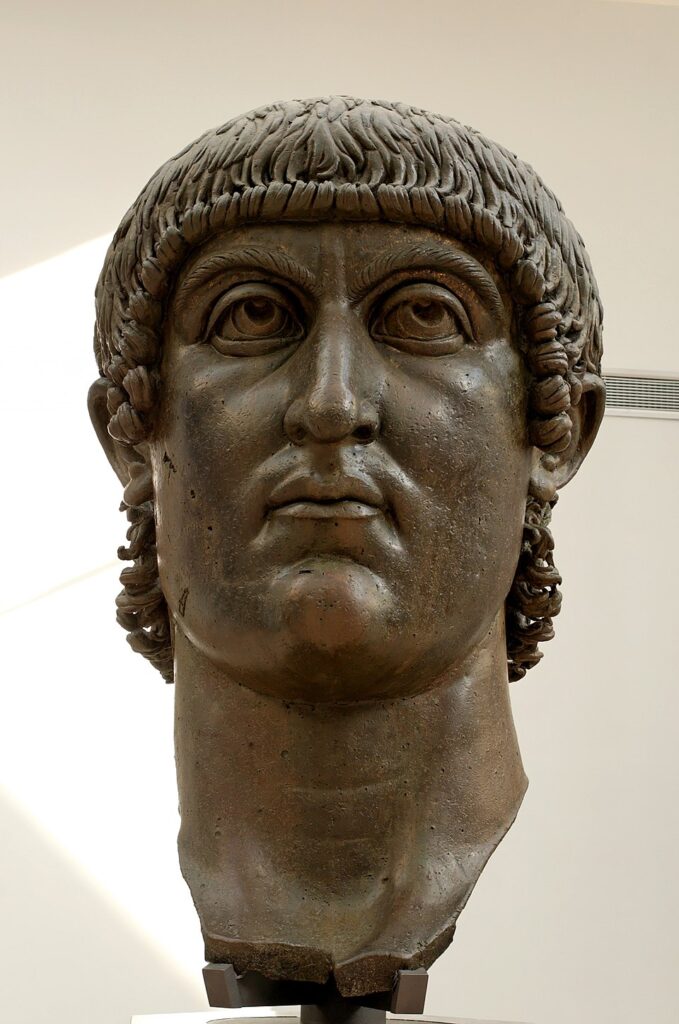
Constantine the Great, born on February 27, 272, in Naissus (modern-day Niš, Serbia), stands as one of the most transformative rulers in world history. His reign bridged the gap between the pagan traditions of Rome and the Christian faith that would dominate Europe for centuries. It’s remarkable, isn’t it, that a single man’s vision could change the religious and political course of an empire?
2. Birth and Family Background
Flavius Valerius Constantinus was the son of Constantius Chlorus, a high-ranking Roman military officer who later became Caesar of the Western Roman Empire, and Helena, a woman of humble origins who would later be venerated as Saint Helena. His mixed background provided him with both noble connections and a grounded upbringing.
3. The Roman Empire in the 3rd Century
The empire into which Constantine was born was plagued by political instability, economic troubles, and external threats. The “Crisis of the Third Century” had nearly torn Rome apart, leading to the creation of the Tetrarchy—a system dividing power among four rulers to maintain stability.
4. Youth and Education
Raised primarily in Nicomedia, Constantine received a classical Roman education in literature, philosophy, and military training. He witnessed firsthand the political maneuvering of emperors and generals, an experience that honed his strategic mind.
5. Rise Through the Military Ranks
Constantine served in the Roman army under Emperor Diocletian and later Galerius, proving himself in campaigns along the Danube and in the Eastern provinces. His reputation for bravery and tactical skill grew rapidly.
6. The Tetrarchy and Political Turmoil
When Constantius Chlorus died in 306, Constantine’s troops proclaimed him Augustus in York, Britain. This defiance of the official Tetrarchic succession sparked a series of civil wars as multiple claimants vied for control.
7. Claim to the Throne
Over the next several years, Constantine consolidated his power through alliances, marriages, and military victories. His most famous confrontation came against Maxentius, ruler of Rome, in 312.
8. The Battle of the Milvian Bridge
Before this decisive battle, Constantine reportedly experienced a vision of a cross in the sky with the words “In hoc signo vinces” (“In this sign, you will conquer”). Interpreting it as a divine message, he ordered his soldiers to paint Christian symbols on their shields. The victory that followed cemented his control over the Western Roman Empire.
9. Conversion to Christianity
Whether his conversion was immediate or gradual remains debated, but Constantine increasingly favored Christianity, granting it imperial support and protection. His reign marked a turning point for the faith, moving it from persecution to prominence.
10. Edict of Milan and Religious Tolerance
In 313, Constantine and Licinius issued the Edict of Milan, granting religious freedom across the empire. This act ended centuries of official persecution of Christians and set a precedent for religious coexistence.
11. Founding of Constantinople
Constantine’s most enduring architectural and political achievement was the establishment of a new imperial capital on the site of Byzantium. Renamed Constantinople in 330, it became the cultural and political heart of the Eastern Roman Empire for over a millennium.
12. Administrative and Economic Reforms
Constantine reorganized the empire’s provinces, strengthened the gold solidus currency, and restructured the military to better defend against external threats. These reforms stabilized the empire and increased its longevity.
13. Military Campaigns and Defense of the Empire
He fought successfully against the Goths, Sarmatians, and Persians, securing Rome’s borders and reinforcing its military prestige.
14. Relationship with the Church
Constantine played a significant role in church affairs, most notably by convening the First Council of Nicaea in 325. This council sought to resolve theological disputes, producing the Nicene Creed, which remains foundational to Christian doctrine.
15. Later Years and Health Decline
In his final years, Constantine spent more time in Constantinople, focusing on governance and religious matters. His health declined, leading to his baptism shortly before his death.
16. Death and Burial
Constantine died on May 22, 337, near Nicomedia. He was buried in the Church of the Holy Apostles in Constantinople, a structure he had commissioned as his final resting place.
17. Legacy in Roman and Christian History
His reign marked the transition from a pagan empire to a Christian one. Both the Roman Catholic and Eastern Orthodox Churches honor him as a saint, while historians view him as one of the most influential emperors in history.
18. Representation in Modern Culture
Constantine’s life has been depicted in countless books, films, and works of art. His story continues to inspire debates about faith, politics, and leadership.
19. Historical Debates and Controversies
Some scholars question the sincerity of his conversion, suggesting it may have been motivated by political expediency. Others argue that regardless of motive, his policies reshaped the empire irreversibly.
20. Lessons from Constantine’s Reign
From Constantine’s life, we learn:
- The power of vision in leadership.
- The importance of adapting to societal change.
- The lasting impact of merging political authority with religious influence.
21. Conclusion
Constantine the Great’s life was a turning point in world history. By embracing Christianity, reforming imperial governance, and founding a new capital, he ensured his name would be remembered for centuries.
22. External Resource
🌐 Wikipedia – Constantine the Great