Table of Contents
- The Quiet Before the Storm: Morning in Limón on April 22, 1991
- The Tectonic Forces Beneath the Caribbean Sea
- Historical Seismic Activity in Costa Rica’s Caribbean Coast
- The Earthquake That Awakened the Sea
- The Birth of a Tsunami: Waves Racing Toward Limón
- The First Signs: Panic and Confusion
- The Impact on Limón: Destruction and Chaos
- Human Stories Amid the Ruins: Survival and Loss
- Emergency Response: Local and National Mobilization
- International Aid and Humanitarian Efforts
- Environmental Consequences: The Coastline Transformed
- The Socioeconomic Aftermath: Recovery Struggles
- Lessons Learned in Disaster Preparedness
- Changes in Costa Rica's Tsunami Warning Systems
- The Psychological Scars and Community Resilience
- The Legacy of the 1991 Tsunami on Limón’s Identity
- Reflections by Survivors and Experts
- Remembering Through Memorials and Education
- The Role of Media in Informing and Mobilizing Aid
- The Broader Caribbean Tsunami Threat
- How 1991 Changed Regional Geological Understanding
- The Continuous Vigil: Monitoring Today’s Caribbean Coast
- Conclusion: From Catastrophe to Collective Strength
- FAQs: Understanding the Costa Rica (Limón) Tsunami
- External Resource
- Internal Link
On April 22, 1991, the Caribbean coast of Costa Rica—particularly the bustling city of Limón—woke to a day cloaked in an ordinary tropical calm. But nature had far deadlier plans simmering beneath the ocean’s subdued surface. The ensuing disaster, a tsunami born from tectonic turbulence, shattered the tranquility with ferocious power, leaving an indelible mark on the region's geography, people, and memory. This is the story of the Limón tsunami, a cataclysm that spoke volumes about the earth’s hidden forces and the fragile human existence perched at their mercy.
The Quiet Before the Storm: Morning in Limón on April 22, 1991
Limón, a vibrant port city adorned with banana plantations and colorful Caribbean culture, began its day as usual. Fishermen set out early, markets buzzed with life, children played by the waterfront, and families prepared for the weekend. The sun rose warmly, painting the sky with the golden hues of tropical dawn.
To the untrained eye, there was no sign that this day would soon turn into a nightmare. The ocean lap against the shore was gentle, almost hypnotic. Yet beneath these waves, deep in the earth’s crust, the Caribbean Plate and Cocos Plate were engaging in a deadly dance — one that would soon unleash chaos.
The Tectonic Forces Beneath the Caribbean Sea
Costa Rica sits at the converging edges of several tectonic plates, making it a hotspot for seismic activity. The Cocos Plate subducts beneath the Caribbean Plate along the Middle America Trench, a boundary capable of unleashing powerful earthquakes and tsunamis. This dynamic interaction ensures that the region is in a constant state of geological tension, a colossal tug-of-war beneath the waves.
By the early 1990s, scientists already knew the potential for tsunamis in this region, though the population remained largely unaware of the acute risks posed by underwater earthquakes off the Caribbean coast.
Historical Seismic Activity in Costa Rica’s Caribbean Coast
Throughout history, Costa Rica has experienced seismic events linked to the subduction zones along both its Pacific and Caribbean coasts. While Pacific earthquakes were more commonly felt and studied, the Caribbean side was relatively less understood, largely due to differences in local infrastructure and population density.
Prior to 1991, no major documented tsunami had struck the eastern coast in recent centuries. Yet geological records hinted at past underwater shifts and localized tsunami waves. This lack of recent precedent contributed to a false sense of security among local residents.
The Earthquake That Awakened the Sea
At approximately 7:05 a.m. local time on April 22, 1991, a powerful earthquake registering an estimated magnitude of 7.7 shook the seabed along the subduction zone off the coast near Limón. The earthquake’s epicenter was located beneath the sea floor, triggering a massive displacement of water.
The shaking was felt onshore, rattling homes and causing widespread panic. But it was the tsunami—a series of massive waves triggered by the seabed displacement—that delivered the worst blow.
The Birth of a Tsunami: Waves Racing Toward Limón
Almost immediately after the earth stopped trembling, the ocean surface began to ripple and recede unnaturally. This warning sign was tragically misinterpreted or unnoticed by many; the ocean withdrew sharply, exposing the sea bed kilometers from shore.
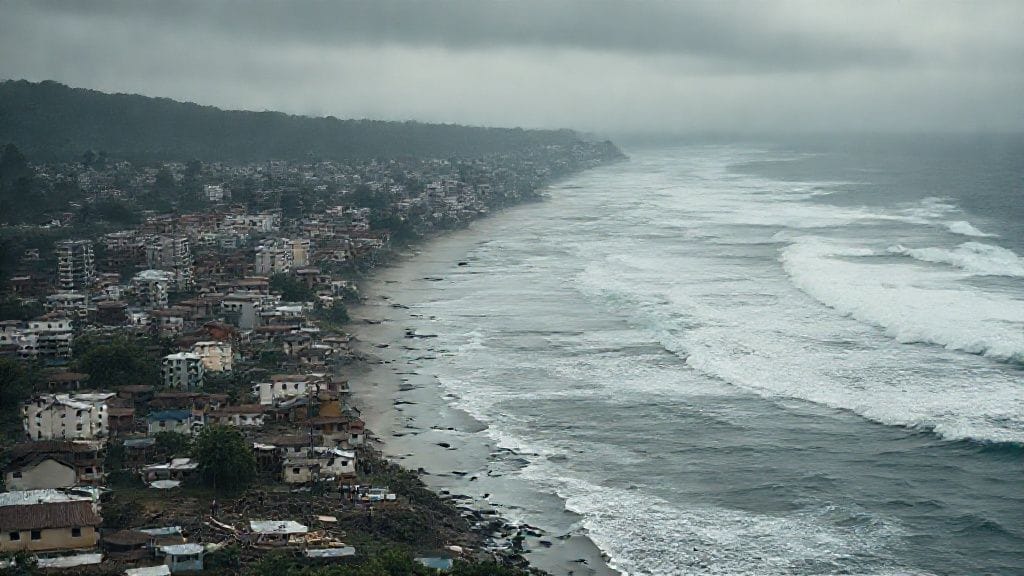
Seconds later, towering waves surged inland with astonishing speed and force. The first wave crashed into Limón’s waterfront neighborhoods, sweeping away homes, businesses, and lives with brutal impartiality.
The First Signs: Panic and Confusion
Confusion reigned as people tried to make sense of the strange behavior of the sea and the tremors beneath their feet. Emergency messages were delayed; communication lines were damaged or overwhelmed. Some residents fled to higher ground instinctively, but many were trapped by the fast-advancing waters.
Stories emerged of fishermen who narrowly escaped capsized boats and families who fled their homes only to be separated in the chaos. The natural rhythm of daily life had been violently disturbed, replaced by the savage unpredictability of disaster.
The Impact on Limón: Destruction and Chaos
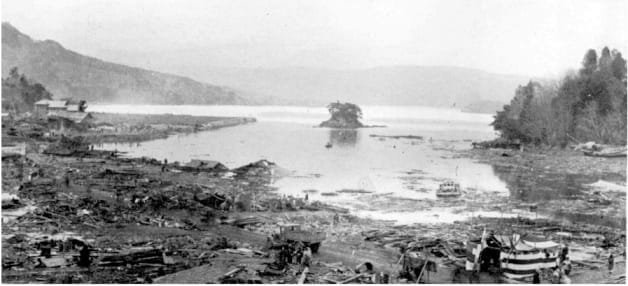
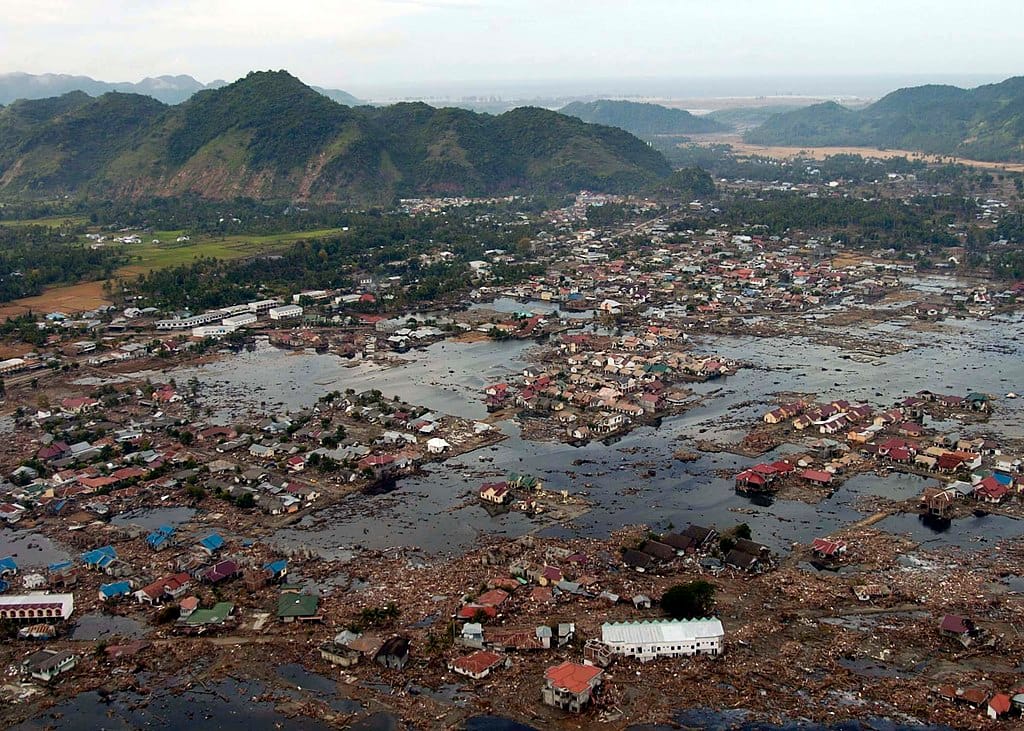
When the waters finally receded, the extent of destruction was staggering. Entire sections of Limón’s coastal infrastructure lay in ruins—piers collapsed, port facilities damaged, homes obliterated. Hundreds of buildings were swept away or rendered uninhabitable.
Casualty estimates varied, but it was clear this was one of Costa Rica’s deadliest natural disasters to date on the Caribbean coast, with dozens dead and hundreds injured. Beyond the human toll, the physical landscape was forever altered; beaches were reshaped, waterfronts broken apart, mangrove forests damaged.
Human Stories Amid the Ruins: Survival and Loss
Amongst the rubble, stories of resilience and heartbreak surfaced. María, a market vendor, lost her store but survived clutching onto a wooden beam. Juan, a fisherman, recounted how he was thrown into the sea but managed to swim miles to safety. Behind the statistics were faces marked by grief, hope, and an unyielding will to rebuild.
Many survivors remembered the moments of surreal calm in the eye of the tsunami—the eerie stillness before destruction—which haunted them for years to come.
Emergency Response: Local and National Mobilization
The Costa Rican government swiftly declared a state of emergency. Rescue teams, medical personnel, and civil defense units mobilized to aid victims, provide shelter, and restore order. The logistical challenges were immense, made worse by damaged roads and communication breakdowns.
Local communities banded together, offering food, water, and lodging to those displaced. Churches, schools, and public buildings became temporary shelters. Despite resource constraints, the response highlighted the strength of Costa Rica’s community networks.
International Aid and Humanitarian Efforts
Recognizing the magnitude of the disaster, neighboring countries and international organizations sent aid. The Red Cross, United Nations, and NGOs arrived with medical supplies, food, and technical support. Financial assistance helped Costa Rica accelerate reconstruction plans and improve disaster management.
This episode showcased the importance of global solidarity in facing natural catastrophes and laid the groundwork for future cooperative disaster response in Central America.
Environmental Consequences: The Coastline Transformed
Beyond the immediate human suffering, the tsunami caused significant environmental disruption. Coastal erosion intensified, and sediments altered the marine ecosystem. Coral reefs suffered damage, and mangroves—natural buffers against storms—were uprooted or inundated.
The post-tsunami landscape reminded experts of the delicate balance of coastal ecosystems and the latent vulnerability of tropical shorelines to such shocks.
The Socioeconomic Aftermath: Recovery Struggles
Limón’s economy, heavily reliant on its port and agriculture, was severely impacted. Banana plantations experienced flooding and crop losses. The port’s temporary paralysis disrupted trade and employment, plunging many families into economic hardship.
Reconstruction required substantial investment and time, complicating the lives of already vulnerable communities. Government programs aimed at boosting recovery were hampered by the scale of destruction and limited resources.
Lessons Learned in Disaster Preparedness
The tsunami underscored urgent needs in public education and infrastructure resilience. Early warning systems were inadequate or non-existent. Many residents were unaware of tsunami risks or how to react in emergency.
Post-1991, Costa Rica invested in disaster preparedness programs, emphasizing community drills, signage, and evacuation routes, particularly in high-risk coastal areas.
Changes in Costa Rica's Tsunami Warning Systems
Subsequent years saw the creation and enhancement of seismic monitoring networks and tsunami alert mechanisms. Real-time data sharing with international agencies improved Costa Rica’s capacity to warn citizens promptly.
Regional cooperation in the Pacific and Caribbean aimed to establish unified alert protocols to better address the threat of underwater earthquakes and tsunamis.
The Psychological Scars and Community Resilience
The mental health impact on survivors was profound. Trauma, loss of loved ones, and displacement created long-lasting psychological wounds. Support services began incorporating counseling and community healing initiatives, recognizing the importance of emotional recovery alongside physical rebuilding.
Yet, the disaster also spurred a remarkable surge of solidarity and resilience. Stories of neighbors helping neighbors and communal rebuilding efforts became a testament to human endurance.
The Legacy of the 1991 Tsunami on Limón’s Identity
The tsunami is etched into Limón’s collective memory. Annual commemorations, memorials, and educational programs ensure that new generations remember both the tragedy and the spirit of survival.
This shared history has become a defining part of the city’s identity, a somber reminder of nature's unpredictable power and the community’s determination to rise from the depths.
Reflections by Survivors and Experts
Interviews with survivors reveal a mixture of sorrow and hope. “We cannot forget, but we must live,” said one elder resident. Seismologists emphasize the event’s importance in raising awareness about Caribbean seismic hazards and enhancing preparedness.
These reflections bridge personal grief and scientific progress, highlighting how disaster shapes both human and societal evolution.
Remembering Through Memorials and Education
Monuments stand near impacted shorelines, honoring those who perished. Schools teach students about earth sciences and disaster response, weaving resilience into education.
Public art and storytelling preserve memories, ensuring that Limón’s response to 1991 continues to inspire vigilance and compassion.
The Role of Media in Informing and Mobilizing Aid
Media coverage played a critical role in raising awareness globally about the tsunami’s aftermath. News reports mobilized donations and highlighted the region’s plight, influencing international support.
At the same time, local media became vital in disseminating instructions and updates, especially in the absence of sophisticated warning systems.
The Broader Caribbean Tsunami Threat
Limón’s tsunami was a stark reminder to the wider Caribbean region of the latent dangers lurking beneath the waves. Other islands and coastal nations reviewed their own vulnerabilities, sparking efforts in tsunami preparedness across national lines.
Geological studies intensified, focusing on tectonic activity in the Caribbean Sea, aiming to prevent future tragedies by better understanding these natural threats.
How 1991 Changed Regional Geological Understanding
The 1991 event provided critical data that reshaped seismic hazard models for Central America’s Caribbean coast. Scientists adjusted estimates of earthquake magnitude potential and tsunami wave heights, influencing civil protection policies.
This scientific progress underscores how tragic events deepen human knowledge, transforming loss into opportunity.
The Continuous Vigil: Monitoring Today’s Caribbean Coast
Today, Costa Rica maintains a network of sensors along both coasts, supported by international seismic and tsunami research consortia. While risks remain, awareness and preparedness have vastly improved since 1991.
Communities remain vigilant, balancing life by the sea with respect for its unpredictable rhythms, ever watchful of the past lessons beneath the waves.
Conclusion
The 1991 Limón tsunami was more than a natural disaster; it was a profound moment of reckoning with nature’s immense power and humanity’s fragility. For the people of Limón, it was a day when life’s routine was abruptly upended, leaving scars etched in memories, landscapes, and hearts.
Yet, amid destruction, stories of survival and solidarity blossomed, teaching invaluable lessons about preparedness, resilience, and community spirit. This event carved new paths for scientific inquiry and regional cooperation, reminding us that history’s harshest chapters often sow seeds of wisdom and strength.
As the waves of 1991 recede into memory, their echoes endure—a call to vigilance, compassion, and unity in the face of nature’s awe-inspiring forces.
FAQs
Q1: What caused the 1991 Limón tsunami in Costa Rica?
A1: The tsunami was caused by a powerful magnitude 7.7 underwater earthquake along the Middle America Trench where the Cocos Plate subducts under the Caribbean Plate, displacing large volumes of seawater.
Q2: How many people were affected or killed by the tsunami?
A2: Exact numbers vary, but dozens of fatalities were reported with hundreds injured. Thousands were displaced as coastal infrastructure and homes were destroyed or severely damaged.
Q3: Was Costa Rica prepared for such a tsunami before 1991?
A3: No, preparedness and early warning systems were limited, especially on the Caribbean coast. The disaster revealed gaps in public awareness and disaster management.
Q4: What changes were made to disaster response after the event?
A4: Costa Rica enhanced its seismic monitoring, developed tsunami warning systems, implemented community education programs, and improved emergency response protocols.
Q5: Did the tsunami affect the environment around Limón?
A5: Yes, it caused coastal erosion, damaged coral reefs and mangroves, and altered the marine ecosystem, impacting biodiversity and natural coastal defenses.
Q6: How is the tsunami remembered today in Costa Rica?
A6: Through memorials, educational initiatives, annual commemorations, and public awareness efforts, the event remains a significant part of Limón’s history and identity.
Q7: What lessons does the 1991 Limón tsunami offer for other coastal regions?
A7: It highlights the importance of early warning systems, community preparedness, international cooperation, and continuous scientific monitoring to mitigate tsunami risks.
Q8: Has scientific understanding of Caribbean tectonics improved since 1991?
A8: Yes, the event spurred extensive research leading to improved seismic hazard models, better risk assessments, and more sophisticated monitoring networks across the region.