Table of Contents
- A World on the Brink: The Eve of a Historic Declaration
- From Whispered Warnings to Alarming Numbers
- Inside Geneva: The Day the covid-19 pandemic declared
- The Weight of Words: Why “Pandemic” Mattered
- The Long Road from Wuhan to the World Stage
- Scientists, Doctors, and Whistleblowers on the Front Line
- Governments Hesitate, the Virus Does Not
- When Borders Closed and Skies Emptied
- Hospitals Under Siege: The Human Cost Unfolds
- Lives in Lockdown: Quiet Streets and Loud Screens
- Information, Misinformation, and the Battle for Truth
- The Global Economy Stalls: Markets, Jobs, and Inequality
- Protest, Solidarity, and the Politics of a Pandemic
- Race for a Vaccine: Science at Breakneck Speed
- Hidden Scars: Mental Health, Grief, and Memory
- Lessons Learned—and Those Still Ignored
- How March 11, 2020 Will Be Remembered by History
- Conclusion
- FAQs
- External Resource
- Internal Link
Article Summary: On March 11, 2020, in Geneva, Switzerland, the World Health Organization stepped before a tense world and formally used the word that many had feared but expected: the covid-19 pandemic declared a new global reality. This article traces the path from the first mysterious cases to that fateful announcement, and the cascade of decisions and emotions that followed. It explores the political debates, scientific struggles, and human stories behind shuttered borders, overwhelmed hospitals, and families separated by invisible walls. Through a documentary-style narrative, it shows how leaders, doctors, and ordinary citizens grappled with uncertainty, denial, and responsibility. The phrase “covid-19 pandemic declared” became not just a technical classification, but a psychological turning point that divided the world into a clear “before” and “after.” Economic upheaval, social unrest, and bursts of solidarity all unfolded in its shadow. Years later, we are still unpacking what that day in Geneva meant—and what it failed to change in time.
A World on the Brink: The Eve of a Historic Declaration
On the evening of March 10, 2020, the world seemed to hover uneasily between normality and something far stranger. Flights still took off from crowded airports, commuters packed into subways, and children, in many places, still ran across school playgrounds. Yet the air was thick with a kind of global premonition. News alerts pinged incessantly on phones, headlines muttered about “a novel coronavirus,” and maps shaded in red dots had begun to circle the internet. It felt as if humanity stood in a dimly lit corridor, aware that a massive door was about to swing open, but unsure what lay behind it.
In Geneva, Switzerland, headquarters of the World Health Organization, that corridor was more than metaphor. Inside the modernist buildings facing Lake Geneva, staff were working late, screens glowing with epidemic curves, infection rates, and grim projections. Epidemiologists compared data from Asia, Europe, and the Americas. Policy experts debated terminology with an intensity usually reserved for matters of war and peace. There was a word that could not yet be spoken publicly—at least, not officially. But it loomed over every conversation: pandemic.
For weeks, the organization had walked a careful linguistic tightrope. It had described the outbreak as a “public health emergency of international concern,” a “global crisis,” an “unprecedented situation.” But still, the official designation hung back, as if speaking it aloud might trigger financial panic, border chaos, or political fury. Around the world, commentators speculated: when would the covid-19 pandemic declared moment finally arrive? Some insisted it was already here in all but name; others clung to the hope that perhaps, with luck or decisive action, the worst could be avoided.
Yet, behind the hopeful rhetoric, numbers were telling a harsher story. In Italy, intensive care units were already filling beyond capacity. In Iran, reports slipped out of overwhelmed hospitals and mass graves. In South Korea, drive-through testing lines snaked around city blocks. The virus had leapt from a cluster of unexplained pneumonia cases in Wuhan, China, to a global patchwork of outbreaks. Still, many governments hesitated, unsure whether to shut down economies and societies on the basis of models and warnings, or to wait for incontrovertible proof that catastrophe was truly at hand.
The night before March 11 was, in hindsight, a last fragile moment of ambiguity. People made dinner plans, weddings, business trips. Concerts had not yet been canceled everywhere; film festivals still hoped to go ahead. The idea that within days billions of people would be ordered to stay home, that city centers would fall silent, that funerals would be held over video calls—it would have sounded dystopian to many. But history often turns on quiet evenings whose significance only becomes clear long after they have passed.
From Whispered Warnings to Alarming Numbers
The story of March 11, 2020 did not begin in Geneva; it began months earlier, with scattered whispers about an unusual illness in central China. In late December 2019, local doctors in Wuhan began noticing patients with severe pneumonia that did not respond to standard treatment. Some were linked to a seafood and live animal market; others had no obvious connection. In the age of global connectivity, the distance between a hospital ward in Wuhan and a living room in Milan, Seattle, or Tehran was measured not in miles, but in days.
On December 31, China officially notified the World Health Organization about the cluster of pneumonia cases of unknown cause. For most people on the planet, New Year’s Eve 2019 was celebrated with little sense that anything was amiss. Fireworks burst above crowded city squares; 2020 was greeted with champagne and optimism. Only in small circles of public health experts did an uneasy question begin to form: could this be the start of something much larger?
By early January, Chinese scientists had identified a new coronavirus, later named SARS-CoV-2. Genetic sequences were shared with international partners, and laboratories around the world began working frantically on diagnostic tests. On January 13, the first case outside China was reported in Thailand. For those who remembered SARS in 2003 or the H1N1 influenza in 2009, it was a disturbing echo. For millions of others, the story still seemed distant, tucked away in the foreign section of the news.
Alarming numbers would change that. On January 23, Wuhan, a city of more than 11 million people, was placed under a strict lockdown. Trains stopped, flights were canceled, highways were blocked. The images were surreal: a major metropolis suddenly frozen in place. While many governments watched with a mixture of disbelief and sympathy, few could imagine imposing such measures on their own populations. The virus, they hoped, might be contained at its source.
Yet viruses have no respect for borders. By the end of January, human-to-human transmission was confirmed in multiple countries. On January 30, 2020, the WHO declared the outbreak a “Public Health Emergency of International Concern,” a technical term signaling a serious global threat. Still, the word “pandemic” remained unused. Some critics would later argue that this gap—between the rising tide of infections and the moment the covid-19 pandemic declared designation was finally made—allowed precious time to slip away.
Throughout February, the numbers told a story of acceleration. Cases in China slowly began to stabilize, thanks to extremely stringent measures, but outbreaks flared in South Korea, Iran, and Italy. In northern Italy, the Lombardy region became the first epicenter in Europe, its hospitals struggling to keep up with a deluge of patients gasping for air. The daily graphs of new infections and deaths became a kind of grim public thermometer, measuring not just the spread of disease, but the creeping onset of fear.
Inside Geneva: The Day the covid-19 pandemic declared
On March 11, 2020, the winter light over Lake Geneva was pale and thin. Inside WHO headquarters, however, the atmosphere was charged. Staff members moved briskly through corridors, carrying folders bulging with reports and printouts of charts that spiked and curved in ominous arcs. Video links to regional offices flickered with the faces of exhausted colleagues from every continent. The world, it seemed, had finally reached a point where semantics could no longer hold back reality.
At the center of this unfolding drama was WHO Director-General Dr. Tedros Adhanom Ghebreyesus. A former health minister and foreign minister of Ethiopia, Tedros had long dealt with crises, but never one that spanned nearly every country on earth. That morning, he reviewed the latest data: more than 118,000 cases in 114 countries, and over 4,000 deaths reported. “We have therefore made the assessment that COVID-19 can be characterized as a pandemic,” he would soon say, according to the official transcript of his speech—a line destined to echo in countless news bulletins.
Behind those carefully chosen words lay intense internal discussion. Declaring a pandemic is not merely a scientific judgment; it is a political and psychological act. The term carries weight: it can trigger national emergency plans, influence stock markets, and incite public panic or resolve. Some member states worried that such an announcement might damage economies and tourism. Others had already closed schools and borders, impatiently waiting for the global health authority to catch up and label what, to them, was obvious.
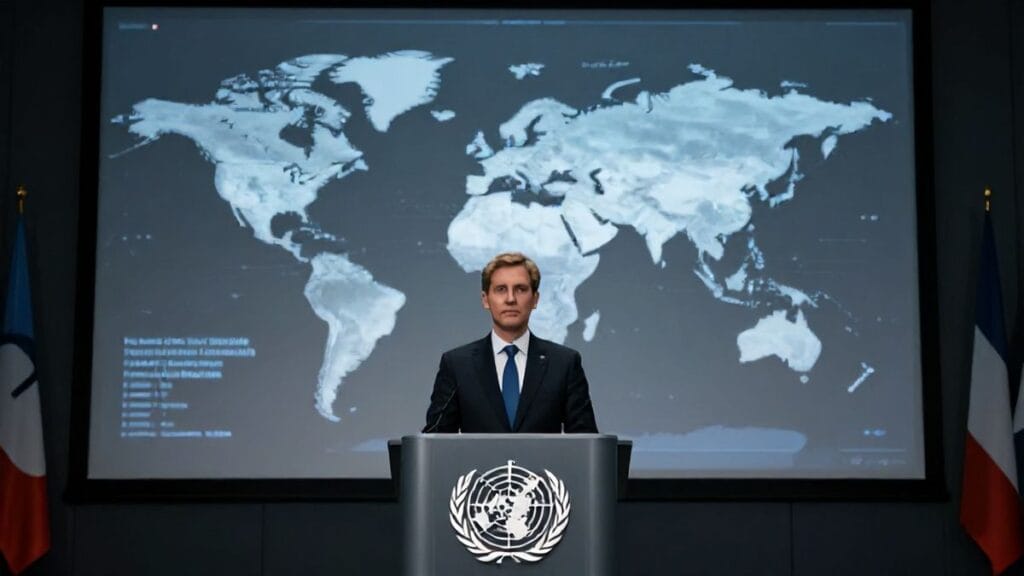
As the press conference time approached, journalists gathered in the briefing room and dialed in from around the world. The seating arrangement, still mostly normal, would soon seem anachronistic; in just weeks, these rooms would empty out and press conferences would be held in front of cameras only. For now, however, cameras were trained on the podium, notebooks were opened, recorders set. The question on everyone’s mind was singular: would this be the day the covid-19 pandemic declared moment finally arrived?
When Tedros stepped to the microphone, he did not rush to the word. First, he spoke of deep concern about “the alarming levels of spread and severity, and by the alarming levels of inaction.” He reminded listeners that this was “the first pandemic caused by a coronavirus,” signaling both novelty and gravity. And then came the sentence that crystallized the day in history: “We have therefore made the assessment that COVID-19 can be characterized as a pandemic.” In that instant, the room was both silent and electric. The word had been spoken, and with it, a chapter in global history had begun.
Within seconds, phones buzzed worldwide. News organizations pushed notifications: “WHO declares coronavirus outbreak a pandemic.” Social media feeds filled with screenshots of the moment, some accompanied by anger that it had not been said earlier, others with dread of what it would mean. In many homes, people heard the word “pandemic” for the first time in their lives in a context that was no longer abstract or historical. It was here. It was now.
But this was only the beginning. The covid-19 pandemic declared by WHO did not change the virus’s behavior; it changed humanity’s perception of it. Even as the press conference ended, world leaders, mayors, hospital directors, and school administrators were forced to re-evaluate their plans. The vocabulary had shifted from “outbreak” to “pandemic,” from a distant problem to a global emergency that demanded action.
The Weight of Words: Why “Pandemic” Mattered
To understand why March 11 carries such symbolic weight, one must understand the power of classification in global health. Words like “epidemic,” “outbreak,” and “pandemic” are not just descriptive; they are performative. They shape funding flows, policy responses, and public consciousness. In the lexicon of the World Health Organization, “pandemic” had historically been used sparingly, often in relation to influenza. The last time it had been officially invoked on a similar scale was during the H1N1 influenza in 2009.
Defining a pandemic is deceptively simple: it refers to the worldwide spread of a new disease. But in practice, declaring one is fraught. It implies that containment, in the strict sense, has failed; the virus is no longer a localized blaze that can be encircled and extinguished. Instead, it has become a wildfire, racing through multiple regions at once. For governments, hearing that the covid-19 pandemic declared status had been reached meant accepting that business-as-usual was no longer tenable.
Language also shapes human emotion. “Outbreak” sounds manageable, perhaps even temporary. “Epidemic” suggests something serious but possibly confined to certain areas. “Pandemic,” by contrast, evokes the entire globe under siege. It calls to mind historical nightmares—the Black Death in the 14th century, the 1918 influenza that killed tens of millions. When WHO finally declared COVID-19 a pandemic, it activated those deep cultural memories, consciously or not. It is astonishing, isn’t it, how a single word can redraw the mental map of the world?
Some critics later argued that the term should have been used earlier, claiming that hesitation cost lives. Others warned that focusing on the label distracted from the need for concrete action. Yet there is no denying that the day the covid-19 pandemic declared status was announced became a psychological dividing line. That was the day many citizens realized that the virus would not simply vanish, that life was about to be reorganized around an invisible threat.
In public health history, such moments of naming are recurrent turning points. The identification of AIDS in the early 1980s, for instance, reshaped social attitudes, sexual politics, and funding priorities. Similarly, labeling COVID-19 a pandemic created a new frame through which everything—from grocery shopping to international diplomacy—would be understood. As one historian later wrote, “March 11, 2020 was less the day the virus conquered the world than the day the world finally admitted it.”
The Long Road from Wuhan to the World Stage
To truly grasp why that moment in Geneva mattered so much, we must retrace the virus’s path from its first known emergence. Wuhan, an industrial and transportation hub on the Yangtze River, was no stranger to movement. People, goods, and capital flowed through its streets and ports, linking it to every part of China and far beyond. In such a city, a pathogen that could jump from human to human had an ideal launching pad.
In the closing weeks of 2019, local health authorities noticed clusters of pneumonia cases connected to the Huanan Seafood Wholesale Market. The market sold a variety of animals, some wild, in crowded conditions—exactly the kind of environment that can facilitate the leap of viruses from animals to humans. The precise origins of SARS-CoV-2 remain debated, but by early January, Chinese scientists had mapped its genetic code, revealing its kinship to other coronaviruses and enabling the development of tests.
As the lunar new year approached, hundreds of millions of people across China prepared to travel to visit family. That mass migration, one of the largest annual movements of people on earth, turned out to be a grim accelerant. By the time Wuhan was locked down on January 23, the virus had slipped the city’s bounds. Cases began to appear in Beijing, Shanghai, and other major centers, then in Japan, South Korea, and the United States. Each reported infection was like a pinprick on the world map, small at first, then clustering into alarming patterns.
The road from Wuhan to Geneva was paved with data, diplomacy, and doubt. WHO teams traveled to China, working with local experts to assess the outbreak’s scale. Laboratories around the world sequenced viral samples, tracked mutations, and attempted to answer urgent questions: How contagious was it? How deadly? Could asymptomatic people spread it? Early estimates ranged widely, and in that uncertainty, political narratives flourished. Some leaders downplayed the threat; others declared war-like mobilizations. Meanwhile, the virus spread regardless of rhetoric.
By February, the story had clearly outgrown its origins. Iran reported a surge of cases, many linked to the holy city of Qom. South Korea faced a major cluster associated with a religious group. Cruise ships such as the Diamond Princess became floating symbols of the crisis, quarantined offshore with passengers confined to cabins as the virus circulated within the vessel’s confined corridors. Each new outbreak recorded by WHO added pressure to the growing sense that a global threshold had been crossed.
Yet even as the evidence mounted, the official designation lagged behind. The day the covid-19 pandemic declared label was finally announced thus represents not the beginning of the crisis, but a formal public acknowledgment that the virus’s journey from a market in Wuhan to virtually every region on earth was complete. The world that had watched those first ambiguous reports from China now had to accept that it, too, was involved, whether or not cases had yet appeared within its borders.
Scientists, Doctors, and Whistleblowers on the Front Line
Amid the abstractions of global declarations, it is easy to forget that history is made first in emergency rooms and laboratories, not conference halls. Long before the cameras in Geneva captured the phrase “covid-19 pandemic declared,” doctors in Wuhan were sounding alarms. One of them, Dr. Li Wenliang, an ophthalmologist, became a symbol of both early warning and tragic loss. In late December 2019, he shared concerns in a private chat group about a SARS-like illness he was seeing. For this, he was reprimanded by local authorities for “spreading rumors.” Weeks later, he contracted the virus from a patient and died on February 7, 2020, at just 33 years old.
Dr. Li’s story spread widely across Chinese social media, tapping into anger about censorship and the dangers of silencing medical voices. His death, widely mourned, became one of the early human faces of the pandemic. Other doctors and nurses, in China and beyond, worked brutal hours, often without adequate protective equipment, improvising masks and reusing gowns. They watched as their hospitals filled with patients, ventilators ran short, and colleagues fell ill beside them.
In laboratories and research institutes worldwide, scientists raced to understand the virus’s structure and behavior. They shared preprints—studies released before peer review—at unprecedented speed. Virologists traced the pathogen’s spike protein, immunologists studied its impact on the human immune system, and epidemiologists fed data into models that produced scenarios ranging from manageable to apocalyptic. In January, a team led by Chinese researchers published one of the first detailed descriptions of the virus in the New England Journal of Medicine, emphasizing human-to-human transmission and calling for urgent international attention.
These efforts were not always coordinated; science under pressure can be chaotic. But they formed a critical backdrop to the Geneva announcement. When WHO leaders stepped to the microphone on March 11, they were backed by a rapidly growing body of evidence—a collective, global scientific effort. In some ways, the covid-19 pandemic declared moment was as much a recognition of this scientific consensus as of the virus’s geographic spread.
Yet behind the scenes, scientists often felt ignored or overridden by political calculus. Advisory panels in various countries submitted recommendations for early lockdowns, mass testing, and social distancing, only to see them watered down. Public health experts who spoke bluntly found themselves attacked in the media or sidelined by officials anxious about economic fallout. The tension between evidence and politics would become one of the defining struggles of the pandemic era.
Governments Hesitate, the Virus Does Not
Even as WHO deliberated over using the term “pandemic,” national governments were engaged in their own anguished debates. Closing schools and workplaces, restricting travel, and mandating masks were not just health measures; they were deeply political acts with enormous social and economic consequences. Leaders knew that draconian steps might cost them public support, damage businesses, and provoke unrest. But failing to act in time risked mass illness and death.
In late February and early March 2020, responses varied dramatically. Some countries, like Italy and Spain, quickly moved toward nationwide restrictions as hospitals buckled under surging caseloads. Others, including the United Kingdom and the United States, delayed sweeping action, at times projecting confidence that the virus could still be contained through targeted measures. Sweden pursued a distinctive path, opting for relatively relaxed restrictions and emphasizing voluntary guidelines over legal mandates.
These choices were not made in a vacuum. Political ideology, institutional capacity, and social trust all played roles. Leaders who had spent years attacking experts and institutions now found themselves dependent on the very systems they had undermined. Populist narratives that framed problems as external or exaggerated clashed with the realities of exponential viral growth. The day the covid-19 pandemic declared language was used by WHO placed a spotlight on these divergences, making them more visible to global audiences.
In many capitals, March 11 acted as a tipping point. Cabinets convened emergency meetings; lawmakers discussed stimulus packages and aid. Some countries accelerated pending restrictions, announcing school closures and bans on large gatherings within days. Others maintained a “wait and see” approach, hoping that their existing measures would suffice. The virus, however, did not wait. Infections doubled and redoubled, quietly and efficiently, in households, workplaces, care homes, and crowded public transport.
Historians of the future will likely pore over these decisions, tracing how differences in timing and strategy translated into divergent death tolls and social disruption. Already, comparative studies show that countries which acted earlier and more decisively, often guided by strong public health institutions, tended to fare better in the initial waves. The moment the covid-19 pandemic declared status was announced thus serves as a reference point, a date by which governments can be judged: what did they do before, and what did they do after?
When Borders Closed and Skies Emptied
One of the most visible and immediate consequences of the pandemic declaration was the sudden constriction of movement. In mid-March 2020, international travel—once taken for granted by millions—collapsed almost overnight. Airports, which had buzzed with the sounds of boarding calls and rolling suitcases, became cavernous, echoing spaces. Departure boards filled with the word “CANCELED.” Airlines grounded fleets, and pilots found themselves idle.
Countries closed borders and imposed entry bans, often with little coordination. Some targeted specific nations with high caseloads; others applied blanket bans to foreign arrivals. Quarantine requirements were hastily drafted, requiring travelers to isolate for two weeks in hotels or at home. The globalized world, built on the assumption that people and goods could flow freely, suddenly revealed its fragility. Supply chains faltered, and essential items from medical equipment to foodstuffs faced delays.
For millions of migrant workers, international students, and expatriates, the timing of the covid-19 pandemic declared announcement was especially cruel. Some were trapped abroad, unable to return home as flights were canceled and land borders sealed. Others rushed back, only to discover that their jobs had vanished or that they carried the virus unknowingly to older family members. The emotional toll of separation—parents barred from seeing children, partners stranded on opposite sides of borders—became one of the quieter but profound human costs.
Within countries, movement was also curtailed. Lockdowns, stay-at-home orders, and curfews reshaped daily life. Once-busy highways emptied, train services were cut back, and inner-city streets fell silent. In satellite images, pollution levels over major cities dropped dramatically, a strange, unintended ecological side effect of a public health emergency. For some, the stillness felt eerie, like living in a paused film. For others, especially essential workers, the roads remained busy, but with delivery trucks, ambulances, and buses carrying those whose labor could not stop.
This sudden immobilization had legal and ethical dimensions as well. Questions surfaced about the right to movement, the treatment of refugees and asylum seekers, and the status of people in overcrowded detention centers and prisons. In some places, already marginalized groups faced harsher enforcement of lockdown measures, highlighting longstanding inequalities. The pandemic, now formally declared, did not create these injustices, but it illuminated them with harsh clarity.
Hospitals Under Siege: The Human Cost Unfolds
While borders closed and economies slowed, hospitals experienced a very different reality: a relentless surge. In the weeks following March 11, footage from intensive care units in northern Italy, New York City, and later India and Brazil shocked the world. Hallways lined with beds, doctors and nurses encased in protective gear, the constant beeping of monitors, and, too often, the sudden silence when a life could not be saved.
In Lombardy, one of the earliest and hardest-hit regions, medical staff described choosing which patients would receive scarce ventilators, a triage reminiscent of wartime. Elderly patients, those with multiple comorbidities, often found themselves lower on the priority list. Families were barred from visiting loved ones, both to conserve protective equipment and to reduce transmission risks. Final goodbyes were spoken through phone screens, or not at all.
In New York City, by April 2020, refrigerated trucks were deployed as makeshift morgues. Field hospitals were set up in convention centers and parks. Healthcare workers, hailed as heroes, worked grueling shifts, many falling ill themselves. Applause from balconies at evening “thank you” rituals could not mask the shortages of masks, gowns, and gloves. The day the covid-19 pandemic declared status was announced in Geneva seemed, from the vantage point of these overwhelmed wards, like a distant formality. Here, the pandemic was raw, immediate, and merciless.
Across the world, similar stories unfolded, though not equally. Wealthier countries with robust health systems struggled but had more resources to mobilize. Poorer nations, already facing fragile infrastructure and limited ICU capacity, braced for waves that could overwhelm them completely. International aid, already stretched, was often insufficient. Global solidarity, so often invoked in speeches, faltered under the strain of simultaneous crises in many countries at once.
Healthcare workers bore not only physical risks but psychological trauma. Many would later describe symptoms of burnout, depression, and post-traumatic stress. The relentless exposure to suffering, the fear of infecting their own families, and the frustration at preventable spread left deep scars. In the years after the immediate crisis, historians and psychologists would recognize these front-line experiences as among the most defining human stories of the pandemic era.
Lives in Lockdown: Quiet Streets and Loud Screens
While hospitals fought to keep people breathing, much of the rest of the world was being asked to stay home. Lockdown became one of the defining words of 2020. In many countries, by late March and April—only weeks after the covid-19 pandemic declared announcement—schools, offices, restaurants, theaters, and places of worship were closed. Streets that had teemed with life fell quiet. Children took classes on laptops at kitchen tables; adults joined meetings on video platforms, their homes suddenly visible to colleagues.
The emotional texture of lockdown varied widely. For some, it brought a slower rhythm, time with family, and a chance to reflect. For others, it meant cramped apartments, financial uncertainty, and rising anxiety. Those who could work remotely often did so from relative safety, while essential workers—nurses, grocery clerks, delivery drivers, sanitation workers—continued to move through the world, their risk heightened. The pandemic laid bare a divide between those whose labor could be virtualized and those whose could not.
Social life migrated online with unprecedented speed. Birthday parties, funerals, religious services, and even weddings took place over video calls. Screens became windows to the outside world, but also mirrors reflecting loneliness. The phrase “you’re on mute” became a joke, then a weary cliché. Yet behind the humor was a deeper truth: human beings were improvising new ways of being together while physically apart.
At the same time, home was not a safe haven for everyone. Reports of domestic violence and child abuse rose as victims found themselves trapped with abusers and cut off from support services. People with mental health conditions faced disrupted care, isolation, and heightened stress. For many, the psychological consequences of lockdown would last long after restrictions lifted.
Still, acts of solidarity emerged. Neighbors organized mutual aid groups to deliver groceries and medicines to those who could not go out. Artists performed from balconies, singers streamed concerts from living rooms, and teachers drove through neighborhoods just to wave at students from a distance. The world adapted in a thousand small ways, woven together by fear, kindness, boredom, and hope.
Information, Misinformation, and the Battle for Truth
As the virus spread, so did words—faster, perhaps, than any pathogen in history. Social media platforms became battlegrounds where scientific facts, rumors, conspiracy theories, and political propaganda collided. WHO officials began to speak of an “infodemic,” an overabundance of information that made it difficult for people to find trustworthy guidance. The covid-19 pandemic declared moment inadvertently added fuel: whenever a major global event occurs, narrative vacuums open, and they are swiftly filled.
Some misinformation was relatively benign, like the early speculation that drinking hot water or gargling salt could prevent infection. Other claims were far more dangerous: that the virus was a hoax, that it had been deliberately manufactured as a bioweapon, or that certain communities or ethnic groups were to blame. Hate crimes and xenophobic incidents increased, particularly against people of Asian descent, echoing historical patterns in which minorities have been scapegoated during disease outbreaks.
Scientists and public health agencies tried to counter the tide, publishing clear advice about masks, distancing, and vaccines. But trust in institutions was uneven, eroded in some countries by years of political polarization. When leaders themselves spread misleading information—downplaying the severity, touting unproven treatments, or disparaging experts—the consequences were deadly. Mask-wearing, vaccination, even the existence of the virus became entangled with identity and ideology.
Meanwhile, journalism played a complex role. Investigative reporters exposed failures in preparedness, mismanagement of nursing homes, and inequities in access to care. At the same time, the 24-hour news cycle sometimes amplified fear and sensationalism. Images of overflowing morgues and dire projections, repeated without nuance, contributed to a sense of omnipresent doom. Responsible reporting required walking a fine line between warning and panic.
In historical perspective, this information crisis is as much a part of the story as the pathogen itself. The day the covid-19 pandemic declared status was announced marked not only a health emergency but also a test of how societies handle truth under pressure. As one media scholar wrote, paraphrasing a classic insight, “The virus was biological; the pandemic was social.”
The Global Economy Stalls: Markets, Jobs, and Inequality
The days following March 11, 2020, were some of the most volatile in economic history. Stock markets plunged as investors grasped that the pandemic would not be contained to a few regions. Travel, hospitality, entertainment, and retail sectors were hit almost immediately. Restaurants closed, hotels emptied, and tourist destinations turned into ghost towns. Unemployment claims spiked in country after country, and small businesses faced existential threats.
Governments responded with massive fiscal interventions. Trillions of dollars in stimulus packages, wage subsidies, loans, and relief checks were deployed to prevent economic free fall. Central banks slashed interest rates and bought assets to stabilize financial systems. In a matter of weeks, economic orthodoxies about deficits and state intervention were upended. The idea that “there is no alternative” to austerity, so dominant after the 2008 financial crisis, gave way to an urgent consensus that only large-scale spending could avert catastrophe.
Yet the impact of the covid-19 pandemic declared crisis was profoundly unequal. White-collar workers in advanced economies often retained income and security by working from home. Low-wage workers in service industries were laid off or forced to continue working in risky environments. Informal workers in many developing countries, lacking social safety nets, faced stark choices between risking infection or going hungry. Global inequalities, long present, were magnified.
Internationally, supply chains buckled as factories shut down and transportation slowed. Shortages of personal protective equipment, ventilators, and later vaccines revealed the vulnerabilities of just-in-time production models. Debates erupted about reshoring manufacturing and building more resilient systems. Meanwhile, countries with greater financial firepower could borrow cheaply to fund recovery, while poorer nations confronted mounting debt and the prospect of harsh austerity once emergency measures ended.
In the longer term, the economic shock accelerated existing trends. Automation and digitization advanced rapidly as firms sought to reduce reliance on human labor in physical spaces. Commercial real estate markets were shaken by the shift to remote work. Gig economy platforms expanded their reach, often without extending protections to those who delivered food, drove passengers, or performed other essential tasks.
Protest, Solidarity, and the Politics of a Pandemic
Pandemics do not pause politics; they intensify it. In the months following the day the covid-19 pandemic declared status was announced, streets across the world alternated between emptiness and eruption. Lockdowns initially subdued public demonstrations, but underlying tensions—over race, inequality, and state power—could not be contained indefinitely.
In the United States, the killing of George Floyd on May 25, 2020, sparked massive protests against police violence and structural racism. Demonstrators, many wearing masks, filled streets in cities from Minneapolis to London, Paris, and Sydney. The juxtaposition was striking: in a time when public health guidance advised staying home, people felt compelled to gather, risking infection to demand justice. The pandemic had exposed racial disparities in infection and death rates; Black, Indigenous, and other minority communities were disproportionately affected. Protesters argued that the virus had simply laid bare what had long been true.
Elsewhere, movements formed around pandemic-specific grievances. In some countries, citizens protested lockdowns, mask mandates, or business closures, claiming violations of personal freedom and economic rights. These demonstrations sometimes drew together disparate groups—from small business owners fearing bankruptcy to conspiracy theorists and far-right activists. The pandemic became a canvas onto which broader frustrations with government, expertise, and globalization were projected.
At the same time, solidarity movements emerged. Mutual aid networks, labor organizing among frontline workers, and campaigns for eviction moratoriums and expanded healthcare gained momentum. For a brief moment, it seemed possible that the collective experience of vulnerability might shift political priorities toward greater social safety nets and recognition of essential work.
Internationally, the politics of vaccine access would later reveal stark asymmetries. Wealthy countries pre-purchased vast quantities of doses, while many low-income nations waited. Calls for waiving intellectual property rights on vaccines to allow wider manufacturing ran into resistance from pharmaceutical companies and some governments. The language of “vaccine nationalism” entered the lexicon, mirroring earlier debates about medical supplies and treatments.
Race for a Vaccine: Science at Breakneck Speed
Even as WHO declared COVID-19 a pandemic in March, research labs and pharmaceutical companies were already working on vaccines. The genetic sequence of the virus, shared in January, had given scientists a head start. Still, developing, testing, and manufacturing a safe and effective vaccine on a global scale typically takes years. The ambition to do so within 12 to 18 months seemed audacious.
What followed was one of the most remarkable scientific mobilizations in modern history. Governments poured billions into research and development through initiatives such as Operation Warp Speed in the United States and similar efforts in Europe and Asia. Multiple vaccine platforms—mRNA, viral vector, inactivated virus, protein subunit—advanced in parallel. Clinical trials enrolled tens of thousands of volunteers. Regulators prepared to review data on rolling bases, accelerating processes without, they insisted, compromising safety.
By late 2020, less than a year after the first known cases, several vaccines had shown high efficacy in large trials. The Pfizer-BioNTech and Moderna mRNA vaccines, in particular, demonstrated around 95% efficacy against symptomatic infection in initial studies—an outcome that exceeded many expectations. The speed and success of these efforts would later be described in terms bordering on the miraculous, with one scientist noting that “decades of prior work met a moment of crisis, and the impossible suddenly looked inevitable.”
Yet the race for vaccines also carried ethical and political complexities. Wealthy countries signed advance purchase agreements, securing more doses than their populations strictly required. COVAX, a global initiative co-led by WHO to promote equitable vaccine access, struggled to fulfill its mission in the face of export restrictions and supply constraints. Vaccine hesitancy, fueled in part by misinformation and mistrust, threatened to undercut the promise of scientific victory.
In retrospect, the covid-19 pandemic declared moment in Geneva and the later rollout of vaccines form two bookends of an extraordinary period. The first signaled a global emergency; the second signaled a potential exit. But that exit was uneven and incomplete. Variants of the virus emerged, exploiting gaps in immunity and public health measures. Vaccination rates diverged sharply between and within countries, often along lines of wealth, race, and geography.
Hidden Scars: Mental Health, Grief, and Memory
Beyond the visible markers of the crisis—graphs of cases, photographs of masked crowds—were the inner landscapes transformed by the pandemic. Isolation, uncertainty, and prolonged stress took a heavy toll on mental health. Anxiety and depression rates increased in many countries. Children and adolescents, whose lives were abruptly reshaped by school closures and reduced social contact, faced particular challenges. For some, the interruption was a temporary disruption; for others, it intertwined with developmental milestones in ways that will be studied for decades.
Grief, too, took on new forms. Many people lost loved ones without the chance to say goodbye in person or to gather for funerals. Mourning rituals—so important in helping communities process death—were curtailed or shifted online. Collective memorials were postponed or improvised. In some cultures, where communal grieving is central, this disruption felt especially painful. The covid-19 pandemic declared event may be recorded in official timelines, but the emotional chronicle of the era is written in millions of private losses.
The psychological burden fell unevenly. Healthcare workers experienced trauma from repeated exposure to death, ethical dilemmas, and exhaustion. Families juggling remote work and childcare faced burnout. People with existing mental health conditions encountered disrupted services and heightened symptoms. Those living alone endured long stretches of isolation that blurred days into each other.
As months turned into years, questions about memory and commemoration emerged. How would societies remember this time? Would there be national days of remembrance, monuments to healthcare workers, museums dedicated to the era of masks and lockdowns? Or would there be a desire to move on quickly, to consign the pandemic to the past and avoid reliving its pain? Historians know that collective memory is selective; some traumas are integrated into national stories, others fade.
Certainly, the repeated references to the day the covid-19 pandemic declared status was announced suggest that this moment will anchor many narratives. School textbooks, documentaries, and oral histories will likely frame March 11, 2020 as a turning point, a date to be memorized. Yet for those who lived through it, the experience will be remembered less as a single day than as a long, disorienting season.
Lessons Learned—and Those Still Ignored
By the time the immediate crisis began to subside in some regions—thanks to a combination of vaccination, prior infection, and adaptation—calls for “lessons learned” grew louder. Commissions of inquiry were established to examine preparedness, early response, and coordination. Academic conferences convened to dissect data, from transmission dynamics to policy effectiveness. The phrase “never again” appeared in speeches by leaders who had once hesitated to act.
Some lessons seemed obvious. Early investment in public health infrastructure, including surveillance systems, laboratory capacity, and stockpiles of essential equipment, pays enormous dividends. Clear, consistent communication builds trust, while mixed messages erode it. Social inequalities magnify the human cost of crises and must be addressed proactively, not as an afterthought. International cooperation, though imperfect, remains indispensable when facing a truly global threat.
Yet history suggests that learning is not guaranteed. After the 1918 influenza pandemic, many countries quickly pivoted to postwar recovery and social change, leaving limited institutional memory of the health crisis. The 2003 SARS outbreak prompted reforms in some Asian countries, particularly those hit hardest, but did not transform global preparedness. It remains an open question whether COVID-19 will mark a deeper, more lasting shift.
The covid-19 pandemic declared by WHO on March 11, 2020, could serve as a permanent reminder of what delay and fragmentation cost. Some nations have begun to strengthen health systems, invest in vaccine research platforms, and improve coordination. Others have moved on, cutting back emergency funding as soon as the immediate threat receded. The tension between wanting to prevent future disasters and wanting to forget past trauma is as old as humanity itself.
One clear lesson, however, is that pandemics are not solely medical events. They are social, political, economic, and cultural. Preparedness must therefore go beyond stockpiles and protocols to include strategies for protecting vulnerable populations, safeguarding mental health, and maintaining democratic norms under emergency conditions. As one public health expert put it in a widely cited article, “We prepared for a virus; we were less prepared for ourselves.”
How March 11, 2020 Will Be Remembered by History
Historians, by nature, resist reducing complex events to single dates. Yet certain days crystallize broader transformations: July 28, 1914, when World War I began; October 24, 1929, Black Thursday on Wall Street; September 11, 2001, the attacks that reshaped security and foreign policy. March 11, 2020—the day the covid-19 pandemic declared status was formally announced in Geneva—belongs to this lineage of symbolic thresholds.
It is important to recall that the virus did not suddenly become more dangerous on that date. Many countries had already experienced significant outbreaks; others would not feel the full impact until later waves. But in cultural memory, March 11 marks the moment when the diffuse anxieties of early 2020 coalesced into a recognized global emergency. It is the day that, in retrospect, many people will locate the end of “before” and the beginning of “after.”
Future historians will likely analyze the speech delivered at WHO headquarters that day, much as scholars now dissect wartime declarations or landmark legislative acts. They will note the cautious tone—underscoring that using the word “pandemic” did not change WHO’s assessment of the threat but aimed to spur action. They may debate whether bolder language earlier could have altered outcomes, or whether structural factors—resource disparities, political polarization, globalization—would have limited any difference.
They will also consider how different societies integrated this moment into their narratives. In some countries, March 11 may be remembered alongside the date of the first national lockdown or the first recorded death. In others, IT may be overshadowed by later milestones: the approval of vaccines, the peak of a particular wave, or the day restrictions finally eased. Personal memories—of the last day in the office, the first time wearing a mask, the call about a relative falling ill—will intersect with public timelines in intricate ways.
What seems certain is that historians will not treat the pandemic as a mere health episode. They will connect it to larger themes: the crisis of multilateralism, the rise of digital technologies in daily life, the strain on democratic institutions, and the acceleration of economic and social inequalities. The date on which the covid-19 pandemic declared status was announced will be a reference point in these wider analyses, a fixed star by which to navigate the chaotic constellation of events that followed.
Conclusion
On March 11, 2020, in Geneva, Switzerland, a phrase spoken at a podium reverberated across the planet: COVID-19 could now be characterized as a pandemic. The day the covid-19 pandemic declared status was announced did not invent the crisis, but it named it—and naming has power. From that moment, the outbreak ceased to be someone else’s problem, somewhere else; it became a shared human predicament that reached into every home, hospital, school, and parliament.
Retracing the path to that day reveals a complex tapestry: early alerts and silenced warnings in Wuhan; the steady crescendo of cases in Iran, Italy, and beyond; the agonized deliberations within WHO about the timing and implications of the term “pandemic.” It also reveals the imperfections of our global systems—how political hesitation, inequality, and misinformation can transform a virus into a deep social wound. The scenes that followed—the empty airports, besieged hospitals, masked protests, hurried vaccine trials, and quiet funerals—are part of a single, interwoven story.
Yet this history is not only one of failure and loss. It is also a story of scientific brilliance, of health workers’ courage, of neighbors caring for one another when states faltered. It is a story of families finding new ways to connect, of artists and teachers reinventing their crafts under constraints, of societies glimpsing, however briefly, the possibility of reorganizing priorities around care and solidarity. The covid-19 pandemic declared by WHO may have exposed our vulnerabilities, but it also highlighted our capacity to adapt.
As we move further from that pivotal day in Geneva, the temptation will be to treat it as a closed chapter. But pandemics cast long shadows. Their effects echo in economic structures, political attitudes, mental health, and cultural memory. Whether we use this experience to build more resilient, just, and compassionate systems—or allow the lessons to fade—remains an open question. History will not judge us on the virus we faced, but on how we responded once we finally admitted, on March 11, 2020, that we were all in it together.
FAQs
- What exactly happened on March 11, 2020 in Geneva?
On March 11, 2020, at the World Health Organization headquarters in Geneva, Director-General Dr. Tedros Adhanom Ghebreyesus announced that WHO had assessed that COVID-19 could be characterized as a pandemic. This formal declaration—often summarized as the day the covid-19 pandemic declared status was announced—signaled that the virus was spreading globally and required urgent, coordinated action. - Did the WHO declaration cause the pandemic?
No. The declaration did not change the biological reality of the virus; it recognized what was already happening. COVID-19 had spread to many countries before March 11. The announcement was meant to underscore the seriousness of the situation and to encourage governments to intensify their responses. - Why was there controversy about the timing of the declaration?
Some experts argued that WHO should have labeled COVID-19 a pandemic earlier, believing that doing so might have prompted faster action by governments. Others worried that the term could provoke panic or economic turmoil. The debate reflects broader tensions between scientific assessment, political considerations, and communication strategy. - How did the pandemic declaration affect everyday life?
The declaration itself did not directly impose measures, but it coincided with and accelerated decisions by many governments to introduce lockdowns, travel restrictions, school closures, and other public health interventions. For ordinary people, this period marked the beginning of profound changes in work, education, social life, and travel. - What role did WHO play after declaring the pandemic?
After the covid-19 pandemic declared announcement, WHO continued to issue technical guidance, coordinate research, support lower-income countries, and facilitate efforts like the COVAX initiative for vaccine access. However, its influence depended on member states’ willingness to follow recommendations and to share data and resources. - Will there be future pandemics like COVID-19?
Most experts agree that future pandemics are likely, given factors such as urbanization, intensive agriculture, wildlife trade, and global travel. The experience of COVID-19 has highlighted the need for stronger surveillance, better preparedness, and more equitable health systems to mitigate the impact of future outbreaks. - How will historians view March 11, 2020?
Historians are likely to treat March 11, 2020 as a symbolic turning point—comparable to other dates that mark the public recognition of major crises. It will be seen as the moment when the international community officially acknowledged the global scale of COVID-19, even though the roots and consequences of the pandemic stretch far beyond that single day.
External Resource
Internal Link
Other Resources
- Encyclopaedia Britannica – general search for the exact subject
- Google Scholar – academic search for the exact subject
- Internet Archive – digital library search for the exact subject