Table of Contents
- The Morning the Sea Turned Against Crete
- Setting the Stage: Eastern Mediterranean in the Early 14th Century
- Crete, a Jewel of the Mediterranean: Geography and Society
- The Heartbeat of the Earth: Understanding the 1303 Earthquake
- Before the Waves: Seismic Warnings and Signs Ignored
- Unleashing the Fury: The Tsunami’s First Devastating Swell
- Human Stories Amidst the Chaos: Survival and Loss
- The Spread of Destruction: From Crete to Distant Shores
- The Political Tremors: How the Disaster Reshaped Regional Dynamics
- Maritime Trade and Cultural Connections Severed
- Myth, Memory, and Oral Traditions: The Tsunami in Local Lore
- The Scientific Quest: Early Understanding of Tsunamis in the Medieval Period
- Archaeological Echoes: Unearthing the 1303 Tsunami’s Footprint
- The Eastern Mediterranean’s Fragile Dance with Nature’s Fury
- Lessons Lost and Lessons Learned: Reflections on Disaster Preparedness
- Long-term Environmental Impacts: Coastal Changes in Crete and Beyond
- Comparative Calamities: The 1303 Tsunami in the Historical Context of Mediterranean Disasters
- The Role of Religion and Interpretation: Signs from Heaven or Wrath of the Earth?
- The Challenge of Reconstruction: From Ruin to Renewal
- Remembrance and Scientific Rediscovery: Modern Perspectives on the 1303 Tsunami
- Conclusion: The Unforgotten Wave and Its Enduring Legacy
- FAQs on the 1303 Crete Tsunami
- External Resource
- Internal Link
On the morning of August 8, 1303, as the first rays of dawn began to stretch over the restless waters of the Eastern Mediterranean, an ancient, silent prelude stirred beneath the waves. The earth beneath Crete, that storied island suspended like a jewel in the great sea, groaned with a terrible weight. In a terrifying instant, the familiar whispers of everyday life were drowned under a sudden surge—a monstrous tsunami that would forever scar the island and echo across centuries. This was not just a natural disaster; it was a rupture in time, a cataclysm that touched every facet of life around the Mediterranean basin.
The Eastern Mediterranean in the early 14th century was a complex mosaic of vibrant city-states, empires in flux, and a multicolored tapestry of cultures and religions. Crete, then under Venetian control, was a thriving maritime hub whose fortunes were intimately tied to the sea. Yet, beneath this bustling cosmopolitan surface, the land itself was a restless entity, its tectonic fault lines a dark promise of upheaval.
Understanding the roots of the 1303 tsunami demands looking both beneath the earth and into the human stories woven into that era. The quake itself, estimated today at a magnitude of around 8.0, struck suddenly but with devastating inevitability along the Hellenic Arc—a notorious seismic hotspot where the African tectonic plate thrust itself beneath the Eurasian plate. It was this violent collision that cracked the ocean floor and sent a towering wave hurtling toward Crete and the shores beyond.
Before the tsunami’s wrath was fully felt, tremors shook the land—ominous harbingers that went unheeded in many coastal settlements. Fishermen noted strange sea behaviors, and animals fled the shorelines, yet medieval knowledge could not reconcile these portents with the scale of the catastrophe to come.
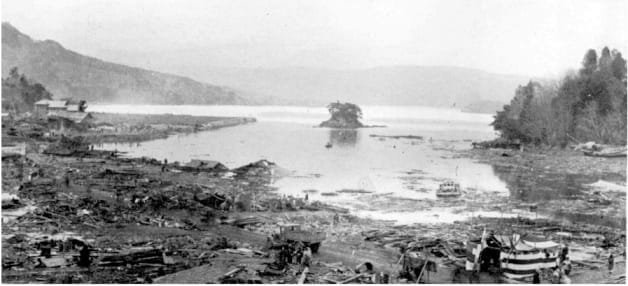
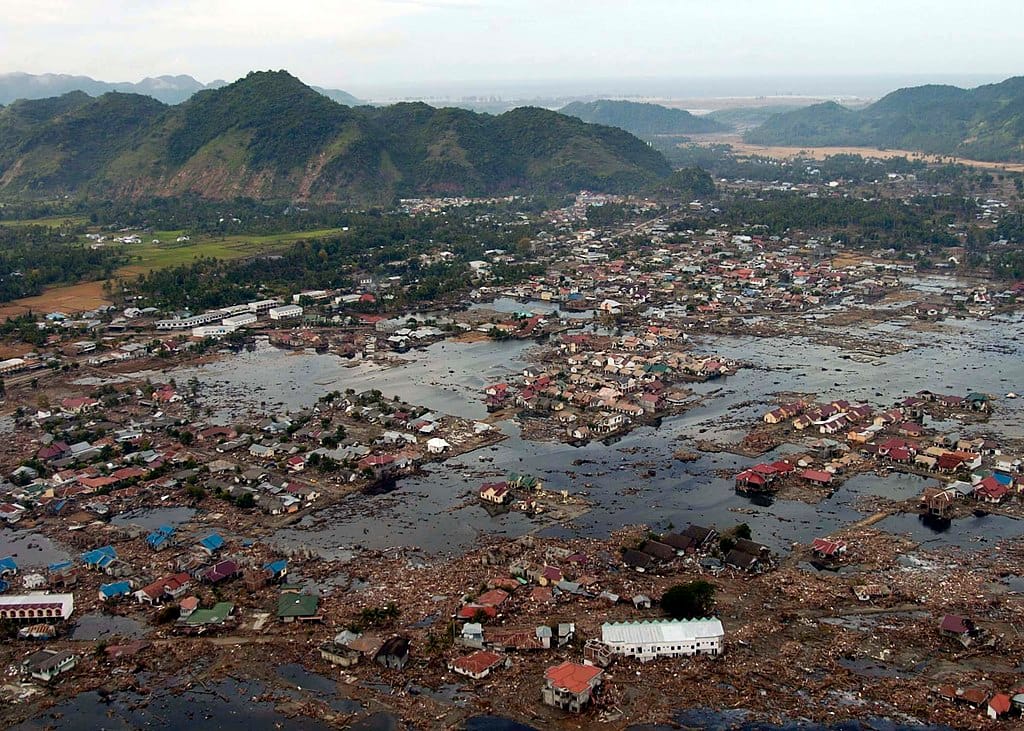
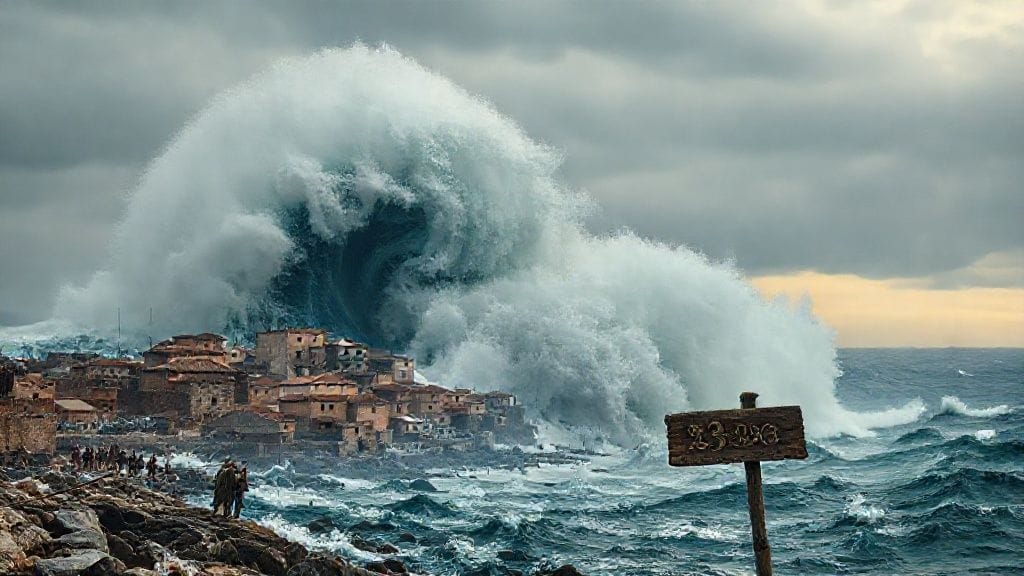
When the sea withdrew—sometimes by as much as hundreds of meters—it revealed the ocean floor in a ghostly, deceptive calm. Then, with a terrible roar, the waters returned, breaking over the shorelines with such force that entire communities vanished beneath the surge. Harbors were obliterated, ships tossed like toys, and villages drowned in a cascade of saltwater and debris.
These waves did not just assault Crete. The tsunami radiated outwards, reaching the shores of Alexandria, Cyprus, Rhodes, and the Levantine coast, bringing destruction and confusion in its wake. Trade routes were severed, coastal economies crippled, and a fragile political balance tipped precariously.
Yet, beyond the statistics and damage reports lie the human stories. Survivors would later recount tales of hope and horror—families torn apart, miraculous escapes, and the struggle to rebuild amidst the ruins. Chroniclers of the time, though limited by the medieval worldview, captured these events in vivid narrative, blending awe for nature’s fury with reflections on divine judgment.
The disaster’s ripple effect also reverberated through the era’s political corridors. Venice’s grip over Crete was challenged not just by the economic dislocation but by the psychological blow to its image of control. Competing powers eyed the weakening island, while trade and cultural exchanges faltered, altering the course of Mediterranean history.
Long after the waves subsided, the 1303 tsunami lingered in collective memory—enshrined in myths, songs, and oral traditions. It shaped a cautious respect for the sea, a force both giver and taker of life. It also posed perennial questions: How was such a force to be understood? Was it a message from God, a punishment or an inscrutable act of nature?
Modern archaeology and geology have pieced together fragments of this violent chapter, unearthing sediment layers, damaged ruins, and historical accounts to reconstruct the scale of the disaster. They remind us that the Eastern Mediterranean remains a fragile frontier where human civilization constantly negotiates with the restless earth beneath.
The story of the 1303 Crete tsunami is thus not a closed chapter but a continuing dialogue between past and present. Its lessons stretch beyond history: into modern concerns of disaster preparedness, environmental stewardship, and the humility required when facing nature’s indomitable forces.
Conclusion
The August 1303 tsunami that shattered Crete and sent ripples across the Eastern Mediterranean stands as both a testament to the raw power of nature and a mirror reflecting human resilience. It reminds us of our vulnerabilities but also of our capacity to remember, interpret, and rebuild. In the haunting silence that follows every collapse and wave, there lies a call for understanding—of the earth, of history, and above all, of ourselves. This ancient catastrophe invites us not just to look back on a tragic day but to look forward with wisdom shaped by centuries of experience and stories that refuse to be drowned in the depths of time.
FAQs
1. What caused the 1303 tsunami in Crete?
The tsunami was triggered by a powerful earthquake along the Hellenic Arc, where the African tectonic plate subducts beneath the Eurasian plate. This seismic activity resulted in submarine landslides and displacement of water, generating the massive waves.
2. How widespread was the damage caused by the tsunami?
The tsunami affected multiple regions in the Eastern Mediterranean, including Crete, Egypt’s Alexandria, Cyprus, Rhodes, and parts of the Levant. Coastal towns suffered severe damage, with loss of life, destruction of ports, and disruption of maritime trade.
3. How did the 1303 tsunami impact political dynamics in the region?
The disaster weakened Venetian control over Crete, strained economic resources, and destabilized regional trade networks, providing opportunities for rival powers to assert influence.
4. Are there written records describing the events of the tsunami?
Yes, several medieval chroniclers from the region documented the earthquake and tsunami, though their accounts often mixed observation with religious interpretation.
5. What archaeological evidence supports the occurrence of the 1303 tsunami?
Sediment layers consistent with tsunami deposits, damaged coastal structures, and submerged ruins have been identified along the Crete coastline and surrounding areas.
6. How does the 1303 tsunami compare with other Mediterranean tsunamis?
It ranks among the most powerful and destructive tsunamis in Mediterranean history, comparable to the 365 AD Crete earthquake tsunami in scale and impact.
7. Is there a local cultural memory of the tsunami in Crete?
While specific folklore is sparse due to the passage of time, the event influenced local oral traditions warning against the sea’s unpredictable fury.
8. What lessons does the 1303 tsunami offer to modern disaster management?
It underscores the importance of seismic monitoring, public awareness, and preparedness in vulnerable coastal regions, particularly around tectonically active zones like the Eastern Mediterranean.