Table of Contents
- The Day the Earth Roared: Dawn of the 1949 Cumbre Vieja Eruption
- The Canary Islands: Volcanic Jewels in the Atlantic
- La Palma Before the Fire: Life on the Edge of Giants
- Geological Prelude: The Anatomy of Cumbre Vieja Volcano
- Early Signs: Tremors Beneath the Surface
- August 1949: When the Mountains Awoke
- The First Explosions: Fire, Smoke, and Shaking Earth
- Flames Over the Forests: Destruction on the Slopes
- The Rage of Lava: Rivers of Fire Consuming the Land
- The Human Face of the Crisis: Evacuations and Stories of Survival
- The Role of Scientists and Observers: Documenting Nature’s Fury
- The Island’s Infrastructure Under Siege: Roads, Farms, and Homes
- Community Resilience: Collective Efforts and Emotional Toll
- The End of the Eruption: Calming the Fiery Beast
- Immediate Aftermath: Damage Assessment and Human Cost
- Economic Impact: How the Eruption Shaped La Palma’s Future
- Environmental Changes: New Landscapes and Renewed Ecosystems
- Cultural Memory: The 1949 Eruption in Local Lore and Art
- Volcano Tourism Emerges: From Disaster to Attraction
- Comparative Perspectives: The 1949 Eruption Among Canary Volcanic Events
- Scientific Legacy and Future Risks: Lessons from Cumbre Vieja
- Closing Thoughts: A Volcano’s Tale of Destruction and Renewal
The Day the Earth Roared: Dawn of the 1949 Cumbre Vieja Eruption
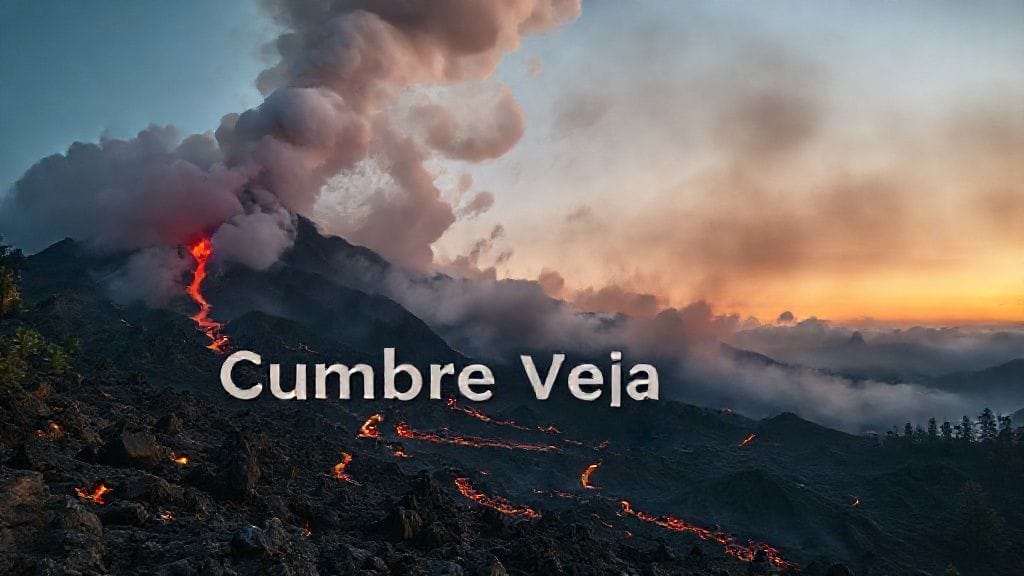
On a seemingly ordinary August morning in 1949, the tranquil island of La Palma awoke to a nightmare forged in the depths of the earth. Beneath the peaceful skies of the Canary Islands, the ground began to tremble with a growing fury. An ominous rumble coursed beneath rugged slopes, shattering the calm and foreshadowing a dramatic chapter in the island's long geological history. Smoke clouds billowed upward, flames crackled among ancient pine forests, and rivers of molten rock surged down valleys with terrifying intent. The eruption of Cumbre Vieja in 1949 was no ordinary natural event—it was a visceral reminder of the Earth’s restless power.
The story of Cumbre Vieja’s eruption is one of explosive violence intertwined with the indomitable spirit of a people rooted in these volcanic lands. It is a saga that reshaped the island’s geography, tested human resilience, and etched itself deeply into collective memory. But to understand that August eruption’s true magnitude, one must first step back into the rich tapestry of history, geology, and culture that envelops La Palma and the Canary archipelago.
The Canary Islands: Volcanic Jewels in the Atlantic
Nestled off Africa’s northwest coast, the Canary Islands form a volcanic archipelago famed for their stark beauty and wild contrasts—from lush forests and golden beaches to rugged cliffs and fertile terraces. These islands are more than mere paradise; they are living laboratories of Earth’s volcanic processes. Created by a hotspot beneath the African tectonic plate, the Canaries have erupted repeatedly over millions of years, shaping diverse landscapes and ecosystems.
The archipelago's volcanic heritage is central not only to its topography but to its very identity. Among the seven main islands, La Palma stands out with its dramatic mountains, deep ravines, and the imposing volcano of Cumbre Vieja, forming a spine along its southern half. While the Canaries have experienced volcanic activity throughout history, La Palma's Cumbre Vieja ridge was particularly restless in the twentieth century, culminating in the celebrated eruption of 1949.
La Palma Before the Fire: Life on the Edge of Giants
Before the eruption, La Palma was a verdant island dotted with small agricultural villages clinging to steep slopes. The locals cultivated bananas, sugarcane, and vineyards—crops sustained by the rich volcanic soils but perpetually at the mercy of nature’s unpredictability. Life here was intimately linked to the land’s generosity and dangers.
Communal life thrived on traditions, with close-knit families and a strong sense of place. People often regarded the volcano not just as a threat but as part of their heritage—a natural force respected and feared, yet never stranger to the rhythms of daily existence. Stories whispered between generations told of fires long past and the transformative power of eruptions, serving as both warnings and tales of rebirth.
Geological Prelude: The Anatomy of Cumbre Vieja Volcano
Cumbre Vieja is not a single peak but a volcanic ridge marked by a series of craters, cones, and fissures. Its activity has been intermittent, ranging from explosive eruptions to slow lava flows. Geologically, it stands on a tectonic boundary influenced by the African and Eurasian plates and the dynamics of the Atlantic hotspot.
Under immense Earth pressures, magma accumulated in chambers beneath the surface. Tensional forces strained the earth’s crust, creating fractures and fissures. The stage was set for an inevitable release—a pressure cooker waiting for its moment of eruption. Understanding this geological buildup explains why the 1949 event was both sudden and expected by some who studied the restless ground.
Early Signs: Tremors Beneath the Surface
In the summer of 1949, minor tremors began unsettling residents around Cumbre Vieja. These foreshocks, while not catastrophic on their own, were disturbances echoing the magma’s slow ascent. People noticed animals behaving strangely; dogs howled nervously, and birds took early flight.
Local elders recalled similar vibrations in previous decades, but the increasing frequency and intensity marked a serious escalation. Scientists arrived to measure the seismic cases, confirming a volcanic crisis was unfolding. Yet, the full scale of the forthcoming eruption remained unknown—a shadow looming over the community’s daily lives.
August 1949: When the Mountains Awoke
It was August 24, 1949, at dawn, when the earth’s restraint finally broke. Near the area of El Paso, a violent explosion opened fissures at the volcano’s summit, releasing a towering column of smoke and ash that darkened the morning light. The sound was deafening — a thunderous roar that echoed through the valleys.
Residents reported the ground shaking with relentless force. Ash fell like snow over fields and houses, and the air filled with a suffocating cloud of volcanic gases. Eyes stung, and the landscape transformed by minutes. Here, the volcanic beast revealed its primordial power in full spectacle.
The First Explosions: Fire, Smoke, and Shaking Earth
The initial days of the eruption were marked by intermittent explosions, sending incandescent bombs into the sky and laying ash over the island’s forests. The river of lava had yet to appear, but already the destruction was stark. Crops wilted under the coating of ash, water sources were contaminated, and the sky took on an apocalyptic hue.
Local authorities struggled to maintain order amid growing panic. Many families fled their homes, seeking refuge in towns farther from the volcano. Still, some remained, mesmerized and fearful, unwilling to abandon their ancestral lands. The power of nature was immediate and overwhelming.
Flames Over the Forests: Destruction on the Slopes
As the volcanic activity intensified, flames erupted across pine forests dwelled on Cumbre Vieja’s slopes. Wildfires spread rapidly when burning volcanic rock and ash descended, transforming lush greenery into desolate blackened wastelands.
This double assault—lava and fire—accelerated the devastation. The scent of burning wood and sulfur filled the air. Animals fled, and once fertile mountain sides turned into charred wastelands that stood as grim testaments to nature’s destructive capacity. Yet, these flames also laid bare fertile new grounds for eventual ecological succession.
The Rage of Lava: Rivers of Fire Consuming the Land
By late August, the eruption escalated fiercely as thick, glowing streams of lava began flowing downward. These fiery rivers devoured everything in their path: homes, farmland, and infrastructure. Villages like Los Llanos de Aridane stood perilously close to destruction.
The relentless advance of lava was both mesmerizing and terrifying. Flames crackled at the edges, while the chill of onlookers confronted the searing heat radiating from the flows. Some brave souls ventured close to witness the raw power, to record and report on the unfolding disaster, often at great personal risk.
The Human Face of the Crisis: Evacuations and Stories of Survival
Amid the chaos, the stories of human courage and tragedy unfolded. Local authorities, aided by volunteers, coordinated evacuation efforts in what was still a relatively isolated island community. Families with few worldly possessions fled, some by foot, others using whatever vehicles were available.
Tales abound: a farmer leading his livestock uphill to escape, children watching their schools engulfed in ash, neighbors sharing food and shelter despite uncertainty. The eruption tore apart lives but also revealed the deep wells of solidarity and resilience.
The Role of Scientists and Observers: Documenting Nature’s Fury
The 1949 eruption became a natural laboratory for volcanologists and geologists. Teams from Spain and abroad arrived to study the phenomenon, drawing crucial data on eruption styles, lava composition, and seismic behaviors.
Their observations advanced scientific understanding, paving the way for improved monitoring and hazard preparedness in the Canary Islands and beyond. Reports, photographs, and samples collected during the crisis remain vital documents in volcanology archives.
The Island’s Infrastructure Under Siege: Roads, Farms, and Homes
The eruption crippled much of the southern half of La Palma. Thick ash fell on roads, making transport impossible. Bridges and irrigation channels were destroyed, while fertile fields disappeared beneath lava flows.
Rebuilding efforts would take years. The eruption's damage was a monumental challenge for a community reliant on agriculture and tourism. Yet, in destruction sowed the seeds of innovation and renewal, as residents adapted to new realities.
Community Resilience: Collective Efforts and Emotional Toll
Recovery demanded more than physical rebuilding; it required emotional healing. People grappled with loss and trauma but also celebrated heroes—firefighters, neighbors, and government workers who stood firm.
Communities organized to support one another, sharing resources and memories. Memorials were erected in the years following to honor those who suffered. The eruption remained a shared scar and source of identity.
The End of the Eruption: Calming the Fiery Beast
After roughly three months of volcanic activity, the last explosions ceased in November 1949. The earth settled, leaving behind a radically altered landscape—a mosaic of blackened lava fields, ash-covered villages, and smoldering ruins.
The quiet that followed was profound. Survivors walked through the remains of their island with awe and sorrow, confronting a changed world.
Immediate Aftermath: Damage Assessment and Human Cost
The eruption destroyed an estimated 20 square kilometers of land, displacing several thousand people. Crop failures, loss of homes, and economic paralysis struck hard. Yet no official records indicated mass fatalities, a testament to the successful evacuation efforts.
Nonetheless, the psychological toll was immense. Families mourned lost heritage, while island governments mobilized reconstruction funding and support. The disaster spurred new policies for volcanic risk management.
Economic Impact: How the Eruption Shaped La Palma’s Future
While devastating, the eruption also catalyzed economic shifts. Agricultural patterns changed due to lost land; some communities diversified into tourism and crafts.
The eruption's memory became a unique selling point, attracting curious visitors. Infrastructure improvements, partly funded by government and international aid, modernized the island and provided a foundation for future growth.
Environmental Changes: New Landscapes and Renewed Ecosystems
Volcanic destruction was not purely negative ecologically. Over time, fresh lava fields became fertile grounds for pioneering plants. Ash enriched soils, promoting agricultural renewal.
Natural succession transformed the landscape, blending scars with burgeoning life. Today, parks and reserves showcase this dynamic interplay between devastation and regeneration, telling stories written in stone and seed.
Cultural Memory: The 1949 Eruption in Local Lore and Art
The eruption imprinted itself deeply into La Palma’s cultural consciousness. Poets, painters, and musicians drew inspiration from the event, commemorating loss and resilience.
Festivals and oral histories perpetuate the memory, passing it to younger generations as a symbol of identity and nature’s dual power as destroyer and creator.
Volcano Tourism Emerges: From Disaster to Attraction
In the decades following the eruption, volcanic tourism on La Palma blossomed. Visitors came to see the lava fields, walk volcanic trails, and learn about geology.
Tour guides shared stories of the 1949 eruption, blending science with human narratives. This form of remembrance both educates and sustains local economies—a living legacy of the fire.
Comparative Perspectives: The 1949 Eruption Among Canary Volcanic Events
While not the largest or longest eruption in Canary history, the 1949 event holds a special place due to its human dimension and scientific documentation.
It served as a benchmark for later eruptions in 1971 and 2021, helping emergency services refine responses. Comparisons highlight evolving volcanic activity patterns and resilience strategies in island communities.
Scientific Legacy and Future Risks: Lessons from Cumbre Vieja
The 1949 eruption fundamentally changed how volcanologists approach risk in La Palma. It underscored the importance of early seismic monitoring, evacuation planning, and public education.
Today, Cumbre Vieja remains active, with scientists closely tracking its behavior. The legacy of 1949 is both a warning and a guide—a reminder that nature’s fury is ever-present but can be confronted with knowledge and preparation.
Closing Thoughts: A Volcano’s Tale of Destruction and Renewal
The 1949 eruption on La Palma’s Cumbre Vieja was not just a geological event—it was a profound human story of loss, endurance, and rebirth. In the ashes of devastation, communities rebuilt their lives, landscapes were reshaped, and science advanced.
More than seventy years later, the echoes of that fiery summer continue to resonate. The island stands as a powerful testament to humanity’s capacity to adapt and the ever-unfolding dialogue between earth and those who call it home.
Conclusion
The Cumbre Vieja eruption of 1949 remains a pivotal moment in the history of the Canary Islands and volcanic science. It bore witness to the raw force of nature and the deep resilience of a community living in symbiosis with shifting landscapes. This chapter in La Palma’s story teaches us that destruction and creation are intertwined—a volcanic paradox mirroring the human experience itself. As today’s volcano watchers stand vigilant, they carry forward the lessons etched in fire, ash, and hope, ensuring that the past shapes a safer, wiser future.
FAQs
Q1: What triggered the Cumbre Vieja eruption in 1949?
A: The eruption was triggered by the accumulation of magma beneath the volcano, which increased pressure until fracturing the crust. Seismic activity and ground deformation preceded the main eruption.
Q2: Were there any casualties during the eruption?
A: Thanks to timely evacuations, there were no recorded large-scale fatalities, though the event caused significant material damage and psychological trauma.
Q3: How did the eruption affect La Palma’s economy?
A: The eruption destroyed agricultural land and infrastructure, leading to economic hardship initially. However, it also spurred diversification, including the development of tourism and improved infrastructure.
Q4: What scientific advancements resulted from studying this eruption?
A: The 1949 eruption improved understanding of fissure eruptions, lava flow behavior, and seismic precursors, informing future monitoring and emergency responses.
Q5: How is the eruption remembered culturally on La Palma?
A: The eruption is commemorated in local art, festivals, oral histories, and education, symbolizing both tragedy and resilient identity.
Q6: Is Cumbre Vieja still an active volcano?
A: Yes, it remains active. Notably, it erupted again in 1971 and most recently in 2021, keeping vigilance high for future activity.
Q7: What lessons does the 1949 eruption offer for current volcanic hazard management?
A: It highlights the importance of seismic monitoring, community preparedness, and rapid evacuation measures, which have since become central to volcanic risk mitigation in the Canaries.
Q8: Can visitors see remnants of the 1949 eruption today?
A: Absolutely. Many lava fields, trails, and geological formations remain accessible and are popular sites for educational and recreational visits.

