Table of Contents
- The Final Dawn: Edward III’s Last Days in Sheen
- England on the Eve of Transition: A Kingdom Poised for Change
- The Twilight of a Monarch: Health and Legacy Intertwined
- A Life Etched in War and Glory: Edward III’s Reign Revisited
- Sheen Palace: The Last Sanctuary of a King
- June 21, 1377: The Day the Crown Darkened
- Courtiers, Clergy, and the Crowd: Witnesses to the King’s Passing
- The Shift in Power: From Edward III to Richard II
- England’s Political Landscape after Edward’s Death
- The Hundred Years’ War: How Edward’s Death Influenced the Conflict
- The Birth of a Young King’s Reign and the Seeds of Turmoil
- The Cultural Flourishing under Edward III’s Rule
- Mourning a Monarch: Rituals, Lamentations, and Legacy
- The Impact on Nobility and the Commons: Shifting Loyalties
- Chronicles and Chronicles: How Medieval Historians Recorded the Event
- The Memory of Edward III: From Medieval Legend to Modern History
- The Political Ramifications in Europe: Allies and Rivals React
- Economic Ripples: The Crown’s Finances at the Crossroads
- The Architecture of Power: Sheen Palace as a Symbol of the Era
- Conclusion: The End of an Era and the Dawn of Uncertainty
- Frequently Asked Questions on Edward III’s Death
- External Resource
- Internal Link
The Final Dawn: Edward III’s Last Days in Sheen
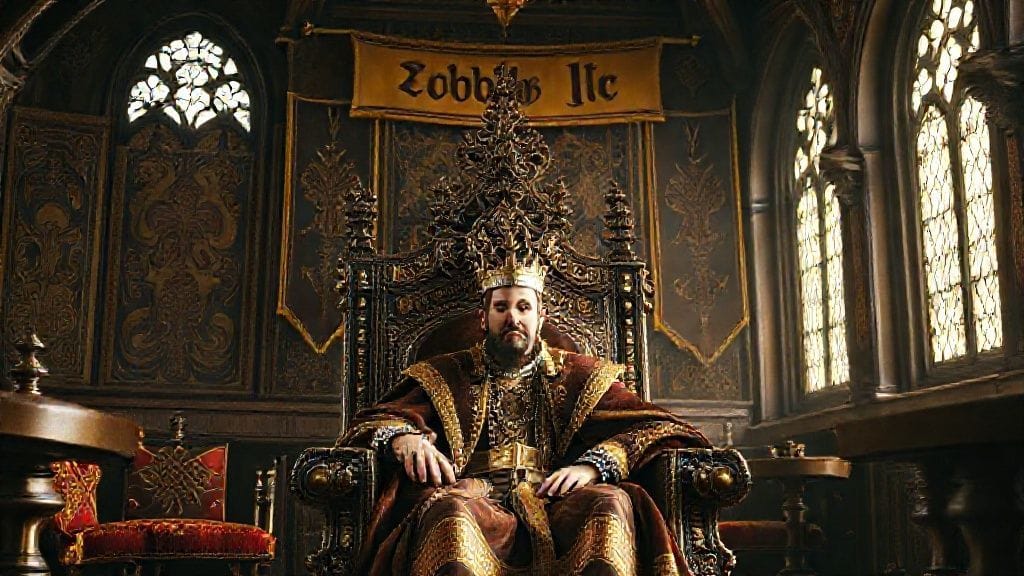
The summer light filtered timidly through the leaded windows of Sheen Palace, casting long shadows upon the cold stone floors that had borne witness to decades of power and ambition. It was here, in this retreat from the fierce world beyond, that King Edward III of England found himself grappling with the mortality that no crown could withstand. The air was heavy, steeped in the scent of damp earth and solemn prayers, as the aged monarch lay weakened by years and ailments, surrounded by a court acutely aware that this moment marked not only the end of a life but the closing of a chapter in English history.
As June 21, 1377, unfolded, the palace hummed with restrained whispers — a blend of grief and uncertainty. Edward III, the warrior king whose reign had extended over half a century, breathed his last. The death of this emblematic figure sent ripples far beyond the royal chambers of Sheen. It echoed through the halls of power and every village hearth, signaling profound change.
England on the Eve of Transition: A Kingdom Poised for Change
In the decades leading up to that somber day, England had grown under Edward’s iron yet visionary hand. The monarch had resurrected the prestige of the English crown through victorious campaigns in France, notably the Battle of Crécy and the siege of Calais. His reign embodied the romance and brutality of medieval kingship, interwoven with the legitimacy that came from divine right and military prowess.
Yet, beneath the veneer of glory, tremors of instability showed themselves. The fabric of feudal England was strained by fiscal burdens and intermittent social unrest. The Black Death, still a fresh nightmare in living memory, had thinned the population and transformed the economy and labor relations. Foreign conflicts drained the treasury and patience alike. In this precarious balance, Edward himself had become a figure simultaneously revered and distancing with age.
The Twilight of a Monarch: Health and Legacy Intertwined
By the mid-1370s, Edward III’s health had sharply declined. Chronic gout, digestive ailments, and the natural ravages of age confined him increasingly to Sheen Palace. His once indomitable presence waned; the robust king who had personally led armies was now bedridden, attended by a cadre of physicians, priests, and anxious courtiers.
It was a slow exhalation of life, framed not only by physical decline but by the weighing of legacy. His surviving sons — the “Black Prince” having predeceased him — and the younger Richard poised uneasily for the succession. The king’s introspection on loyalty, governance, and divine will manifested in his final days, as those around him recorded the gravity of his final commands.
A Life Etched in War and Glory: Edward III’s Reign Revisited
Born in 1312, Edward ascended the throne in 1327 as a mere teenager amid the turbulent reign of his father, Edward II. His rule was marked by revitalizing the monarchy’s authority after internal strife, securing military victories abroad, and promoting English nationalism.
The start of the Hundred Years’ War in 1337 was both a defining challenge and an opportunity for Edward to assert his claim to the French crown. His military successes, coupled with political reforms such as the establishment of the Order of the Garter, carved a monarchical identity that blended chivalry and pragmatism.
However, as the decades wore on, Edward faced setbacks, dwindling resources, and shifting alliances — his once luminous trajectory shadowed by the inexorable approach of age and mortality.
Sheen Palace: The Last Sanctuary of a King
Once a royal hunting lodge, Sheen Palace had grown in significance and grandeur during Edward’s reign. Nestled on the banks of the Thames near Richmond, it served as a retreat from the formalities of Westminster yet remained a nexus of power.
It was in the stillness and relative calm of Sheen that Edward chose to spend his final days. The palace’s walls, adorned with tapestries and emblazoned with heraldic symbols, bore silent testimony to the chapter closing on an era of military exploits and dynastic ambitions.
Within these chambers, the king’s final breaths mingled with prayers and incense, while outside, England braced for the inevitable shift that his passing would precipitate.
June 21, 1377: The Day the Crown Darkened
That fateful day unfolded in a solemn rhythm — messengers dispatched, advisers summoned, and prayers conducted. Chroniclers paint a picture of a king stoic to the end, receiving the last rites and whispering blessings upon his realm.
News traveled swiftly; the great bell of London tolled mournfully, marking a moment of national grief and apprehension. Despite the stoicism of the court, uncertainty gnawed at the hearts of many: would the transition be peaceful? Could the realm withstand the loss of its seasoned monarch?
Courtiers, Clergy, and the Crowd: Witnesses to the King’s Passing
The courtiers, steeped in ritual and political calculation, juggled mourning and maneuvering. The clergy draped the palace in solemn ceremonies, invoking the king’s passage to heaven. Beyond the walls, common people observed the royal death with a mix of reverence and trepidation, sensing that the fate of their lands hinged on the events to come.
Tales of the king’s final moments, told and retold, helped shape the emerging narrative of Edward as a pious and formidable monarch — a figure larger than life fading into history.
The Shift in Power: From Edward III to Richard II
The mantle passed not to a seasoned warrior but to Richard II, Edward’s ten-year-old grandson. This youthfulness foretold a reign shaped by regents, factional disputes, and the vulnerabilities of minority rule.
The political elite faced the delicate task of maintaining stability while nurturing the new king’s authority. The transition extended beyond dynastic succession; it encapsulated a shift in England’s cultural, political, and military posture.
England’s Political Landscape after Edward’s Death
The stability Edward had maintained began to fray. England’s nobility, empowered yet restless, vied for influence. Regional uprisings simmered, and the administrative machinery struggled with financial woes exacerbated by prolonged warfare.
Moreover, the absence of Edward’s commanding presence left a vacuum that ambitious magnates sought to fill, heralding a period punctuated by internal disputes and growing tensions between the crown and the commons.
The Hundred Years’ War: How Edward’s Death Influenced the Conflict
Edward III’s death marked a turning point in the Hundred Years’ War. His leadership and chivalric ideal had galvanized military campaigns; without him, English ambitions faced newfound challenges.
Richard II’s minority and the regency government prioritized consolidation over conquest, leading to changing tactics and occasional setbacks on the Continent. France, under Charles V, regained strength, pushing back English advances.
The Birth of a Young King’s Reign and the Seeds of Turmoil
Richard II’s accession was both a symbol of hope and a harbinger of strife. His youth made him malleable and vulnerable to manipulation by courtiers, yet he also aspired to assert royal authority.
This tension seeded future conflicts, including noble rebellions and questions about the legitimacy and direction of the monarchy. The seeds sown in this early period eventually culminated in significant political upheavals at the century’s close.
The Cultural Flourishing under Edward III’s Rule
Despite the strife, Edward’s reign was a time of remarkable cultural development. The establishment of the Order of the Garter in 1348 elevated knightly values. Literature, architecture, and the arts flourished under royal patronage.
His court became a beacon for chivalric romance and the expression of English identity, elements that resonated deeply in contemporary and later royal propaganda.
Mourning a Monarch: Rituals, Lamentations, and Legacy
The king’s death unleashed a wave of formal mourning across England. Effigies, embroidered banners, and poetic elegies commemorated Edward III. The rituals reinforced the sanctity of kingship and reflected medieval society’s intertwined relationships between power, religion, and emotion.
The legacy Edward left was thus both tangible and symbolic, a foundation upon which the subsequent generations of monarchs would build or stumble.
The Impact on Nobility and the Commons: Shifting Loyalties
For nobles, Edward’s death was an inflection point. Alliances forged in war and peace were tested anew. The rising influence of parliament and the questioning of royal prerogative began to erode traditional hierarchies.
The commons, meanwhile, harbored hopes for stability but found themselves increasingly involved in political discourse. The tension between crown, nobles, and people foreshadowed the constitutional developments brewing beneath England’s surface.
Chronicles and Chronicles: How Medieval Historians Recorded the Event
From Froissart to Walsingham, chroniclers of the 14th century captured Edward III’s death with a mixture of reverence and narrative flourish. Their accounts provide invaluable insights but must also be read through the lens of politics and personal biases.
These chronicles shaped the king’s posthumous image, oscillating between glorification and cautionary tale, coloring the historical memory that persists.
The Memory of Edward III: From Medieval Legend to Modern History
In the centuries following, Edward III’s life and death became subjects of legend and scholarly scrutiny alike. He was remembered as a martial hero, a model king, and a force shaping the medieval English identity.
Modern historians debate the complexities beneath the myths — his strategies, governance, and the long-term impact of his reign. Yet the dramatic final moments at Sheen remain a poignant symbol of the passage of time.
The Political Ramifications in Europe: Allies and Rivals React
Edward’s passing resonated beyond England. France, Scotland, and continental powers watched closely, recalibrating their own policies toward the new regime.
Diplomatic relations shifted, alliances were tested, and the balance of power in Western Europe subtly realigned amid the uncertainty.
Economic Ripples: The Crown’s Finances at the Crossroads
Years of war and royal expenditure had strained England’s coffers. Edward’s death left a financial legacy fraught with debts and obligations.
The regency faced immediate challenges managing taxation and war funding, influencing social policies and further complicating relations with Parliament.
The Architecture of Power: Sheen Palace as a Symbol of the Era
Sheen Palace itself, although lesser-known today, stood as a testament to Edward’s reign and medieval royal architectural evolution. It reflected notions of power balanced with retreat, the king’s public role juxtaposed against private frailty.
Its role as the setting for the monarch’s death immortalized it in the narrative of English history.
Conclusion
The death of Edward III on June 21, 1377, marked more than the end of a monarch’s life; it symbolized the fading of an era saturated with martial valor, dynastic ambition, and burgeoning national identity. Within the silent halls of Sheen Palace, the torch passed to a fragile boy king, and England faced a future shadowed by youth, factional struggles, and shifting paradigms.
Yet, the story of Edward III’s death is also one of human fragility behind regal grandeur — a poignant reminder that even the mightiest sovereigns are bound by the relentless march of time. His legacy, etched in battles won and cultural legacies forged, continues to stir the imagination, inviting us to reflect on the precarious balance between power and mortality, history and myth.
Frequently Asked Questions
1. Why was Edward III at Sheen Palace when he died?
Sheen Palace was a favored royal residence offering a retreat near the Thames where Edward could recover and withdraw from the political pressures of Westminster.
2. How did Edward III’s death affect the Hundred Years’ War?
His death ended the reign of a strong military leader. The ensuing regency under Richard II shifted focus away from aggressive expansion to consolidation, allowing France to regain strength.
3. Who succeeded Edward III, and what challenges did they face?
His ten-year-old grandson, Richard II, succeeded him, facing challenges of minority rule, noble factionalism, and external threats.
4. What was Edward III’s legacy in English culture?
Edward inspired chivalric ideals and cultural patronage, including founding the Order of the Garter and supporting literature and the arts.
5. How was Edward III’s death recorded by contemporary chroniclers?
Chroniclers portrayed his death with reverence, often emphasizing his piety and valiant life, shaping his enduring legendary status.
6. Did Edward III’s death lead to political instability?
Yes, his absence destabilized royal authority, leading to noble rivalries, increased parliamentary power, and social tension.
7. What was the significance of Sheen Palace in Edward III’s reign?
Sheen symbolized royal authority and personal retreat and was the site of Edward’s final days, sealing its place in history.
8. How did common people perceive the death of Edward III?
They viewed it with a mixture of mourning and fear, aware that the king’s death meant potential upheaval but also the hope for continued peace.