Table of Contents
- The Deadly Dawn: January 24, 2020, Unfolds
- Elazığ on the Edge: A City Between Mountains and History
- Tectonic Tremors: Understanding Turkey’s Seismic Landscape
- A Precise Moment of Rupture: The Science Behind the Earthquake
- First Shocks and Immediate Reactions: Chaos in the Streets
- Voices from the Rubble: Tales of Survival and Loss
- Emergency Response Mobilized: Rescue Operations Under Pressure
- The Government Steps In: Political and Institutional Roles
- The Role of NGOs and International Aid: Solidarity Amid Destruction
- Infrastructure Shattered: The Impact on Homes, Schools, and Hospitals
- Communal Resilience: How Families and Neighbors Clung Together
- Economic Fallout: What the Earthquake Means for Elazığ’s Future
- Psychological Aftershocks: Trauma, Memory, and Healing
- Lessons Learned: Urban Planning and Disaster Preparedness Revisited
- The Broader Picture: Earthquakes and Turkey’s National Vulnerability
- From Ruin to Rebuilding: The Long Road Ahead for Elazığ
- Remembering the Fallen: Memorials and Collective Memory
- Scientific Advances: What the 2020 Earthquake Taught Seismologists
- Media Coverage and Public Perception: Narratives of Tragedy
- Conclusion: Endurance in the Face of an Unpredictable Earth
- FAQs: Exploring the Many Dimensions of the Elazığ Earthquake
- External Resource
- Internal Link
1. The Deadly Dawn: January 24, 2020, Unfolds
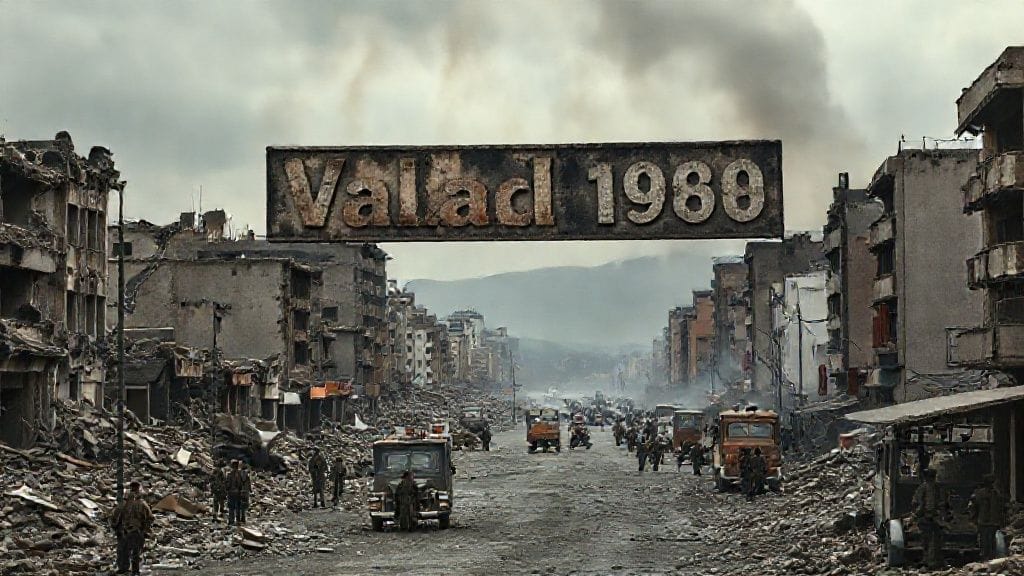
The morning of January 24, 2020, began like any other in Elazığ—a city perched amidst the rugged Taurus Mountains of eastern Turkey, cloaked in the cold grip of winter. But just as dawn painted the sky with pale light, a violent shudder interrupted the fragile peace. At exactly 20:55 local time, the earth beneath stirred with a ferocity few were prepared for. Buildings groaned, walls cracked, windows shattered, and panicked cries tore through the streets. Within seconds, the ground gave way to devastation. This was not a mere tremor; it was a catastrophic rupture—a 6.7 magnitude earthquake that would imprint itself into the memory of Elazığ and its people forever.
2. Elazığ on the Edge: A City Between Mountains and History
Elazığ, with its ancient roots dating back to Urartu and Roman times, straddles a critical junction between past and present. Known historically as Mezre, the city has long been a crossroads of civilizations, perched on strategic trade and cultural routes. Its geographic position also places it perilously close to complex faults slicing through Anatolia. The population, nor fully aware of the lurking threat beneath, went about daily life layered with tradition and modern aspirations. The region’s economy—rich in agriculture, textile production, and mining—had been flourishing slowly but steadily. Yet, beneath this veneer of normalcy lurked a volatile ground, ready to awaken.
3. Tectonic Tremors: Understanding Turkey’s Seismic Landscape
Turkey, straddling the junction of the Eurasian, African, and Arabian tectonic plates, is notoriously shaped by seismic unrest. The East Anatolian Fault, running close to Elazığ, represents a prominent strike-slip fault system. It releases pent-up energy through earthquakes of varying magnitudes. Historically, the region has experienced cycles of destruction, with quakes that reshape landscapes and societies. The 2020 Elazığ earthquake was not an anomaly but part of this intricate geological dance. Still, ongoing urbanization and demographic pressures magnified the risk, especially as many buildings in the area were not constructed to modern seismic standards.
4. A Precise Moment of Rupture: The Science Behind the Earthquake
The event that evening was triggered by a sudden slip along a 20-kilometer segment of the East Anatolian Fault. The rupture released an immense amount of energy—about 16 kilotons of TNT equivalent. Seismologists reported the quake’s hypocenter at a depth of approximately 10 kilometers beneath the surface—relatively shallow, which amplifies surface shaking. The shaking lasted nearly 22 seconds, a long and terrifying moment for those caught in its grip. Aftershocks, some exceeding magnitude 5.0, continued to rattle nerves and complicate rescue efforts in the following days.
5. First Shocks and Immediate Reactions: Chaos in the Streets
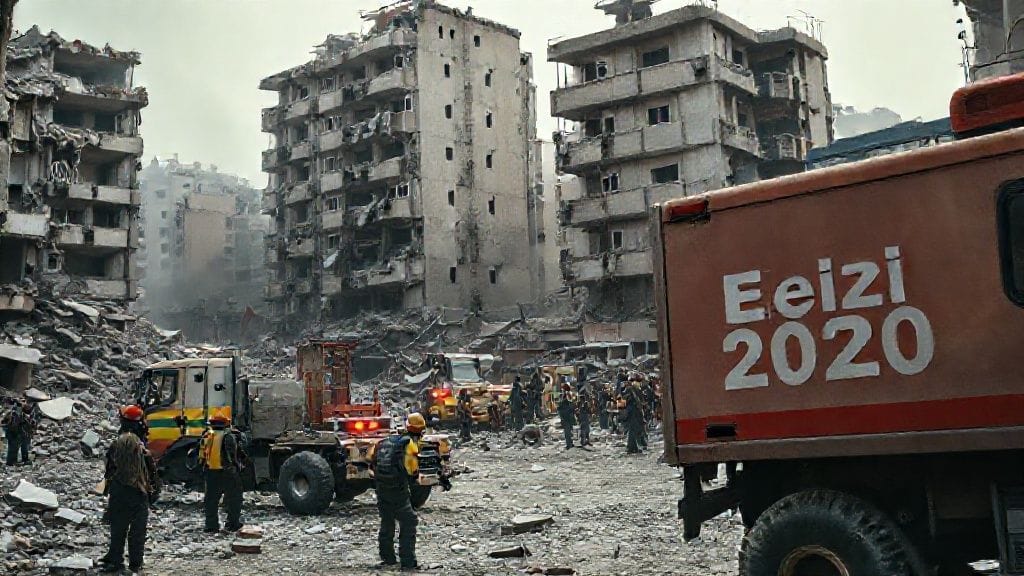
In the immediate aftermath, the city was plunged into darkness as power and communication lines failed. Hundreds of families fled their homes in icy temperatures, congregating in open spaces, uncertain of what might come next. The streets filled with the echoes of sirens and the commotion of emergency services scrambling to assess damage. Some witnesses described the ground “rolling like a stormy sea,” and others recalled the terrifying sounds of cracking masonry and breaking glass. Panic mingled with raw courage as residents began to check on neighbors, pull survivors from debris, and seek medical help.
6. Voices from the Rubble: Tales of Survival and Loss
Among the ruins emerged stories both heartbreaking and heroic. One family, trapped beneath a collapsed apartment block for nearly 12 hours, clung to hope through fading light and freezing cold. Elsewhere, a school teacher risked her life to guide children to safety before the building partially collapsed behind them. Conversely, some houses crumbled like sandcastles, taking with them the treasured memories and lives of their inhabitants. These personal narratives transformed abstract statistics into poignant human experiences, etched in grief and resilience.
7. Emergency Response Mobilized: Rescue Operations Under Pressure
Turkey’s Disaster and Emergency Management Presidency (AFAD), along with local authorities, sprang into action within minutes. Search-and-rescue teams, equipped with dogs and sensitive equipment, worked tirelessly through the night. Military units were deployed alongside volunteers, and temporary shelters were set up to house the displaced. Yet, operations faced obstacles: freezing weather, aftershocks, and logistical challenges complicated access to the hardest-hit neighborhoods. Despite these difficulties, coordinated efforts managed to save dozens of lives, demonstrating both the skill and dedication of Turkish emergency responders.
8. The Government Steps In: Political and Institutional Roles
President Recep Tayyip Erdoğan personally visited Elazığ in the days following the disaster, pledging rapid relief and reconstruction. The government announced compensation for affected families and promised to investigate construction safety. Yet, political discourse soon surfaced debates about building regulation enforcement and urban planning failures. Opposition parties criticized what they considered prolonged neglect of seismic risks, while the ruling party emphasized unity and support. The earthquake thus entered the realm of governance, illustrating how natural disasters often expose deeper systemic challenges.
9. The Role of NGOs and International Aid: Solidarity Amid Destruction
Beyond official channels, numerous non-governmental organizations mobilized to provide aid. The Turkish Red Crescent distributed blankets, food, and heaters, while international relief groups offered expertise and supplies. Offers of assistance came in from neighboring countries as well as global agencies, underscoring the universal nature of earthquake solidarity. Social media campaigns helped raise funds and awareness, connecting those on the ground with diaspora communities eager to support their hometown. In the midst of calamity, a tapestry of compassion and cooperation took shape.
10. Infrastructure Shattered: The Impact on Homes, Schools, and Hospitals
Damage assessments revealed that thousands of buildings suffered moderate to severe structural failures. Several schools sustained critical damage, forcing closures and disrupting education. Hospitals managed to continue functioning but faced overwhelming influxes of injured victims and infrastructure strains. Roads cracked or were obstructed by debris, hampering logistics. Power outages and interruptions to water supply further complicated everyday life. The material toll was staggering, depriving many of safety and comfort, and illustrating vulnerabilities in urban design and construction enforcement.
11. Communal Resilience: How Families and Neighbors Clung Together
Despite the destruction, stories of communal strength emerged as a defining feature. Families shared scarce resources; neighbors provided shelter and emotional support. Local traditions of hospitality and mutual aid asserted themselves in the face of catastrophe. Makeshift kitchens served hot meals to the displaced, and community centers transformed into hubs of information and consolation. This social fabric, woven from decades of shared hardship and celebration, proved critical in aiding psychological recovery and practical survival.
12. Economic Fallout: What the Earthquake Means for Elazığ’s Future
The earthquake struck a blow to Elazığ’s economic stability. Repair and reconstruction costs were estimated in the hundreds of millions of dollars, threatening local businesses and employment. Agriculture took a hit as cold storage and processing facilities suffered damage. Investments in infrastructure had to be reassessed. Yet, reconstruction also spurred job creation and opportunities for modernization. The challenge lay in balancing immediate recovery with sustainable urban development to mitigate future risks without stifling economic vitality.
13. Psychological Aftershocks: Trauma, Memory, and Healing
Beyond physical wounds, emotional and psychological scars lingered. Many survivors wrestled with trauma, experiencing anxiety, sleep disturbances, and fear of recurrence. Mental health services struggled to meet the sudden demand. Cultural stigmas about psychological aid complicated outreach. However, local psychologists and international experts began programs emphasizing counseling, community support, and memory work. Gradually, collective remembrance ceremonies and survivor gatherings nurtured a sense of shared healing and resilience.
14. Lessons Learned: Urban Planning and Disaster Preparedness Revisited
The 2020 Elazığ earthquake reignited debates over Turkey’s disaster preparedness. Despite existing seismic codes, enforcement was uneven. The episode exposed the need for rigorous building inspections, retrofitting older structures, and raising public awareness about earthquake safety. Emergency drills and communication systems required updating. Policymakers faced pressure to implement reforms blending science, governance, and public participation to build a safer future in a region where “the earth moves” is a sorrowful reality.
15. The Broader Picture: Earthquakes and Turkey’s National Vulnerability
Elazığ’s tragedy is part of a larger narrative encompassing Turkey’s persistent earthquakes, including the devastating 1999 İzmit quake. Geological forces shaping the country demand constant vigilance. Urbanization trends often outpace safety measures, creating pockets of risk nationwide. Public discourse increasingly focuses on prevention rather than reaction. Looking ahead, Turkey’s experience positions it at the forefront of seismic research, offering lessons to other earthquake-prone nations balancing growth with safety.
16. From Ruin to Rebuilding: The Long Road Ahead for Elazığ
Reconstruction efforts in Elazığ have been gradual but determined. Authorities prioritized rebuilding critical infrastructure and housing. Architecture now incorporates stricter earthquake-resistant designs. The challenge remains enormous—not only to restore physical structures but to recover the social and economic heartbeat of the city. Many displaced residents hoped to return, while others considered migration. Ultimately, the process is a test of resilience, community spirit, and adaptive capacity in a land shaped by both history’s sediment and seismic upheaval.
17. Remembering the Fallen: Memorials and Collective Memory
Memorialization emerged as a vital component of Elazığ’s recovery. Public commemorations, plaques, and planned monuments honor those lost and those who gave aid. Annual remembrance days serve to unite communities and educate younger generations about the fragility of life and the importance of preparedness. These acts of memory imbue the tragedy with meaning, transforming pain into a collective commitment to vigilance and empathy.
18. Scientific Advances: What the 2020 Earthquake Taught Seismologists
The Elazığ earthquake has enriched seismological understanding of the East Anatolian Fault’s behavior. Data collected helped refine models of fault slip, energy release, and aftershock patterns. Advances in monitoring technology, including remote sensing and ground deformation analysis, benefited from this event. Moreover, the disaster highlighted gaps in data sharing and interdisciplinary collaboration, prompting calls to strengthen integration between scientists, policymakers, and emergency planners.
19. Media Coverage and Public Perception: Narratives of Tragedy
Media outlets, both local and international, covered the earthquake intensively. Reporting blended facts with human-interest stories, amplifying voices from survivors and responders. Social media platforms became crucial arenas for real-time updates, fundraising, and communal grieving. However, misinformation and sensationalism occasionally surfaced, complicating public understanding. Over time, the narrative settled into one recognizing tragedy, heroism, and the imperative of future preparedness.
Conclusion
Elazığ’s earthquake of January 24, 2020, will remain etched into the city’s memory as a brutal reminder of the earth’s unpredictable power. Yet, beyond the rubble and loss, it revealed the tenacity of human spirit—neighbors becoming family, responders risking all, and survivors rising from despair. It is a story of vulnerability intertwined with courage, destruction shadowed by hope. As the ground beneath Elazığ shifts, so too does the resolve of its people to rebuild smarter, safer, and more united. Their experience resonates far beyond Turkey’s borders, a universal testament to endurance in the face of nature’s sudden fury.
FAQs
Q1: What caused the Elazığ earthquake of January 24, 2020?
A1: The earthquake resulted from a sudden slip along a segment of the East Anatolian Fault, a major strike-slip fault where the Anatolian Plate shifts against the Arabian Plate. The shallow depth intensified surface shaking.
Q2: How severe was the damage caused by the earthquake?
A2: Thousands of buildings were damaged or destroyed, including homes, schools, and hospitals. Casualties numbered in the dozens, with hundreds more injured. Infrastructure like roads and utilities suffered significant impact.
Q3: What were the immediate emergency responses?
A3: Turkish disaster agencies, military units, and volunteers launched search-and-rescue missions. Temporary shelters provided displacement aid. Medical facilities activated emergency protocols despite overwhelming demand.
Q4: How did the earthquake affect the local and national economy?
A4: The reconstruction cost was substantial. Local businesses faced disruption, and agriculture suffered damage. However, rebuilding efforts also generated employment and modernization opportunities.
Q5: What psychological impacts did the earthquake have on survivors?
A5: Many survivors experienced trauma symptoms such as anxiety and sleep disturbances. Mental health services were mobilized to provide counseling and support, although stigma sometimes hindered access.
Q6: Has the earthquake led to changes in Turkey's seismic preparedness?
A6: Yes. The event renewed debates on enforcing building codes, urban planning reforms, and public education about earthquake risks. Authorities emphasized improved monitoring and emergency response capabilities.
Q7: Were international organizations involved in the relief efforts?
A7: Several international NGOs and neighboring countries offered aid and expertise. The Turkish Red Crescent played a key role in distributing humanitarian assistance.
Q8: How is the Elazığ earthquake remembered today?
A8: Through memorials, annual remembrance ceremonies, education programs, and ongoing discussions about disaster resilience. The event remains a solemn marker in the collective memory of the region.