Table of Contents
- A City on the Rise: New York in 1853
- The Perilous Ascent: Early Elevator Technology and Its Dangers
- Elisha Otis: The Man Behind the Safety Breakthrough
- The Moment of Truth: The Dramatic Demonstration at Crystal Palace
- The Invention That Changed Urban Life Forever
- Elevator Safety Brake: How It Works and Why It Mattered
- Public Reaction: Awe, Skepticism, and the Birth of Trust
- The Impact on Architecture: Reaching New Heights
- Beyond New York: The Global Spread of Elevator Safety Technology
- Industrial and Economic Consequences of Safe Elevators
- Social Transformations: Vertical Living and Working Redefined
- Technical Evolution: From Otis’s Safety Brake to Modern Innovations
- Personal Stories: Lives Changed by the Elevator Safety Breakthrough
- The Safety Brake in Popular Culture and Media
- The Legacy of Elisha Otis: A Pioneer Remembered
- Challenges and Improvements Through the 19th and 20th Centuries
- Modern Elevator Safety Standards: Descendants of the 1853 Innovation
- The Elevator Today: How Otis’s Invention Remains Vital
- Lessons from History: The Interplay of Fear, Innovation, and Progress
- Conclusion: Elevating Humanity, One Stop at a Time
- FAQs: Answering Your Most Pressing Questions
- External Resource: Learn More on Wikipedia
- Internal Link: Visit History Sphere
A City on the Rise: New York in 1853
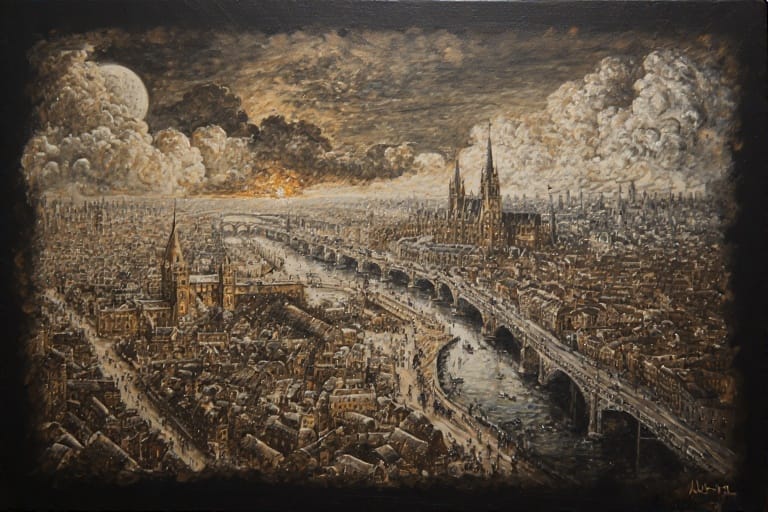
The spring of 1853 was a typical yet extraordinary moment for New York City. The streets buzzed with activity: horse-drawn carriages rattled over cobblestone roads, merchants shouted over the din of clamoring markets, and the relentless expansion of the skyline hinted at a future sketched in iron and stone. This was a city swelling with ambition, grappling with its vertical destiny. The Great Crystal Palace Exhibition loomed large—a symbol of innovation and modernity.
Yet amid this surge forward lurked a silent fear. Buildings stretched higher, but reaching the upper floors was a grueling and often perilous ordeal. Staircases, cramped and exhausting, delayed progress and limited urban development. The elevator, a mechanical dream of ascent, promised to redefine city life—but at what cost? Early versions were unpredictable, sometimes fatal. It was into this environment of hope and hazard that one man stepped forth—with a solution destined to change not only New York but the trajectory of urban civilization forever.
The Perilous Ascent: Early Elevator Technology and Its Dangers
Before safety was guaranteed, elevator shafts were more harbingers of hazard than harbingers of hope. Steam-powered lifts and simple hoists operated precariously, their cables vulnerable. There were stories whispered in taverns and offices alike about tragic accidents: cables snapping, boxes plummeting like stones through shafts, lives lost to mechanical failure.
In the 1840s and early 1850s, elevators were primarily freight machines, used in warehouses and factories rather than passenger conveyances. The fear of vertical transportation was palpable—a fall from height usually meant death or serious injury. The idea of trusting a metal cage to carry a human soul tens of meters into the sky was, quite simply, terrifying.
Elisha Otis: The Man Behind the Safety Breakthrough
Enter Elisha Graves Otis—a man not merely inventing technology but engineering trust. Born in 1811 in Vermont, Otis was a self-taught mechanic and visionary who’d long understood that the elevator could only fulfill its promise if safety was guaranteed.
In the early 1850s, Otis focused on a radically simple yet brilliant idea: a safety mechanism that would halt the fall of an elevator if its hoisting cable broke. His “elevator safety brake” was a set of spring-loaded pawls designed to engage the guide rails, locking the carriage in place before catastrophe could strike.
Otis’s device was more than engineering; it was a human safeguard, symbiotic with the machine—earning the trust of daring urban dwellers ready to embrace new heights.
The Moment of Truth: The Dramatic Demonstration at Crystal Palace
On May 30, 1853, the Great Crystal Palace Exhibition in New York became the stage for Otis’s audacious demonstration. Before a crowd of curious onlookers, investors, industrialists, and skeptics, Otis stood atop an open elevator platform, the pulley ropes exposed.
The elevator was raised, then the main rope was deliberately severed.
For a suspended heartbeat, the platform fell—only to be suddenly arrested by Otis’s safety brake. The crowd gasped, eyes wide with disbelief and relief. Otis’s calm voice broke the silence: “All safe, gentlemen, all safe!”
This moment, so vividly recounted in newspapers and private diaries, was not just a technological feat—it was a theatre of trust regained, an epitaph to old fears, and a piquant prelude to the future.
The Invention That Changed Urban Life Forever
The elevator safety brake transformed how cities grew—vertical expansion surged, no longer limited to a handful of floors accessible only by stalwart stair climbers.
Buildings rose architecturally taller and more boldly. The fear of the vertical journey diminished; elevator cages became reliable carriers of the human spirit, linking street life to lofty offices, apartments, hotels, and shopping arcades.
Otis’s invention was not merely a machine part—it was a key to urban evolution.
Elevator Safety Brake: How It Works and Why It Mattered
At its heart, the elevator safety brake was elegant in simplicity. The system comprised metal jaws triggered by sudden downward acceleration—a broken cable or excessive speed would trigger the jaws to clamp onto the elevator guide rails, stopping the fall. Springs ensured swift, reliable engagement; redundancy minimized failure points.
This mechanism drastically cut fatalities and accidents, making elevators viable for the masses. It was the first truly reliable engineering assurance that mechanized vertical movement could be safe.
Public Reaction: Awe, Skepticism, and the Birth of Trust
Many in the crowd—and the wider public—reacted with awe to Otis’s demonstration, but some greeted it with suspicion. Could one man’s safety brake truly quell centuries of fear?
Yet, newspapers praised Otis’s courage and innovation; major manufacturers soon integrated the brake or developed variants. Across America, trust in elevators grew steadily, with the device becoming a powerful marketing beacon as well as a technical necessity.
The Impact on Architecture: Reaching New Heights
The elevator safety brake did more than increase safety—it redefined architecture. Skyscrapers, once unimaginable, began their ascent from mere blueprints to steel-and-glass reality.
Architects and city planners dreamed wider and higher. The urban fabric changed; property values soared as upper floors gained allure rather than penalty. The face of cities like New York was reshaped, turning the vertical plane into an opportunity rather than an obstacle.
Beyond New York: The Global Spread of Elevator Safety Technology
Word of Otis’s safety brake traveled quickly beyond New York's bustling streets. By the late 1850s, elevator manufacturers in Europe and elsewhere began adopting the principle, adapting it to differing technologies.
International exhibitions featured similar devices; engineers improved and innovated upon the fundamental safety concept, resulting in a worldwide transformation in building design and safety culture.
Industrial and Economic Consequences of Safe Elevators
Safe elevators revolutionized not only architecture but industry. Factories gained vertical storage and workflow; warehouses became multi-leveled; offices multiplied, centralizing business in often cramped urban spaces.
Economically, the elevator safety brake enabled a new scale of high-rise investments and commercial developments. Real estate markets adapted; vertical mobility blurred old divides of social strata, sometimes exacerbating class distinctions, yet undeniably catalyzing economic dynamism.
Social Transformations: Vertical Living and Working Redefined
As elevators became household installations, the city population’s daily rhythms changed. Working-class apartments could be higher up; luxury penthouses took new meaning.
The vertical city reshaped social relations—commuting habits, employment patterns, even leisure activities extended skyward. The elevator safety brake’s reliability encouraged people to trust living and working far from street level, altering life’s rhythms.
Technical Evolution: From Otis’s Safety Brake to Modern Innovations
Otis’s mechanism was a springboard for continuous development. Later, electrical safety systems, speed governors, automatic doors, and sensor-based controls built on his foundation.
Modern elevator safety is complex but rooted in those 1853 moments. Today’s high-speed elevators employ multiple redundancy systems, fail-safe brakes, and emergency protocols—all descendants of Otis’s ingenuity.
Personal Stories: Lives Changed by the Elevator Safety Breakthrough
Historical records and personal letters from the late 19th century detail stories of people who once feared elevators but embraced them post-1853. One such account from a New York governess describes daily rides “comforted by the knowledge that the great Otis brake holds.” Another tale recounts a factory owner whose investment in elevators doubled productivity without compromising worker safety.
These human elements remind us of technology’s true purpose: to elevate lives as well as bodies.
The Safety Brake in Popular Culture and Media
The elevator safety brake soon entered popular imagination. Newspapers used Otis’s demonstration as metaphor for trust and progress. Literary works and plays evoked the tension and release embodied in the halted fall.
Even emerging photography and sketch art memorialized the moment, inscribing it into the cultural memory of a burgeoning modern era.
The Legacy of Elisha Otis: A Pioneer Remembered
Though Otis died in 1861, the company he founded endured and expanded globally, symbolizing innovation and reliability. His name became synonymous with a new era of safe vertical travel.
Statues, plaques, and corporate logos commemorate his vision—a reminder that safety and trust are the backbone of technology’s social license.
Challenges and Improvements Through the 19th and 20th Centuries
Despite its revolutionary design, the elevator safety brake faced challenges: wear and tear, mechanical failure risks, and integration with ever-fast elevators prompted continuous tweaking.
Legislative frameworks and building codes were slowly adapted, often prompted by tragic failures which underscored vigilance’s necessity.
Modern Elevator Safety Standards: Descendants of the 1853 Innovation
Today, elevator safety codes globally owe a direct debt to Otis’s safety brake. Organizations like ASME publish detailed standards that define brake reliability, emergency stop criteria, door locking, and much more.
Elevators now dominate urban landscapes worldwide, trusted implicitly—a testament to the enduring legacy of a mid-19th-century mechanical intervention.
The Elevator Today: How Otis’s Invention Remains Vital
In the 21st century, Otis’s safety brake principle remains integral, bolstered by electronics, sensors, and AI diagnostics. As buildings scale ever upward, from towering skyscrapers to sprawling residential complexes, the assurance of safe vertical transport is non-negotiable.
Every day, millions trust the humble safety brake’s descendants to bridge the earth and sky.
Lessons from History: The Interplay of Fear, Innovation, and Progress
Otis’s story is more than an engineering tale; it is a saga of overcoming fear through ingenuity, proving that radical innovation can transform societies irreversibly.
The safety brake embodies humanity’s historic desire not merely to rise but to ascend securely, echoing a universal quest for progress without peril.
Conclusion
On a warm May day in 1853, Elisha Otis did more than prove a mechanical safety brake worked—he initiated a transformation that would reshape cities, economies, and human experience. The elevator, once a dangerous novelty, became a trusted companion in the ascent toward modernity. The safety brake was not just a device; it was a symbol of trust, progress, and human ingenuity rising against gravity and doubt.
As elevators ascend skyscrapers today, slicing through clouds and connecting worlds, every pause in their upward journey whispers Otis’s legacy—a promise that technology serves us best when it safeguards our lives as well as our ambitions.
Elevator safety brake—the simple phrase hides a rich, dramatic history whose impact continues to echo in every floor gained and every horizon broadened.
FAQs
Q1: What motivated Elisha Otis to invent the elevator safety brake?
A1: Otis was driven by a desire to make vertical transportation safe and trustworthy, addressing frequent and fatal elevator accidents caused by cable failure. His invention directly responded to the widespread fear limiting elevator use at the time.
Q2: How did the 1853 demonstration impact public perception of elevators?
A2: The dramatic demonstration at the New York Crystal Palace was pivotal, transforming skepticism into trust and convincing investors, builders, and the public that elevators could be safe for passengers.
Q3: Why was the elevator safety brake such a revolutionary invention?
A3: It introduced a fail-safe mechanism that automatically stopped a falling elevator if the hoisting cable broke, significantly reducing accidents and enabling widespread adoption of elevators in buildings.
Q4: How did the safety brake influence architecture and urban development?
A4: By making vertical travel safe, it unlocked the potential for skyscrapers and tall buildings, reshaping city skylines and changing residential, commercial, and industrial real estate dynamics.
Q5: Are modern elevators still using the safety brake principle?
A5: Yes. Though technology has evolved, modern elevators employ safety brakes conceptually descended from Otis’s invention, enhanced by sensors, electronics, and multiple redundancies.
Q6: What were some challenges faced in early elevator safety implementation?
A6: Maintaining mechanical reliability, integrating new safety standards into construction codes, addressing wear and tear, and overcoming public suspicion required ongoing innovation and regulation.
Q7: How did elevator safety change social dynamics?
A7: Elevators enabled vertical living and working, altering social strata distributions by making upper floors accessible, changing housing patterns, and influencing daily life rhythms in urban settings.
Q8: Where can I learn more about the history of elevator safety brakes?
A8: The Wikipedia page on Elisha Otis and elevator history offers in-depth information on the topic and its broader historical context.