Table of Contents
- A Tremor in the Heart of Italy: The Emilia-Romagna Earthquake Awakens
- The Geological Pulse: Understanding the Seismic Instability of Emilia-Romagna
- From Fault Lines to Fractures: The Preceding Signs and Silent Thunder
- May 20, 2012: When the Earth Shook the Po Valley
- The Immediate Aftermath: Chaos in the Land of Industry and Tradition
- The Human Face of Disaster: Stories from Survivors and Rescuers
- The Collapse of Heritage: Historic Towns and Cultural Losses
- Industrial Ruins: The Impact on Northern Italy’s Economic Powerhouse
- The Emergency Response: Mobilizing Against Nature’s Wrath
- Scientific Investigations: Capturing Data from the Depths
- The Role of Local and National Governments: Coordination and Challenges
- Media, Memory, and Myth: Narratives Forged in the Wake of Destruction
- Reconstruction Begins: Hope Amid Rubble
- Lessons Learned: Engineering, Preparedness, and Risk Awareness
- The Lasting Legacy: How Emilia-Romagna Changed Italy’s Approach to Quakes
- International Solidarity and Aid: A Global Response to a Local Crisis
- Cultural Renaissance: Rebuilding Identity After Ruin
- The Earthquake of 2012 in the Global Seismic Context
- Comparing Catastrophes: Emilia-Romagna and Other Italian Quakes
- The Emotional Geography: Living on Fault Lines
- Conclusion: Endurance and Renewal in the Wake of Rupture
- FAQs About the Emilia-Romagna Earthquake
- External Resource
- Internal Link
1. A Tremor in the Heart of Italy: The Emilia-Romagna Earthquake Awakens
It was a serene spring morning in northern Italy, serene enough to feel eternal. The rhythm of daily life in Emilia-Romagna, a region prized for its fertile plains, historic cities, and thriving industries, was about to be violently disrupted. At 4:03 AM on May 20, 2012, without warning, the earth beneath this prosperous corner of the Po Valley shifted violently. A magnitude 6.1 earthquake tore through the stillness, ripping apart centuries-old buildings and shattering the sense of security for thousands. The tremors rolled through the night like a sinister symphony conducted by nature’s invisible hand, awakening both fear and resilience.
The people of Emilia-Romagna, accustomed to the quiet hum of tractors, factory machines, and streetlife, found themselves caught between the fragility of human constructs and the raw power of tectonic forces. This quake was a deadly message, reminding how quickly the land beneath can betray its surface calm.
2. The Geological Pulse: Understanding the Seismic Instability of Emilia-Romagna
Emilia-Romagna sits precariously close to one of Europe’s complex seismic crossroads. The Apennine Mountain range, stretching like a natural spine down Italy, harbors numerous active faults where the Eurasian and African plates violently interact. For decades, seismologists watched the region with unease—not because it had the notoriety of southern Italy’s Vesuvius or the central Apennines, but because it was tectonically alive in subtler, less predictable ways.
The 2012 earthquake unfolded along the Ferrara fault system – an intricate network of thrust and strike-slip faults hidden beneath alluvial layers of the Po plain. This region’s geology crafted a deceptive calm, with small tremors occasionally whispering secrets long ignored by the populace. These silent shudders were precursors of instability, a reminder that even the most industrious, cultivated lands cradle latent seismic energies.
3. From Fault Lines to Fractures: The Preceding Signs and Silent Thunder
Less than two weeks before May 20, a modest tremor—magnitude 4.0—had already rattled the area, unsettling the residents but causing limited damage. This foreshock was a tremulous warning, an earth murmur too easy to dismiss amid the din of daily concerns. Experts debated whether this smaller quake was a mere hiccup or omen of a grander rupture to come.
It was a moment fraught with tension: parks emptied, alarms later silenced, curiosity peaked; yet few prepared in earnest. This collective underestimation reveals a paradox of human nature when confronting natural phenomena: visible signs too often breed complacency rather than urgency.
4. May 20, 2012: When the Earth Shook the Po Valley
The pre-dawn darkness deepened suddenly as a violent jolt fragmented the calm — a pulse so intense it flung residents from their beds and sent animals fleeing into the streets. The quake’s epicenter lay near the town of Finale Emilia, but its effects rippled across the region, trembling cities like Modena, Ferrara, and Bologna.
Rumbling for nearly 20 seconds, the vibration broke windows, collapsed roofs, and fractured the integrity of buildings both ancient and modern. The ground opened fissures; bridges sagged; whole industries halted abruptly. Sirens wailed. The earth was convulsing with a gasp and a growl, shaking the foundations of what many thought unassailable.
5. The Immediate Aftermath: Chaos in the Land of Industry and Tradition
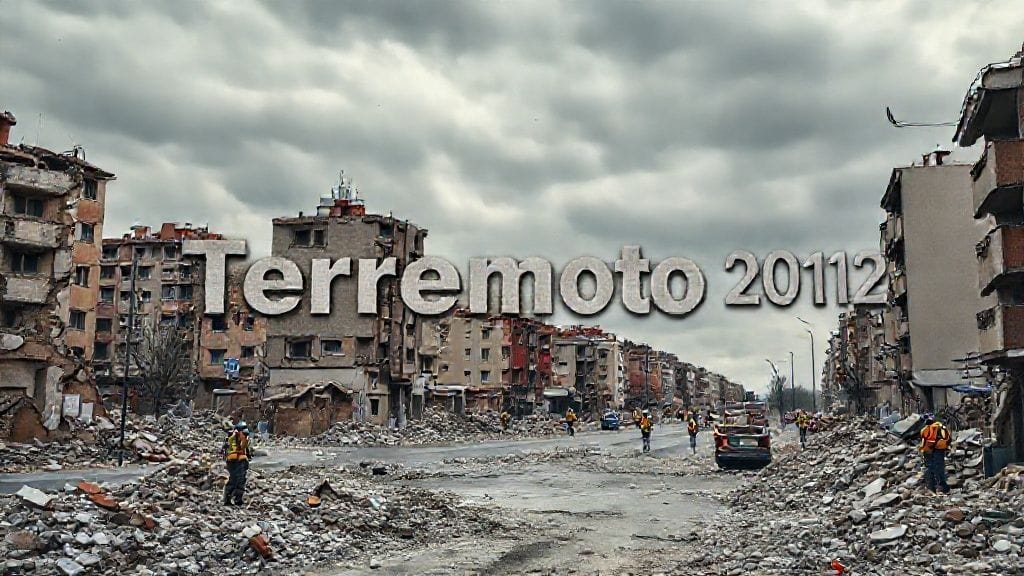
As dawn broke, the true extent of damage became clear. Hundreds were injured; structures across Emilia-Romagna had crumbled, including factories, family homes, and historic monuments. Power outages blanketed large swaths of the region, and roads cracked and buckled.
Cities straddled deep divisions: the old medieval cores layered with the scars of earthquakes and the sprawling industrial zones crippled and silent. Factories that powered Italy’s prized mechanical and food industries—like Lamborghini and Ferrari suppliers—were devastated, threatening economic ripples far beyond the quake’s immediate geography.
6. The Human Face of Disaster: Stories from Survivors and Rescuers
In villages where life was once tranquil and predictable, personal tragedies unfolded. Maria, a seamstress from Bondeno, recalled, “I woke up feeling the bed shake, the walls moan. I grabbed my children and ran outside. Many were still in bed — we needed to help them.”
Rescuers worked through dust and darkness, pulling survivors from rubble and offering comfort amid loss. Volunteers and firefighters wove across broken streets, stitching together fragile networks of solidarity and hope. The earthquake was not just a geophysical event; it was an intensely human drama where courage, fear, and compassion collided.
7. The Collapse of Heritage: Historic Towns and Cultural Losses
Among the most heartbreaking consequences was the partial destruction of UNESCO cultural sites and countless churches, towers, and palazzi whose stones bore the imprint of centuries. In Mirandola and Finale Emilia, spires cracked and domes fell, erasing pieces of artistic mastery and communal memory.
The destruction of heritage roused a collective mourning that transcended borders, illuminating how earthquakes fracture not only buildings but identities forged through time. It raises poignant questions on how culture survives amidst natural calamities.
8. Industrial Ruins: The Impact on Northern Italy’s Economic Powerhouse
Emilia-Romagna is not just a pastoral idyll; it is Italy’s industrial heartland, a hub for food processing, automotive supply chains, and mechanical manufacturing. Factories collapsed, costly machinery was lost, and production lines ceased, imperiling thousands of jobs.
The disruption forecast a cautionary tale of how natural disasters ripple through globalized supply networks. Italian exports dipped, and the downstream effects were felt in international markets reliant on precise Italian components—a reminder that no industry is insulated from nature’s whim.
9. The Emergency Response: Mobilizing Against Nature’s Wrath
Italy’s civil protection service mobilized swiftly, coordinating with regional authorities and the army to organize rescue, medical aid, and shelter. Temporary camps rose overnight; tents dotted devastated towns as communities sought refuge.
Yet logistical difficulties imposed stubborn hurdles: blocked roads hampered supplies, and the sheer scale of damage overwhelmed first responders. International aid offers poured in but coordination tested local capacities, underscoring the complexity of managing crisis in densely populated, industrialized zones.
10. Scientific Investigations: Capturing Data from the Depths
Seismologists seized the opportunity to study the earthquake’s unique characteristics. Instruments recording the movement offered crucial insights, including apparent “triggered” seismicity—smaller quakes following the main tremor—and unusual patterns of stress transfer.
These scientific endeavors refined models predicting earthquakes in sediment-filled basins and informed debates on how human activity, like gas extraction, may interact with natural faults—a debate increasingly relevant for modern Italy.
11. The Role of Local and National Governments: Coordination and Challenges
The quake tested the political fabric. Regional governors demanded swift aid; national leaders pledged billions in reconstruction funds. Yet bureaucratic tangles, budget constraints, and political rivalries complicated effective response.
Public confidence fluctuated amid debates on building codes, emergency preparedness, and corruption allegations tied to reconstruction contracts. This crisis exposed Italy’s unresolved tensions between centralized power and regional autonomy.
12. Media, Memory, and Myth: Narratives Forged in the Wake of Destruction
Coverage was relentless, both domestically and internationally. The earthquake fed into broader narratives of Italy’s vulnerability—both natural and political. Journalists chronicled tragedies but also collective resilience.
In coffee shops and television studios, stories of survival became mythic: the old innkeeper who saved neighbors; the engineers who raced to assess damaged dams. Memory of the quake was reshaped and sometimes sanitized, becoming a story to rally community spirit and national pride.
13. Reconstruction Begins: Hope Amid Rubble
Months after, bricks were cleaned, streets cleared, and reconstruction projects launched. But rebuilding cultural landmarks with authenticity was slow and fraught with debate over modern techniques versus historical preservation.
Communities rallied around shared goals—to rise from wreckage, restore homes, and restart factories. Yet financial strain and bureaucratic inertia meant this phase was as much about perseverance as about architectural plans.
14. Lessons Learned: Engineering, Preparedness, and Risk Awareness
The earthquake sharpened Italy’s focus on seismic safety. Building codes were revised to enforce stricter anti-seismic standards, especially for industrial complexes and schools.
Public campaigns educated citizens on what to do when the ground shakes. Emergency drills became a regular feature in schools and municipalities. This tragic event etched a critical awareness into the collective psyche.
15. The Lasting Legacy: How Emilia-Romagna Changed Italy’s Approach to Quakes
More than just a localized tragedy, the earthquake triggered nationwide reflection on Italy’s preparedness for seismic activity. It underscored how economic development, cultural heritage, and natural risk coexist uneasily.
Policymakers moved to decentralize emergency management, increase funding for scientific research, and restore community engagement in disaster planning. Emilia-Romagna became a symbol for balancing progress and respect for geology’s violent unpredictability.
16. International Solidarity and Aid: A Global Response to a Local Crisis
Countries across Europe and agencies worldwide sent aid, expertise, and funds. The EU’s Civil Protection Mechanism was activated, illustrating how disasters transcend borders.
International NGOs partnered with local institutions to provide psychological support and technical assistance in reconstruction. This disaster reminded the world that seismic hazards demand collaborative vigilance.
17. Cultural Renaissance: Rebuilding Identity After Ruin
As bricks rose, Emilia-Romagna also sought to restore its soul. Festivals revived, churches reopened, and artisans resumed their crafts. Artists and historians documented the earthquake’s impact, helping society process trauma through culture.
This renaissance affirmed that, though stones may fall, the spirit of place endures, weaving past and future into a resilient tapestry.
18. The Earthquake of 2012 in the Global Seismic Context
While overshadowed in media by larger quakes elsewhere, Emilia-Romagna’s earthquake was scientifically important. Its moderate magnitude yet extensive damage revealed vulnerabilities in heavily industrialized, sedimentary plains.
Earthquake preparedness worldwide benefited by integrating these lessons, emphasizing that moderate quakes can cause outsized devastation depending on geography and infrastructure.
19. Comparing Catastrophes: Emilia-Romagna and Other Italian Quakes
Italy’s seismic history is long and tragic—from the 1908 Messina disaster to the 2009 L’Aquila quake. Emilia-Romagna’s event was unusual due to its northern location and impact on the industrial economy rather than purely rural or mountainous zones.
This comparison enriches understanding of earthquake risk diversity within Italy, informing tailored responses rather than one-size-fits-all policies.
20. The Emotional Geography: Living on Fault Lines
The earthquake etched new meaning into the region’s landscape. Fear mingled with familiarity—residents now viewed hills and plains as both home and latent hazard.
This emotional geography influences current generations, who must negotiate identity with a constant awareness of nature’s unpredictable forces, crafting lives of vigilance and hope.
Conclusion
The May 20, 2012 earthquake in Emilia-Romagna was more than a seismic event; it was a profound test of human resilience against nature’s unpredictable power. In the dark, trembling hours before dawn, lives were irrevocably changed, industries halted, and cultural legacies fractured.
Yet, from that rupture arose stories of courage, solidarity, and renewal. Emilia-Romagna’s people faced uncertainty with determination, rebuilding homes and communities while reshaping how Italy anticipates and adapts to earthquakes. It is a narrative of endurance nestled in the ongoing dance between humanity and the restless earth beneath. This story reminds us that even when the foundations break, spirit and hope can, and must, rise.
FAQs About the Emilia-Romagna Earthquake
Q1: What caused the Emilia-Romagna earthquake of 2012?
A1: The quake resulted from tectonic movements along the Ferrara thrust fault system in the Po Valley, where the African and Eurasian plates interact. Stress buildup along these faults periodically releases as earthquakes.
Q2: How strong was the earthquake and where was its epicenter?
A2: It measured magnitude 6.1, with the epicenter near Finale Emilia. The tremors affected a wide area across Emilia-Romagna and surrounding regions.
Q3: What was the human toll of the earthquake?
A3: The earthquake caused around 27 deaths and injured hundreds, displacing thousands and causing immense psychological suffering and loss.
Q4: How did the earthquake impact Italy’s economy?
A4: Emilia-Romagna’s industrial hubs, critical for automotive and food sectors, were heavily damaged, causing temporary shutdowns and economic ripple effects nationally and internationally.
Q5: What were the main challenges in the emergency response?
A5: Difficulties included disrupted infrastructure, coordination among multiple agencies, and providing adequate shelter and medical care amid ongoing aftershocks.
Q6: How did this earthquake influence seismic safety policies?
A6: It accelerated updates to building codes, raised public awareness on preparedness, and encouraged investment in scientific monitoring and emergency planning across Italy.
Q7: Was there any international aid involved?
A7: Yes, the EU and several countries provided financial and logistical support, with NGOs assisting in relief and psychological support.
Q8: What is the lasting cultural significance of the earthquake?
A8: Beyond loss, the quake forged a renewed regional identity anchored in resilience, prompting cultural revival and deeper community bonds.