Table of Contents
- The Fiery Awakening: The 2021 Etna Eruption Unfolds
- Sicily’s Giant: Etna’s Volcanic Legacy Through the Ages
- Geological Roots: The Science Behind Etna’s Fury
- The Calm Before the Storm: Signs and Precursors of the 2021 Eruption
- February 2021: The First Explosive Outbursts
- Ashes and Fire: The Spectacular Lava Fountains and Plumes
- Human Response: Scientists, Civil Protection, and Eyewitnesses
- Societal Impact: Communities Living in Etna’s Shadow
- Economic Tremors: Agriculture, Tourism, and Local Businesses
- Environmental Changes: Transformations in Flora, Fauna, and Landscape
- Etna’s Voice in Modern Media: From Drones to Social Networks
- The Cultural Significance of Etna in Sicilian Identity
- Historical Comparisons: The 2021 Eruption Versus Past Events
- The Science of Prediction: Advances and Limitations Highlighted by 2021
- Aftermath: The Months Following the Eruption
- Lessons Learned: Preparedness and Resilience in Volcanic Regions
- Global Connections: What Etna’s 2021 Activity Teaches Us About Volcanoes Worldwide
- The Mythical and Spiritual Dimensions of Etna’s Fire
- Future Outlook: Monitoring and Potential Risks Ahead
- Conclusion: The Eternal Dance of Fire and Life on Mount Etna
The Fiery Awakening: The 2021 Etna Eruption Unfolds
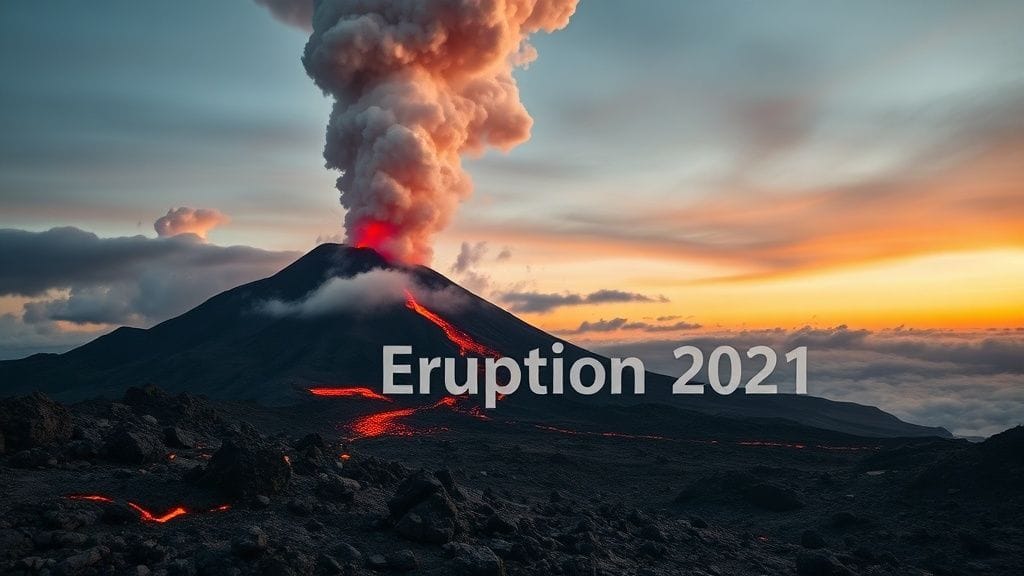
For centuries, Mount Etna has been a towering sentinel of Sicily, a colossus cloaked in smoke and flames, its moods shaping the lives of millions. On February 16th, 2021, Etna awoke once again with a ferocity that fused nature’s beauty and terror into a haunting spectacle of red-hot lava fountains, ash columns piercing the sky, and the haunting rumble of earth unsettled. It was a night painted in fire and shadow, where incandescent rivers of molten rock poured down the mountain's slopes, illuminating the dark Sicilian sky as though the very heart of the Earth had burst open.
The eruption didn’t just mark another chapter in Etna’s long narrative—it was a visceral reminder of the raw forces beneath our feet, a dramatic intersection of geology and human existence. Witnesses described a surreal fusion of fear and awe, the glow from fiery spouts seen miles away, the ash cloud drifting ominously over nearby towns, threatening to disrupt lives and livelihoods. It was a moment of sublime power, both destructive and strangely poetic.
But this event was far from isolated; it was part of a longer story woven into the fabric of Sicilian culture, volcanology, and the course of human interaction with an unpredictable giant. To grasp the eruption’s full significance, one must unlock the history, science, and social dynamics that frame Etna’s fiery personality.
Sicily’s Giant: Etna’s Volcanic Legacy Through the Ages
Mount Etna’s volcanic saga stretches back hundreds of thousands of years, its lava flows and ash deposits buried in the layers of time. This restless giant is Europe’s most active volcano and one of the world’s tallest, standing at over 3,300 meters, constantly reshaped by eruption after eruption. Throughout history, its eruptions have been both feared and revered—sometimes casting a shadow of despair, sometimes fertilizing the lands that became Sicily’s agricultural heart.
Historical records show that Etna’s first documented eruption dates as far back as 1500 BCE, written into the tablets of Greek and Roman chroniclers who linked its fires to divine wrath or otherworldly forces. Over the centuries, eruptions have destroyed villages but also crafted new landscapes, attracting poets and painters who found in Etna’s turmoil a metaphor for human passion and resilience.
The 1669 eruption, in particular, is remembered for its devastating lava flows that swallowed entire towns, reshaping Catania’s urban history. Yet, the people of Sicily—it seemed—have always adapted, living with the volcano’s volatility as part of their existence rather than apart from it.
Geological Roots: The Science Behind Etna’s Fury
To understand the 2021 eruption, it’s crucial to delve into the geological underpinnings of Etna itself. Born from the complex tectonic interplay between the African and Eurasian plates, Mount Etna occupies a unique position on Earth’s restless crust. The subduction of the African plate beneath the Eurasian plate has created a mantle melting zone, fueling the volcano’s magma chambers.
Ethna’s eruptions are typically characterized by both effusive lava flows and explosive Strombolian activity—named after Italy’s smaller Stromboli volcano—where successive bursts of fiery bombs and fountains light the night sky. Magma composition varies, but mostly basaltic with some andesitic fractions, enabling fluid yet energetically vibrant eruptions.
The volcano’s structure is multi-layered: beneath its summit craters lies an intricate network of dikes and chambers, often separated into distinct magma reservoirs, influencing the style and timing of eruptions. Seismic activity, ground deformation, and gas emissions serve as windows into these processes, guiding the work of volcanologists preparing for the next upheaval.
The Calm Before the Storm: Signs and Precursors of the 2021 Eruption
In the months preceding February 2021, signs of renewed agitation began to surface. Seismic networks recorded an upsurge in tremors beneath Etna’s summit, subtle deformations were detected via GPS stations, and the emission of sulfur dioxide increased—a telltale hint that magma was rising.
Scientists monitoring the volcano’s “breath” noticed unusual volcanic tremor patterns from late January, sparking heightened alert levels. Local authorities and the Italian National Institute of Geophysics and Volcanology (INGV) prepared for possible escalation, coordinating with emergency services and informing nearby communities about potential hazards.
This uneasy tension between normalcy and the impending eruption cast a shadow across the region, a palpable anticipation palpable in town squares and scientific control rooms alike.
February 2021: The First Explosive Outbursts
On the night of February 16th, the seismic crescendo was broken by a sudden paroxysm—a spectacular display of lava fountains bursting from the Southeast Crater. The eruptive column climbed rapidly, sending dark ash and incandescent pyroclasts high into the sky. It was both violent and mesmerizing, the fiery jets contorting like some primeval dragon breathing its fury.
Activity raged for several hours, with lava cascading down ravines, igniting the surrounding brush and shaping new lava fields. Thermal cameras recorded temperatures soaring into the thousands of degrees Celsius, while ground deformation confirmed magma was actively intruding closer to the surface.
Villages as close as Zafferana Etnea watched with a mix of fear and wonder, some evacuating as precaution, others simply awestruck by the spectacle.
Ashes and Fire: The Spectacular Lava Fountains and Plumes
What set the 2021 eruption apart was the dramatic nature of its lava fountains, sometimes reaching heights of 600 meters—truly monumental columns of fire visible across Sicily and beyond. Ash clouds drifted eastward, carried by wind over the Ionian Sea, affecting air traffic and blanketing towns with a layer of fine volcanic dust.
Scientific teams mobilized drones and helicopters to document the eruption’s evolving patterns, capturing breathtaking imagery of how lava flows entangled with the rugged terrain, creating temporary rivers of fire that turned the night into day.
Local inhabitants, accustomed to the volcano’s moods, often described the scene in metaphorical terms—as if Etna were communicating, sending messages in smoke and flame about the dynamic Earth beneath their feet.
Human Response: Scientists, Civil Protection, and Eyewitnesses
The 2021 eruption was a testament to the collaborative effort between science and society in volcanic hazard management. The INGV’s team, stationed in Catania, worked tirelessly to analyze real-time data, issuing timely alerts and forecasts.
The Italian Civil Protection Department coordinated evacuations and safeguarded critical infrastructure, demonstrating how lessons from past eruptions had strengthened crisis management protocols.
Eyewitness accounts were vivid: one farmer described the red glow bathing his olive groves, while a local guide spoke of tourists stranded but captivated by Etna’s dramatic pyrotechnics. The eruption was not just a geological event—it was an emotional journey for those living in its shadow.
Societal Impact: Communities Living in Etna’s Shadow
Sicilian communities have long balanced reverence and risk in their relationship with Etna. In 2021, families faced decisions about temporary displacement, agricultural disruptions, and health concerns related to ashfall.
Schools in nearby towns temporarily closed, roads were monitored for lava flow threats, and conscientious efforts were made to protect water sources from contamination by volcanic materials.
Yet, the social fabric displayed resilience, communal solidarity, and a deep-rooted acceptance that living with Etna means constantly negotiating uncertainty.
Economic Tremors: Agriculture, Tourism, and Local Businesses
The volcanic eruption’s economic ripple effects were immediate. Sicily’s fertile volcanic soils, nurtured by centuries of ash deposits, support flourishing vineyards, citrus groves, and olive orchards. The 2021 eruption’s ash fall initially threatened crops, but long-term effects can be paradoxically beneficial—renewing soil nutrients.
Tourism, a vital pillar of the local economy, faced disruptions but also unexpected boosts as visitors arrived to witness the eruption’s spectacle from safe vantage points. Hotels and guides adapted quickly, turning potential adversity into opportunity.
Nonetheless, small businesses and farmers endured uncertainty, their livelihoods entwined with Etna’s unpredictable temperament.
Environmental Changes: Transformations in Flora, Fauna, and Landscape
The 2021 eruption’s lava flows and ash deposits altered the local ecology, challenging flora and fauna to adapt or perish. Forests on Etna’s slopes experienced partial destruction—pines and scrub engulfed by lava or suffocated by ash.
Yet, volcanic landscapes are famously regenerative. Pioneer species began reclaiming new terrain, while ash enriched the soil with minerals. Birds and other wildlife exhibited shifts, finding new habitats away from the most impacted areas.
Over time, scientific monitoring will reveal the lasting environmental transformations triggered by this fiery renewal.
Etna’s Voice in Modern Media: From Drones to Social Networks
The 2021 eruption fell into the digital age, where social media platforms and drone footage brought the volcano’s fury into millions of homes instantly. Stunning videos circulated online, sparking global fascination and scientific interest alike.
News outlets covered the event extensively, blending live coverage with expert analysis, while amateur photographers shared emotional accounts, bridging the gap between experts and the public.
This new media landscape amplified Etna’s voice far beyond Sicily, contributing to a richer dialogue on volcanic hazards and human resilience.
The Cultural Significance of Etna in Sicilian Identity
Etna’s fiery presence is more than geological fact—it is a cornerstone of Sicilian identity and culture. Folklore abounds; legends speak of Hephaestus’s forge beneath the mountain or ancient gods using Etna’s fires as a canvas for cosmic battles.
The 2021 eruption rekindled these narratives, becoming not just a natural event but a cultural moment. Poets, musicians, and artists drew inspiration from the fiery spectacle, weaving it into Sicily’s rich tapestry of history and myth.
For Sicilians, Etna is both a threat and a guardian—a symbol of the island’s resilience and wild beauty.
Historical Comparisons: The 2021 Eruption Versus Past Events
While impressive, the 2021 eruption was moderate compared to Etna’s most catastrophic episodes. Unlike the 1669 event, which reshaped landscapes and urban life extensively, 2021’s lava flows were more contained and brief.
Comparisons enhance understanding of Etna’s variable behavior: some eruptions span months or years, others last only hours. The 2021 event reaffirmed patterns of increasingly frequent, yet less destructive, paroxysms that characterize Etna’s recent style.
Historians and volcanologists continue to dissect these shifts, seeking clues about the volcano’s evolving future.
The Science of Prediction: Advances and Limitations Highlighted by 2021
The 2021 eruption offered both triumphs and challenges for volcano prediction. Modern instruments successfully detected pre-eruptive signals, allowing authorities to issue timely warnings.
Yet, the precise timing and scale remain notoriously difficult to forecast. Complex underground magma movements and shifting vents defied some predictive models, highlighting the need for ongoing research.
This balance between technological sophistication and natural unpredictability served as a compelling real-world laboratory for volcanology’s next frontiers.
Aftermath: The Months Following the Eruption
As lava cooled and ash settled in the weeks after the eruption, life gradually returned to calm, albeit marked by reminders of Etna’s power. Cleanup efforts removed ash from rooftops, and scientists continued monitoring for further activity.
Some affected areas began the slow process of ecological regeneration, farmers planned for the upcoming growing season, and communities reaffirmed their commitment to coexistence with the volcano’s whims.
The 2021 eruption left a tangible imprint on both the human and natural landscape—an event etched in memory and ongoing observation.
Lessons Learned: Preparedness and Resilience in Volcanic Regions
The response to Etna’s 2021 eruption underscored the importance of preparedness in volcanic regions. Sicily’s robust monitoring infrastructure, public education campaigns, and coordinated emergency services set a commendable example.
Communities demonstrated adaptability and cooperative spirit, critical components in minimizing loss during such events.
Lessons from Etna ripple outward—offering guidance to other volcanic regions worldwide, reminding the global community that understanding and respecting volcanic hazards is essential.
Global Connections: What Etna’s 2021 Activity Teaches Us About Volcanoes Worldwide
Though Etna is ensconced in Sicily, its eruption reverberates globally. Earth scientists study its behavior to refine models applicable to other active volcanoes like Kilauea in Hawaii or Stromboli nearby.
Insights into magma chamber dynamics, eruption forecasting, and hazard mitigation gleaned in Sicily contribute universally to volcanic risk management.
Etna remains a living classroom, where nature’s classroom lessons transcend borders, linking communities and scientists across the planet.
The Mythical and Spiritual Dimensions of Etna’s Fire
Beyond the scientific descriptions lies Etna’s symbolic fire—the flame embodying creation, destruction, and renewal. For centuries, local populations have embedded spiritual meaning into the mountain's eruptions, seeing the fire as communication from the gods or a manifestation of the Earth’s soul.
The 2021 eruption echoed these narratives, inspiring renewal in cultural rites, festivals, and collective memory.
This dimension of Etna ties the human to the elemental, grounding understanding in emotional and spiritual connections that outlast geological timescales.
Future Outlook: Monitoring and Potential Risks Ahead
Mount Etna remains a volcanic hotspot with activity unlikely to cease anytime soon. Scientists forecast continued eruptions within decades or even years, likely sporadic yet sometimes intense.
Technological advancements promise better prediction and risk reduction, but the inherent volatility of the volcano demands perpetual vigilance.
Local authorities and communities maintain preparedness strategies, balancing economic development and risk mitigation in the shadow of Etna’s flame.
Conclusion: The Eternal Dance of Fire and Life on Mount Etna
The 2021 eruption of Mount Etna was a breathtaking reminder of nature's raw power intertwined with human existence. It revealed not only the geological forces shaping the planet but also the resilience and spirit of the Sicilian people who live beneath this fiery guardian.
Etna’s fire is both a destroyer and a creator—destroying crops and homes, yet enriching the soil and inspiring culture; instilling fear, but also wonder. In this eternal dance of fire and life, humanity remains humbled yet emboldened, privileged to witness one of Earth’s most spectacular displays of power.
This eruption will be remembered as a chapter in Etna’s ongoing saga—a volcanic narrative that continues to evolve, forge identity, and teach lessons about coexistence with nature’s most formidable phenomena.
FAQs
Q1: Why is Mount Etna so volcanically active?
A1: Etna’s activity is due to its location above the convergent boundary where the African plate subducts beneath the Eurasian plate, generating magma through mantle melting. Its complex magma plumbing allows frequent eruptions.
Q2: How did the 2021 eruption compare to past Etna events?
A2: The 2021 eruption was powerful but moderate compared to historic events such as the catastrophic 1669 eruption. It featured spectacular lava fountains yet limited damage.
Q3: What were the main impacts on local communities?
A3: Communities faced temporary evacuations, ashfall disrupting agriculture and daily life, but overall prompt alerts minimized injuries or major losses.
Q4: How do scientists predict Etna’s eruptions?
A4: Prediction involves monitoring seismic activity, ground deformation, gas emissions, and thermal anomalies. While forecasts are improving, precise timing remains challenging.
Q5: How does Etna’s eruption affect the environment?
A5: Eruptions destroy local flora and fauna but promote long-term ecological renewal through nutrient-rich soils and new habitats.
Q6: What cultural significance does Etna hold in Sicily?
A6: Etna is deeply embedded in Sicilian folklore, identity, and spirituality, symbolizing both destructive power and creative vitality.
Q7: Did the 2021 eruption affect air travel?
A7: Yes, ash clouds led to temporary airspace restrictions, illustrating how volcanic activity can impact regional and international transport.
Q8: What lessons does Etna offer to global volcanic risk management?
A8: It highlights the importance of monitoring, community preparedness, timely alerts, and the integration of science with local knowledge to mitigate volcanic hazards.

