Table of Contents
- The Day the Earth Trembled: July 9, 1958
- The Rugged Majesty of Alaska’s Coastline
- Origins of a Cataclysm: Geological Forces in Play
- The Fairweather Fault: Sentinel of the Pacific Ring of Fire
- Precursor Tremors: Signs Before the Disaster
- The Moment of Collapse: Lituya Bay’s Unseen Threat
- The Gigantic Landslide That Changed the Landscape
- The Birth of a Mega-Tsunami: A Wave like No Other
- Eyewitness Accounts: Survival at the Edge of the Wave
- The Wave’s Path of Destruction: From Lituya Bay to Beyond
- Science on the Scene: Early Investigations and Findings
- The Stunning Height: Breaking Records in Tsunami History
- Environmental Impact: Forests Uprooted, Shorelines Transformed
- Human Toll: Lives Lost, Miracles of Survival
- The Legacy of Fairweather Fault: Advances in Seismology
- Lessons Learned: Tsunami Preparedness in the Modern Era
- Cultural Echoes: Alaska’s Indigenous Perspectives
- The Fairweather Tsunami in Popular Memory and Media
- Comparisons with Other Global Mega-Tsunamis
- The Ongoing Threat of the Pacific Northwest Faults
- Geological Mysteries Still Unsolved
- A Call to Vigilance: The Importance of Historical Awareness
- Conclusion: The Wave that Shook More Than Earth
- Frequently Asked Questions
- External Resource
- Internal Link
The Day the Earth Trembled: July 9, 1958
It was a summer day like any other along the remote southeastern coast of Alaska. The dense forests and jagged fjords whispered stories of ice and fire, nature’s delicate balance intact. But on July 9, 1958, this fragile peace shattered with a ferocity unseen in living memory. A violent earthquake along the Fairweather Fault rattled the mountainous terrain, unleashing a sudden, colossal landslide that plunged millions of tons of rock into the crystalline waters of Lituya Bay. The result was a tsunami of staggering proportions, an unstoppable wall of water that surged higher than any documented wave on Earth.
For those who witnessed it—the hardy fishermen, local guides, and native inhabitants—time slowed in a terrifying tableau of nature’s raw power. Trees toppled like matchsticks, boulders tumbled with the force of mountains moved, and the sea roared with the voice of impending doom. The Fairweather Fault Tsunami was not simply an event; it was a monstrous awakening, a vivid reminder of the deep and unpredictable forces shaping our planet.
The Rugged Majesty of Alaska’s Coastline
Alaska’s coast, an intricate maze of fjords, glaciers, and towering peaks, is a frontier of extremes. Here, the Pacific Ocean crashes against a landscape carved by millennia of natural sculpting—ice, fire, and rock locked in a perpetual contest. The region’s dramatic topography conceals a restless geological soul, with tectonic plates grinding and slipping beneath the surface. The Fairweather Fault, an active strike-slip fault running roughly parallel to the coast, is a prime actor in this subterranean drama.
In the 1950s, Lituya Bay was a serene inlet embraced by cliffs soaring hundreds of meters above pristine waters. Its isolation meant few people witnessed its quiet moods, which made the scale of the disaster all the more jarring. The sheer beauty of Alaska’s north-western frontier stands in stark contrast to the deadly chaos that would unfold in those moments of terror.
Origins of a Cataclysm: Geological Forces in Play
The 1958 tsunami did not emerge by chance; it was the culmination of seismic tension stored over decades along the Pacific-North American plate boundary. The Fairweather Fault is a branch of this complex system, characterized by a lateral "strike-slip" movement, where two blocks of Earth’s crust slide past each other. Though these faults tend to produce earthquakes less vertical than "subduction" zones, they remain capable of devastating destruction.
The growing stress along this fault was evident in minor tremors and ground shifts preceding the main event. Beneath the thick glacial sediments, ancient layers of rock and ice-laden slopes formed an unstable hierarchy, primed for collapse. This was a geological powder keg waiting for the spark.
The Fairweather Fault: Sentinel of the Pacific Ring of Fire
Situated as part of the Pacific “Ring of Fire” — a horseshoe-shaped belt of active volcanoes and fault lines — the Fairweather Fault plays a crucial role in Southeastern Alaska’s seismic identity. Unlike subduction zones where one tectonic plate slides beneath another, the Fairweather Fault moves horizontally. Yet, this lateral slippage packs a powerful punch.
Historically, the fault has generated earthquakes exceeding magnitude 7.5. These powerful tremors do not just rattle buildings; they reshape the landscape, triggering avalanches, landslides, and the occasional tsunami when the right conditions converge.
Precursor Tremors: Signs Before the Disaster
The morning of July 9 was calm, but subtle signs hinted at the chaos ahead. Miners and fishermen reported minor shakes and unsettled animals. Remote sensors later showed foreshocks—small tremors that indicated the fault was waking from a deep slumber.
Local Alaskan native communities, with generations of close observation of land and wildlife patterns, sensed unease in the air. Yet, none foresaw the scale of what was to come, nor were there protocols in place to warn or evacuate.
The Moment of Collapse: Lituya Bay’s Unseen Threat
At precisely 10:15 AM, a violent earthquake estimated at magnitude 7.8 rattled the Fairweather Fault. What happened next was a terrifying chain reaction. A massive slab of unstable rock, estimated at approximately 30 million cubic meters, tore away from the cliff face above Lituya Bay, speeding down a glacial slope and crashing into the narrow water inlet.
The effect was instantaneous and cataclysmic. Millions of tons of rock plunged into the water, displacing it with an unimaginable force. What might have been a localized seismic tremor turned into a natural weapon: a mega-tsunami bent on erasing everything in its watery path.
The Gigantic Landslide That Changed the Landscape
The landslide was a swift leviathan of destruction. Boulders, soil, ice, and shattered trees collided in a cacophony of noise and fury. This avalanche of material didn’t just fall; it smashed downwards, pushing into the enclosed bay like a massive piston.
Geological surveys later showed the scar it left—a raw, bare patch on the mountain and uplands transformed. The scale of the slide redefined Lituya Bay’s shape and dramatically altered its ecosystem. It was more than an event; it was geographical history in the making.
The Birth of a Mega-Tsunami: A Wave like No Other
The collision of the landslide with Lituya Bay’s narrow waters unleashed a wave of epic proportions. The tsunami surged high—so high, in fact, that it utterly redefined humanity’s understanding of wave magnitude.
Unlike oceanic tsunamis that travel widely but thinly spread, this wave was confined within the fjord’s natural amphitheater, allowing it to build in height as it rushed toward the shoreline. The wave’s run-up height reached an astonishing 524 meters (1,720 feet), evidence of the power contained when an immense volume of rock hits water in a confined space.
Eyewitness Accounts: Survival at the Edge of the Wave
Against all odds, there were eyewitnesses. A small group of fishermen and park rangers happened to be in boats within the bay. Their testimony is as dramatic as the event itself.
One fisherman, Howard Ulrich, described the moment with staggering clarity: “The water suddenly rose like a mountain, towering over the trees… then it crashed down with the violent roar of a thousand storms.” Several boats were capsized, but remarkably, some men survived by mooring their vessels amidst debris or riding the wave’s momentum.
These stories add the vital human dimension to a natural catastrophe, highlighting resilience amid horror.
The Wave’s Path of Destruction: From Lituya Bay to Beyond
Though confined, the wave’s force was not limited to Lituya Bay. It rippled outward, smashing into surrounding forests and altering shorelines. Trees hundreds of meters tall were stripped clean as if brushed by a giant hand. The spray from the wave was seen miles away.
For the surrounding communities, the tsunami was a shocking reminder of the Earth’s power—one that reshaped geography and local lore for decades.
Science on the Scene: Early Investigations and Findings
In the weeks and months following July 9, scientific teams flocked to the site. Researchers from the U.S. Geological Survey and other institutions gathered eyewitness accounts, mapped the damaged forests, and reconstructed the timeline of events.
One breakthrough was confirming the landslide-tsunami relationship, a revelation that enriched tsunami science greatly. The Fairweather Fault Tsunami became a case study for the effects of seismic landslides in fjords—a phenomenon that had only been suspected previously.
The Stunning Height: Breaking Records in Tsunami History
The 524-meter run-up of the wave remains the highest ever recorded. To grasp the magnitude, imagine a skyscraper three times the height of the Statue of Liberty engulfed by a wave. Scientists named it the “highest tsunami wave” in recorded history, a natural marvel both terrifying and awe-inspiring.
This measurement challenged prevailing tsunami theories and redefined safety standards along similar coastal fjords worldwide.
Environmental Impact: Forests Uprooted, Shorelines Transformed
The tsunami’s destructive force extended beyond human impact. Entire forests were destroyed in a matter of moments, thousands of trees leveled by the wave’s wrath. The landscape was forever altered, with scars visible even today.
Wildlife habitats were disrupted, and the influx of sediment affected marine ecosystems in profound ways. But nature, as always, began its slow healing, turning tragedy into renewal over the ensuing decades.
Human Toll: Lives Lost, Miracles of Survival
Though isolated, the disaster claimed lives. One commonly accepted count is two fatalities—low compared to other tsunamis—due largely to the region’s sparse population and surprising survival of several witnesses.
Nevertheless, the psychological trauma and the close margins between life and death left a deep imprint on local communities. Survivors carried tales of narrow escapes, harrowing waves, and the eerie silence after nature’s fury passed.
The Legacy of Fairweather Fault: Advances in Seismology
The event propelled scientific understanding of seismic hazards in complex coastal terrains. It catalyzed advances in monitoring technology and catalyzed new approaches in earthquake and tsunami preparedness, particularly in Alaska and coastal Pacific Rim nations.
It underscored the importance of multidisciplinary study—combining geology, oceanography, and emergency management—to mitigate threats.
Lessons Learned: Tsunami Preparedness in the Modern Era
The tsunami triggered rethinking about early warning systems and evacuation protocols in northern coastal regions. Authorities invested in education programs for coastal residents and visitors, emphasizing earthquake preparedness.
It also sparked international interest, helping global communities recognize that tsunamis aren’t just open-ocean phenomena but can arise dramatically in constrained fjords and inland waterways.
Cultural Echoes: Alaska’s Indigenous Perspectives
For indigenous peoples of Southeast Alaska, such seismic events held spiritual significance—a reminder of nature’s unpredictability and power. The tsunami became part of oral traditions, woven into stories that counsel respect for the land and vigilance.
This cultural memory provides a vital complement to scientific records, enriching understanding of human-environment interaction over centuries.
The Fairweather Tsunami in Popular Memory and Media
Though not as widely known as Pacific Ocean tsunamis, the 1958 Fairweather Fault event has permeated documentaries, scientific literature, and adventure writing, captivating readers with its scale and human stories.
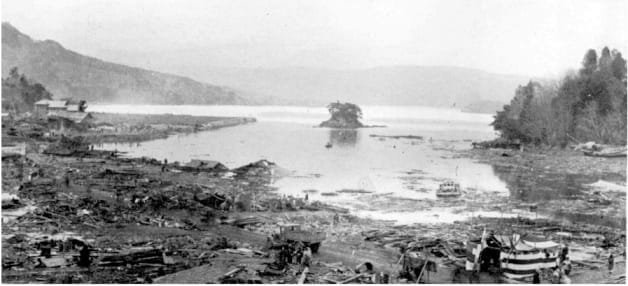
Its dramatic photographs and eyewitness testimonies continue to inspire caution and wonder, serving as a potent symbol of geological tumult and resilience.
Comparisons with Other Global Mega-Tsunamis
In the pantheon of great tsunamis, July 9, 1958, stands tall. Compared to the 2004 Indian Ocean tsunami or the 2011 Tōhoku disaster, the Fairweather Fault Tsunami was smaller in human toll but immense in geological significance.
It highlights the diverse mechanisms—earthquake, landslide, volcanic eruption—by which mega-tsunamis can be born, underscoring the complexity of predicting and mitigating their impacts.
The Ongoing Threat of the Pacific Northwest Faults
The Fairweather Fault is not alone in posing danger. Across the Pacific Northwest, faults like Cascadia and others harbor the potential for seismic rupture and subsequent tsunamis.
The lessons of 1958 echo in ongoing monitoring efforts, policy-making, and community preparedness aimed at reducing future human and environmental costs.
Geological Mysteries Still Unsolved
Despite decades of research, questions endure. What triggered the exact moment of the landslide? How do glacial conditions and climate affect fault stability? Could similar mega-tsunamis occur again in other fjords?
These mysteries spur continuing scientific inquiry at the intersection of climate change, geology, and oceanography.
A Call to Vigilance: The Importance of Historical Awareness
The Fairweather Fault Tsunami reminds us that beneath the visible calm of nature, powerful forces lie dormant—waiting, accumulating, ready to awaken. Understanding past disasters is crucial to predicting and preparing for future ones.
Communities, scientists, and governments share a responsibility to listen to these lessons etched in rock and water, shaping a safer coexistence with our restless planet.
Conclusion
The events of July 9, 1958, in Alaska’s Lituya Bay remain one of the most remarkable and instructive natural disasters in recorded history. This mega-tsunami, born from the violent dance of earth and water, shattered records and forever altered landscapes—and lives.
Yet beyond the staggering figures and geological marvels lies a deeply human story of survival, resilience, and learning. It is a narrative that speaks to our vulnerability but also our capacity to understand and adapt. As we face increasingly complex natural challenges in a changing world, the memory of the Fairweather Fault Tsunami stands as both warning and inspiration.
Nature’s fury can strike unexpectedly, but our preparedness and empathy can shape the survival not only of ourselves but future generations. It’s a lesson etched into the cliffs and waves of Lituya Bay—a story of earth’s power and human courage intertwined forever.
FAQs
1. What caused the Fairweather Fault Fjord Tsunami in 1958?
The tsunami was caused by a magnitude 7.8 earthquake along the Fairweather Fault, which triggered a massive landslide that plunged millions of tons of rock into Lituya Bay, displacing water and creating the mega-tsunami.
2. Why was the tsunami wave so high?
The confined shape of the fjord amplified the wave’s height. The massive landslide displaced large volumes of water suddenly and within a narrow bay, enabling the wave to reach a record-breaking run-up height of 524 meters.
3. How many people died in the tsunami?
Officially, two people lost their lives. Despite the event’s severity, the sparsely populated and remote area limited casualties.
4. How did survivors manage to escape such a devastating wave?
Some survivors were in boats within Lituya Bay. They escaped by riding out the wave or seeking refuge on debris. Eyewitness reports reveal moments of harrowing escape amid overturned vessels and turbulent waters.
5. What scientific advances resulted from studying this tsunami?
The event improved understanding of earthquake-triggered landslides and their potential to generate mega-tsunamis. It influenced seismic monitoring, coastal hazard assessment, and emergency preparedness in fjord regions worldwide.
6. Is the Fairweather Fault still active and dangerous today?
Yes, the Fairweather Fault remains active with potential for future earthquakes and tsunami generation, requiring ongoing monitoring and preparedness.
7. How is this tsunami remembered culturally in Alaska?
Besides scientific study, local indigenous communities have integrated memory of the tsunami into oral traditions, emphasizing respect for natural forces and vigilance toward environmental changes.
8. Could a similar tsunami occur elsewhere?
Yes. Any steep-sided fjord or coastal inlet with unstable slopes and seismic activity is at risk of similar landslide-triggered mega-tsunamis.