Table of Contents
- The Quiet Before the Fury: Life in Fiji Before September 1953
- The Geology Beneath the Waves: Understanding the South Pacific's Seismic Activity
- September 14, 1953: Dawn Shatters Calm Seas
- Earth’s Tremble: The Underwater Earthquake that Sparked the Tsunami
- The Wave Emerges: From Epicenter to Fijian Shores
- First Signs of Disaster: Coastal Alerts and the Growing Panic
- The Tsunami Strikes: A Story of Destruction and Survival
- Human Stories Amidst Nature’s Wrath: Eyewitness Accounts
- Immediate Responses: The Government and Community Mobilization
- Aid and Rescue: International Outreach and Local Efforts
- The Death Toll and Damage: Counting the Cost of Nature's Fury
- Reconstruction and Resilience: Rebuilding Fiji’s Communities
- Scientific Interest Sparked: The Impact on Seismology and Tsunami Studies
- Cultural Memory: The Tsunami’s Place in Fijian Oral Histories and Traditions
- Lessons Learned: Disaster Preparedness and Response in the South Pacific
- The Legacy of 1953: How Fiji’s Tsunami Shaped Regional Awareness
- Reflection: Humanity’s Fragile Place in an Unpredictable World
The Quiet Before the Fury: Life in Fiji Before September 1953
Fiji, an archipelago of over 300 islands scattered like sapphires across the South Pacific, was a place of serene beauty in early September 1953. The air was thick with tropical warmth, and daily life moved to the rhythm of the sea—a sea that was both giver and taker. Villages engaged in fishing, farming, and tranquil inter-island trade, while the colonial administration oversaw modest development under British rule. The islands’ lush greenery, vibrant coral reefs, and warm smiles concealed the invisible vulnerability that lay deep beneath their feet.
Families gathered by firesides recounting tales of gods and ancestors, blissfully unaware that nature was preparing a dramatic and violent reminder of its raw power. For the people of Fiji, the ocean was a friend, a source of sustenance and tradition. No one could envision that within days, that trusted ocean would become an agent of devastation.
The Geology Beneath the Waves: Understanding the South Pacific's Seismic Activity
Beneath the serene blue of the South Pacific runs a complex web of tectonic plates—dynamic, volatile, and perpetually in motion. The Pacific Plate, the Australian Plate, and smaller microplates interact violently along fault lines and subduction zones. These geological forces give birth to earthquakes and underwater landslides, often spawning tsunamis that sweep coastlines with little warning.
Fiji lies near the boundary between the Australian and Pacific Plates, making it particularly susceptible to seismic activity, though earthquakes there had historically been moderate. In 1953, seismology was still an emerging science, especially in the Pacific. Early detection systems and warning protocols were primitive at best. The inhabitants’ knowledge came from folklore and sporadic experience rather than scientific alertness.
Japan and Chile had recorded devastating tsunamis earlier, but in the South Pacific communities, the ocean’s fury was an abstract possibility, not an immediate threat.
September 14, 1953: Dawn Shatters Calm Seas
On the morning of September 14th, 1953, dawn broke with a deceptive stillness. Fishermen pushed out their boats, children laughed on the shore, and daily routines unfurled as usual. But beneath the ocean floor, a slow and terrible force was gathering. At approximately 6:42 a.m. local time, a massive earthquake ruptured along a subduction zone near the Tonga Trench, kilometers to the northeast of Fiji.
The shock was not felt strongly on land, which contributed to the confusion and lack of immediate alarm. However, deep underwater, the seafloor’s sudden displacement displaced trillions of tons of water, creating powerful waves racing outward at jetliner speeds.
Earth’s Tremble: The Underwater Earthquake that Sparked the Tsunami
Measured at a magnitude of around 7.9, the undersea quake was a colossal release of energy. Scientists later reconstructed that the seafloor had abruptly shifted upward by several meters along a fault line, forcing a massive wall of seawater to surge upward and outward.
The geological forces were humbling. The ocean, momentarily lifted like a great sheet of glass, began its fateful transformation into a monster wave. This event underscores geology’s cruel indifference: in mere minutes, it had altered the landscape of the seafloor, setting a natural disaster into unstoppable motion.
But this was only the beginning of the ordeal for the Fijian people.
The Wave Emerges: From Epicenter to Fijian Shores
From its birthplace near Tonga, the tsunami unleashed itself over hundreds of kilometers of ocean in less than an hour. Given the relatively short distance to Fiji—only a few hundred kilometers—the fastest waves were rushing toward the islands with almost no warning.
The ocean’s surface alternated between eerily calm troughs and towering peaks. The initial sign—unusual retreat of the sea—was misinterpreted by many as a curiosity, a blessing even, as fishermen ventured farther to investigate the oddly shallow waters.
What followed next was a force so immense and uncompromising it challenged the human spirit itself.
First Signs of Disaster: Coastal Alerts and the Growing Panic
Coastal towns in Fiji’s northern islands first noticed the strange tidal patterns. According to eyewitnesses, some villagers reported tremors and a sudden recession of the sea that exposed the usually submerged coral reefs. Local chiefs shouted warnings to prepare as the water began to roar back with a vengeance.
But without modern communication tools or a formal alert system, the message of impending disaster traveled slowly, confounded by disbelief and confusion. Some residents fled to higher ground, driven by instinct. Others remained, paralyzed by uncertainty, unwilling to abandon homes they had nurtured for generations.
The Tsunami Strikes: A Story of Destruction and Survival
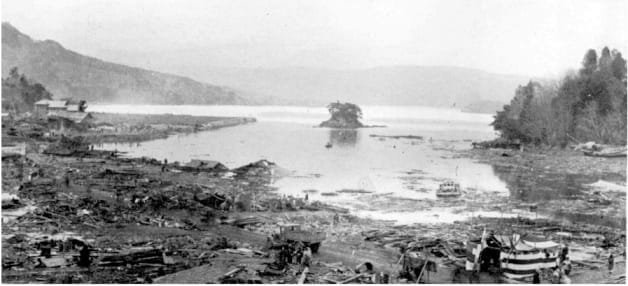
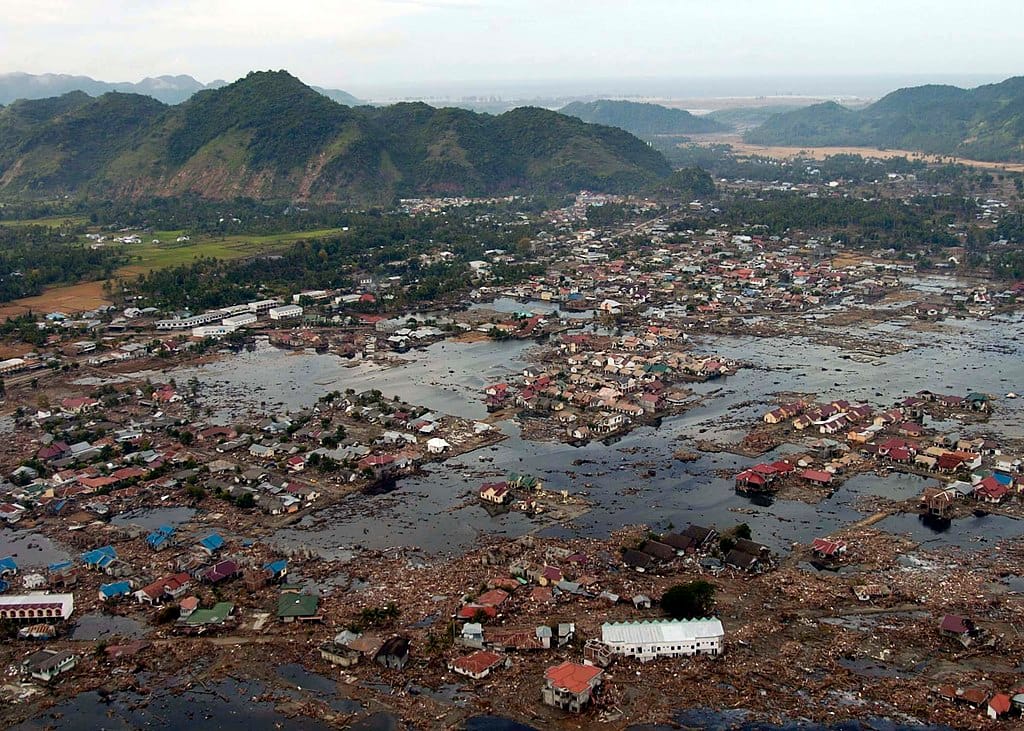
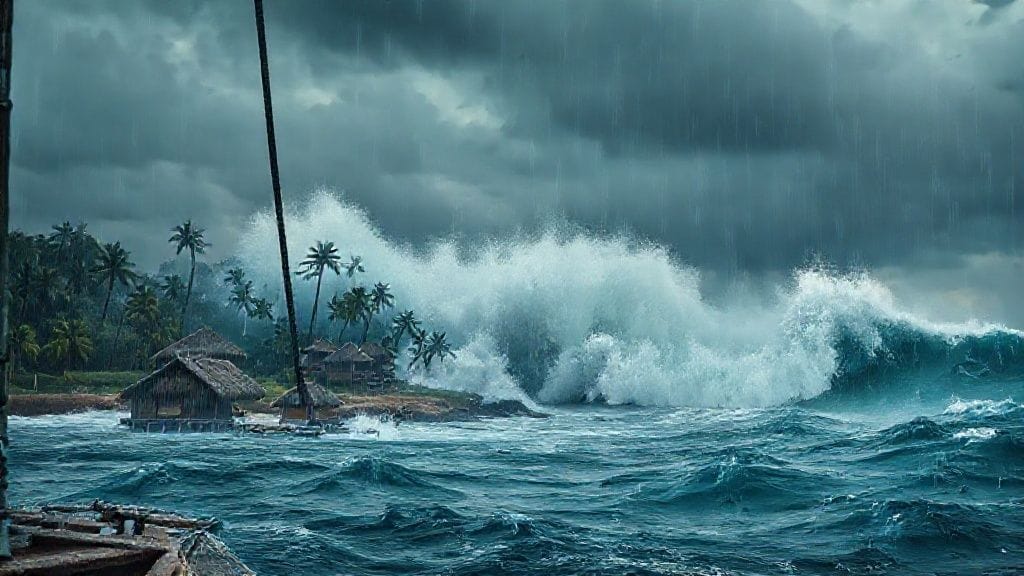
Moments later, the first towering wave crashed upon the shores with relentless force. It scoured coastlines, uprooted palm trees, demolished wooden huts, and tore apart fishing fleets. Entire villages were inundated, swept away in seconds.
Eyewitness accounts describe a roaring wall of water, darker than the ocean itself, swallowing land and life. One woman recalled clutching her children, running as the ground trembled beneath their feet — only to be overturned by the wave’s overwhelming power.
Yet, amidst the destruction, stories of courage and survival emerged. Some villagers climbed trees and hills; others floated on debris, relying on the sea’s mercy. The tsunami was indiscriminate but resilient human spirit flickered through this horror.
Human Stories Amidst Nature’s Wrath: Eyewitness Accounts
Mere words struggle to capture the raw terror of those moments. Josua Nawaikula, then a young fisherman on Vanua Levu, recounted how the sea retreated so far he could walk across the reef. “It felt like the sea was playing a trick… but when the wave came back, it was like the sky had fallen,” he recited in an interview decades later.
Another survivor, Mere Tawake, spoke through tears about losing her family home but miraculously escaping on a makeshift raft. These intimate narratives give flesh and blood to the catastrophe, reminding us that history is lived through human experience, not statistics alone.
Immediate Responses: The Government and Community Mobilization
In the hours and days following the tsunami, the colonial administration and local leaders faced an unprecedented crisis. Transportation was limited; many roads and communication lines were severed or unusable. Yet, community elders and officials quickly organized relief efforts.
Villagers shared what little resources they had, and makeshift shelters were established. The sense of solidarity was palpable—people who had lost everything banded together to survive.
International attention was slow to mobilize. The region’s remoteness and lack of media infrastructure delayed the arrival of external aid, underscoring the limitations of mid-20th-century disaster response in the Pacific.
Aid and Rescue: International Outreach and Local Efforts
Within weeks, aid began to trickle in from New Zealand, Australia, and some Western humanitarian organizations. Supplies of food, clothing, medical aid, and rebuilding materials arrived, providing crucial support.
Doctors treated injuries inflicted by debris and drowning, while engineers evaluated structural damages. Meanwhile, communities resumed their age-old rhythm, fortified by a deep commitment to rebuild what nature had stolen.
The response became a significant chapter in regional cooperation, eventually influencing later disaster management policies.
The Death Toll and Damage: Counting the Cost of Nature’s Fury
The official death toll settled at around 190 individuals, though some estimates suggest more were lost, especially in remote areas. Hundreds more were injured or displaced.
The economic damage was profound: fisheries destroyed, arable land salted by seawater, village infrastructure devastated. The island’s fragile economies, reliant on agriculture and fishing, were struck to their core.
Yet the statistics, large as they are, cannot fully chronicle the trauma—the loss of homes, traditions, and a sense of security the ocean had once symbolized.
Reconstruction and Resilience: Rebuilding Fiji’s Communities
In the months and years after the disaster, Fiji embarked on a slow but determined path to recovery. Village life adapted to new realities; homes were built higher and sturdier; ancestral knowledge mixed with emerging scientific understanding to promote safety.
The tsunami left scars in both landscape and memory, but it also ignited a spirit of resilience. Communities held vigils and commemorations, honoring those lost and reaffirming their bonds.
The rebuilding process became an inspiring testament to human endurance, patience, and communal solidarity.
Scientific Interest Sparked: The Impact on Seismology and Tsunami Studies
The 1953 Fiji tsunami did not just reshape the archipelago; it influenced global science. Researchers dispatched to analyze geological effects helped map fault lines and better understand tsunami wave propagation in island environments.
The event reinforced the need for improved warning systems in the South Pacific, paving the way for regional cooperation in monitoring seismic activity.
Though the technology was nascent, the tragedy underscored that preparedness could mitigate loss if knowledge and communication improved.
Cultural Memory: The Tsunami’s Place in Fijian Oral Histories and Traditions
In Fijian oral culture, storytelling preserves collective memory. The 1953 tsunami became woven into myths, songs, and legends, cautioning future generations about respecting and seeking harmony with the ocean’s moods.
Elders passed on warnings, emphasizing vigilance when the sea inexplicably recedes—a sign now etched deeply into community wisdom.
The disaster thus transcended mere history; it was etched into identity, teaching humility and respect toward nature’s unpredictable might.
Lessons Learned: Disaster Preparedness and Response in the South Pacific
The tsunami spurred gradual development of disaster preparedness in Fiji and neighboring islands. Emergency drills, elevated shelters, and community education programs sought to break the cycle of vulnerability.
Governments and NGOs collaborated to create early warning networks, improving dissemination of alerts. These measures have since saved countless lives in subsequent seismic events across the Pacific.
1953 was a painful but pivotal step toward safer shores.
The Legacy of 1953: How Fiji’s Tsunami Shaped Regional Awareness
While overshadowed by larger 20th-century catastrophes, the Fiji tsunami remains a foundational event in South Pacific disaster history. It highlighted the hidden dangers in a seemingly idyllic region and fostered a culture of vigilance and cooperation.
Decades later, when other tsunamis threatened the Pacific Rim, the lessons of 1953 held new significance. The event remains a somber reminder of natural forces beyond human control—and the necessity of respect, preparation, and unity.
Reflection: Humanity’s Fragile Place in an Unpredictable World
Standing today on a Fijian shoreline, it’s impossible not to feel the ocean’s timeless allure but also its latent threat. The 1953 tsunami teaches a profound lesson: that the earth’s mechanisms are majestic yet indifferent, reminding humanity of its fragility.
Yet, amid devastation, the human spirit’s tenacity and compassion shine brightest. The story of the Fiji tsunami is thus not just about destruction—it is a narrative of survival, memory, and hope.
Like the waves that lap gently now, history moves on, but beneath the surface lies the deep, enduring echo of that fateful day.
Conclusion
The Fiji tsunami of September 14, 1953, stands as a poignant testament to both nature’s unstoppable power and humanity’s resilience. From the initial seismic jolt beneath the ocean floor to the crushing waves that reshaped lives and landscapes, this event marked a turning point in how the South Pacific viewed and prepared for natural disasters.
The tragedy revealed the vulnerability of island communities yet illuminated their capacity for unity, courage, and adaptation. It provoked scientific inquiry that broadened understanding of seismic hazards and spurred early warning developments.
Most profoundly, the tsunami imprinted itself on Fijian culture and memory—a powerful reminder that while nature’s fury may come unpredictably, the human spirit’s will to rebuild and remember endures eternally. The legacy of 1953 carries lessons both sobering and inspiring, resonating far beyond the idyllic islands swept by that fateful wave.
FAQs
1. What caused the 1953 Fiji tsunami?
The tsunami was triggered by a powerful undersea earthquake of magnitude approximately 7.9 near the Tonga Trench, which caused a sudden uplift of the seafloor, displacing massive volumes of water.
2. How devastating was the tsunami in terms of human loss and property?
Approximately 190 people lost their lives, and many more were injured or displaced. The tsunami destroyed numerous villages, fisheries, and agricultural land, severely impacting Fiji’s economy and communities.
3. How did Fijian communities respond immediately after the tsunami?
Despite limited communication infrastructure, local leaders and villagers organized rescue and relief efforts. Communities shared resources and set up makeshift shelters while external aid gradually arrived.
4. What role did the 1953 tsunami play in advancing tsunami science and warning systems?
The disaster highlighted the need for better seismic monitoring and early warning networks in the South Pacific, catalyzing scientific studies and regional cooperation to improve preparedness and reduce future risk.
5. How is the 1953 tsunami remembered in Fijian culture?
The event is deeply embedded in oral histories, myths, and community teachings, serving as a cautionary tale about respecting the ocean and recognizing natural warning signs like an unusual sea recession.
6. Has Fiji experienced similar tsunamis since 1953?
While Fiji remains vulnerable to seismic activity, improvements in monitoring and community preparedness have mitigated the impacts of subsequent events. The 1953 tsunami remains a key historical reference for disaster management.
7. What lessons from the 1953 tsunami are relevant today?
The event underscores the importance of scientific vigilance, community education, robust infrastructure, and regional collaboration in disaster risk reduction—a lesson vital for island nations facing climate and seismic threats.
8. How did the international community respond to the disaster?
Aid came from nearby countries like New Zealand and Australia, alongside humanitarian organizations. Though initially delayed due to geographical remoteness, this support was crucial for relief and rebuilding efforts.