Table of Contents
- A Night of Shattering Silence: The Flores Earthquake Unfolds
- The Setting: Flores Island Before the Catastrophe
- Indonesia’s Geologic Volatility: The Ring of Fire’s Wrath
- The Magnitude and Mechanics of the 1992 Earthquake
- Moments of Impact: How the Ground Trembled on December 12
- The Immediate Human Toll: Losses and Survivors
- Stories from the Rubble: Personal Accounts and Testimonies
- The Response Begins: Local and National Emergency Efforts
- International Aid and Solidarity: The World’s Helping Hand
- Infrastructure Shattered: Roads, Buildings, and Lifelines Destroyed
- The Challenges of Rescue and Relief in a Remote Terrain
- Psychological Scars: Trauma and Resilience in Flores’ Communities
- Political Reactions and Government Policies Post-Disaster
- Rebuilding a Broken Island: Reconstruction and Development
- The Role of Science: Lessons Learned in Seismology and Preparedness
- The Long Shadow: Environmental Aftereffects of the Earthquake
- Cultural Memory: How Flores Remembers December 12, 1992
- Earthquake Preparedness in Indonesia: Signs of Change
- Regional Implications: Earthquakes Across the Indonesian Archipelago
- The Flores Quake in the Global Context of Disaster History
- Reflections on Vulnerability and Human Endurance
- Conclusion: Hope Rising from the Ruins
- FAQs: Understanding the Flores Earthquake
- External Resource
- Internal Link
1. A Night of Shattering Silence: The Flores Earthquake Unfolds
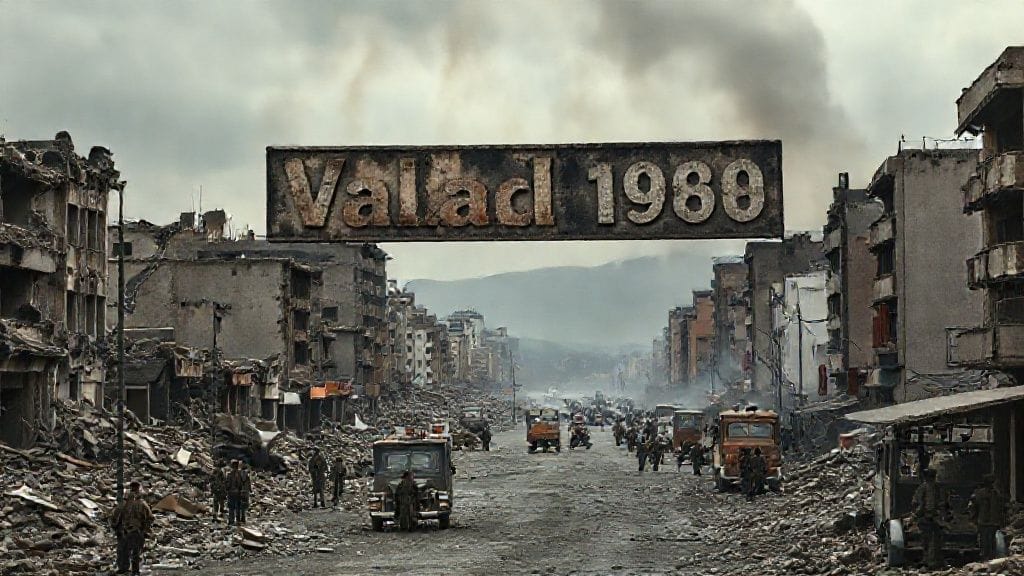
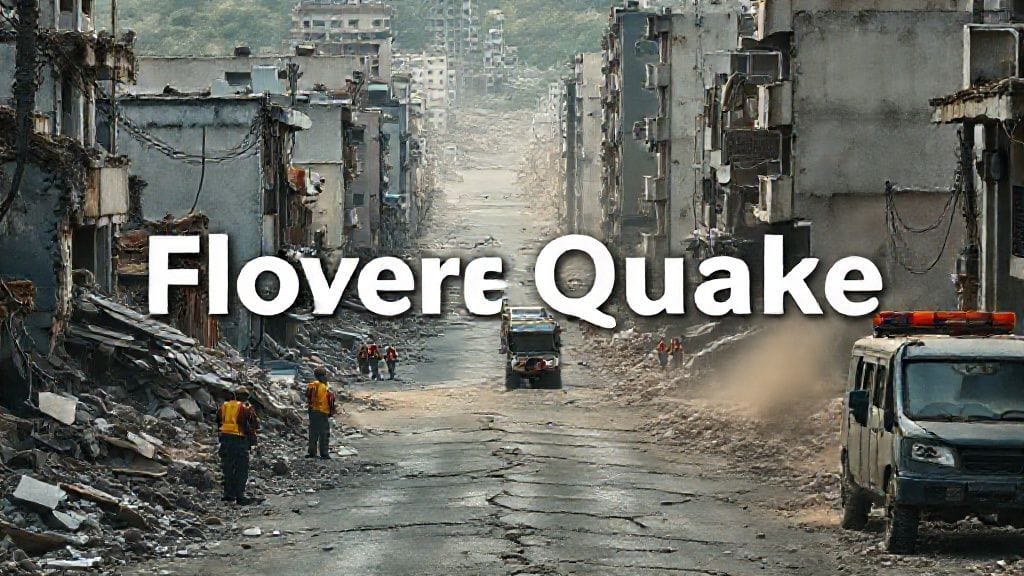
In the heart of the Indonesian archipelago, nestled between the bands of volcanic fire and restless tectonic plates, the night of December 12, 1992, was abruptly shattered by a violent roar. Suddenly, the ground beneath Flores Island convulsed with terrifying intensity. Houses collapsed, trees swayed like fragile reeds, and a deafening rumble drowned out the cries of terror that pierced the darkness. Children clung to their mothers, families were ripped apart in seconds, and the earth seemed to pulsate as if enraged—a raw, primal force unleashed that would change the lives of thousands forever.
Residents of the small villages scattered across the island awoke to a world turned upside down. Dust filled the air, fires sparked in the distance, and a once-peaceful landscape resembled a war zone. The Flores earthquake of 1992 was not just a natural event but a catastrophic moment seared into collective memory—an earthquake that would press Indonesia and its people to confront their vulnerabilities and resilience.
2. The Setting: Flores Island Before the Catastrophe
Flores, part of the Lesser Sunda Islands, is a land of striking beauty and cultural richness. Before the earthquake struck, the island thrived largely on agriculture, fishing, and small-scale trade, with its communities living in traditional wooden houses spread across mountainous terrains and coastal plains. The island's population was tight-knit, often bound by centuries-old customs and an intimate connection to the land.
Despite its serene appearance, Flores was geopolitically and geologically precarious. The island’s isolation lent it an aura of tranquility, but beneath the surface, fault lines shifted silently—foreshadows of the night to come. The communities here were living in relative poverty, with limited infrastructure and scant access to advanced emergency services, making them vulnerable to natural disasters of great force and unpredictability.
3. Indonesia’s Geologic Volatility: The Ring of Fire’s Wrath
Indonesia sits squarely on the Pacific “Ring of Fire,” a horseshoe-shaped zone of frequent earthquakes and volcanic eruptions caused by tectonic plate subduction. The region is one of the most geologically active in the world, where the Indo-Australian, Eurasian, and Pacific plates meet and collide.
This volatile setting fuels constant seismic activity. Prior to 1992, Indonesia had already endured catastrophic earthquakes and tsunamis, but Flores lay wedged in a particularly seismically active zone that had long foreshadowed catastrophe. The island’s position atop complex fault systems meant that earthquakes were not a question of if, but when—a grim inevitability etched in the ground itself.
4. The Magnitude and Mechanics of the 1992 Earthquake
On December 12, 1992, at approximately 17:29 local time, a powerful earthquake measuring 7.8 on the Richter scale struck near Flores. Originating from a shallow depth of approximately 15 kilometers, the quake was caused by thrust faulting along the Flores back-arc thrust fault system.
The earthquake’s magnitude made it one of the strongest recorded in Indonesia during the 1990s. The tremors radiated outward with devastating energy, causing intense ground shaking that lasted for nearly a minute. Importantly, this was not just a simple jolt but a series of violent oscillations that fractured the crust—from mountain tops to shoreline villages.
5. Moments of Impact: How the Ground Trembled on December 12
Witnesses recall a surreal moment when the earth heaved upward and then sank sharply, as if swallowed by an invisible monster. Cracks opened in roads, fissures appeared in the earth, and homes made of timber, brick, and stone splintered like matchsticks.
In Bajawa, one of the largest towns on the island, the earthquake caught residents just as they were finishing their day’s work. People stumbled in panic, searching for shelter amidst collapsing buildings and crowds running through streets alive with dust and fear. Not far off, along the coast, landslides buried entire hamlets under tons of earth, cutting off access and snuffing out the lives of many.
6. The Immediate Human Toll: Losses and Survivors
The human cost was staggering. Official figures estimate upwards of 2,500 dead, with thousands more injured—many seriously. In addition to those buried under rubble, a large number died from secondary effects, such as starvation and disease, exacerbated by the island’s isolation after the quake.
Countless families were shattered, widows grieved over the loss of children, and many survivors lost their homes and livelihoods overnight. The demographic shifts affected ethnic groups differently, with indigenous communities bearing the brunt of the damage due to their traditional dwellings’ vulnerability.
7. Stories from the Rubble: Personal Accounts and Testimonies
Among the many poignant stories, one stands out: Siti, a young mother from a village near Maumere, recounted how the quake struck during an evening gathering. “The ground moved like a wave, and suddenly, I was beneath fallen timber. I lost sight of my children. The fear was suffocating. But then, neighbors pulled me out, one by one, and we ran to safety.”
Another tale came from an elder, Pak Lasa, who witnessed an entire ridge give way: “The mountain roared and slid down into the river valley. Villages vanished in moments. It was as if the earth was swallowing us.”
These human voices transformed statistics into living memories, capturing the shock, terror, and enduring spirit of those who faced a calamity few could have foreseen.
8. The Response Begins: Local and National Emergency Efforts
In the chaotic hours following the earthquake, Flores’ local authorities mobilized narrowly improvized rescue and relief operations. Hospitals, many damaged or overwhelmed, struggled to treat the injured. Makeshift clinics emerged in open fields, while community leaders coordinated initial aid distribution.
At the national level, the Indonesian government dispatched military units and emergency teams, recognizing the scale of the disaster. Yet logistical challenges hampered rapid response. The island’s rough geography and damaged infrastructure slowed the delivery of essential supplies—a frustrating bottleneck amid growing desperation.
9. International Aid and Solidarity: The World’s Helping Hand
News of the Flores earthquake quickly resonated beyond Indonesia’s shores. Countries including Australia, Japan, and the United States offered aid, sending medical teams, food, tents, and technical assistance.
The International Red Cross and United Nations agencies mobilized to coordinate relief efforts, working alongside Indonesian officials. These international partnerships underscored the global solidarity often awakened in the aftermath of natural disasters.
However, the delivery of aid was fraught with difficulties—damaged roads, communication blackouts, and scattered communities made the process cumbersome and prolonged.
10. Infrastructure Shattered: Roads, Buildings, and Lifelines Destroyed
One of the most crippling effects of the earthquake was the near-total destruction of infrastructure. Bridges, roads, and communication lines were severed, complicating both rescue missions and everyday survival.
Critical facilities such as hospitals, schools, and government offices either crumbled or became structurally unsafe, pushing survivors into vulnerable, ad hoc shelters. The island’s agricultural economy was also devastated, with farmland buried under landslides or contaminated by saltwater intrusion after coastal upheavals.
11. The Challenges of Rescue and Relief in a Remote Terrain
Flores’ mountainous landscape, combined with the damage wrought by the quake, made access to many affected areas nearly impossible by conventional vehicles. Relief workers and volunteers often had to trek long distances on foot, carrying supplies to isolated villages.
The rainy season was approaching, and risks of further landslides loomed large, intensifying urgency. These conditions tested the endurance and ingenuity of both locals and aid organizations.
12. Psychological Scars: Trauma and Resilience in Flores’ Communities
Beyond physical destruction, the earthquake inflicted deep psychological wounds. Survivors experienced anxiety, grief, and nightmares—especially children who witnessed the trauma firsthand.
Traditional approaches to mental health were initially insufficient, but over time, community healing efforts grew. Local leaders, religious figures, and health workers helped survivors process their trauma, fostering resilience despite overwhelming loss.
13. Political Reactions and Government Policies Post-Disaster
The Flores earthquake forced Indonesian authorities to confront the need for improved disaster preparedness. President Suharto’s government faced criticism for the slowness of initial response but seized the catastrophe as a wake-up call.
New policies aimed at strengthening early warning systems, infrastructure standards, and community education were put forward in the following years. Though progress was gradual, Flores became a catalyst for broader national reforms in disaster risk management.
14. Rebuilding a Broken Island: Reconstruction and Development
Reconstruction efforts in Flores stretched over many years. Efforts balanced restoring homes and infrastructure with the challenge of building more resilient structures designed to withstand future earthquakes.
International aid flowed into the island in phases, supporting schools, health centers, and water supply systems. Local economies began to recover slowly, bolstered by government investments and renewed agricultural initiatives.
15. The Role of Science: Lessons Learned in Seismology and Preparedness
The 1992 Flores earthquake enriched scientific understanding of the region’s seismicity. Geologists identified fault behaviors more clearly and improved hazard mapping.
Research spurred advances in early warning technologies and community-based preparedness programs. Flores became a case study in how geological knowledge and public policy could intersect to reduce future risks.
16. The Long Shadow: Environmental Aftereffects of the Earthquake
Massive landslides altered river courses and destroyed habitats, impacting biodiversity on the island. Soils destabilized, risking erosion and affecting agriculture.
Marine ecosystems near the coasts also suffered from sedimentation and altered coastlines. These environmental changes compounded the challenges for local populations, entangling human survival with fragile ecological recovery.
17. Cultural Memory: How Flores Remembers December 12, 1992
In Flores, the earthquake remains etched in cultural memory. Annual commemorations, folk stories, and memorials honor the lives lost and celebrated communal solidarity.
Artists and writers have sought to capture the event’s emotional truths, ensuring each generation understands both the pain and the resilience born from disaster.
18. Earthquake Preparedness in Indonesia: Signs of Change
In the decades since Flores was shaken to its core, Indonesia has made strides in disaster readiness. Early warning systems, public education campaigns, and improvements in construction norms now mark a different approach.
While vulnerability remains—due to geography and growing populations—the Flores quake is often cited in training and policy discussions as a turning point.
19. Regional Implications: Earthquakes Across the Indonesian Archipelago
Flores was not the only site of seismic peril in Indonesia in the 1990s. The quake’s lessons spread across neighboring islands, influencing how other affected regions planned for emergencies.
Indonesia’s disaster landscape is a mosaic of challenges, with Flores standing as a somber but instructive chapter in the wider narrative.
20. The Flores Quake in the Global Context of Disaster History
Viewed globally, the Flores earthquake exemplifies a pattern seen in societies caught between natural fury and human fragility. It echoes other tragedies where geographic fortune intertwines with socioeconomic factors to shape human outcomes.
The event compels us to consider not only nature’s power but humanity’s responsibility to anticipate, respond, and rebuild.
21. Reflections on Vulnerability and Human Endurance
At its core, the Flores earthquake is a story of vulnerability. Landscapes and communities lay exposed to forces beyond control. Yet it is also a testament to endurance—human beings rising from ruins, reshaping futures, and finding hope amidst devastation.
Conclusion
The Flores earthquake of December 12, 1992, remains a haunting chapter in Indonesia’s history—a night when the earth itself seemed to revolt and tear apart the fabric of daily life. Yet, beyond destruction and loss, this seismic event revealed the profound resilience of a people bonded by culture, faith, and the determination to rebuild.
In the rubble and silence that followed, communities found new strength, and nations learned invaluable lessons about the fragile dance between human existence and the earth’s restless forces. The quake’s legacy is thus twofold: a sober reminder of nature’s might and an inspiring testament to human courage, compassion, and renewal.
FAQs
Q1: What caused the Flores earthquake in 1992?
A1: The earthquake was caused by thrust faulting along the Flores back-arc thrust fault system, related to tectonic plate movements in the highly active Pacific Ring of Fire.
Q2: How many people were affected by the earthquake?
A2: Approximately 2,500 people died, with thousands injured and many more displaced. The disaster deeply impacted Flores’ population both physically and psychologically.
Q3: How did the Indonesian government respond to the disaster?
A3: The government quickly mobilized military and emergency teams but was initially hampered by logistical challenges. The earthquake spurred reforms in disaster preparedness and response policies.
Q4: What role did international aid play after the earthquake?
A4: Countries such as Australia, Japan, and the US, along with international humanitarian organizations, provided medical aid, supplies, and technical support, playing a vital part in relief and reconstruction.
Q5: How did the earthquake affect the environment of Flores?
A5: The quake triggered massive landslides, altered river courses, and damaged marine and terrestrial ecosystems, complicating recovery for both humans and wildlife.
Q6: Has the experience of the 1992 quake influenced disaster preparedness in Indonesia?
A6: Yes, the Flores earthquake was a critical turning point leading to improved early warning systems, enhanced building codes, and increased public awareness of earthquake risks.
Q7: How is the earthquake remembered culturally on Flores today?
A7: Through annual memorials, oral histories, and artistic expressions, the earthquake remains a vivid and poignant part of Flores’ cultural memory, honoring those lost and celebrating collective resilience.
Q8: What scientific insights were gained from studying the Flores earthquake?
A8: The event improved understanding of local fault dynamics and seismic hazards, leading to better risk assessments and the development of regional early warning technologies.