Table of Contents
- The Quiet Morning Shattered: The Focșani Earthquake of May 30, 1990
- Romania’s Post-Revolution Landscape: A Nation on Edge
- Vrancea: The Seismic Heart of Romania
- The Science Behind the Shake: Understanding Vrancea’s Unique Geology
- The Day the Earth Moved: Chronology of the Focșani Earthquake
- Victims and Valor: Human Stories Amidst the Rubble
- The Immediate Response: Emergency Services and Community Efforts
- Infrastructure Under Strain: What the Earthquake Revealed About Romanian Urban Resilience
- Political Reverberations: The Earthquake in a New Romanian Democracy
- Economic Aftershocks: Damage Assessments and Recovery Costs
- The Role of International Aid and Collaboration
- Architectural Lessons: Construction Practices Before and After 1990
- Memory in Stone and Soul: Commemorations and Cultural Reflections
- Seismological Advances Post-1990: A Catalyst for Research
- Vrancea’s Legacy: Preparing Romania for the Future
- Comparing the 1990 Event with Past Vrancea Earthquakes
- Personal Testimonies: Voices That Echo Through Time
- Media Coverage and Public Perception of the Disaster
- Disaster Preparedness in Romania: Has It Changed?
- The Focșani Earthquake in Global Context: Lessons for Seismic Zones Worldwide
- Conclusion
- FAQs
- External Resource
- Internal Link
The Quiet Morning Shattered: The Focșani Earthquake of May 30, 1990
On an otherwise tranquil spring morning, as the sun lifted over Eastern Europe, the earth beneath Romania’s Vrancea region suddenly convulsed with an unseen fury. At precisely 7:37 AM local time on May 30, 1990, a powerful earthquake, registering a magnitude of 6.9 on the Richter scale, razed the fragile calm of Focșani and its environs. Buildings groaned and cracked; streets split as terror clutched the hearts of thousands. The vibration rippled through the Romanian landscape, reminding a young democracy of nature’s immutable force. This was no ordinary tremor — it was a stark awakening to the challenges Romania faced in balancing progress with nature’s unpredictability.
To understand the profound impact of the Focșani earthquake, one must absorb the atmosphere of a nation barely emerging from decades of communist grip. The winds of political change had swept Romania just months earlier, but stability remained elusive. And just beneath the ground, ancient tectonic plates had conspired to shake the country’s foundations, both literally and metaphorically.
Romania’s Post-Revolution Landscape: A Nation on Edge
The year 1990 was set against a backdrop of transformation and uncertainty. Only six months earlier, in December 1989, the Romanian Revolution toppled Nicolae Ceaușescu’s totalitarian regime in a swift and brutal upheaval. The euphoria of newfound freedom clashed with the daunting task of reconstructing a political, social, and economic order that had long suffocated under oppressive rule.
The sense of hope was tempered by fear: fear of the unknown, fear of economic collapse, and crucially, fear of dangers lurking beyond human control — natural disasters among them. The earthquake would stress-test this fragile new order in ways no one could have predicted.
Emerging civil institutions struggled to assert authority, healthcare and emergency services remained underfunded, and infrastructure was outdated after decades of neglect and ideological mismanagement. When the earth shook that May morning, these vulnerabilities would become tragically evident.
Vrancea: The Seismic Heart of Romania
For centuries, the Vrancea region in Eastern Romania has been known not just for its beautiful landscapes but as Romania’s seismic epicenter — an enigmatic hotspot where the Earth’s innermost plates interact in complex ways. Unlike conventional earthquake zones often found along mountain ridges or fault lines exposed at the surface, Vrancea’s seismicity is generated deep below, at depths between 70 and 160 kilometers — making tremors from this zone peculiar and potentially devastating.
Historically, Vrancea has produced some of the most powerful earthquakes to strike the Balkans, causing damage far beyond Romanian borders. From the mid-19th century through the 20th, the region’s subterranean rumblings have claimed thousands of lives and altered settlements.
Yet, the 1990 earthquake was different: it arrived in a moment when Romania was grappling with political change, making its effects both geophysical and symbolic.
The Science Behind the Shake: Understanding Vrancea’s Unique Geology
The Vrancea seismic zone rests where three tectonic plates converge: the Eurasian Plate to the north and west, the African Plate to the south, and the smaller continental chunks surrounding the Carpathian Mountains. What is distinctive here is the presence of a confined slab that subducts steeply beneath the region’s crust, buried deep within the mantle.
This slab’s movements generate periodic seismic events at intermediate depths — a rarity worldwide, which often results in ground shaking felt over thousands of square kilometers. The depth of the quakes means they don’t always cause immediate collapse at the epicenter but can impact distant cities with prolonged tremors.
Seismologists have long studied Vrancea to predict the timing and magnitude of its earthquakes, but the complex history of plate interactions makes exact predictions elusive.
The Day the Earth Moved: Chronology of the Focșani Earthquake
The exact moment was abrupt: Romania’s clocks marking 7:37 AM when the ground beneath suddenly roared. In villages and towns surrounding Focșani, people still performed their morning rituals. Coffee cups trembled on tabletops; windows rattled fiercely, and in a flash, buildings swayed ominously.
The earthquake lasted for approximately 30 seconds — an eternity for those caught inside collapsing structures or fleeing into open streets. Shocks radiated outward from the Vrancea zone, triggering secondary tremors felt as far away as Bulgaria, Hungary, and Ukraine.
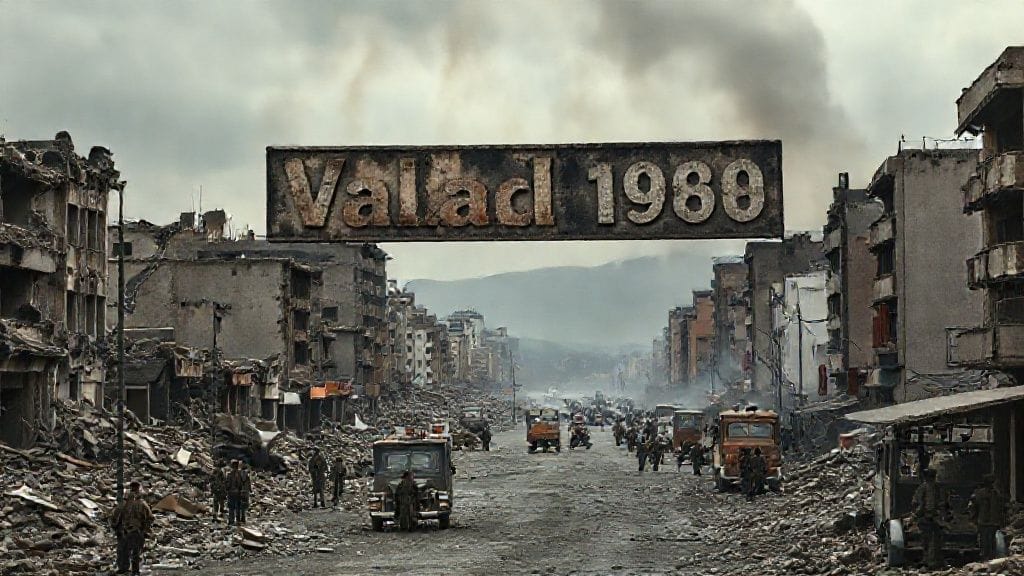
In Focșani itself, significant damage was reported: residential buildings showed cracks, older constructions suffered floor collapses, and several schools and hospitals reported structural injuries. Sadly, dozens lost their lives, while hundreds were injured.
This natural disaster reached far beyond bricks and mortar. It tested the capacity of emergency responders, ignited widespread panic, and stirred reflections on the country’s readiness for such catastrophes.
Victims and Valor: Human Stories Amidst the Rubble
Behind the statistics and damage assessments lie heart-wrenching stories of human resilience and tragedy. Elena, a schoolteacher, would forever recall the moment cracks zigzagged across her classroom walls. Amid screams and falling plaster, she shepherded children to safety, embodying courage under pressure.
Elsewhere, Mihai, a factory worker, lost his home but found an unlikely community amid shared grief and aid efforts. Their experiences echoed across the region: parents shielding children, neighbors pulling the injured from debris, and doctors fighting to save lives despite shortages.
These personal tales paint a vivid portrait of the earthquake’s emotional toll and the communal spirit that surfaced in response.
The Immediate Response: Emergency Services and Community Efforts
In a country still defining its emergency protocols, the earthquake’s aftermath was chaotic but marked by unprecedented mobilization. Firefighters, medical teams, and military units were dispatched rapidly, battling logistical challenges and communication breakdowns.
Local volunteers formed ad-hoc rescue groups, often working tirelessly through nights. Yet, the scale of destruction exposed weaknesses: inadequate equipment, poor coordination, and delays in reaching remote areas. Hospitals were overwhelmed; relief supplies struggled to arrive.
Nonetheless, the tenacity of Romanian citizens and responders provided a lifeline, earning international commendation even as shortcomings demanded reform.
Infrastructure Under Strain: What the Earthquake Revealed About Romanian Urban Resilience
Perhaps the most sobering impact was on infrastructure forged under socialist planning models, many of which lacked modern seismic safety standards. Apartment blocks constructed during the Ceaușescu era showed alarming vulnerability.
The earthquake also disrupted power grids, water supplies, and transport routes — amplifying the disaster’s human cost. Roads cracked, bridges swayed, and in some areas, utilities failed for days, complicating rescue operations.
This clear exposure of infrastructural fragility triggered urgent debates on urban planning, building codes, and retrofitting programs for earthquake-prone regions.
Political Reverberations: The Earthquake in a New Romanian Democracy
The Focșani earthquake arrived not merely as a natural calamity but also as a political stress test. The Ion Iliescu government, newly elected after the revolution, faced criticism over slow response and lack of preparedness.
Public dissatisfaction grew as images of destruction circulated, exposing the tension between raised democratic expectations and decades-long neglect of civil protection systems.
This calamity paradoxically galvanized political will, pushing authorities to strengthen institutions responsible for disaster management, yet also laid bare societal cleavages born from years of authoritarian isolation.
Economic Aftershocks: Damage Assessments and Recovery Costs
Economic damage was staggering, though precise figures varied due to record-keeping challenges in post-communist Romania. Estimated losses ranged in the hundreds of millions of US dollars, devastating local economies reliant on agriculture, small industry, and trade.
Reconstruction efforts strained national budgets already burdened by transition costs. International loans and aid provided temporary relief but underscored the deep need for modernization and investment.
Industries affected by infrastructural damage faced production halts, unemployment spikes, and diminished exports, setting back growth trajectories at a critical reform juncture.
The Role of International Aid and Collaboration
Romania’s post-earthquake appeal for assistance elicited a wave of international response. Neighboring countries and global powers dispatched experts, medical aid, and material support.
The quake fostered collaboration between Romanian seismologists and international research institutions, promoting data exchange crucial for future risk mitigation. Humanitarian organizations extended help, highlighting the growing interdependence in disaster response.
Still, bureaucratic hurdles and lack of experience in managing foreign aid complicated efforts — a learning curve Romania embraced with resolve.
Architectural Lessons: Construction Practices Before and After 1990
Before 1990, seismic considerations in Romanian architecture were minimal, especially in rural and peri-urban areas. The 1990 earthquake unraveled this complacency, spotlighting the dire consequences of substandard materials and lack of enforcement.
Post-quake reforms introduced stricter building codes and retrofitting requirements, revolutionizing construction practices over the following decades. The event became a grim but vital case study in balancing rapid urbanization with safety.
Architects and engineers advocated for innovations blending traditional Romanian building styles with modern resilience, a synthesis challenging yet crucial for cultural identity and human security.
Memory in Stone and Soul: Commemorations and Cultural Reflections
In the years following, memorials sprung up across Vrancea and Focșani, honoring lives lost and celebrating the heroism shown. Public ceremonies blended religious rites with civic remembrance, drawing communities together in shared mourning.
Literature and art also responded: poems, films, and exhibitions grappled with trauma and renewal, embedding the earthquake deep into Romania’s collective consciousness.
These commemorations serve not just as tributes but as continual calls to vigilance, reminding generations that the earth’s quiet moments may be deceiving.
Seismological Advances Post-1990: A Catalyst for Research
The Focșani earthquake accelerated Romania’s seismic research infrastructure. New monitoring stations were installed, data collection expanded, and academic partnerships multiplied.
Romanian scientists contributed to refining models of intermediate-depth seismicity, which remain critical not only for the Balkans but for understanding global tectonics.
This progress, built on tragic experience, symbolized hope: knowledge as a tool for prevention and protection.
Vrancea’s Legacy: Preparing Romania for the Future
Three decades on, the lessons of the 1990 earthquake remain vital. Disaster preparedness protocols are more robust, public awareness campaigns frequent, and urban planning increasingly informed by seismic risk.
Yet challenges persist: growing populations in vulnerable areas, aging infrastructure, and political shifts underscore the need for vigilance.
Vrancea endures as both a geographical enigma and a relentless teacher, demanding respect and preparedness from all who call Romania home.
Comparing the 1990 Event with Past Vrancea Earthquakes
Historically, Vrancea has unleashed powerful earthquakes, notably in 1940 and 1977, both leaving deep scars. The 1990 quake, though slightly less intense, arrived at a unique social moment.
Unlike violence of suppression or political upheaval, the earthquake was an equalizer — reminding Romanians that nature’s forces dwarf human conflicts and politics.
Comparisons also highlight technological and societal progress, as response mechanisms improved, memories lived on, and resilience deepened.
Personal Testimonies: Voices That Echo Through Time
Survivors’ narratives give voice to a sometimes overlooked facet of disaster: the psychological aftermath. Interviews with those who lived through the tremors reveal ongoing struggles with trauma but also remarkable stories of solidarity.
For instance, Ion, a retired miner, described how neighbors pooled resources for rebuilding, transforming destruction into community bonds.
These intimate accounts bring history alive, ensuring the earthquake’s legacy inhabits more than archives—it breathes in hearts.
Media Coverage and Public Perception of the Disaster
In a fledgling free press environment, the earthquake coverage was pioneering. Newspapers, radio, and early television broadcasts conveyed immediate updates, emotional stories, and government responses.
Media exposure was a double-edged sword: raising awareness and prompting action, while also fueling anxieties and criticism towards authorities.
This moment marked a shift in Romanian journalism—from state silencing to emergent watchdog, with disaster reporting at its forefront.
Disaster Preparedness in Romania: Has It Changed?
The legacy of Focșani’s quake is evident today in Romania’s increased focus on emergency preparedness — drills, education programs, and technical improvements.
Municipalities incorporate seismic risk in urban development plans, and public campaigns stress readiness.
Yet budget constraints and political instability occasionally hamper sustained efforts, reminding everyone that vigilance is an ongoing commitment.
The Focșani Earthquake in Global Context: Lessons for Seismic Zones Worldwide
Vrancea’s 1990 earthquake offers lessons beyond Romania’s borders. It exemplifies how emerging democracies contend with natural disasters amidst political transition.
It also highlights the complexities of intermediate-depth quakes—rare globally but potent—urging the international community to prioritize monitoring and preparedness in similar zones.
Human stories from Focșani become universal testimonies of resilience, adaptation, and the power of collective recovery.
Conclusion
The Focșani earthquake of May 30, 1990, was much more than a seismic event measured in Richter points and aftershocks. It was a profound baptism by fire for a nation in rebirth, laying bare vulnerabilities but also awakening an enduring spirit of resilience.
Romania’s ground shook, its people wept and rebuilt, its institutions reformed, and its scientists redoubled their efforts. This earthquake remains an indelible chapter—where natural forces met human determination, where destruction seeded hope, and where the earth’s deep mysteries challenged a country to grow stronger.
Remembering Focșani is remembering the human capacity to face the unforeseen, to adapt with grace, and to cherish the fragile yet beautiful shelter we all inhabit: the Earth.
FAQs
Q1: What causes earthquakes specifically in the Vrancea region?
A1: Vrancea's earthquakes are caused by an intermediate-depth subduction zone where a tectonic slab descends steeply beneath Romania’s crust. This geological setup is rare and produces deep seismic activity felt over large areas.
Q2: How severe was the damage caused by the 1990 Focșani earthquake?
A2: The earthquake caused significant structural damage in Focșani and surrounding areas, including collapsed buildings, utility failures, and numerous casualties. Economic losses were estimated in the hundreds of millions of dollars.
Q3: How did the 1990 earthquake affect Romanian politics?
A3: The earthquake exposed the young democratic government’s weaknesses in disaster management, fueling public criticism but also prompting reforms in emergency response and civil protection.
Q4: What was the role of international aid following the earthquake?
A4: International aid brought vital medical support, expertise, and resources, facilitating relief efforts and fostering collaborative research, although logistical challenges complicated aid distribution.
Q5: Have building codes in Romania changed since the earthquake?
A5: Yes, post-1990 reforms introduced stricter seismic safety standards for new constructions and retrofitting existing structures, changing the architectural landscape to improve resilience.
Q6: How is the Focșani earthquake remembered culturally?
A6: Through memorials, annual commemorations, literature, and public education, the earthquake remains part of Romania’s collective memory as a symbol of tragedy and resilience.
Q7: Are earthquakes in Vrancea still a threat today?
A7: Yes, Vrancea remains Romania’s most active seismic zone, requiring ongoing monitoring and preparedness to mitigate future risks.
Q8: What lessons from the Focșani earthquake apply worldwide?
A8: The event underscores the necessity for countries, especially those in politically transitional phases, to prioritize disaster preparedness, implement strong building codes, and foster community resilience.