Table of Contents
- The Dawn of November 1, 1755: A Deafening Roar from the Deep
- The November Earthquake: The Trigger Hidden Beneath the Waves
- The Bay of Biscay: Geography and Vulnerabilities
- Coastal Towns before the Disaster: Life on the Edge of the Atlantic
- The Tsunami’s Arrival: Chaos Unfolds Along the French Atlantic Coast
- Eyewitness Accounts: Voices from the Storm
- The Physical Devastation: Destruction of Infrastructure and Lives
- The Broader Context: The Enigmatic Lisbon Earthquake Link
- How France Reacted: The Immediate Humanitarian Crisis
- Scientific Understanding of the Tsunami in the 18th Century
- The Socioeconomic Repercussions for the Region
- Myths, Legends, and Folk Memory: Cultural Reflections on the Wave
- The Evolution of Tsunami Hazard Awareness in France
- Lessons from the Past: The 1755 Event in Modern Risk Management
- The Tsunami’s Place in Atlantic and European Natural History
- Conclusion: Echoes of a Forgotten Disaster
- Frequently Asked Questions
- External Resource
- Internal Link
The morning of November 1, 1755, broke over the Atlantic coast of France with an eerie calm—a deceptive serenity soon to be shattered by forces from the depths. Without warning, an immense wall of water surged ashore, swallowing villages, uprooting lives, and leaving a scar on the collective memory of a region long married to the rhythms of the sea. This was not merely a storm — it was a terrible tsunami born out of one of the most powerful seismic events in recorded history. Though the great Lisbon earthquake dominates attention, the French Atlantic coast, especially along the Bay of Biscay, endured its own cataclysm that morning. Here begins the story of the 1755 France Atlantic Coast Tsunami, a forgotten chapter in the geography of disaster, one whose ripples extend well beyond immediate destruction.
1. The Dawn of November 1, 1755: A Deafening Roar from the Deep
It was All Saints’ Day—Toussaint in French—a day of reflection and reverence, when families gathered in solemn remembrance. The sun rose gently over the Bay of Biscay, casting a deceptive warm glow upon the fishing villages and bustling ports. But beneath the placid horizon, the Earth was preparing to unleash fury. At approximately 9:30 a.m., a colossal earthquake struck, centered not far from the western Iberian Peninsula. While the tremors were felt most dramatically in Lisbon, tremors propagated relentlessly beneath the Atlantic Ocean, awakening hidden faults along the continental shelf.
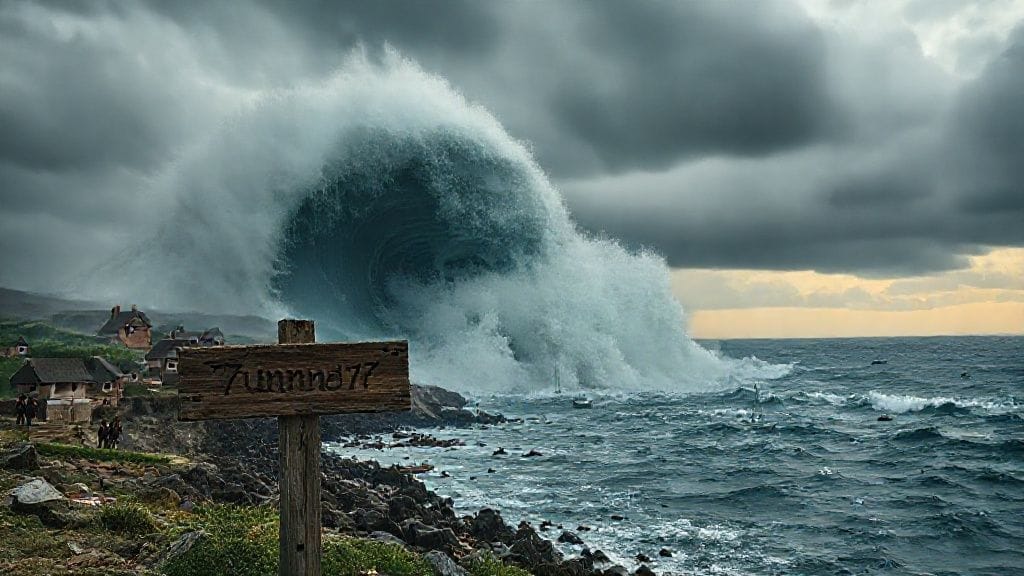
For the inhabitants along the French Atlantic coast—from Rochefort to Bordeaux and beyond—the first sign was a sudden, unnatural withdrawal of the sea—a moment of breathless terror. The ocean retreated several hundred meters, exposing the seabed and leaving boats stranded in mud. Moments later, mighty waves, some reportedly ten meters high, charged toward the shore with devastating force. The deafening roar of water surging through the streets mingled with screams and the crumbling of buildings, as centuries-old wooden piers, churches, and homes were swept away in minutes. It was nature's brutal reminder of its ephemeral dominion.
2. The November Earthquake: The Trigger Hidden Beneath the Waves
The primary cause of the tsunami was the monumental 1755 Lisbon earthquake, an event whose power remains the subject of scientific awe and mystery. Estimated at a magnitude between 8.5 and 9.0, the quake originated in the Azores-Gibraltar fault system, a dynamic tectonic boundary along the western edge of the Eurasian and African plates. The violent shifting of the Earth's crust caused an undersea landslide in the Bay of Biscay. This geological upheaval thrust water upwards and created a massive tsunami that propagated northwards along the coasts of Portugal, Spain, and France.
The French Atlantic coast, particularly the Bay of Biscay region, was geographically vulnerable due to its funnel-shaped bays and gently sloping continental shelves that amplified the wave’s height. This natural configuration magnified the impact, ensuring coastal communities would bear the brunt of this aquatic assault.
3. The Bay of Biscay: Geography and Vulnerabilities
The Bay of Biscay, stretching from the French Basque Country to the northern Spanish coast, is a vast, rocky, and often tempestuous marine expanse. Known for its volatile weather and strong tides, it had long been both a resource and a peril for fishermen and merchants alike. The coastline of southwestern France forms a series of estuaries and inlets—ideal for bustling ports like La Rochelle, Rochefort, and Bayonne.
However, these same geographic features also functioned as amplifiers of tsunami waves. The wide continental shelf that extends offshore suddenly slopes upwards, focusing wave energy onto narrow shorelines. In places like the Charente-Maritime and Gironde departments, low-lying marshlands and tightly packed villages offered little defense against the advancing surge.
4. Coastal Towns before the Disaster: Life on the Edge of the Atlantic
In 1755, the French Atlantic coast was a patchwork of thriving port cities, fishing villages, and agricultural communities deeply connected to the sea. Ports such as La Rochelle were bustling hubs of commerce, exporting wine, salt, and colonial goods to international markets. Ships dotted the harbors; fishermen hauled in rich catches; markets buzzed with life.
Yet, life here was not without hardship. The interdependence on the sea carried constant risk—a fragile balance of livelihood and vulnerability. Storms were frequent visitors, and tsunamis, though far rarer, were a barely whispered threat from old folk tales passed down through generations. On that fateful morning, all these lives were unexpectedly displaced by the colossal force surging from beneath the waves.
5. The Tsunami’s Arrival: Chaos Unfolds Along the French Atlantic Coast
After the initial earthquake tremors, the sea recoiled violently. Eyewitnesses would later describe how the water vanished as if sucked into some invisible abyss. This eerie stillness was followed by a terrifying crescendo: monstrous waves tearing back onto the land. Some waves reached up to 10 meters in height, crashing into docks, sweeping away boats, inundating fields, and flooding villages.
One contemporary account from the small port of La Rochelle describes how, “in the blink of an eye, the sea devoured the wharfs. Men, women, and children fled with screams as their houses groaned and cracked.” In Bordeaux’s estuary, the water surged twenty kilometers upriver, destroying bridges and flooding the quays. Farther north, fishing communities vanished or were severely damaged. The tsunami extended for dozens of kilometers along the coast, sparing almost no settlement.
6. Eyewitness Accounts: Voices from the Storm
While the event predates widespread journalism, the tsunami was recorded in letters, official documents, and oral histories passed down through families. These testimonies reveal the human dimension of the catastrophe.
A fisherman from Rochefort recounted: “We looked out to sea, and the water disappeared entirely. Then, like the wrath of the ocean god, the waves came roaring back with the force of a thousand horses. We lost many that day, and everything was gone.”
Church records describe mass burials, as entire families vanished beneath the waves. In some areas, survivors spoke of miraculous escapes—people clinging to driftwood or climbing onto church towers to escape floodwaters.
7. The Physical Devastation: Destruction of Infrastructure and Lives
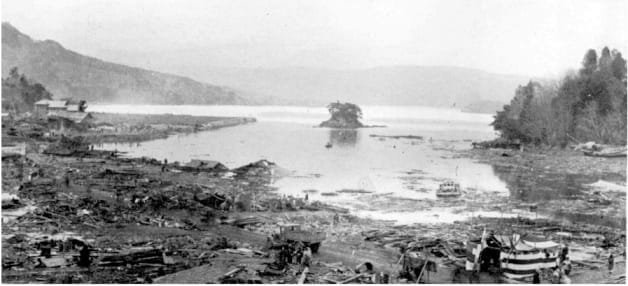
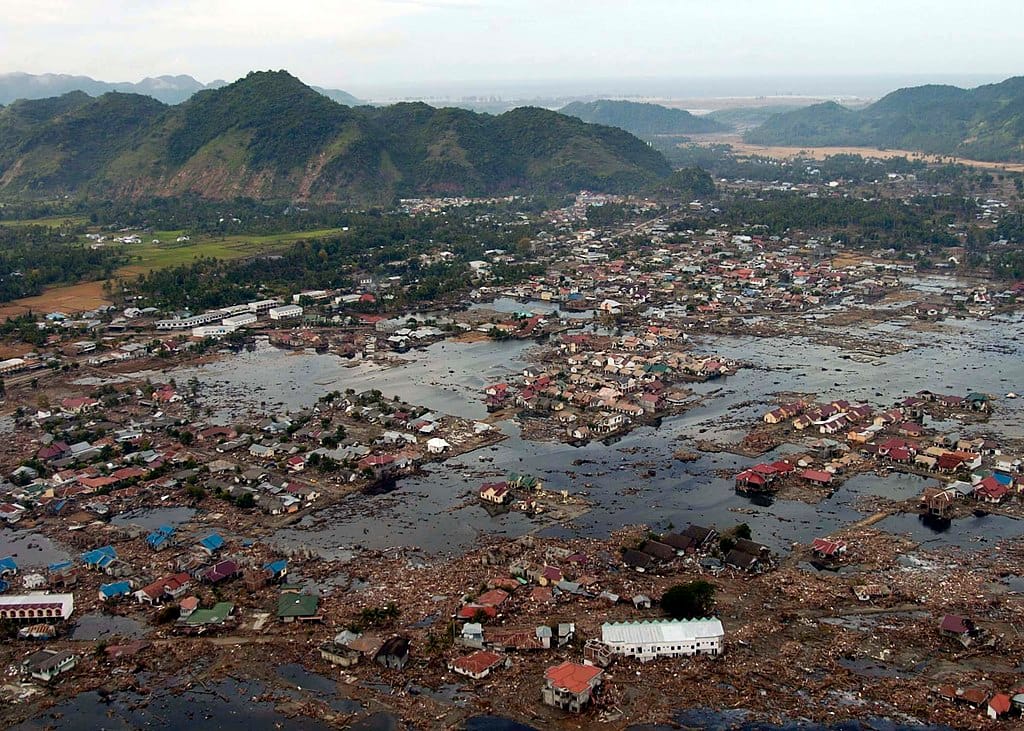
The damage was extensive. Town piers and docks that took years to build were broken apart, ships were torn from moorings or crushed. Wine cellars, salt works, and warehouses along the ports were flooded, ruining goods destined for distant markets. The roads and bridges connecting coastal towns were washed away.
Casualty numbers remain uncertain, but estimates suggest hundreds perished in France alone, with many more injured or displaced. The psychological trauma etched itself deeply onto these communities, many of which struggled to rebuild for decades.
8. The Broader Context: The Enigmatic Lisbon Earthquake Link
The French Atlantic tsunami is inextricably linked to the 1755 Lisbon earthquake, which shocked the entire European continent. The Lisbon catastrophe was among the deadliest earthquakes in history, with an estimated death toll of 60,000 to 90,000.
Yet while Portugal bore the brunt of the earthquake's direct damage, the tsunami emphasized how interconnected coastal nations were at the mercy of oceanic forces. France's experience revealed the transnational consequences of seismic events in the Atlantic realm.
9. How France Reacted: The Immediate Humanitarian Crisis
The French crown and local authorities faced a daunting challenge. Emergency relief was provided as best as could be mustered—food, shelter, and medicine were delivered to afflicted towns, though logistical limitations slowed aid. Rural communities sheltered displaced families for months.
Churches and charitable organizations mobilized, underpinning the social fabric against despair. For many, faith was both solace and a framework to understand such calamitous events, fueling theological debates about divine wrath versus natural catastrophe.
10. Scientific Understanding of the Tsunami in the 18th Century
In 1755, science was on the cusp of modernity but still lacked comprehensive comprehension of earthquakes and tsunamis. Many interpreted the tsunami as a sign of divine punishment—a belief echoed by Voltaire and other Enlightenment thinkers who grappled with reconciling natural disasters with human ethics.
Some early natural philosophers began theorizing about submarine earthquakes and wave propagation, laying groundwork for future seismology. Yet, in France and Europe more broadly, the tsunami was largely seen through a lens of superstition mingled with nascent scientific curiosity.
11. The Socioeconomic Repercussions for the Region
The tsunami disrupted trade and agriculture by salinizing farmland and reducing fishing stocks. Economic hardships followed, especially for port economies dependent on maritime commerce. Over time, some small harbors declined due to repeated damage or shifting river mouths altered by sedimentation caused by the waves.
Population displacement contributed to demographic shifts, with migrations toward inland towns. Reconstruction demanded new investment, placing strain on already fragile economic conditions in southwestern France.
12. Myths, Legends, and Folk Memory: Cultural Reflections on the Wave
Long after the waters receded, the memory of the tsunami endured in folklore. Legends spoke of angry gods, sea monsters, and cosmic retribution. Coastal communities preserved oral narratives to warn future generations.
In some Breton and Basque tales, mysterious figures, sometimes described as “ghost ships” or “sea spirits,” were said to have appeared before the flood, as omens. These stories preserved the emotional truth of the catastrophe even as their factual details blurred into the realm of myth.
13. The Evolution of Tsunami Hazard Awareness in France
Though largely forgotten in mainstream history, the 1755 event influenced coastal defense strategies. Over the centuries, mapping of tsunami-prone areas improved, and the scientific community began to recognize the Mediterranean-Atlantic seismic risks.
By the 20th century, French authorities integrated tsunami hazard assessments into maritime safety protocols. Today, coastal early warning systems exist, a testament to lessons absorbed from this historical disaster.
14. Lessons from the Past: The 1755 Event in Modern Risk Management
The France Atlantic Coast tsunami of 1755 teaches modern societies about vulnerability and resilience. Studying this event encourages awareness that seismic and oceanic threats are not confined to traditionally “active” zones like the Pacific Rim.
Through historical analysis, communities learn the importance of preparedness, communication, and infrastructure adapted to natural calamities—principles vital in an era facing climate change and rising sea levels.
15. The Tsunami’s Place in Atlantic and European Natural History
One of the largest known Atlantic tsunami events, the 1755 wave is a critical link in understanding geological processes shaping the European continental margin. Its ripples extended beyond physical destruction—shaping intellectual debates, cultural memory, and shaping policies long after the waters boiled back to calm.
The Bay of Biscay tsunami remains a poignant reminder of nature’s unpredictable power along Europe’s western frontier.
Conclusion
The France Atlantic Coast tsunami of November 1, 1755, is more than a footnote to the Portuguese catastrophe—it is a story of human tenacity and vulnerability, etched into the heart of communities living by the sea. The violent meeting of earth’s tectonics with the depths of the Atlantic carved a moment of profound loss and awakening across France’s Bay of Biscay.
Yet, from destruction emerged resilience; from fear, understanding. This event echoes through time as an indispensable chapter in the history of natural disasters—a reminder that history’s greatest lessons often lie beneath the waves, waiting to resurface in the human stories they touch.
FAQs
Q1: What caused the France Atlantic Coast tsunami of 1755?
The tsunami was triggered by the massive November 1, 1755, Lisbon earthquake, which caused undersea landslides in the Bay of Biscay, leading to powerful waves hitting the French Atlantic coast.
Q2: Which areas of France were most affected?
Regions along the Bay of Biscay—including the ports of La Rochelle, Rochefort, Bordeaux, and surrounding coastal villages—experienced the greatest damage from the tsunami.
Q3: How many people died in the tsunami?
Exact numbers are unknown, but estimates suggest several hundred people died along the French coast, with many more displaced or injured.
Q4: Was the tsunami predicted or understood at the time?
No. In 1755, scientific knowledge of tsunamis was minimal. Many saw such events as divine punishment rather than natural phenomena.
Q5: Did the tsunami change maritime practices in France?
Over time, yes. The event contributed to increasing awareness of coastal hazards, ultimately influencing risk management and coastal defense strategies.
Q6: How is the tsunami remembered today?
While overshadowed by the Lisbon earthquake, the tsunami persists in local folklore, historical documents, and scientific studies as a significant natural disaster in French history.
Q7: Are tsunamis common along the French Atlantic coast?
Tsunamis are rare but possible due to seismic activity in the Atlantic fault zones. The 1755 event remains the most significant recorded occurrence.
Q8: What can we learn from the 1755 tsunami today?
It highlights the importance of preparedness in coastal regions, the interconnectedness of natural disasters across borders, and the need for improved scientific understanding of oceanic hazards.