Table of Contents
- Introduction
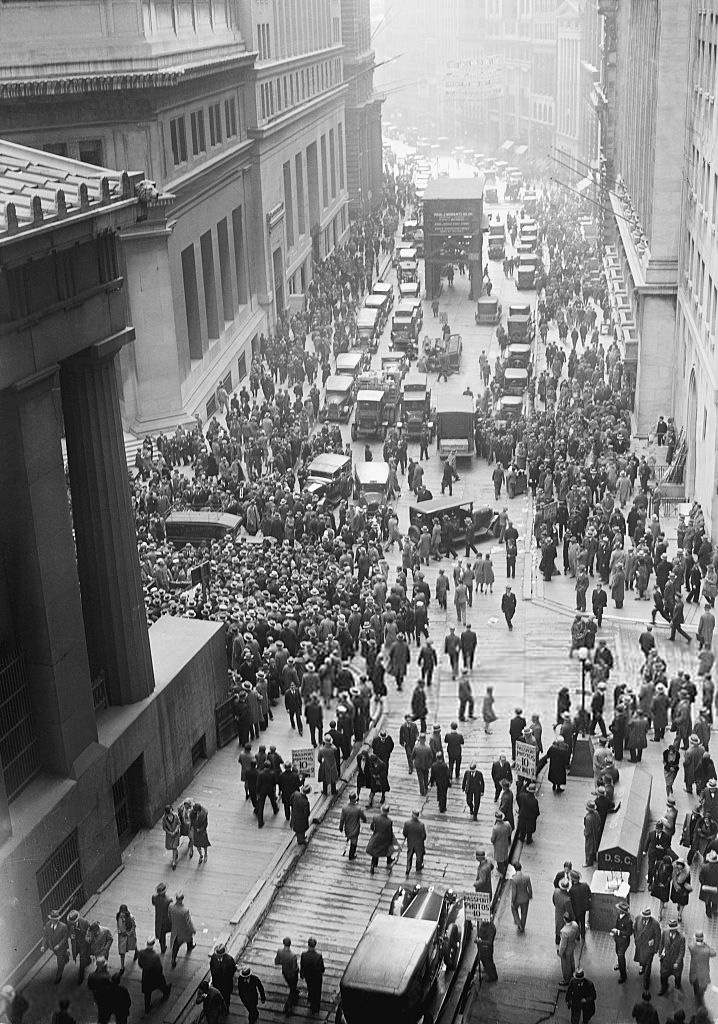
- Background: The Crash of 1929
- Rising Unemployment and Bank Failures
- The Nation at a Standstill
- March 6, 1933: A Country on the Edge
- Roosevelt’s Emergency Measures
- The New Deal’s Early Steps
- Public Reaction and Hope
- Long-Term Recovery
- Legacy of the Great Depression
- Conclusion
- External Resource
- Internal Link
1. Introduction
By early 1933, the United States stood on the precipice of total economic collapse. On March 6, President Franklin D. Roosevelt declared a national bank holiday, pausing all banking operations. This day marked the peak of the Great Depression, a crisis that left over 25% of Americans unemployed and eroded trust in financial institutions.
2. Background: The Crash of 1929
✔️ Triggered by over-speculation and stock market bubbles
✔️ October 29, 1929—Black Tuesday—saw the market crash
✔️ Massive losses wiped out fortunes and savings overnight
The crash exposed a fragile financial system built on excessive credit and optimism.
3. Rising Unemployment and Bank Failures
✔️ Joblessness soared, peaking above 25% in 1933
✔️ Over 9,000 banks failed between 1930 and 1933
✔️ Entire communities were left without access to their money
Americans were disillusioned, scared, and desperate.
4. The Nation at a Standstill
✔️ Industrial production fell by nearly 50%
✔️ Farm incomes collapsed
✔️ Breadlines and Hoovervilles became symbols of despair
Economic paralysis gripped every sector.
5. March 6, 1933: A Country on the Edge
✔️ FDR’s first major act as president was to halt banking activity
✔️ Prevented further bank runs and withdrawals
✔️ Gave the government time to inspect and stabilize banks
This bold move began the slow rebuilding of public trust.
6. Roosevelt’s Emergency Measures
✔️ Passed the Emergency Banking Relief Act
✔️ Reopened solvent banks under federal supervision
✔️ Launched fireside chats to reassure the public
FDR’s swift actions prevented a deeper collapse.
7. The New Deal’s Early Steps
✔️ Established the CCC, TVA, and other agencies
✔️ Focused on relief, recovery, and reform
✔️ Created millions of jobs and built essential infrastructure
It was an ambitious plan to reshape the economy and restore hope.
8. Public Reaction and Hope
✔️ Americans responded positively to Roosevelt’s leadership
✔️ Deposits returned to banks after the holiday
✔️ National morale slowly began to rise
A sense of optimism returned—however fragile.
9. Long-Term Recovery
✔️ Recovery was uneven and slow throughout the 1930s
✔️ World War II ultimately ended the Depression economically
✔️ Many New Deal programs laid groundwork for modern welfare
The crisis taught hard lessons about regulation and resilience.
10. Legacy of the Great Depression
✔️ Transformed U.S. economic policy and government roles
✔️ Inspired social security and financial regulation reforms
✔️ Solidified presidential power in times of crisis
The 1933 peak wasn’t the end—but the beginning of fundamental change.
11. Conclusion
March 6, 1933 stands as a pivotal moment in U.S. history. It marked the nadir of the Great Depression, but also the start of America’s determined climb out of despair. Thanks to decisive leadership and collective will, the country began to move forward again.
12. External Resource
🌐 Wikipedia – Great Depression in the United States