Table of Contents
- A Dawn Wrapped in Steam: Istanbul’s Massage Bath Rituals in 1600
- The Ottoman Empire at the Threshold of the 17th Century
- The Cultural Roots of Bathing: From Roman Thermae to Ottoman Hammams
- Istanbul: A City of Spices, Sultans, and Steam
- The Architecture of Ritual: Designing the Ottoman Hammam
- The Art of the Massage Bath: Techniques and Traditions
- Social Melting Pot: The Hammam as a Space of Interaction
- Gender and the Bath: Private Rituals, Public Spaces
- Medicine and Mysticism: Healing Waters and Massage Therapies
- Economic Impacts: Hammams as Centers of Commerce and Society
- The Role of the Hammam in Ottoman Court Life
- The Ottoman Hammam and Its Influence Across the Mediterranean
- Challenges and Critiques: Hygiene, Morality, and Change
- The Rituals in Literature and Travelogues of the Era
- Consequences for Urban Life: Hammams and the Social Fabric
- Decline and Transformation: The Hammam Beyond the 17th Century
- Echoes into Modernity: Legacy and Revival of Ottoman Bathing Rituals
- Conclusion: The Lasting Steam of Istanbul’s Massage Bath Rituals
- Frequently Asked Questions
- External Resources
- Internal Link
1. A Dawn Wrapped in Steam: Istanbul’s Massage Bath Rituals in 1600
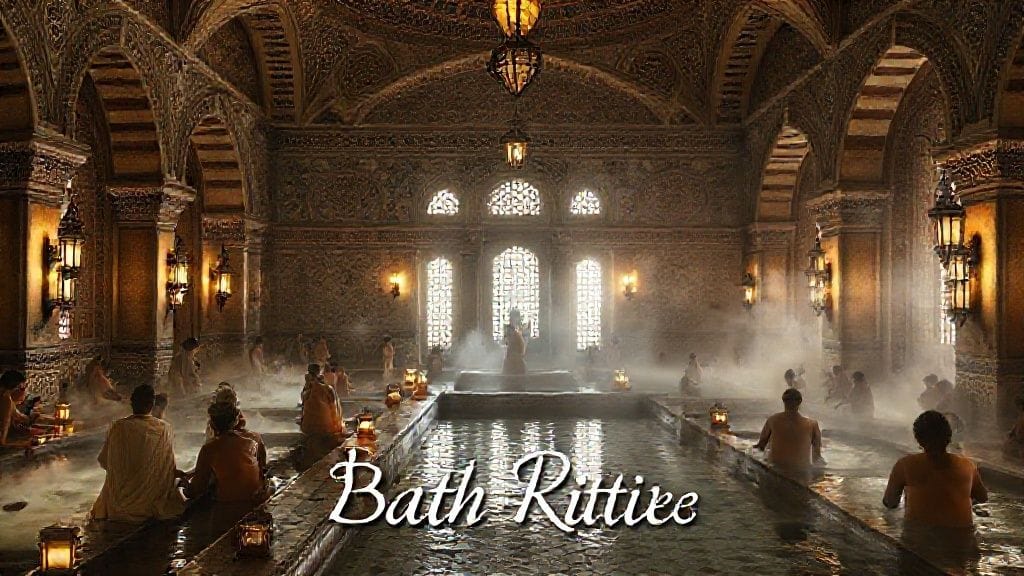
In the heart of Istanbul, at the turn of the 17th century, an ethereal haze hovered beneath domed ceilings, carrying the mingled scents of rosewater, eucalyptus, and warmed soap. The air was thick with steam, shadows dancing in this sanctuary where flesh met fire, water embraced weary muscles, and whispered conversations floated like incense. Here, in the softened light of the hammam, the ancient art of the massage bath ritual was not merely a bodily cleanser but a profound cultural performance—an intersection of health, social life, and spirituality.
Picture a crowded street alive with the scent of spices and leather, a bustling market punctuated by the call to prayer. Stepping through arched doorways, men and women of all classes dissolved into the gentle embrace of warmth. Bathers reclined on stone shelves, their skin slickened by olive oil, their bodies kneaded by expert hands trained in centuries-old techniques. The massage bath rituals of Istanbul were more than simple cleansing; they were ceremony, therapy, and social theatre, a living testament to an empire entwined with water and steam.
2. The Ottoman Empire at the Threshold of the 17th Century
By 1600, the Ottoman Empire was a sprawling, vibrant polity straddling three continents, its capital Istanbul a cosmopolitan crossroads where East met West. The empire’s grandeur rested on a complex mosaic of cultures, religions, and traditions, with the hammam emerging as a unifying institution that transcended ethnic and social boundaries.
Political intrigue and military campaigns marked the era, yet the quotidian rituals in bathhouses revealed a different side of Ottoman life. Massages, bathing, and socializing here were a balm for bodies and souls worn thin by conflict and bureaucracy. While sultans fortified their palaces, the masses sought refuge beneath the marble arches of public baths, maintaining a ritual that linked them to the empire’s proud past—and its fluid cultural present.
3. The Cultural Roots of Bathing: From Roman Thermae to Ottoman Hammams
The Ottoman tradition of massage bath rituals traces a direct line back to Rome’s thermae, Byzantine balneae, and ultimately, the Turkic and Islamic customs melded within the empire. The hammam was not an innovation but a renaissance: a reinvention of an ancient institution adapted to Islamic piety, Ottoman sensibilities, and social needs.
Unlike Western spas focused on leisure, Ottoman hammams balanced cleanliness and spirituality, in a world where ritual purification (ghusl) was a sacred command. Over centuries, these bathhouses evolved to incorporate specialized massage sequences, aromatic oils, and scrubs (kese), turning simple washing into an intricate sensory journey.
4. Istanbul: A City of Spices, Sultans, and Steam
Istanbul was the perfect stage for the proliferation of these rituals. Sitting astride the Bosporus, it was a city both worldly and sacred, where palace life and street commerce coexisted within whispers of steam. The city’s hammams were innumerable by 1600, each a microcosm reflecting the city’s social stratification—grand imperial bathhouses alongside humble neighborhood facilities.
These spaces served not only travelers and locals but also merchants, artisans, and scholars, making the massage bath ritual a daily touchstone for a diverse and dynamic urban population.
5. The Architecture of Ritual: Designing the Ottoman Hammam
Hammams, with their bulbous domes punctuated by star-shaped openings, were marvels of architectural engineering designed to create an atmosphere conducive to relaxation and purification. Their spatial organization followed a precise logic: a cold room (soğukluk), a warm room (ılıklık), and a hot room (hararet), allowing bathers to transition gradually through temperature and humidity.
The marble platforms, heated floors, and ornate fountains were not mere decoration; they were intrinsic to the ritual’s flow. Within these echoing chambers, skilled masseurs moved with practiced grace, their hands an extension of the building’s sacred rhythm.
6. The Art of the Massage Bath: Techniques and Traditions
At the core of the hammam experience lay massage—the skilled manipulation of muscles and skin, designed to invigorate blood flow and release tensions. Ottoman masseurs (tellaks) were artisans, their techniques combining vigorous scrubbing with rhythmic kneading, often using kese mitts to exfoliate and natural oils to soothe.
This was not a mechanical procedure but a dialog between masseur and bather—a choreography producing not only physical renewal but spiritual clarity. The massage bath ritual followed a strict sequence, often beginning with slow steaming, moving through thorough washing, and culminating in massage and rest.
7. Social Melting Pot: The Hammam as a Space of Interaction
Beyond hygiene and therapy, hammams functioned as vital social arenas. Across class, religion, and ethnicity, bathers shared space amid laughter, conversation, and sometimes intrigue. The massage bath rituals forged connections—business deals struck, news exchanged, alliances formed in the gentlest of settings.
Women and men, though often separated in these spaces, sometimes found in the hammam a rare zone of autonomy and social interaction. Weddings, births, and mourning rituals were marked by elaborate bathing customs, embedding the hammam deeply into the social fabric.
8. Gender and the Bath: Private Rituals, Public Spaces
Despite strict gender segregation, the division of space in bathhouses was nuanced. Women’s hammams were refuges of female solidarity and cultural continuity; men’s spaces reflected public and political power. The rituals themselves differed subtly but significantly across gender lines—women’s massages often integrated perfumes and beautifying treatments, while men’s rituals emphasized vigor and strength.
These gendered rituals reflected wider Ottoman conceptions of the body, beauty, and social roles, making the hammam a mirror of the empire’s complex gender dynamics.
9. Medicine and Mysticism: Healing Waters and Massage Therapies
In an age where modern medicine was embryonic, the hammam represented a crucial interface between healing and piety. Ottoman physicians often recommended baths and massages to soothe ailments ranging from rheumatism to melancholy.
The ritual’s therapeutic value combined empirical observation with mystical beliefs—water was sacred, steam purified the soul, and massage released not just muscles but invisible tensions. Herbal infusions and scented oils were sometimes infused with the wisdom of both Islamic medicine and folk tradition.
10. Economic Impacts: Hammams as Centers of Commerce and Society
Hammams were economic hubs; they employed masseurs, attendants, soap makers, oil merchants, and traders. Bathhouses generated revenue through entrance fees that sometimes supported charitable foundations (vakıfs) linked to mosques or schools.
Thus, the growth of massage bath rituals in 1600 Istanbul underpinned socio-economic networks beyond mere cleansing, reinforcing community ties and urban stability. Their existence supported an intricate lattice of trades and crafts vital to the Ottoman economy.
11. The Role of the Hammam in Ottoman Court Life
While commoners frequented public baths, the Ottoman court developed its own intricate bathing rituals. Imperial hammams were larger, more lavish, and conducted with ceremonial precision, blending luxury with function.
The sultan’s massage baths were moments of political theatre—reflecting authority, health, and sacred kingship. Eunuchs, servants, and skilled bathers formed a courtly cadre devoted to ensuring the ruler’s well-being, with every detail imbued with symbolism and power.
12. The Ottoman Hammam and Its Influence Across the Mediterranean
Istanbul was not an isolated case: the Ottoman bathhouse model spread across the empire’s vast territories—from North Africa to the Balkans, it reshaped local bathing customs. The massage bath ritual became a shared cultural thread uniting diverse populations under Ottoman rule.
European travelers and diplomats were fascinated, often admiring or misunderstanding these customs—leading to the eventual diffusion of ideas about bathing, hygiene, and massage into Western spa culture centuries later.
13. Challenges and Critiques: Hygiene, Morality, and Change
Despite widespread popularity, hammams sometimes faced criticism. Concerns over sanitation, moral propriety, and changing social norms constantly challenged traditional practices. Epidemics and public health crises urged reform, while Islamic scholars debated the boundaries between ritual purity and indulgence.
Nonetheless, the ritual’s resilience attested to its deep roots in everyday life and collective identity.
14. The Rituals in Literature and Travelogues of the Era
Travelers’ diaries and Ottoman poetry richly document the experience of the hammam. Writers from Evliya Çelebi to European envoys painted vivid scenes—steam-filled chambers, scent of orange blossom, the ritual dance between tellak and client.
These narratives preserved the cultural memory of Istanbul’s bustling bath culture, capturing not only the physical but the emotional and symbolic resonance of the massage bath ritual.
15. Consequences for Urban Life: Hammams and the Social Fabric
The prevalence of hammams shaped Istanbul’s urban landscape and rhythms. Bathing rituals punctuated the day, structuring social life with their predictable cadence.
More than functional spaces, they became theaters where urban identities were forged, where social hierarchies met popular culture, and where relaxation counterbalanced the city’s political turbulence.
16. Decline and Transformation: The Hammam Beyond the 17th Century
Post-1600, the Ottoman Empire faced internal upheavals, and with modernization in the 19th century, the hammam’s role shifted. The rise of Western-style baths and evolving hygiene standards compelled adaptation.
Yet even as their dominance waned, hammams persisted as cultural landmarks. Many transformed into sites of nostalgia, tourism, and spiritual continuity.
17. Echoes into Modernity: Legacy and Revival of Ottoman Bathing Rituals
Today, traditional hammams attract locals and tourists alike, revived for their historic ambiance and therapeutic qualities. The ancient massage bath rituals inspire contemporary wellness trends, spa therapies, and cultural heritage projects.
The steam of Istanbul’s past still lingers, a living symbol of an empire’s artistry, social life, and enduring human quest for purity and pleasure.
18. Conclusion: The Lasting Steam of Istanbul’s Massage Bath Rituals
The growth of massage bath rituals in 1600 Istanbul offers more than a glimpse into Ottoman life; it reveals how ritual, health, society, and identity intertwined beneath domed roofs and cascading steam. This fusion of art, culture, and human touch speaks across centuries, reminding us that baths are not only about water and cleanliness—but about the human need for connection, restoration, and balance.
In the heart of the empire, where East and West converged, the hammam was a microcosm of all life’s complexities—heated, purified, softened by the tender hands of tradition and time. It is incredible to consider how these rituals shaped the rhythms of a city and the souls of its people, echoing still in Istanbul’s streets and stories.
Frequently Asked Questions
Q1: What exactly were massage bath rituals in the Ottoman hammams?
These rituals involved a sequence of bathing steps including steaming, exfoliation, thorough washing, and massage by skilled tellaks using oils and mitts, aimed at cleansing, healing, and social bonding.
Q2: Why were hammams so important in 1600 Istanbul society?
Beyond hygiene, hammams were central social, economic, and cultural hubs—spaces for interaction, relaxation, healing, and religious purification, reflecting Ottoman social structures.
Q3: How did gender affect the hammam experience?
Men and women bathed in separate spaces with distinct rituals; women’s baths often included beautification and community bonding, while men’s rituals emphasized strength and social engagement.
Q4: Were there health benefits associated with the massage bath rituals?
Yes, they were considered therapeutic, relieving muscle tension, improving circulation, and addressing ailments, combining traditional medicine and spiritual purification.
Q5: How did the Ottoman hammam influence bathing culture beyond Istanbul?
The hammam model spread across Ottoman territories, influencing Mediterranean and Balkan bathing customs, and eventually shaping modern spa culture in Europe.
Q6: Did hammams face any criticism or challenges?
Yes, concerns about hygiene, morality, and changing social norms prompted critiques and reforms, especially in the 19th century.
Q7: Are Ottoman massage bath rituals still practiced today?
Many traditional hammams remain active or restored, where the essence of these rituals continues as part of cultural heritage and wellness tourism.
Q8: What role did architecture play in shaping the ritual?
Hammam architecture—with its temperature-regulated rooms, domes, and marble platforms—was critical in creating the conditions for the ritual’s therapeutic and social effectiveness.

