Table of Contents
- Dawn Shattered: The Morning of the Harnai Earthquake
- Geology of a Disaster: Why Harnai Was Vulnerable
- The Calm Before the Tremor: Life in Balochistan’s Harnai District
- The First Jolt: October 7, 2021, 9:01 a.m.
- Tremors and Aftershocks: The Earth’s Fury Unleashed
- Immediate Aftermath: Chaos in the Heart of Balochistan
- Voices from the Ground: Eyewitness Accounts and Personal Stories
- The Human Toll: Lives Lost and Families Shattered
- Infrastructure in Ruins: Roads, Homes, and Public Services Destroyed
- Search and Rescue: The Race Against Time
- Government Response: Efforts and Challenges in a Remote Region
- NGOs and International Aid: Solidarity Amidst Suffering
- Historic Seismicity: Earthquakes in Pakistan’s Past and Their Lessons
- The Psychological Impact: Trauma Beyond the Physical Damage
- Rebuilding Harnai: Hope, Resilience, and Recovery Initiatives
- Environmental Consequences: The Land After the Shake
- Political and Social Reverberations: Crisis Management in Pakistan
- Media Coverage and Public Awareness: Framing the Disaster
- Lessons Learned: Preparedness and Mitigation in Seismic Zones
- The Legacy of the October 2021 Harnai Earthquake
- Conclusion: Endurance in the Face of Nature’s Wrath
- FAQs: Answering Key Questions about the Harnai Earthquake
- External Resource
- Internal Link
Dawn Shattered: The Morning of the Harnai Earthquake
It was a crisp autumn morning in the rugged district of Harnai, nestled within Pakistan’s sprawling Balochistan province, when a sudden, unthinkable force tore through the earth beneath the waking town. At precisely 9:01 a.m. on October 7, 2021, an earthquake struck with such severity that it overturned the rhythm of everyday life, leaving silence replaced by chaos, hope entwined with despair. The air seemed to freeze for a moment, a collective breath held in horror as the ground rolled and cracked, splitting the earth and shattering dreams.
For many, it was the unimaginable becoming reality: homes collapsing, roads severed, lives disrupted in the blink of an eye. The quake’s sharp and violent tremors sent a wave of panic through the local population, an event etched immediately into the memory of every survivor and responder alike. The tragic roar of the earth’s shifting plates was only the beginning. In the days, weeks, and months to follow, the full weight of this calamity would reveal itself not only in the crumbled debris but in the stories of loss, endurance, and an unwavering human spirit.
Geology of a Disaster: Why Harnai Was Vulnerable
To truly grasp the torment inflicted by the earthquake, one must delve beneath the surface—literally and figuratively—understanding the geological provocations that made Harnai susceptible. Balochistan, Pakistan’s largest and most sparsely populated province, lies at the juncture of the Indian and Eurasian tectonic plates. This restless boundary carves a landscape often jolted by seismic activity.
The Kirthar Range and Sulaiman Mountains cradling Harnai make the terrain both majestic and perilous. The region’s seismicity is a product of the northward thrust of the Indian plate beneath the Eurasian plate, driving uplift, faulting, and fractures in the earth’s crust. This ongoing tectonic ballet has, for centuries, torn through these mountains with earthquakes of varying magnitude. In 2021, this volatile geological setting reasserted itself with devastating impact.
Yet, what makes the Harnai earthquake particularly tragic is not just the fault’s rumble, but the region’s vulnerability amplified by poverty, limited infrastructure, and scarce preparedness. Dwellings constructed largely from mud bricks and other traditional, fragile materials crumbled easily under seismic stress, turning a natural phenomenon into a human disaster.
The Calm Before the Tremor: Life in Balochistan’s Harnai District
In the days leading up to the quake, Harnai was a typical stretch of Balochistan’s rugged countryside. An area defined by dry, mountainous terrain and hardy communities, the district’s economy hinged on agriculture, livestock, and small-scale trade. The population was a mosaic of ethnic Baluch and Pashtun peoples, tied together by bonds of family, tradition, and an unyielding connection to their land.
Children wove through rocky trails, elders gathered in teahouses exchanging stories under ancient walls. A slow rhythm governed daily life, punctuated by seasonal cycles and long-held customs. Infrastructure was sparse; many villages lacked electricity or basic medical facilities. This isolation, while cultivating resilient communities, also meant that any catastrophe would be hard to confront.
Yet, in all this quiet, a precarious tension lingered unseen beneath the surface — a trembling not caused by human hands, but by the earth itself, promising upheaval.
The First Jolt: October 7, 2021, 9:01 a.m.
Suddenly, at 9:01 a.m. local time, the tectonic plates beneath Harnai shifted violently. The epicenter, located near the district’s main town, unleashed a powerful shaking that registered at a magnitude of approximately 5.9 to 6.0—significant enough to cause severe damage across many communities.
The quake struck without warning. In schools, markets, and homes, people were caught mid-action. Walls vibrated and cracked; roofs collapsed; dust clouds billowed. Throughout Harnai and the adjacent districts, windows shattered and the sound of breaking masonry filled the air, mixing with screams and the chaotic scramble for safety.
This first jolt was merciless, stark and unyielding, tearing first at the physical structures and then at the fragile psychological balance of its victims.
Tremors and Aftershocks: The Earth’s Fury Unleashed
Like a symphony of destruction, the initial quake was followed by numerous aftershocks— smaller tremors that nonetheless struck terror into the already shaken populace. For days, the earth continued to murmur and roar, unsteady beneath the feet of those trying to regain their composure.
These aftershocks served as cruel reminders that the disaster was far from over. Each new shake threatened further collapses, hampering rescue efforts and worsening the trauma experienced by survivors. The fragile shelters built by desperate hands to escape outdoors themselves became precarious as the land remained unpredictable.
Immediate Aftermath: Chaos in the Heart of Balochistan
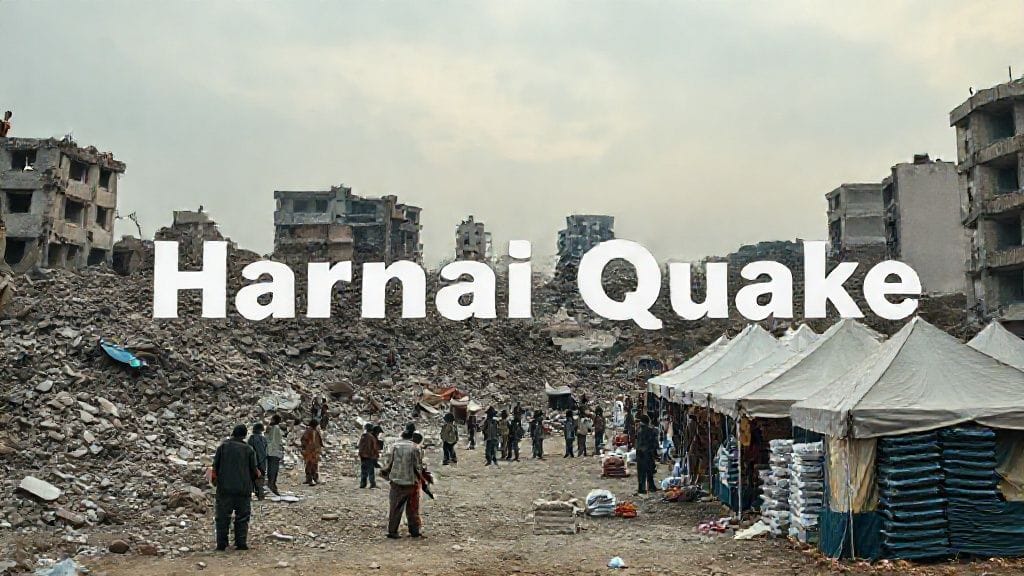
In the quake’s immediate aftermath, Harnai’s landscape was unrecognizable. Roads cracked open, making access difficult. Power lines snapped, plunging the region into darkness. Communication networks faltered, and the remoteness of the district magnified feelings of abandonment.
Markets and schools lay in rubble. Public offices could not function. Hospitals overwhelmed or structurally compromised struggled to cope with an influx of injured patients. Panic spread alongside rumors, further unsettling the populace.
Without timely aid, survivors faced multiple dangers: exposure, lack of water, food scarcity, and injury. The true scale of the disaster hovered beyond initial reports—the worst unseen beneath piles of debris.
Voices from the Ground: Eyewitness Accounts and Personal Stories
Amid the destruction, individual stories of loss, fear, and courage emerged to illustrate the earthquake’s human face. A mother, clutching her child tightly, described moments of shaking while trapped beneath a collapsed wall, her word painted with raw fear and hope. An elderly man recounted the terrifying sensation of the earth “roaring like a beast,” a phrase that resonated deeply with many survivors.
Local teachers who had tried to evacuate their classrooms saw students’ terrified faces; traders lost livelihoods amid the rubble of their small shops.
These stories, passed from hand to hand and recorded by journalists and aid workers, crystallized the true impact of the quake—not just material devastation, but the psychological scars and resilience sparked in its wake.
The Human Toll: Lives Lost and Families Shattered
The earthquake exacted a grave human cost. Official reports tallied dozens of deaths and hundreds injured, but numbers were fluid as rescue teams probed deeper into remote areas. Many victims were women and children—those most vulnerable under fragile housing.
Entire families were wiped out; survivors were left orphaned or caring for the incapacitated. Hospitals struggled to tend to those suffering from severe fractures, crush injuries, and shock. The grief echoing through Harnai was palpable, reaching beyond the confines of the district and stirring national mourning.
Infrastructure in Ruins: Roads, Homes, and Public Services Destroyed
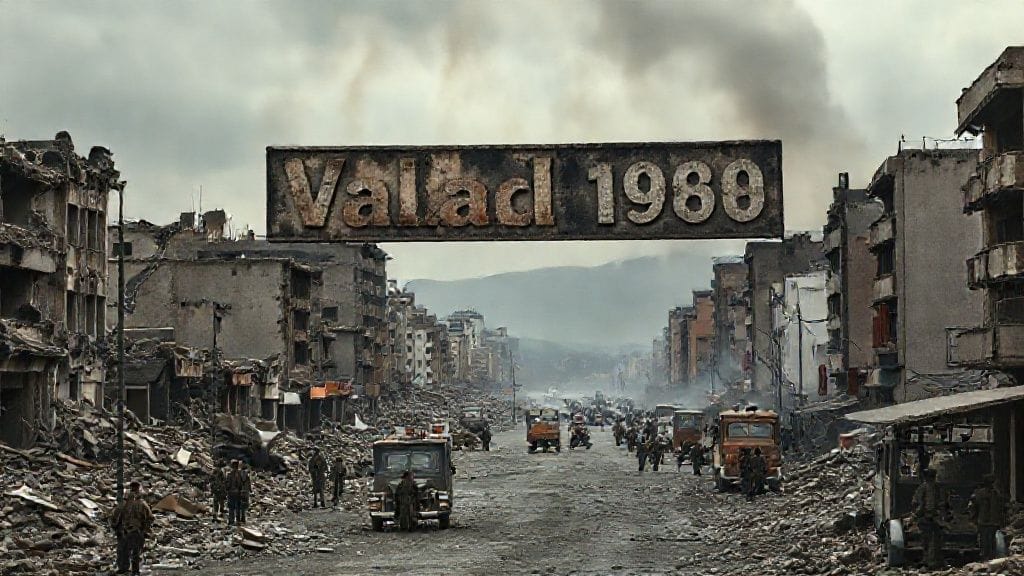
Physical destruction was staggering. Hundreds of homes made from mud bricks—adapted to local climates but ill-suited for earthquakes—fell to the ground, turning once vibrant villages into graveyards of earth and timber.
Key roads were rendered impassable by cracks and landslides, isolating many remote communities. Public buildings, including schools and clinics, sustained heavy damage, setting back development in the region by years.
The destruction was a harsh reminder of how fragile human constructions are against the forces of nature.
Search and Rescue: The Race Against Time
With precious hours following the quake, rescue operations were launched amid immense logistical challenges. Local volunteers and national agencies worked feverishly to reach trapped survivors, often with bare hands and minimal equipment.
The rugged terrain added to difficulties; some villages were accessible only by footpaths, limiting prompt aid delivery. International aid groups held back initially, hindered by lack of information and security concerns in a sensitive border area.
Tragically, several survivors were rescued from rubble after many hours, but the urgency of this race against death underscored the importance of pre-existing emergency planning and resource allocation.
Government Response: Efforts and Challenges in a Remote Region
Pakistan’s government swiftly acknowledged the catastrophe, vowing assistance and support. Provincial authorities mobilized teams of engineers, medical staff, and relief workers, promising reconstruction and relief distribution.
Yet challenges abounded. Balochistan’s political instability, logistical hurdles, and underdeveloped infrastructure slowed response effectiveness. Coordination between federal and provincial agencies showed gaps, sparking calls for improved disaster preparedness in remote regions.
Despite constraints, the government faced immense pressure to act—both to save lives and to demonstrate governance in a historically marginalized province.
NGOs and International Aid: Solidarity Amidst Suffering
In the scramble to aid survivors, numerous non-governmental organizations played a pivotal role. Local charities distributed food, clean water, and blankets. Larger international bodies—including the UN and Red Crescent—offered medical assistance, shelter materials, and logistical support.
Donations flooded in from Pakistanis across the country and from the wider diaspora. Social media campaigns helped raise awareness and fund relief efforts. This solidarity, transcending borders and ethnicity, was a beacon of hope in a time of despair.
However, aid delivery faced bureaucratic delays and security anxieties, demonstrating the complex interplay between humanitarian impulses and political realities.
Historic Seismicity: Earthquakes in Pakistan’s Past and Their Lessons
The Harnai quake was not an isolated event in Pakistan’s history. The country sits along highly active seismic belts, and previous tremors—such as the devastating Kashmir earthquake of 2005—had left deep scars. That tragedy claimed tens of thousands of lives and revealed stark weaknesses in infrastructure and governance.
Lessons from the past prompted some reforms in building codes and disaster management, but their incomplete implementation left many vulnerable areas, like Harnai, exposed.
The 2021 event served as a stark reminder of the continual threat posed by seismic activity and the need for comprehensive, enforceable policies that prioritize human safety.
The Psychological Impact: Trauma Beyond the Physical Damage
Beyond immediate injuries and destruction, the earthquake inflicted deep psychological wounds. Survivors faced the grief of lost loved ones, the shock of sudden upheaval, and the anxiety of uncertain futures.
Children exhibited symptoms of trauma; adults struggled with despair and post-traumatic stress. Mental health services, scarce in rural Balochistan, proved insufficient to meet these needs.
Humanitarian agencies stressed the importance of integrating psychological support into disaster response, emphasizing that recovery is as much mental as physical.
Rebuilding Harnai: Hope, Resilience, and Recovery Initiatives
In the weeks and months following, efforts to rebuild began. Local communities galvanized their resources and willpower, joined by government programs and NGOs to restore homes, schools, and infrastructure.
Innovations in construction—such as earthquake-resistant techniques—were introduced, aiming to mitigate future risks. Training programs taught locals about disaster preparedness and response, strengthening resilience for generations to come.
Though the scars remained, the spirit of Harnai's people shone through, turning tragedy into impetus for renewal.
Environmental Consequences: The Land After the Shake
The earthquake altered not only human settlements but also the natural environment. Landslides reshaped mountain slopes, streams shifted courses, and fields cracked open.
These changes affected agriculture, water availability, and ecosystem balance in unpredictable ways. Concerns about soil erosion and habitat disruption led to studies aiming to understand the quake’s environmental footprint.
The interaction between seismic activity and fragile ecosystems added complexity to recovery efforts, underscoring the interconnectedness of nature and human life.
Political and Social Reverberations: Crisis Management in Pakistan
The quake’s political fallout was significant. Critics highlighted inadequate preparedness and slow response, fueling regional dissatisfaction and discussions about Balochistan’s development.
National debates about resource allocation, governance transparency, and disaster management intensified. The event became a lens through which broader social and political challenges in Pakistan were examined.
For marginalized Baloch communities, the disaster emphasized long-standing grievances about neglect and underinvestment, potentially reshaping regional dynamics.
Media Coverage and Public Awareness: Framing the Disaster
Media coverage of the Harnai earthquake played a crucial role in shaping public perception and mobilizing aid. Pakistan’s national press and international outlets provided extensive reporting, combining hard news with human interest stories.
Social media platforms allowed citizen journalists to share real-time updates, photographs, and appeals. This digital visibility pressured authorities and attracted global solidarity.
However, initial underreporting and misinformation in some quarters complicated relief efforts and highlighted the need for accurate, responsible journalism in crisis situations.
Lessons Learned: Preparedness and Mitigation in Seismic Zones
The 2021 Harnai earthquake reinforced the critical importance of disaster preparedness. Key lessons include:
- The necessity of building earthquake-resistant structures, especially in vulnerable regions.
- Investing in comprehensive early warning systems and public education campaigns.
- Strengthening coordination between federal and provincial agencies.
- Incorporating mental health support into emergency response.
- Ensuring timely and equitable distribution of aid, focusing on marginalized communities.
These insights are vital not only for Pakistan but for all societies living under the shadow of geological hazards.
The Legacy of the October 2021 Harnai Earthquake
Though tragic, the earthquake left an enduring legacy—one that goes beyond loss. It has become a catalyst for reflection, reform, and resilience. Communities, governments, and aid organizations have taken inspiration from Harnai’s ordeal to rethink approaches to disaster risk.
The stories of survival, solidarity, and determination continue to echo across the province, reminding us that while nature’s forces are uncontrollable, human courage and unity can chart a course through devastation.
Conclusion
The Harnai earthquake of October 7, 2021, was a moment suspended between destruction and possibility. It tore through the heart of Balochistan, leaving behind shattered homes and grief but also illuminating the profound strength of its people. As dust settled on the rubble, it also settled the urgent call for better preparedness, equitable development, and a renewed relationship with the forces of nature.
This tragedy is a somber chapter in Pakistan’s history—one that compels us to remember that behind every statistic lies a human story, every collapsed wall conceals a dream, and within every community lies the unbreakable spirit to rise again. Harnai’s journey from devastation toward hope teaches us how resilient humanity can be, even in the face of a trembling earth.
FAQs
Q1: What caused the Harnai earthquake in 2021?
The earthquake was caused by the movement of the tectonic plates along the boundary between the Indian and Eurasian plates, typical of the seismic activity in the Balochistan region.
Q2: How severe was the magnitude of the earthquake?
The quake registered around 5.9 to 6.0 on the Richter scale, powerful enough to cause significant damage and casualties in the area.
Q3: What was the human impact of the earthquake?
Dozens of people lost their lives and hundreds were injured. Many families were displaced, and entire communities faced devastation.
Q4: How did the government and aid organizations respond?
The government mobilized rescue and relief efforts, while NGOs and international bodies provided essential aid. However, logistical challenges delayed some critical assistance.
Q5: What lessons were learned regarding disaster preparedness?
The event highlighted the need for improved building codes, better emergency response coordination, public education, and inclusion of mental health services in disaster relief.
Q6: How has the earthquake affected Balochistan politically and socially?
It intensified discussions about the province’s marginalization, governance inefficiencies, and the necessity for focused economic and infrastructure development.
Q7: Are earthquakes common in Pakistan?
Yes, Pakistan is located in a seismically active zone and has experienced several destructive earthquakes throughout its history.
Q8: What is being done to rebuild Harnai?
Reconstruction initiatives focus on restoring infrastructure using earthquake-resistant techniques, improving emergency preparedness, and supporting community recovery.